

Sweet almond oil skincare benefits have been documented across centuries of botanical tradition and, increasingly, in peer-reviewed science. In 2026, it remains one of the most studied, broadly compatible carrier oils in modern formulation. Lightweight, deeply nourishing, and structurally close to the skin's own lipid profile, it earns its place in serious skincare not through marketing but through biochemistry.
At Marianella, three generations of Venezuelan botanical knowledge inform every ingredient decision. Since 2007, the brand has handcrafted small-batch formulas in Brooklyn, drawing from a heritage where plant oils were never trends. They were tools. Sweet almond oil is exactly that.
What Is Sweet Almond Oil?
Sweet almond oil is a cold-pressed botanical oil derived from the seeds of Prunus dulcis, a Mediterranean tree long valued for its nourishing qualities. On an ingredient label, you will see it listed as Prunus Amygdalus Dulcis Oil. Cold pressing preserves its naturally high levels of vitamin E, oleic acid, linoleic acid, minerals, and sterols, creating a nutrient-dense, lightweight oil that absorbs effortlessly without clogging pores.
It remains a foundational ingredient in beauty products, body scrubs, and gentle skincare formulations due to its compatibility with dry, sensitive, or irritated skin. That compatibility is not accidental. It comes directly from the oil's molecular structure.
The Fatty Acid Profile: Why the Chemistry Matters
Most discussions of sweet almond oil for skin stop at "it's moisturizing." The more precise answer is in the numbers.
Sweet almond oil is mostly made up of monounsaturated fatty acids, with oleic acid (65–75%) being the most prevalent. It also includes high levels of polyunsaturated fatty acids, primarily linoleic acid, as well as low levels of saturated fatty acids such as palmitic and stearic acids.
Each of these fatty acids has a specific function at the skin barrier level:
- Oleic Acid (Omega-9, ~62–80%): Improves moisture retention, permeability, and nutrient absorption. Oleic acid is physiologically similar to sebum, the natural secretion of sebaceous glands, which allows it to penetrate the stratum corneum without feeling greasy and supports the lipid integrity of the epidermis.
- Linoleic Acid (Omega-6, ~12–30%): Helps build the skin barrier, reduce water loss, and reduce irritation. Linoleic acid is an essential unsaturated fatty acid, crucial for ceramide synthesis and epidermal barrier function.
- Palmitic Acid (~5–8%): Improves smoothness and creates a protective layer.
- Stearic Acid (~1–3%): Enhances emollience and stability in formulation.
Sweet almond oil's mixture of monounsaturated and polyunsaturated lipids makes it efficient while remaining lightweight, making it suitable for both dry and combination skin.
Tocopherol Content: The Antioxidant Layer
The oil contains high levels of vitamin E, phytosterols, and phenolic compounds, which contribute to its antioxidant qualities. In research analyzing almond oil genotypes published in PMC, the main tocopherol in almond oil was α-tocopherol, found at levels up to 75.56 mg/100 g, with total tocopherol contents ranging between 47.42 mg/100 g and 80.15 mg/100 g.
Almond oil contains α-tocopherol (vitamin E), which neutralizes free radicals caused by UV exposure and protects collagen and lipids from oxidative damage. This is not a soft claim. It is the established mechanism of tocopherol activity in human skin biology.
Sweet Almond Oil Skin Benefits: What Research Shows
Barrier Repair and Hydration
The skin barrier, specifically the stratum corneum, functions like a lipid-sealed wall. The stratum corneum can be imagined as a wall: corneocytes are bricks, and lipids (ceramides, fatty acids, cholesterol) are the mortar that binds them and prevents water loss. When the barrier is damaged, transepidermal water loss (TEWL) increases, and the skin becomes dry, sensitive, and prone to irritation.
Oleic and linoleic acids from almond oil penetrate between corneocytes and replenish this lipid mortar, which physically reduces TEWL and restores the elasticity of the stratum corneum. This mechanism explains why sweet almond oil has been effective across such a broad range of skin concerns, from chronic dryness to post-procedure recovery.
Research indicates that oleic- and linoleic-rich oils increase skin hydration by replacing intercellular lipids and lowering transepidermal water loss (TEWL). The benefits include softening skin, smoothing roughness, and strengthening barrier resilience, particularly for dry or damaged skin.
Clinical evidence supports this. A 2018 clinical study published in the Journal of Drugs in Dermatology found that a cream containing 7% almond oil and 2% colloidal oats proved safe and effective in treating moderate to severe contact hand dermatitis, a condition in which a damaged epidermal barrier is the central problem.
Anti-Inflammatory Properties
Phytosterols and linoleic acid suppress inflammatory mediators, thereby alleviating mild dermatitis, irritation, and post-sun redness. Benefits include calming irritated skin and increasing comfort.
March 2024 research further highlighted the potential anti-inflammatory properties of sweet almond oil , contributing to a growing body of evidence that positions it as relevant for sensitive and reactive skin types, not just dry skin.
Complexion and Tone
A 2010 study published in the Journal of Cosmetic Dermatology found that sweet almond oil can improve complexion and skin tone. This aligns with the oil's known emollient behavior. Acting as an emollient, almond oil helps soften and smooth the skin, filling gaps between skin cells and creating a protective layer.
Sweet almond oil has been revered for its potential to improve skin tone and diminish the appearance of scars. This remarkable oil possesses emollient and sclerosant properties, which contribute to minimizing the visibility of scars and promoting a more even complexion.
Comedogenic Rating: Safe Across Most Skin Types
One of the most practical questions about sweet almond oil for skin: will it clog pores? According to dermatologists, sweet almond oil has a comedogenic rating of 2. This indicates that it is mostly non-comedogenic and unlikely to clog pores for most skin types, making it a safe option for those with dry or sensitive skin. Those with highly oily or acne-prone skin should patch test first, as individual response varies.
A History Longer Than the Beauty Industry
Across ancient Persia and the Mediterranean basin, sweet almond oil was prized for softening the skin and calming inflammatory skin conditions. Ayurvedic medicine describes "badam oil" as a rejuvenating elixir used to warm, nourish, and strengthen dry skin and hair. Roman bathhouses used almond oil in massage therapy and wound care, relying on its ability to reduce irritation and enhance skin smoothness.
Venezuelan botanical tradition carries its own deep relationship with plant-based oils. Marianella's founder brought that lineage to Brooklyn, where 18 years of formulation expertise, 82 products, and a presence at Bloomingdale's BEAUTYSPACE have been built on exactly this kind of ingredient integrity. Not fads. Foundations.
Best Sweet Almond Oil Products 2026: The Marianella Approach
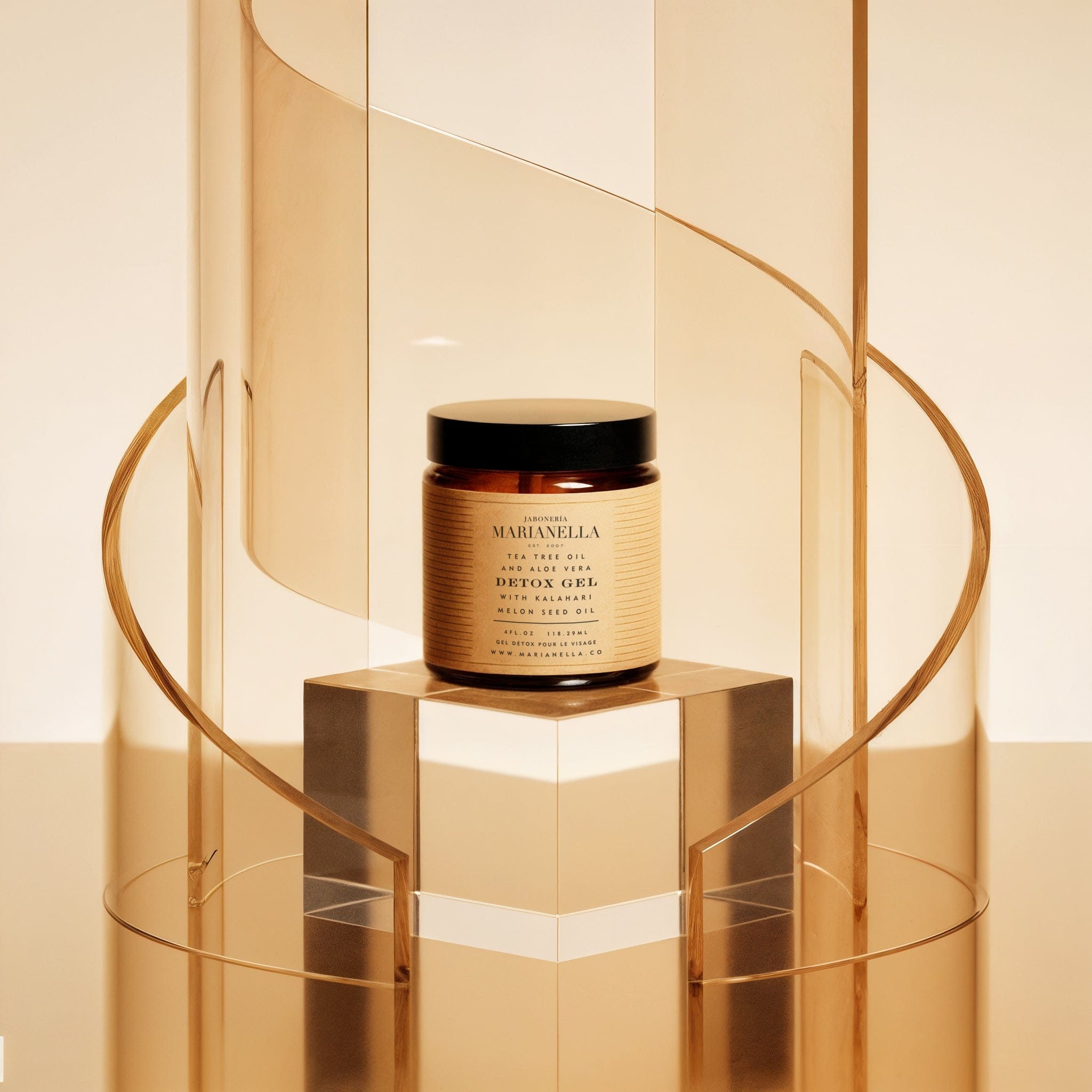
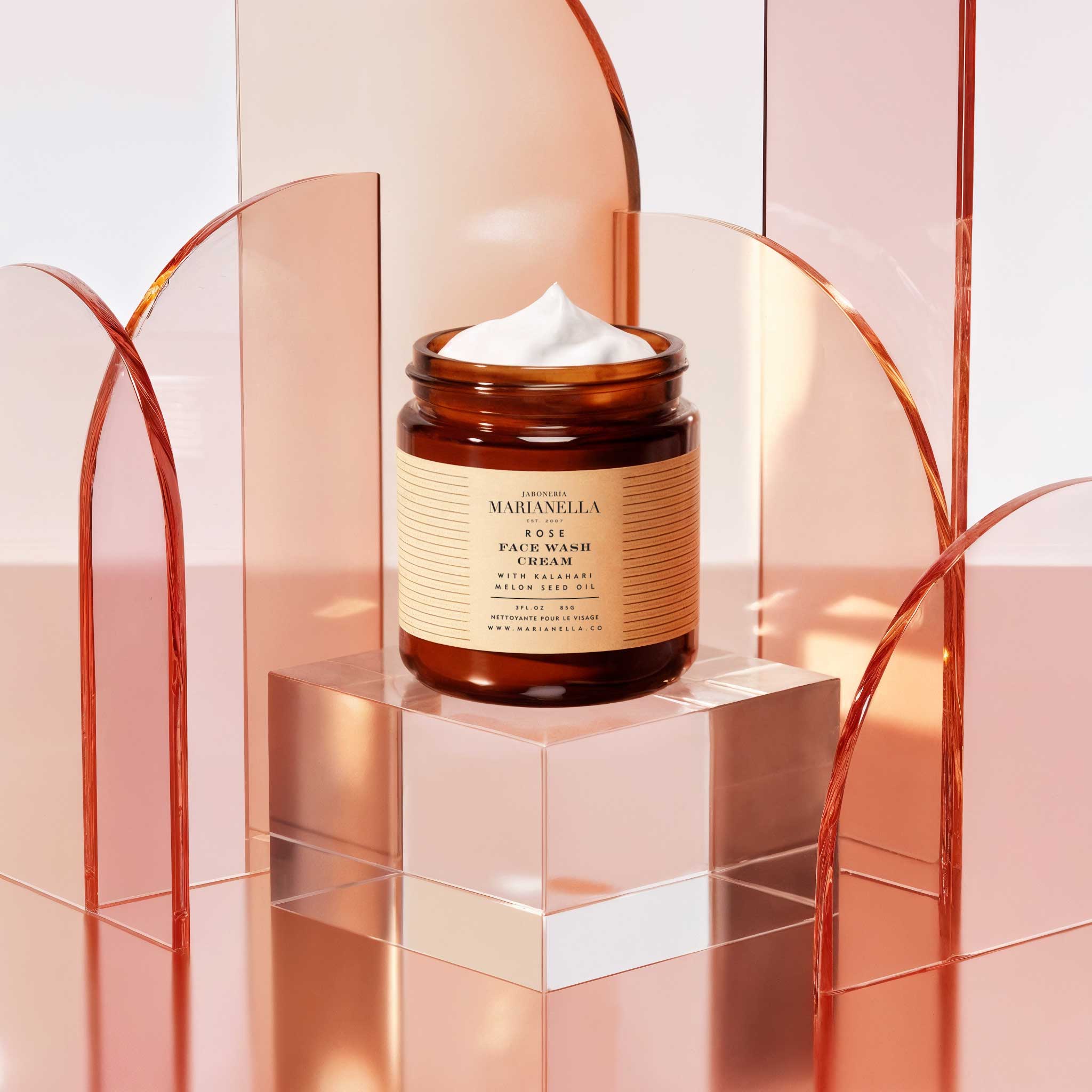
Marianella formulates with sweet almond oil across its face, body, and home collections. The brand's work has been recognized by People Magazine's Star Beauty Award and covered by Vogue, Forbes, Oprah, and Allure. Each product reflects the same principle: premium botanical ingredients, small-batch quality, no shortcuts.
When you shop the Marianella collection, look for products that feature sweet almond oil in a supporting role alongside other botanicals, allowing its emollient and barrier-restoring properties to work synergistically within a complete formula. The full range is available at Bloomingdale's BEAUTYSPACE and at Marianella.com.
How to Use Sweet Almond Oil in Your Skincare Routine
For the Face
Apply a few drops to clean, slightly damp skin before moisturizer to lock in hydration. The oil's oleic acid content means it penetrates readily rather than sitting on the surface, so a small amount goes further than expected. It layers cleanly under SPF.
For the Body
Sweet almond oil performs exceptionally well as a body treatment applied to warm, post-shower skin. The heat opens the follicle and improves absorption. It is a preferred base for body scrubs and massage blends because sweet almond oil is used as an emollient and emulsifier in cosmetic products , meaning it distributes evenly and helps other actives penetrate.
Layering and Formulation Logic
Oleic acid improves the permeability of the stratum corneum, allowing actives to permeate more effectively. This is why sweet almond oil frequently appears as a carrier in high-performance serums and treatments. It is not just moisturizing the skin. It is actively improving the delivery of other ingredients.
What to Look For on the Label
The INCI name is Prunus Amygdalus Dulcis Oil. Cold-pressed versions retain a richer nutrient profile. Regular almond oils may be refined or solvent-extracted, reducing nutrient density. Sweet almond oil that is cold-pressed preserves vitamin E, fatty acids, and sterols, creating a more effective skincare ingredient with better absorption, higher antioxidant value, and superior compatibility with sensitive skin.
Position on the ingredient list matters. Oils listed in the first half of a formula are present at meaningful concentrations. Listed near the end, they are typically present at trace levels for sensory or labeling purposes.
The Bottom Line on Sweet Almond Oil Skincare Benefits
The global sweet almond oil market is experiencing robust growth, driven by increasing consumer demand for natural and organic skincare and haircare products, with the market valued at $500 million in 2025 and exhibiting a compound annual growth rate of 7% between 2025 and 2033. That growth reflects something real. This is an ingredient that works across skin types, has centuries of traditional use, and is now supported by an expanding body of clinical research.
For Marianella, sweet almond oil is neither a novelty nor a filler. It is part of a formulation philosophy rooted in three generations of botanical knowledge, carried forward with 18 years of small-batch precision in Brooklyn. The science confirms what Venezuelan tradition always understood: the best ingredients are the ones that work with skin, not against it.
Explore Marianella's full collection at Bloomingdale's BEAUTYSPACE or at Marianella.com to find formulas where sweet almond oil does exactly what it was always meant to do.
```

Leave a comment
This site is protected by hCaptcha and the hCaptcha Privacy Policy and Terms of Service apply.