


Olive oil is a rich, oleic-heavy oil with thousands of years of use on skin, and it softens dry skin well, but it is slow to sink in and can feel heavy on the face. The oils in our face and body oils cover the same ground with a lighter touch: marula and plum bring the cushion of an oleic oil, Kalahari melon seed and rosehip bring lightness, and our Squalane Face Oil offers squalane, from olives, in its most stable and weightless form. This is how they compare, and which to choose instead of olive oil.
Four thousand years on the skin
Few ingredients have a longer record. Olive trees have been cultivated around the Mediterranean for thousands of years, and the oil was in use on skin long before anyone wrote about it. In ancient Egypt it was mixed with beeswax to make a cleansing balm. In classical Greece, athletes rubbed their bodies with it before competing, both to keep the skin supple and to shield it from sun and dust.
That long history is a good reason to take olive oil seriously, and a good reason to understand what it is actually doing. It was the oil people had to hand. Today there are others, from Africa, South America and Asia, that do some of its jobs better.
What olive oil brings
Olive oil is mostly oleic acid, a monounsaturated fatty acid that feels rich and conditioning. It also carries small amounts of squalene, a lipid human skin makes for itself; vitamin E; and polyphenols, the antioxidants that give extra virgin oil its bitter, peppery taste. Oleic acid makes it a good softener for dry skin and gives it decent stability on the shelf.
The drawback is weight. An oil that is mostly oleic acid sinks in slowly and can sit on the face for a while. Olive oil is also usually rated as moderately likely to clog pores, which matters for oily and blemish-prone skin.
Oleic and linoleic: the balance that sets the feel
Most plant oils are some mix of two fatty acids: oleic, which feels richer and slower, and linoleic, which feels lighter and drier. Olive oil sits far toward the oleic end. Knowing where an oil sits tells you a lot about how it will feel before you open the bottle.
- Kalahari melon seed oil, our hero ingredient, is rich in linoleic acid. It is light, dry to the touch and quick to absorb, with little residue.
- Argan oil is balanced between the two, which is why it feels soft and supple without heaviness.
- Plum seed oil carries both oleic and linoleic acids and sits in the middle: more comfort than a dry seed oil, never heavy.
- Marula oil is oleic-rich like olive oil, yet surprisingly light for it.
Side by side with our face oils
Marula, the closest relative
If you like olive oil for its cushion, our Marula Face Oil is the nearest match. It is rich in oleic acid, with a little linoleic acid and natural vitamin E, but it sinks in within moments and leaves no film. It suits dry, dehydrated and mature skin especially well.
Plum, for layering
Our Plum Face Oil, cold-pressed from the kernel inside the plum stone, glides on like a serum. It is light to medium in weight and settles in at a gentle pace, so it is easy to wear alone or stirred into a moisturizer.
Rosehip, for lightness
Rosehip seed oil is rich in essential fatty acids and feels light and dry. Where olive oil lingers, rosehip presses in within moments, which is why it suits skin that looks dull or uneven and does not want a heavy finish.
Squalane, from olives
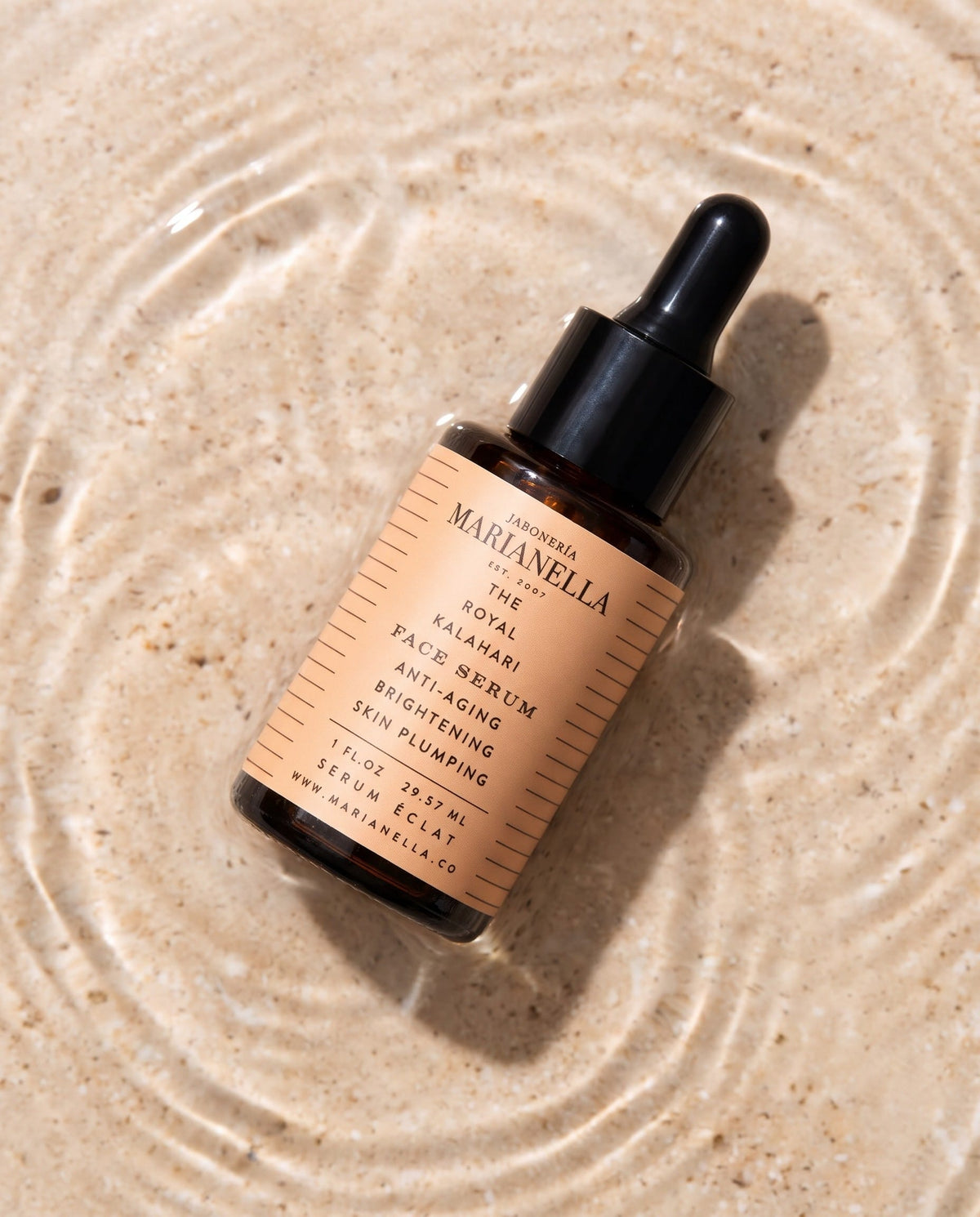
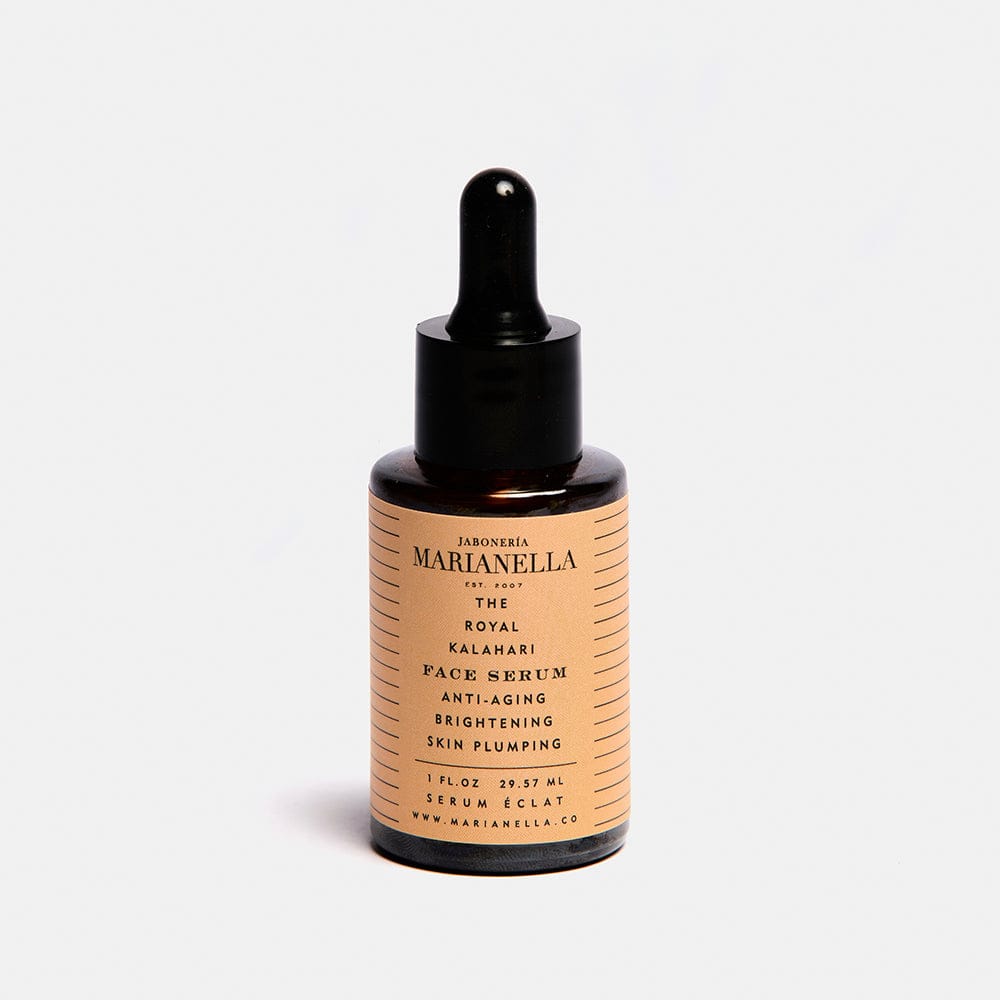
Our Squalane Face Oil comes from a plant source, olives. Squalane is the stable form of squalene, one of the minor compounds in olive oil, and on its own it behaves nothing like the oil it comes from. It contains no fatty acids, so it is exceptionally stable, and it is clear, silky and almost weightless. If you are drawn to olive oil because skin makes squalene itself, this is that idea without the heavy oleic base.
For the body
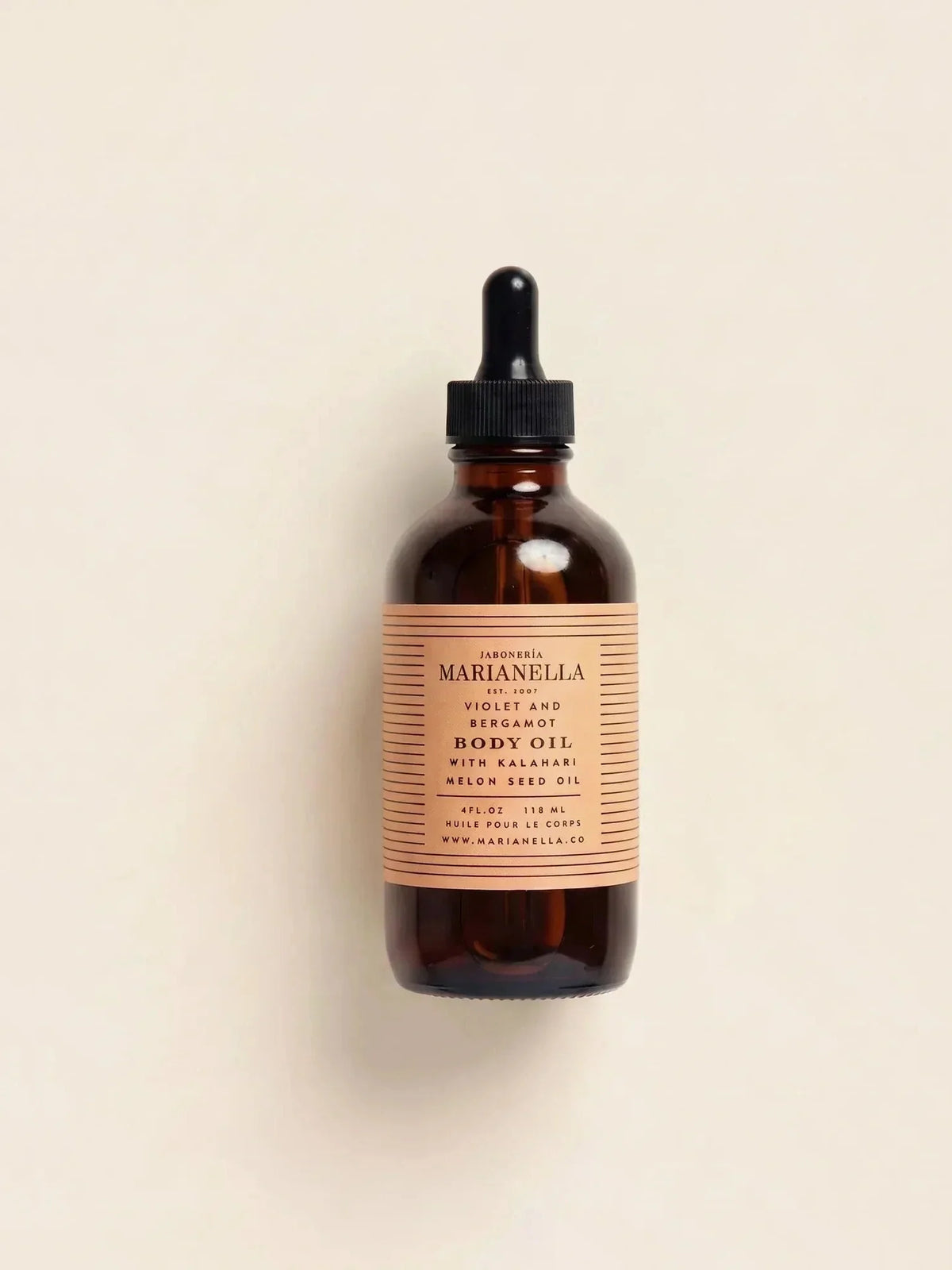
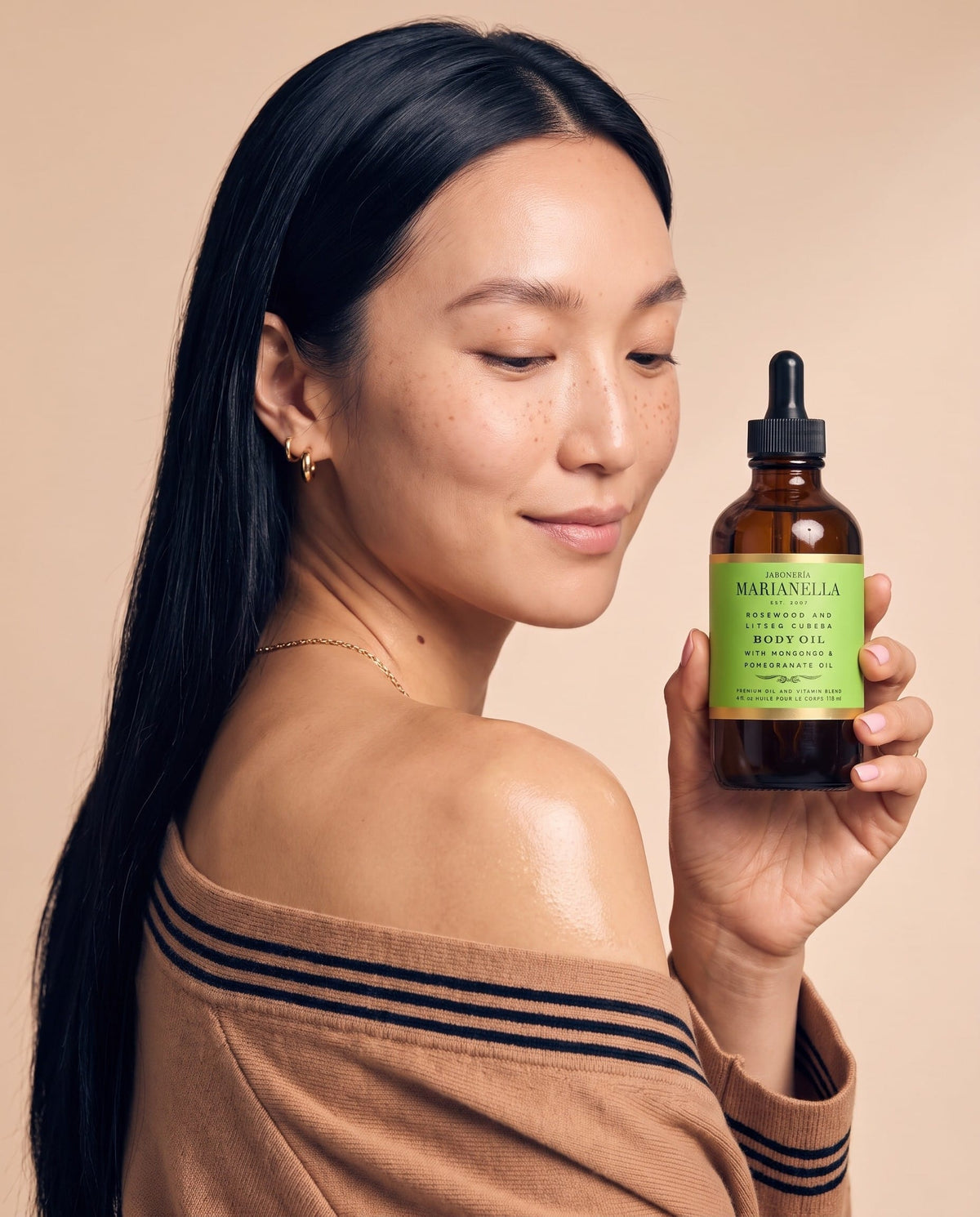
On the body, olive oil's richness is less of a problem, but speed still matters when you want to get dressed. Our New Imperial Jade Body Oil combines mongongo, Kalahari melon seed, marula, grapeseed and argan oils with vitamin E. Marula supplies the oleic richness, Kalahari melon and grapeseed the lightness, and the blend glides on like silk and sinks in without a tacky film. Smoothed over damp skin straight out of the shower, it helps seal in the water already there.
Where we do use olive oil
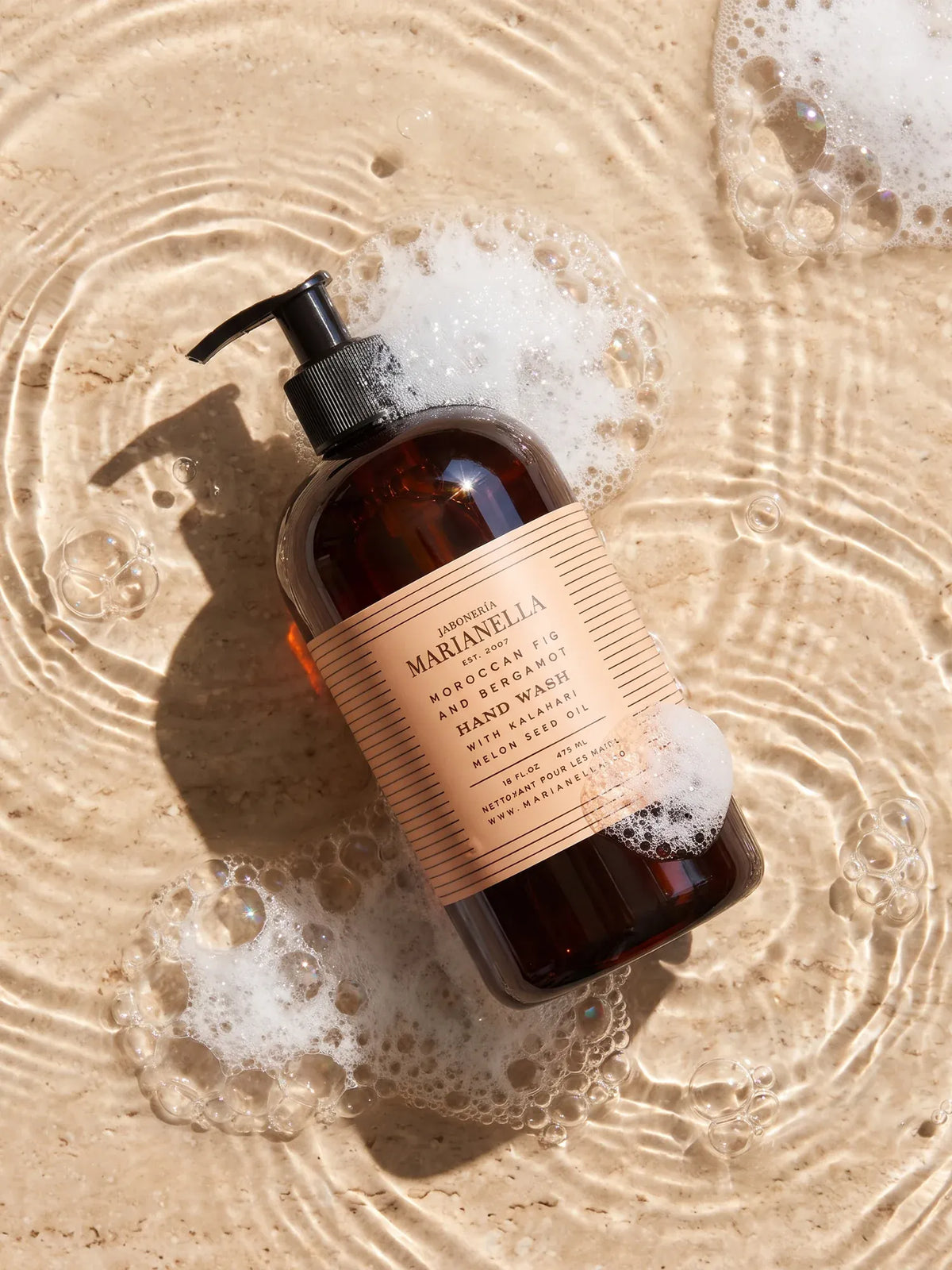
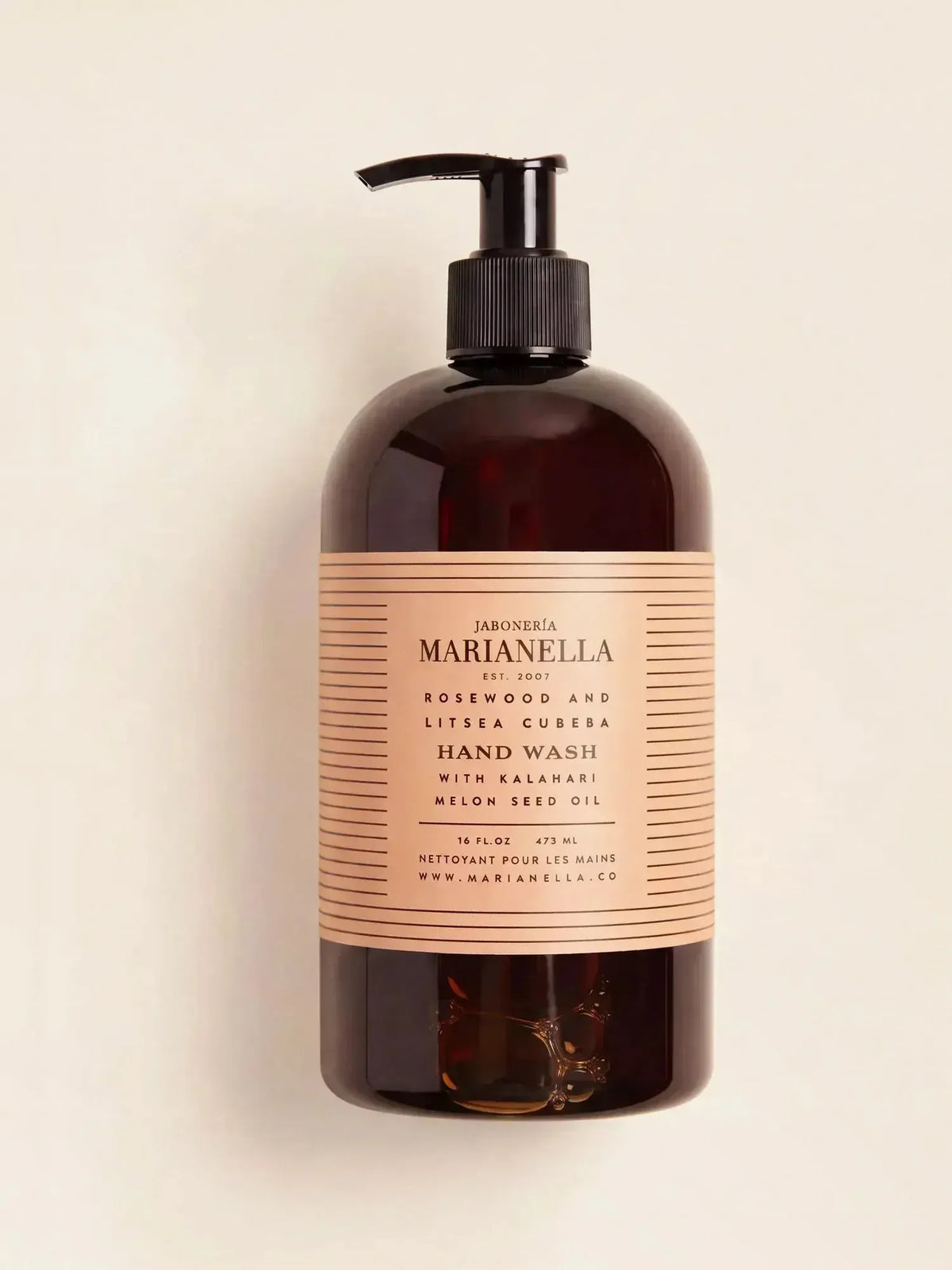
Olive oil has a place in our range, in soap. Our Hydrating Hand Wash and Replenishing Body Wash are castile-style liquid soaps made from organic coconut, olive and jojoba oils, saponified the traditional way. Coconut oil gives the lather its lift, and olive oil keeps it gentle and creamy. In a wash that rinses away, its richness is an asset rather than a weight.
Choosing between them
- Dry or mature skin that likes richness: Marula Face Oil.
- Normal skin, or anyone who layers: Plum Face Oil.
- Skin that looks dull or uneven: Rosehip Face Oil.
- Dehydrated, combination or sensitive skin, or anyone who dislikes the feel of oil: Squalane Face Oil.
- Dry body skin: Imperial Jade Body Oil on damp skin after the shower.
Each of our face oils is 100% pure, with no added fragrance. You can see what each one is, where it comes from and how it feels in our Ingredient Library.
Questions about olive oil and our oils
Which of your face oils is closest to olive oil?
Marula. It is also rich in oleic acid, but much lighter on the skin and quicker to sink in.
Does your Squalane Face Oil come from olives?
Yes. It is plant squalane from olives rather than from sharks, and it feels almost weightless because it contains no fatty acids.
Why choose a face oil over olive oil from the kitchen?
Our face oils are lighter, sink in faster and are chosen for facial skin. Olive oil can feel heavy and is more likely to clog pores on oily skin.






















Leave a comment
This site is protected by hCaptcha and the hCaptcha Privacy Policy and Terms of Service apply.