


Olive oil skincare benefits have been documented for centuries, but the science behind them has never been sharper than it is in 2026. Extra virgin olive oil is not a trend ingredient or a wellness shortcut. It is a molecularly complex botanical with measurable effects on skin hydration, barrier function, oxidative defense, and visible aging. For a brand built on three generations of Venezuelan botanical knowledge and 18 years of small-batch formulation in Brooklyn, olive oil is not a discovery. It is a foundation.
What Is Olive Oil in Skincare?
Olive oil is a liquid fat cold-pressed from the fruit of Olea europaea, a tree cultivated across the Mediterranean for more than 6,000 years. In skincare, the term refers primarily to extra virgin olive oil (EVOO), the least processed grade, which retains the highest concentration of bioactive compounds. Olive oil contains about 98% fatty acids, principally oleic acid, and 2% minor components of over 230 compounds such as squalene, tocopherols, sterols, and polyphenols. That 2% is where much of the dermatological interest lies.
It is not simply an emollient. It is a multi-compound botanical with distinct molecules that operate through different biological pathways on skin, some moisturizing, some antioxidant, some anti-inflammatory.
The Molecular Profile: What Makes Olive Oil Work on Skin
Oleic Acid: The Dominant Fatty Acid
Extra virgin olive oil contains about 55 to 83% oleic acid, a monounsaturated fatty acid. Oleic acid is lipid-soluble, which allows it to interact with the outermost layers of the stratum corneum. Composed of about 80% oleic acid, olive oil also includes vitamin E, squalene, and polyphenols that act as antioxidants. Its affinity for skin lipids makes it effective at softening and conditioning, particularly in dry or mature skin types.
Squalene: The Skin-Identical Compound
EVOO provides squalene, a component of human sebum, along with polyphenols and antioxidants including hydroxytyrosol and oleuropein, which help protect skin cells from oxidative stress and free radical damage. Squalene is naturally produced by human skin, but production declines with age. Finding it in a plant source is significant.
Among vegetable oils, olive oil exhibits the most abundant squalene levels, with virgin olive oil containing squalene concentrations of up to 153.4 to 747.4 mg per 100 g. In topical formulas, squalene and various fatty acids serve as emollients, helping to soften the skin and form a protective layer that reduces moisture loss.
Polyphenols: The Antioxidant and Anti-Aging Fraction
The polyphenol fraction of EVOO is where the most compelling recent research is concentrated. The polyphenols found in olive oil, particularly oleocanthal and oleacein, are powerful allies in the fight against signs of skin aging. These are not interchangeable compounds. Each operates differently at the cellular level.
Olive oil's primary bioactive compound, oleocanthal, works similarly to ibuprofen by reducing inflammatory markers. Polyphenols including oleocanthal exhibit anti-inflammatory properties that can help soothe irritated skin and promote wound healing.
Then there is hydroxytyrosol. Hydroxytyrosol, the major antioxidant compound present in olive oil, has been studied for its effects on UVA-induced cell damage using a human melanoma cell line as a model system. In a controlled experiment using a human skin keratinocyte model, hydroxytyrosol significantly reduced UVB-induced DNA strand breaks, lowered intracellular ROS, and decreased oxidative DNA damage. For a skincare ingredient, that is a specific and meaningful result.
What the Clinical Research Shows in 2026
The science on olive oil for skin has moved beyond anecdote. Recent clinical data is more precise than the general claims that dominated the category a decade ago.
A 2024 study published in the Journal of Cosmetic Dermatology found that regular topical use of extra virgin olive oil significantly improves skin elasticity and reduces dryness, especially in mature or sensitive skin types.
A 2024 study found that olive oil polyphenols reduced visible wrinkles by 34 to 52% in adults after 30 days of use. That is a wide range, reflecting variability across skin types and formulation methods, but the directional evidence is consistent.
A 2025 study compared the effects of extra virgin olive oil and petrolatum on the forearm skin of 57 participants. Both improved skin hydration, reduced redness and flakiness, and enhanced skin barrier function. The comparison to petrolatum, a benchmark occlusive in dermatology, is notable.
Studies suggest that polyphenols in olive oil help make collagen, which minimizes wrinkles and makes skin more elastic. Polyphenols also have antioxidant properties. Collagen synthesis is one of the more consequential mechanisms for visible anti-aging results, and the polyphenol-collagen connection gives EVOO a biological rationale beyond surface-level moisture.
Olive Oil for Skin: The Anti-Aging Case
Premature skin aging is driven largely by oxidative stress, the cumulative damage caused by free radicals from UV exposure, pollution, and metabolic byproducts. Research from the Spanish Council for Scientific Research confirms olive oil's ability to protect against oxidative stress, a key driver of premature skin aging.
Polyphenols help strengthen the skin barrier by improving hydration and dermal structure, making the skin more resistant to external aggressors like UV rays and pollution. This process slows the appearance of wrinkles and promotes smoother, younger-looking skin.
Compounds such as squalene, vitamin E, and polyphenols help neutralize free radicals that cause oxidative stress and cellular damage within the skin. What makes EVOO distinct is that these compounds are not isolated actives added to a formula. They arrive together in a naturally occurring complex with documented synergy.
The Formulation Question: Raw Oil Versus Crafted Skincare
Not all olive oil skincare is equivalent. The quality of the oil, how it is processed, and what it is formulated with all determine what reaches your skin and how it performs.
Olive oil contains a high concentration of oleic acid along with beneficial antioxidants such as squalene and polyphenols. Its effect on the skin is complex and varies depending on the oil's quality, the ratio of fatty acids, and the individual's skin type. Not all olive oils are the same. Factors include quality, the type of species used, distillation, and other manufacturing considerations.
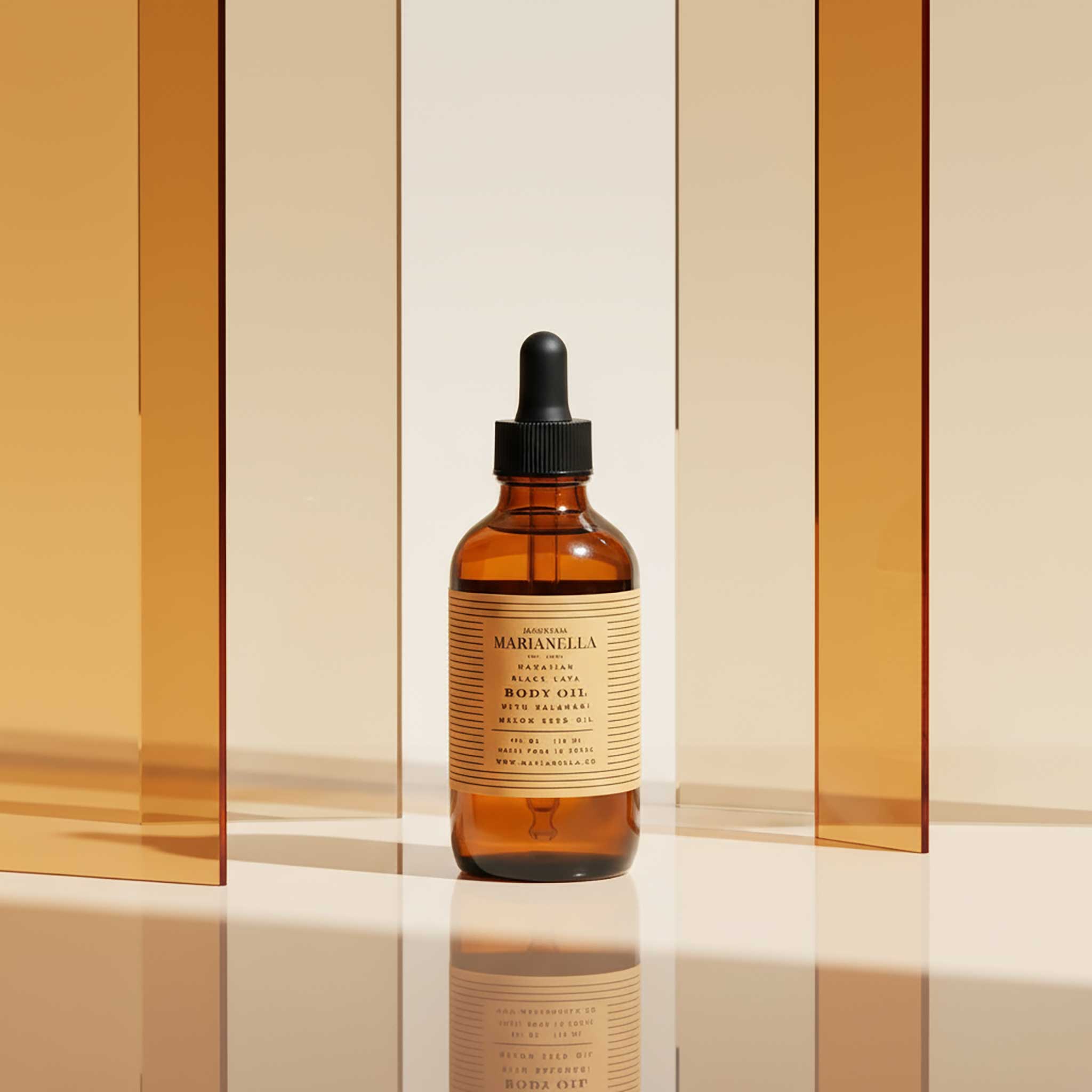
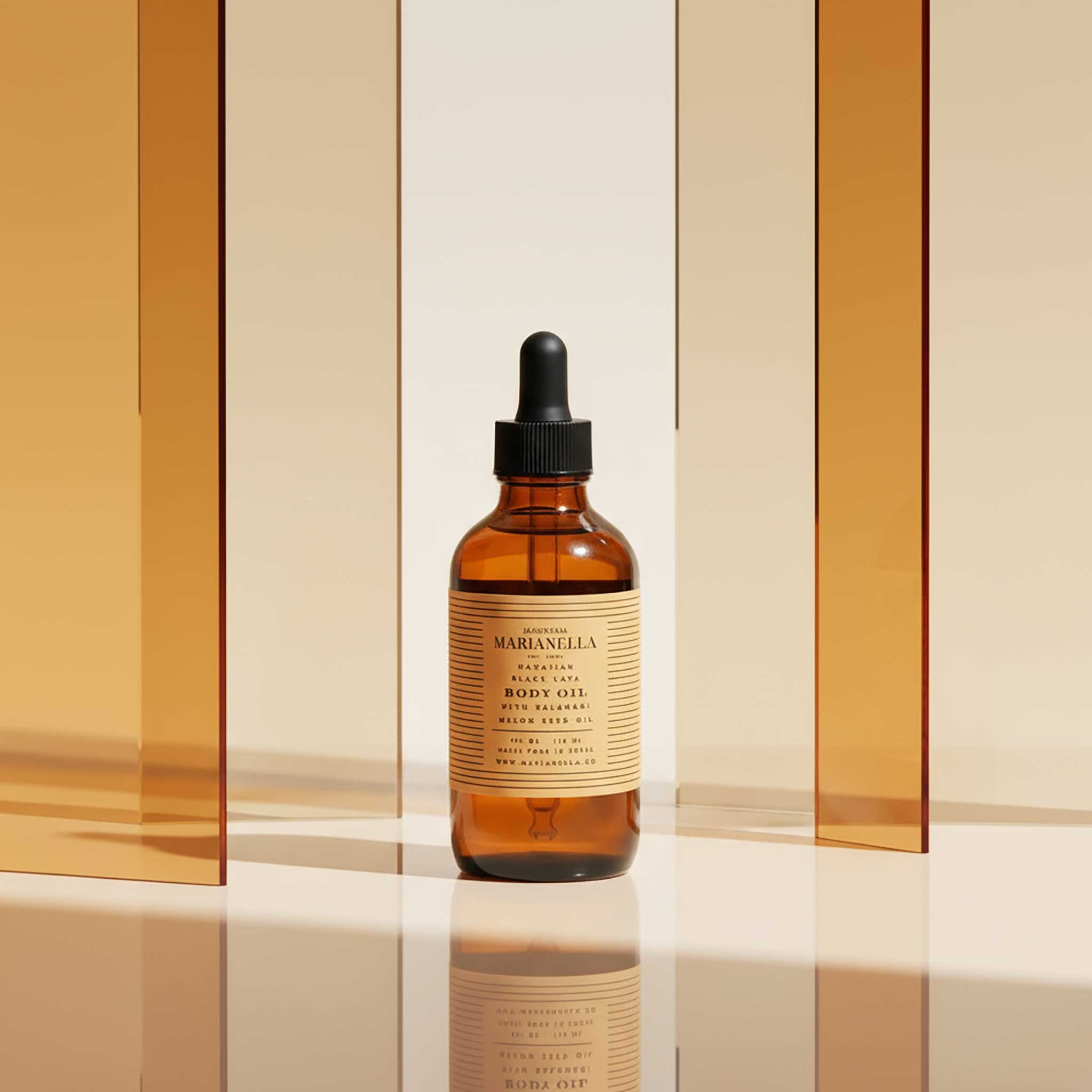
This is where formulation expertise changes the outcome. Marianella has been handcrafting in Brooklyn since 2007, drawing on three generations of Venezuelan botanical knowledge to understand not just which ingredients work, but how they work together. Across 82 products, that philosophy applies directly to how high-activity botanicals like olive oil are selected, sourced, and combined. Sourcing grade matters. The difference between commodity olive oil and high-phenolic EVOO in a finished formula is not cosmetic. It is functional.
Venezuelan Botanical Tradition and the Mediterranean Ingredient
Venezuela sits at a convergence of tropical and Mediterranean botanical influences. Founder Marianella Capriles Giorgi brought that sensibility to Brooklyn over 18 years ago, building a line where Old World ingredients like olive oil are paired with South American actives in formulas that reflect a genuinely global botanical literacy. The People Magazine Star Beauty Award, placements in Vogue, Oprah, Forbes, and Allure, and availability at Bloomingdale's BEAUTYSPACE reflect an approach to formulation that does not simplify ingredients for marketing convenience.
Olive oil is not in the Marianella lineup because it photographs well or because the category is popular. It is there because the science supports it and because it has been a cornerstone of serious skincare for generations.
Best Olive Oil Skincare Products 2026: What to Look For
When evaluating any olive oil skincare product in 2026, the key questions are straightforward. Is the olive oil EVOO-grade or refined? What is the concentration relative to the rest of the formula? What other actives does it work alongside? And is the formulation approach preserving the polyphenol fraction, which is the most bioactively significant and the most vulnerable to processing?
A 2025 review summarizes how olive-derived polyphenols, especially hydroxytyrosol, offer antioxidant, anti-inflammatory, photoprotective, and barrier-supporting actions relevant to skincare, positioning hydroxytyrosol as a high-value cosmeceutical ingredient aligned with clean and circular-economy trends. The clean beauty movement and the clinical research are, for once, pointing in the same direction.
Using these polyphenols in skincare products responds to a growing demand for beauty solutions that are both effective and environmentally friendly. More and more consumers are looking for skincare products based on natural ingredients without side effects, and extra virgin olive oil offers a compelling answer.
Who Benefits Most From Olive Oil Skincare
The research consistently points to a few skin profiles where olive oil for skin delivers the clearest results. The benefits are especially pronounced in mature or sensitive skin types. Dry skin benefits from both the emollient action of oleic acid and the barrier-supporting role of squalene. Skin showing early signs of aging benefits from the polyphenol fraction's effect on collagen synthesis and oxidative defense.
Those with oily or acne-prone skin should approach with more care. Olive oil rates as moderately comedogenic, meaning it can clog pores in some people. Research shows oleic acid may contribute to acne formation, especially in those already prone to breakouts. In a well-formulated product, concentration and pairing ingredients manage this. In a raw application of undiluted oil, the risk is higher.
The Science Keeps Catching Up to the Tradition
What the botanical traditions of the Mediterranean, and Venezuela, understood empirically, science is now confirming with clinical precision. Olive oil is not simply nourishing in some vague, general sense. It contains specific molecules, oleocanthal, hydroxytyrosol, oleuropein, squalene, alpha-tocopherol, that have documented mechanisms of action on skin tissue. The wrinkle reduction data, the hydration studies, the UVA protection research, and the collagen synthesis findings are not preliminary anymore. They are a body of evidence.
Eighteen years of formulation at Marianella means working with ingredients like olive oil not as commodities but as complex botanical systems. The brand's presence at Bloomingdale's BEAUTYSPACE and its recognition from Vogue to Allure reflect what happens when heritage knowledge and rigorous formulation work in the same direction.
Explore the full Marianella collection to see how olive oil and other high-activity botanicals are formulated for real, measurable results.
```

Leave a comment
This site is protected by hCaptcha and the hCaptcha Privacy Policy and Terms of Service apply.