

Sunflower Seed Oil Skincare Benefits: What the Science Actually Shows
Sunflower seed oil skincare benefits are backed by decades of peer-reviewed research, not marketing copy. A light, golden oil pressed from the seeds of the Helianthus annuus plant, it is naturally rich in linoleic acid and vitamin E, supporting a healthy skin barrier, calming visible dryness, and absorbing quickly without a greasy feel. It performs across skin types, it compounds well with other botanicals, and it earns its place in serious formulations. In 2026, it remains one of the most studied plant-derived oils in dermatology.
What Is Sunflower Seed Oil?
The seeds of the plant Helianthus annuus are cold-pressed to extract the oil, which is rich in fatty acids including linoleic acid and oleic acid, and is also a notable source of vitamin E. The oil contains high levels of linoleic acid, ranging from 44 to 72 percent, an omega-6 fatty acid naturally present in the skin's own sebum. That biological compatibility is a large part of why it works so efficiently on skin, rather than sitting on the surface or disrupting the lipid matrix that holds the barrier together.

It carries a comedogenic rating of 0, meaning it is unlikely to clog pores. Its lightweight texture and barrier-repairing properties make it suitable for acne-prone and combination skin. That profile is rare. Most oils that repair this effectively are too heavy for oily or breakout-prone skin. Sunflower seed oil does not ask you to compromise.
The Skin Barrier Science Behind Sunflower Seed Oil for Skin
The effectiveness of sunflower seed oil lies in its high concentration of linoleic acid, an omega-6 essential fatty acid that is a fundamental component of the skin's stratum corneum, the outermost layer that acts as a protective barrier. When that layer is compromised, moisture escapes, irritants penetrate, and the inflammatory cascade begins. Replenishing its lipid components interrupts that process at the source.
By supporting the synthesis of ceramides, linoleic acid helps to reinforce this barrier, significantly improving the skin's ability to retain moisture and resist external aggressors. Sunflower seed oil supports skin health by restoring lipid bilayer organization, modulating ceramide synthesis, and activating peroxisome proliferator-activated receptor-alpha (PPAR-α). These mechanisms reinforce barrier integrity while facilitating transdermal delivery of active agents.
Transepidermal Water Loss: The Key Metric
Transepidermal water loss (TEWL) is the clinical benchmark for barrier integrity. It measures how much moisture escapes through the skin's surface. A 2019 study found that a 20% sunflower seed oil cream effectively reduced transepidermal water loss and improved eczema in children with mild atopic dermatitis. Sunflower seed oil has been used topically in the treatment of essential fatty acid deficiency, rapidly reversing the disease with its excellent transcutaneous absorption. These essential fatty acids can help maintain the skin barrier and decrease transepidermal water loss, both important features in addressing conditions such as atopic dermatitis.
Anti-Inflammatory Mechanisms
The linoleic acid in sunflower oil induces inhibition of the NF-κB pathway involved in the inflammation process, thereby reducing the production of pro-inflammatory cytokines such as TNF-α. The correlation between the application of sunflower oil and clinical manifestations of atopic skin suggests it could be useful for soothing certain skin conditions.
Vitamin E, a potent fat-soluble antioxidant present in sunflower seed oil, combats oxidative stress by neutralizing free radicals, which are unstable molecules that can damage skin cells and accelerate aging. This antioxidant power helps protect the skin from environmental stressors such as UV radiation and pollution.
Clinical Evidence: How Strong Is the Research?
The evidence base for sunflower seed oil extends well beyond cosmetic claims. A study of 497 pre-term infants deemed high-risk for sepsis were given three-times-daily application of sunflower seed oil versus a petroleum-based moisturizer versus standard of care. Sunflower seed oil reduced sepsis by 41 percent, with a 26 percent reduction in mortality. No adverse events were reported, suggesting that sunflower seed oil is safe even in the most vulnerable premature infants.
A study with 19 volunteers which contrasted the benefits of topically applied sunflower oil to olive oil found that sunflower oil was more effective at improving skin hydration and maintaining the integrity of the skin's outer layer. 2018 research showed that sunflower oil could improve skin hydration in adults without causing irritation. These are not preliminary findings. They are a consistent body of evidence accumulated over multiple decades, across populations and skin types.
What It Means for Cosmetic Formulation
The extraction method plays a crucial role in preserving these beneficial compounds. Low-temperature or cold-pressed extraction methods are preferred, as they retain the integrity of the delicate fatty acids and vitamins. A well-sourced, cold-pressed sunflower seed oil in the right formulation concentration is a materially different ingredient than a refined, heat-processed version. The chemistry is not interchangeable.
A systematic review highlights antioxidant tocopherols and soothing phytosterols as key active components in cosmetic use. Beyond linoleic acid and vitamin E, sunflower seed oil also contains oleic acid for softness and glide, palmitic and stearic acids for conditioning and stability, phytosterols to comfort and soothe the appearance of irritation, and squalene as a lightweight emollient. The full fatty acid profile is a formulator's asset, not just one headline compound.
Sunflower Seed Oil for Skin: Who Benefits Most
Dry and Compromised Skin
The high linoleic acid and vitamin E content help soften rough patches, smooth texture, and reduce feelings of tightness caused by dryness. For skin that has been stressed by climate, over-exfoliation, or chronic barrier disruption, the ceramide-supporting activity of linoleic acid works structurally, not just cosmetically. It rebuilds, rather than coating over the problem.
Oily and Acne-Prone Skin
Sunflower oil is lightweight, non-comedogenic, and easily absorbed, making it ideal even for oily or acne-prone skin. It moisturizes without clogging pores and helps restore the skin's natural lipid profile, especially when the barrier has been compromised. This matters particularly for skin that has been stripped by aggressive actives or harsh cleansers.
Sensitive Skin
Sunflower seed oil is gentle and well tolerated by most skin types, including sensitive skin, due to its soothing fatty acids and vitamin E content. Sunflower-based formulations relieve eczema and inflammation, helping to calm the skin and reduce sensitivity. That gentleness is structural. It reflects the oil's biocompatibility with skin's own lipid chemistry.
Sunflower Seed Oil in Body Care: Formulation Matters
Sunflower seed oil in a body scrub is not an afterthought. When paired with physical exfoliants, it performs two functions simultaneously. It helps the scrub glide without friction-related irritation, and it deposits a film of barrier-restoring lipids on freshly cleared skin, where absorption is at its most efficient. That sequencing is deliberate in well-designed formulations.
At Marianella, 18 years of small-batch formulation in Brooklyn, built on three generations of Venezuelan botanical beauty knowledge, inform how ingredients like sunflower seed oil are deployed. It is not simply added for texture. It is positioned where the skin is most receptive and where its fatty acid profile can do the most structural work.
Best Sunflower Seed Oil Products 2026: The Marianella Edit
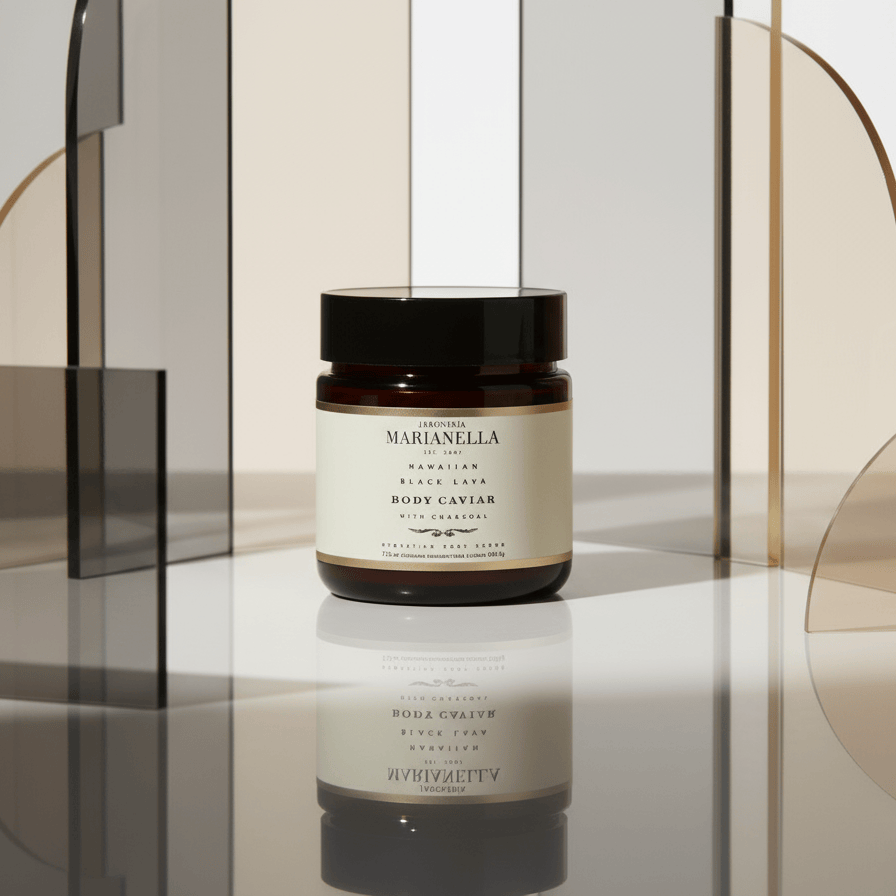
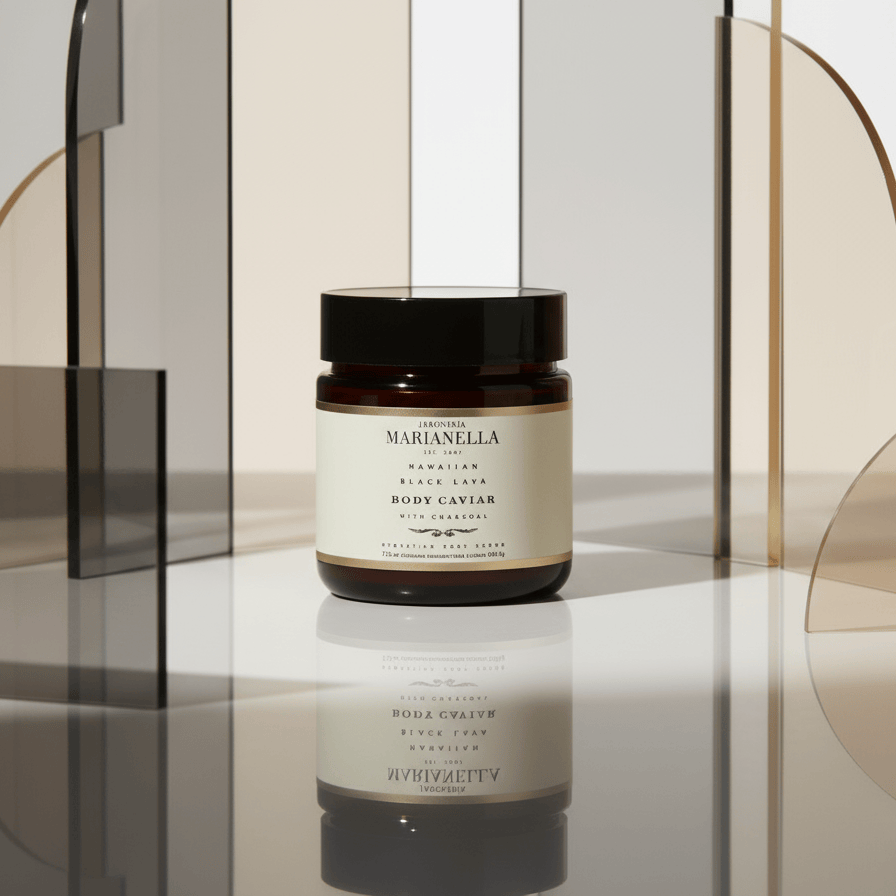
Hawaiian Black Lava Body Caviar Body Scrub with Charcoal
Sunflower seed oil anchors the emollient base of the Hawaiian Black Lava Body Caviar Body Scrub with Charcoal. The formulation pairs the oil's barrier-restoring linoleic acid with activated charcoal's drawing and clarifying properties, creating a scrub that exfoliates and conditions in a single step. Skin is cleared of buildup, and the lipid replenishment from sunflower seed oil begins immediately on the fresh surface beneath. $34.
It is the kind of body care that earned Marianella a People Magazine Star Beauty Award, coverage in Vogue, Forbes, and Oprah, and a place at Bloomingdale's BEAUTYSPACE. Not because of clever positioning, but because the formulations work, and the ingredient decisions behind them are grounded in science.
How to Use Sunflower Seed Oil in Your Skincare Routine
Sunflower seed oil is more beneficial in skincare formulations, especially pH-balanced products, rather than raw application. In a well-structured routine, products that contain it in calibrated concentrations alongside complementary ingredients will outperform applying the raw oil directly. The formulation context matters.
For body care specifically, apply to damp skin after cleansing to improve absorption. With scrub formulations like the Hawaiian Black Lava Body Caviar, use in the shower on wet skin, work in circular motions, and rinse thoroughly. The sunflower seed oil conditions as the charcoal and exfoliants do their work.
The Ingredient in Context
Sunflower seed oil for skin is not a trend ingredient. Natural oils have been used as topical treatments for skin from the earliest recorded history. Sunflowers are native to the southwest and have been used as food, medicine, and for ornamental purposes for generations. What 2026 adds to that history is a clinical evidence base comprehensive enough to satisfy dermatologists and formulators simultaneously.
Marianella's 82 products across face, body, and home reflect a formulation philosophy that starts with ingredients like this. Botanically rooted. Scientifically supported. Made in small batches in Brooklyn with the precision that inherited knowledge and nearly two decades of expertise produce.
The full collection is available at marianella.co and at Bloomingdale's BEAUTYSPACE.
```

Leave a comment
This site is protected by hCaptcha and the hCaptcha Privacy Policy and Terms of Service apply.