


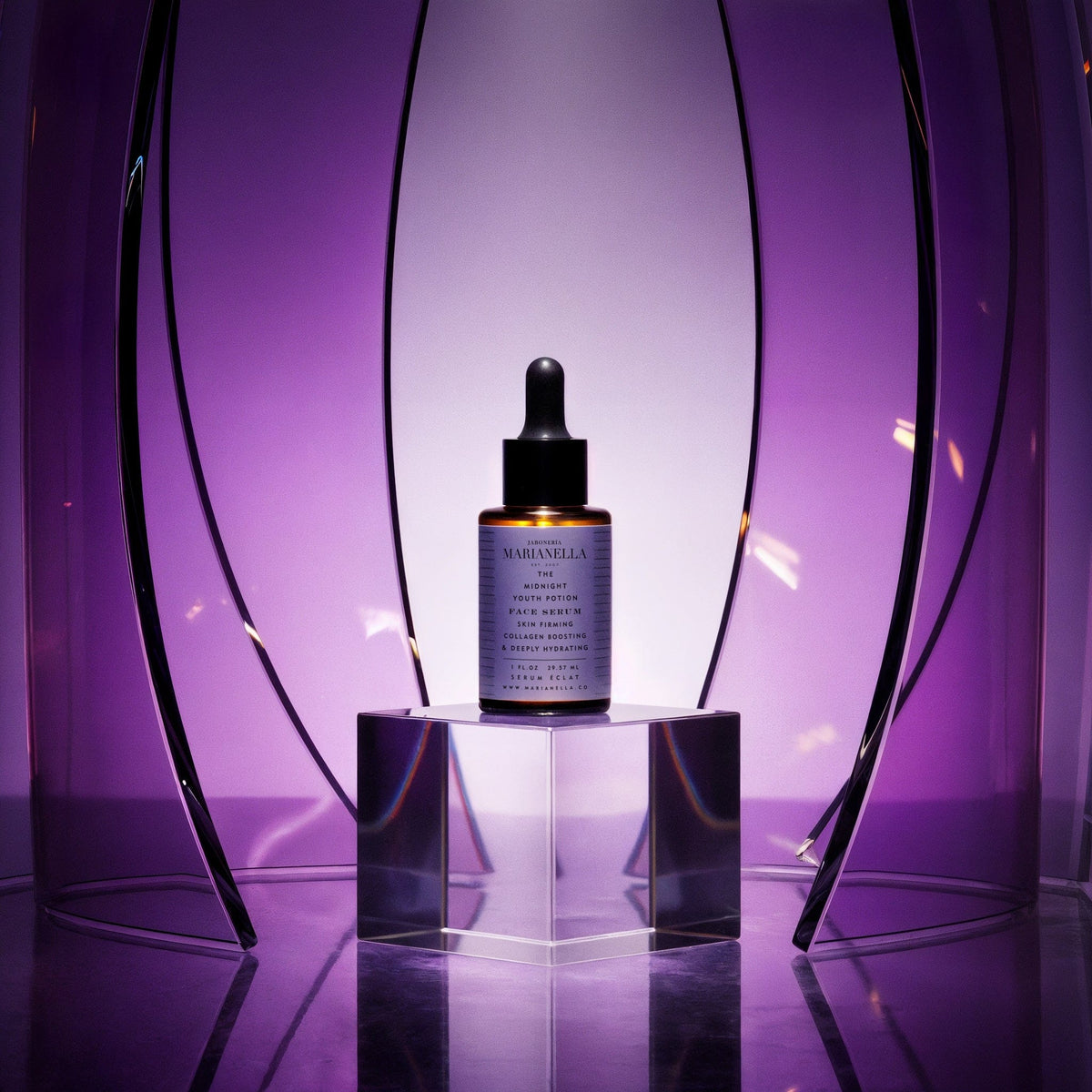
Marula oil is not better or worse than argan oil. It is different: marula is mostly oleic acid, which makes it richer and more cushiony, while argan is closer to an even split of oleic and linoleic acids, which makes it feel lighter and drier. That difference is why marula suits dry, tight skin best, why oilier skin often prefers lighter oils, and why we use marula and argan together in our body oils rather than choosing one.
This is a comparison of marula with argan and the other plant oils we use, read through their fatty acids, and what that means for choosing one.
Oleic and linoleic, in plain terms
Most plant oils are made largely of a few fatty acids, and two matter most for how an oil feels.
Oleic acid is a monounsaturated fatty acid. Oils rich in it tend to feel softening, comforting and a little richer. They suit skin that is dry, tight or mature.
Linoleic acid is one of the fatty acids skin cannot make for itself, and part of what keeps its outer layer supple. Oils rich in it tend to feel lighter and drier and absorb quickly. Many people with combination, oily or blemish-prone skin prefer them.
Neither is "good" or "bad". An oil's balance of the two is mostly a guide to how it will feel, and to which skin will like it.
Marula and argan, side by side
Marula oil is roughly 70 percent oleic acid, with about 15 percent palmitic acid and under 10 percent linoleic acid. Argan oil is roughly 45 percent oleic and 35 percent linoleic, with the rest mostly palmitic and stearic acids.
- Feel. Marula is velvety and cushiony. Argan is medium in weight with a dry touch and a soft, non-greasy finish.
- Who it suits. Marula is the stronger choice for skin that feels dry, tight or dehydrated. Argan's more even balance makes it a comfortable all-rounder.
- Stability. Marula is unusually stable for a plant oil and slow to turn rancid, which helps it keep well.
- Origin. Marula comes from the kernels of a southern African fruit; argan from the kernels of the argan tree fruit of south-western Morocco.
The surprise with marula is that, for an oil so high in oleic acid, it sinks in quickly and leaves no film. That is what makes it wearable on the face as well as the body.
How marula compares with other oils we use
- Kalahari melon seed oil, our hero ingredient, is the opposite of marula in balance: rich in linoleic acid, light, dry to the touch and quick to absorb.
- Grapeseed oil is also rich in linoleic acid, very light and thin.
- Apricot kernel oil is rich in oleic acid like marula, silky and easily spread.
- Plum seed oil is rich in both oleic and linoleic acids, light to medium in weight.
- Squalane is not a fatty acid oil at all, which is why it feels almost weightless and is exceptionally stable.
You can read about each of these, and which of our products contain them, in our Ingredient Library.
Why we blend them in our body oils
The fatty acid differences are why we rarely rely on one oil for the body. Our Imperial Jade Body Oil combines marula for nourishing oleic acid, Kalahari melon seed and grapeseed for lightness and linoleic acid, argan for a balance of both, and mongongo for a dry, silky touch, finished with vitamin E. The result glides on like silk and sinks in without a tacky film, which no single one of those oils does as well on its own.
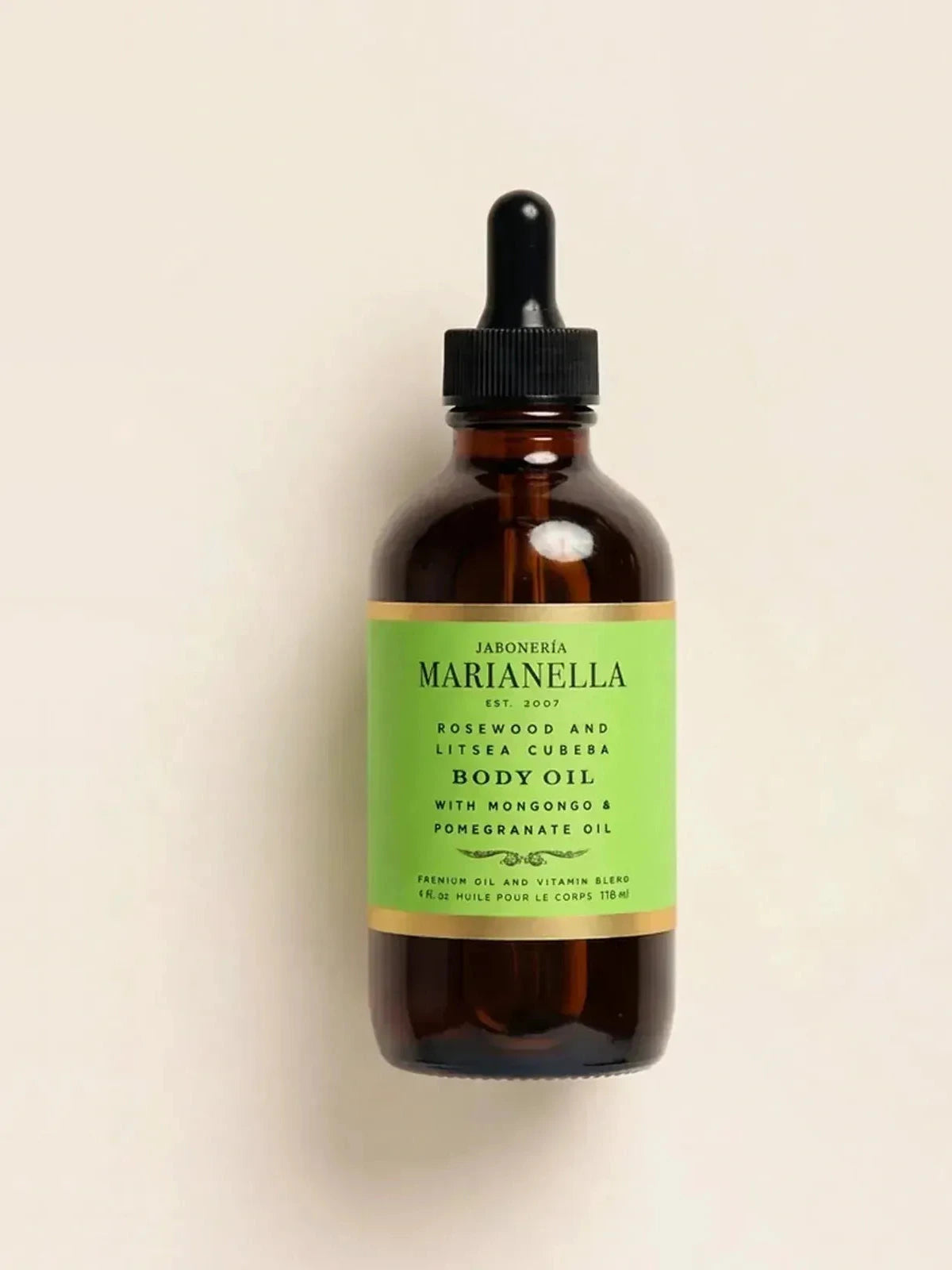
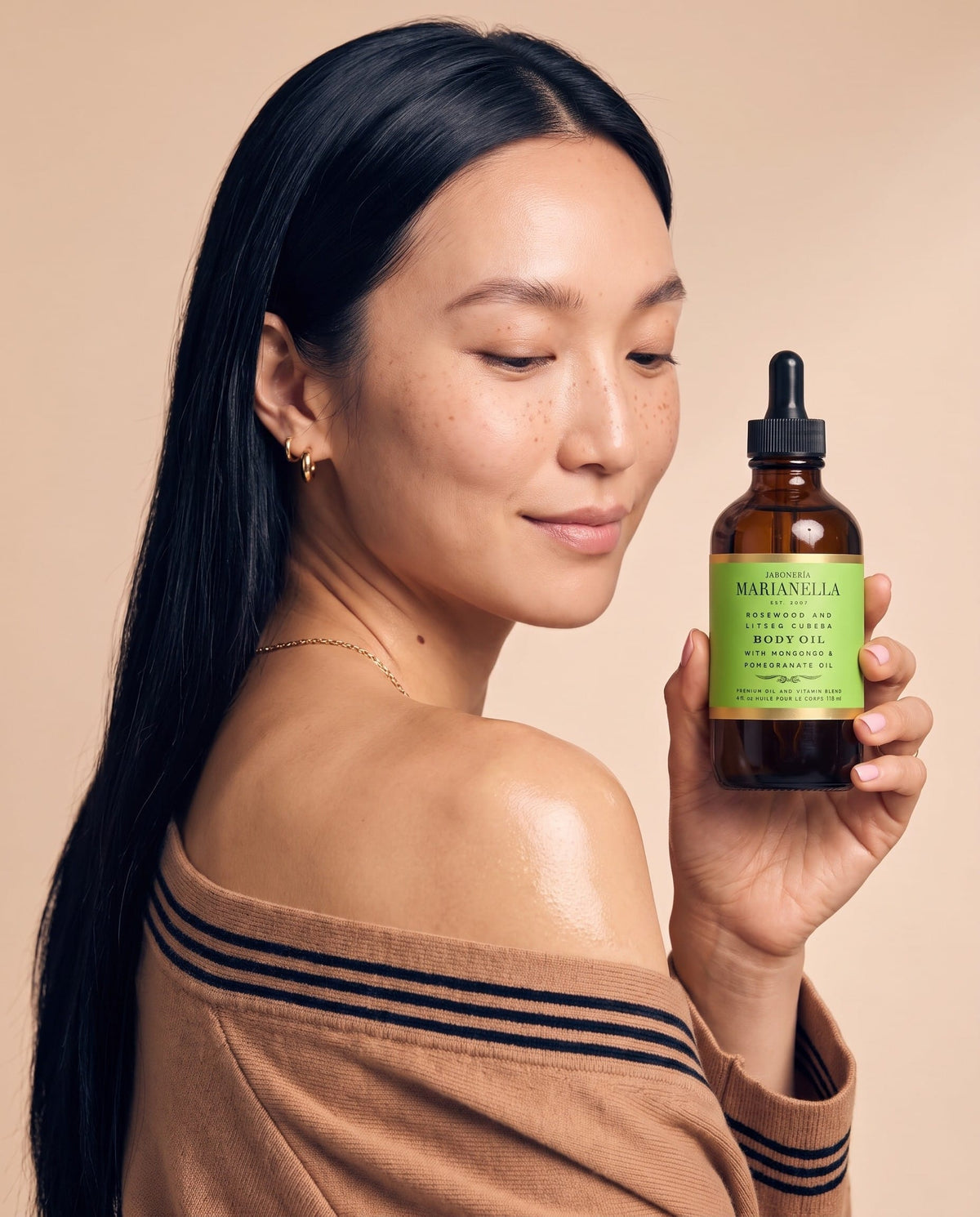
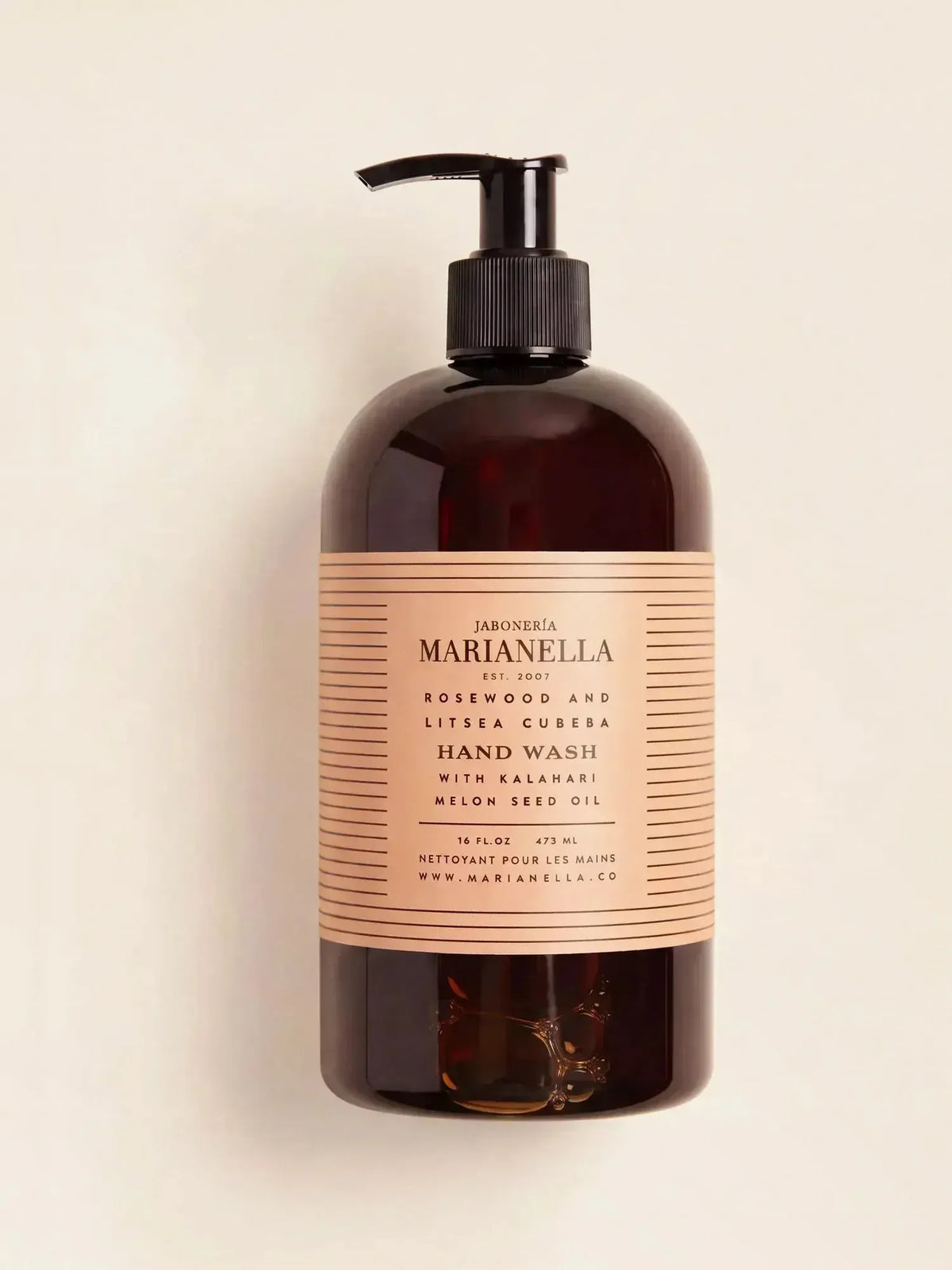
The Rosewood and Litsea Cubeba Imperial Jade Body Oil takes a slightly different route, built on light grape seed and apricot kernel oils, with marula and argan for suppleness, plus pomegranate seed oil and mongongo.


On the face, one oil at a time
For the face we take the opposite approach and keep each oil pure, so you can choose by feel. Our Marula Face Oil is 100% marula seed oil with no added fragrance, the richest-feeling of our pure face oils for dry or mature skin that feels tight. If you want something lighter, our Face Oil Collection puts it beside squalane, rosehip, plum and sea buckthorn, so you can wear one, blend two, or rotate them through the week.
Choosing by skin, not by ranking
Lists that crown one oil the best miss the point. A better question is how your skin feels at the end of the day. Tight and dry points toward an oleic oil like marula. Slightly shiny points toward a lighter, more linoleic oil or toward squalane. Somewhere in between is a good case for a blend, or for marula at night and something lighter in the morning.
Questions about marula and other oils
Is marula oil better than argan oil?
Neither is better overall. Marula is richer and suits dry, tight skin best; argan is more evenly balanced and suits a wider range of skin as an everyday oil.
Why do your Imperial Jade body oils contain both marula and argan?
Because they do different jobs. Marula brings nourishing oleic acid and cushion, argan a balanced, smooth finish, and together with lighter oils they sink in fast without a tacky film.
What is the difference between oleic and linoleic acid?
Both are fatty acids found in plant oils. Oils rich in oleic acid feel softer and richer; oils rich in linoleic acid feel lighter and drier and absorb quickly.


















Dejar un comentario
Este sitio está protegido por hCaptcha y se aplican la Política de privacidad de hCaptcha y los Términos del servicio.