


Coconut oil is a rich, mostly saturated plant oil pressed from the dried kernel or fresh meat of the coconut, and on skin it does two things well: it softens, and it slows the loss of water from the surface so skin feels less dry. It belongs in a routine mainly on the body, after a shower, and on the face mainly in rinse-off products such as a cream cleanser. Here is what the oil is made of, how it behaves, and how to use it well.
Where coconut oil comes from
The oil is pressed from the white flesh of the coconut, either fresh or dried into what is called copra. Coconut palms grow along tropical coasts around the world, and the oil has been used for cooking, hair and skin wherever they grow. It is one of the oldest cosmetic oils there is.
You will see two main grades. Virgin coconut oil is pressed from fresh coconut without bleaching or deodorizing, so it keeps its coconut smell and more of its natural antioxidants, such as ferulic and p-coumaric acids. Refined coconut oil is cleaned up after pressing, which leaves it nearly scentless and mild, the version most often used in soapmaking and in products where the coconut smell would compete with a fragrance.
What it is made of
Coconut oil is unusual among plant oils because it is dominated by medium-chain fatty acids, which make up about two thirds of it. The largest is lauric acid, at a little under half of the total, followed by myristic acid at around a sixth. Most plant oils, by contrast, are built mainly from longer fatty acids such as oleic and linoleic acid.
That profile explains its behavior:
- It is solid when cool. Below about 24 degrees Celsius, roughly 75 degrees Fahrenheit, coconut oil turns white and firm. In the hand it melts to a light, clear oil.
- It is stable. Saturated fats resist going rancid, so coconut oil keeps well in a formula without turning stale.
- It lathers. When coconut oil is made into soap, lauric acid is what gives that fast, bubbly, generous foam.
What it does on skin
Coconut oil is an emollient: it fills in the small gaps between dry surface cells and leaves skin feeling smooth and soft. It also forms a light layer that slows the evaporation of water from the skin, so skin stays hydrated for longer after a bath or shower. One study measured skin moisture readings roughly doubling after two weeks of daily use, with further gains by four weeks, which matches what most people notice: skin that feels less tight and looks less flaky.
What it does not do is add water. Like any oil, it holds in the moisture that is already there. That is why it works best on damp skin, and why many moisturizers pair it with water-binding ingredients such as aloe and glycerin.
Which skin it suits
Dry and normal body skin is where coconut oil shines. Arms, legs, elbows, knees and heels all take a rich oil well, and the body is generally less prone to clogged pores than the face.
Dry facial skin can often handle it in small amounts, especially as part of a blend with lighter oils.
Oily and blemish-prone facial skin is where to be careful. Coconut oil is one of the oils most often linked with clogged pores when it is left on the face, and on oily skin it can simply feel too heavy. A rinse-off cleanser is a better way to enjoy it.
Coconut oil is generally well tolerated, but some people with tree-nut allergies avoid it. Patch test if you are unsure.
How to use it in your routine
On the body
Apply it straight after a bath or shower, while skin is still damp, so the oil can seal in the water that is there. Warm a little between your palms first if it has firmed up. A body cream made with coconut oil, such as our Rejuvenating Body Cream, does the same job with a lighter feel, since it also contains aloe and glycerin.
On the face
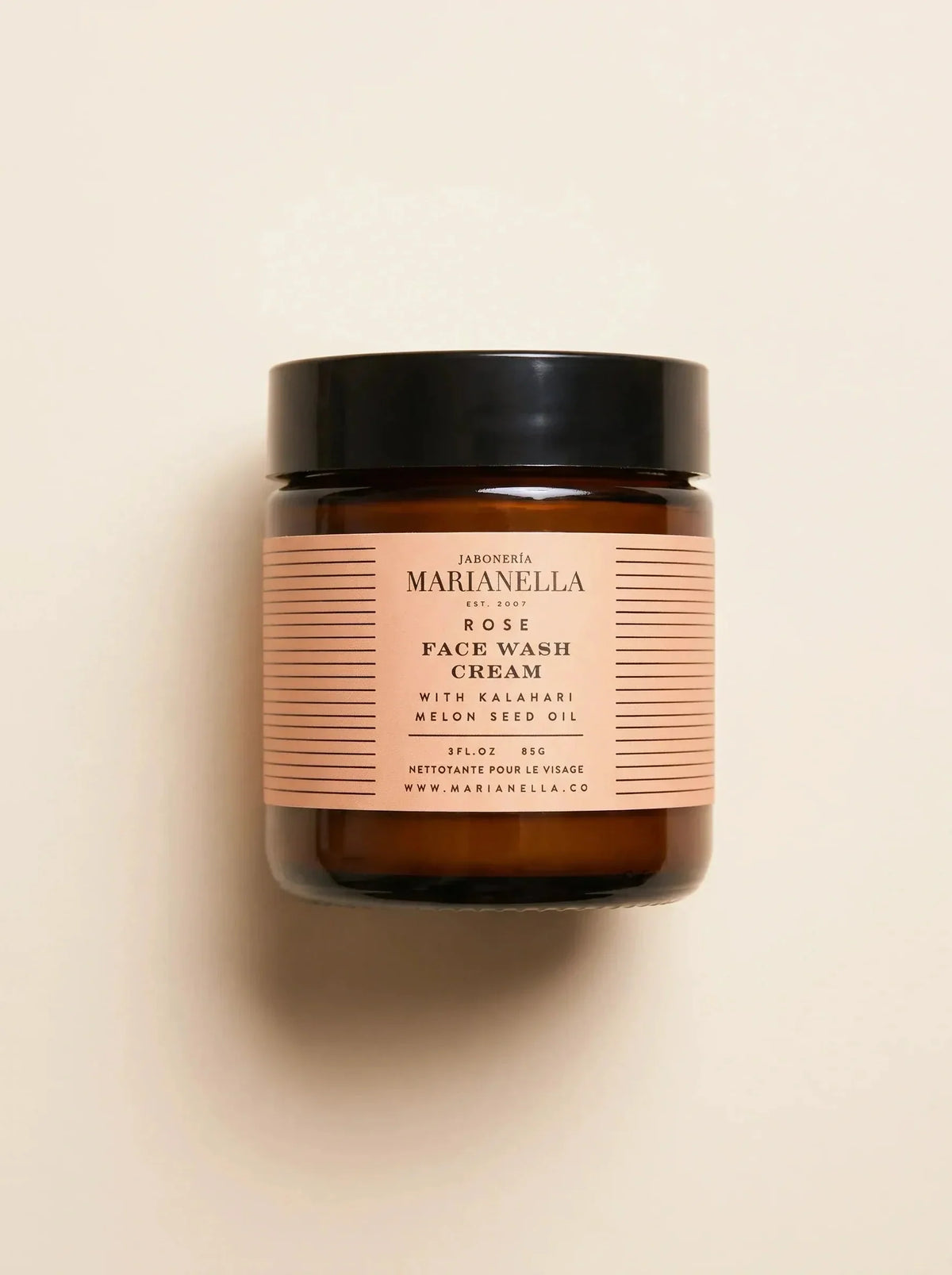
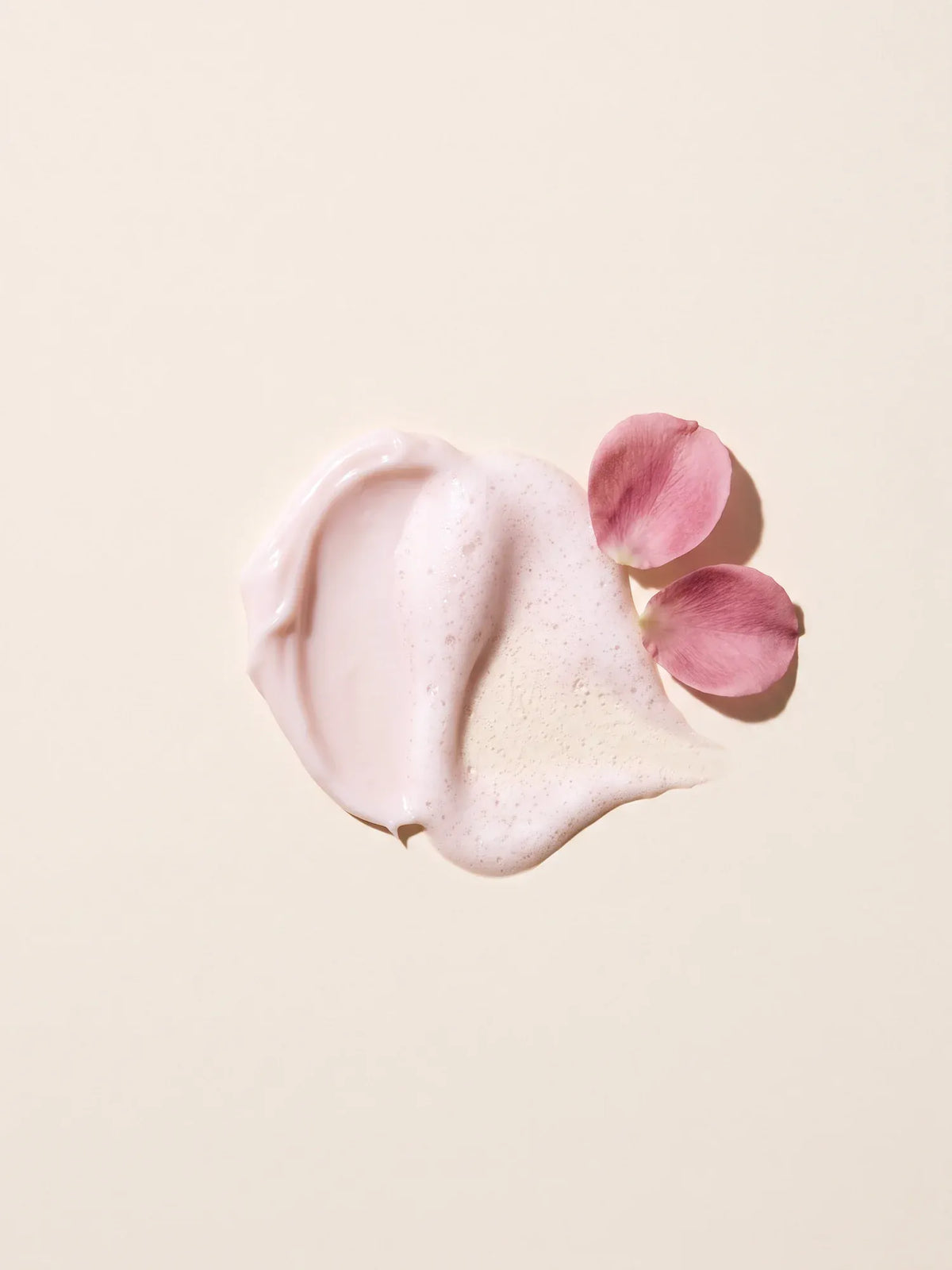
Use it in a cleanser rather than as a leave-on oil, unless your skin is dry and you know it tolerates rich textures. Our Rose Face Wash Cream is a creamy wash made with rosehip seed, argan, coconut and Kalahari melon seed oils: you massage it into damp skin and rinse, and skin feels clean and soft rather than tight.
In the shower
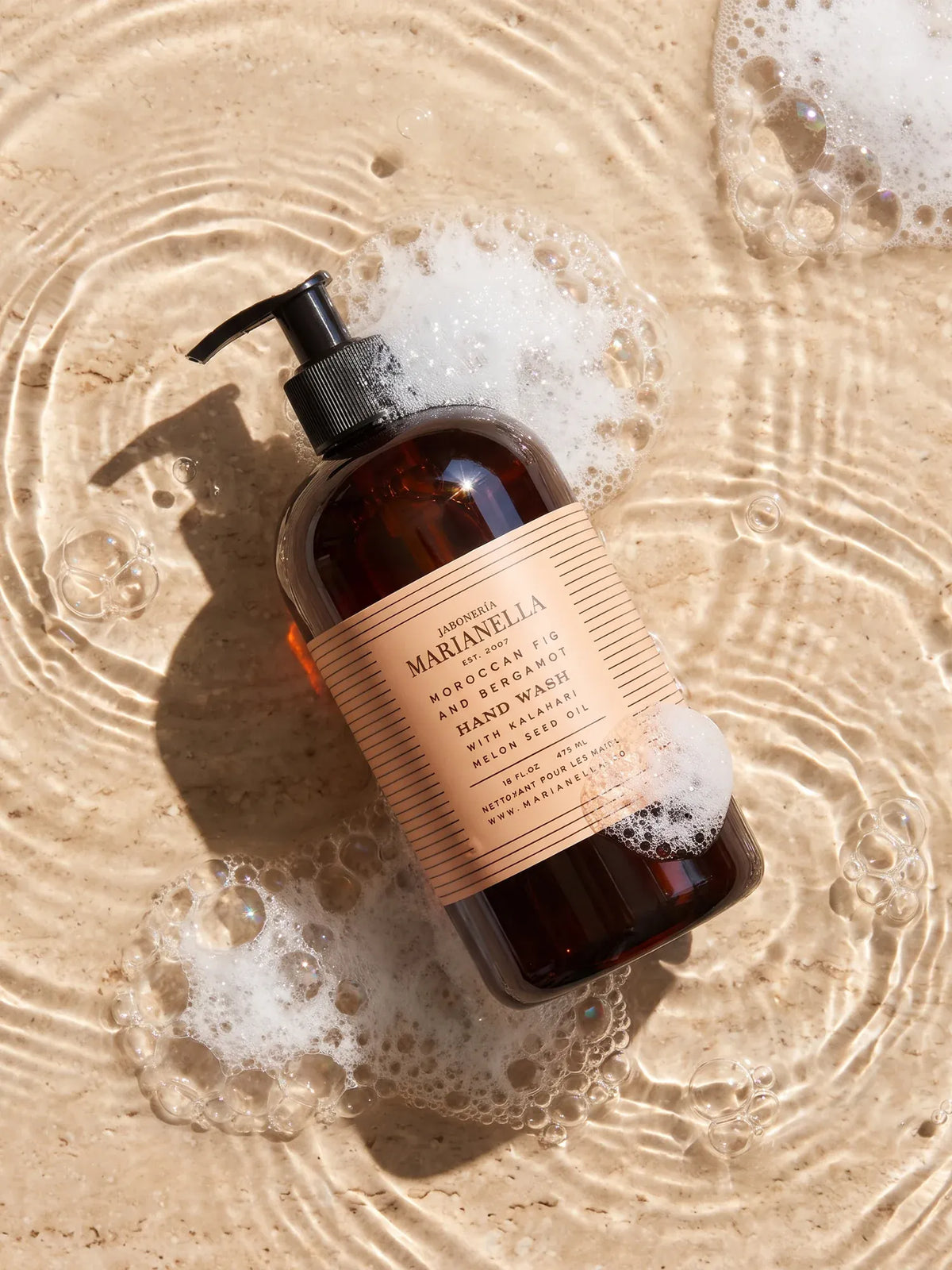
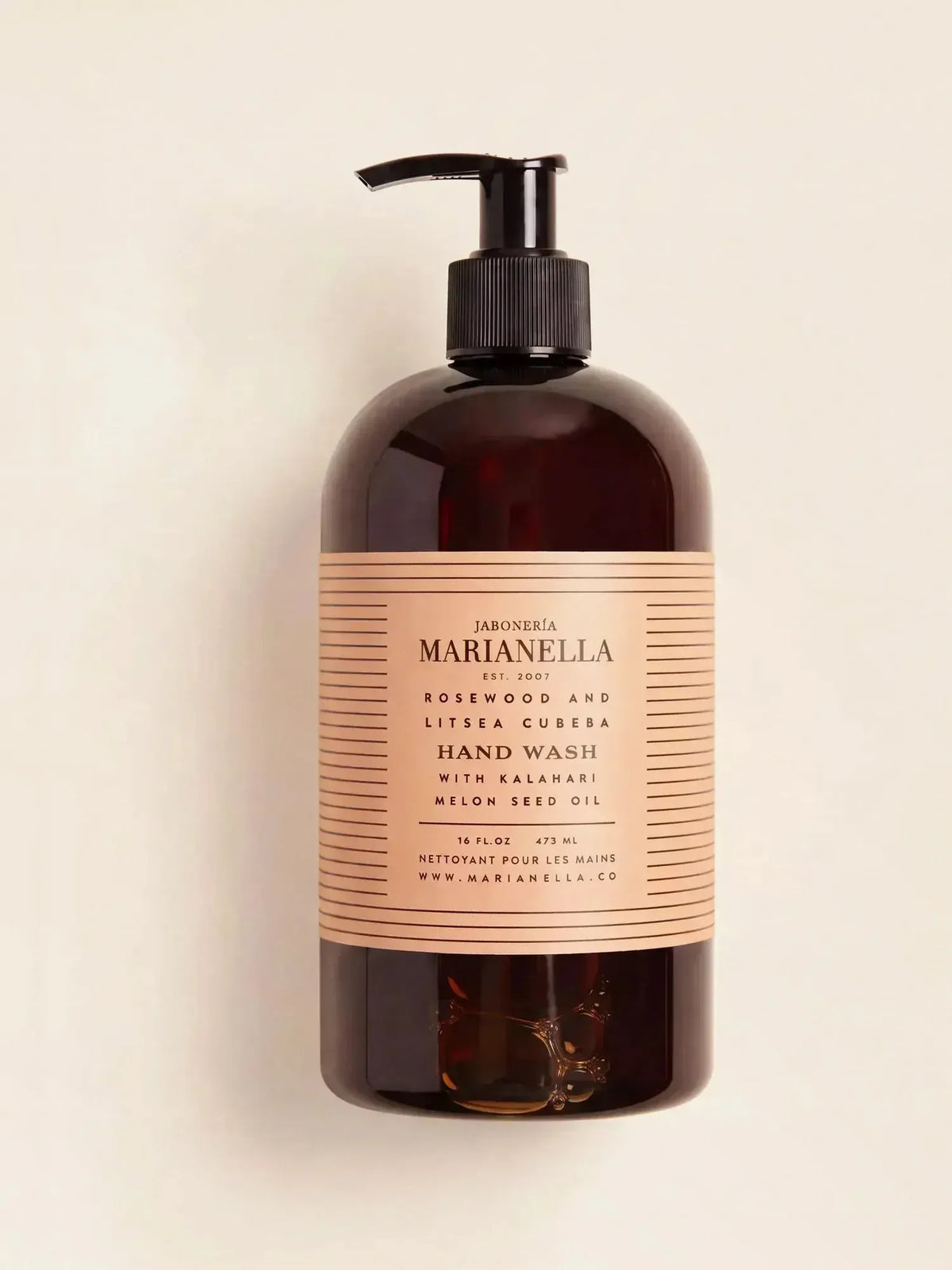
Coconut oil shows up most often in soap, and it is a big reason a good liquid soap lathers as well as it does. You get its softening touch for the few moments it is on your skin, then it rinses away.
In a scrub
Salt or sugar suspended in oil gives you two steps in one: the grains polish rough skin, and the oil leaves a soft layer behind once you rinse. Use a body scrub on wet skin, from the neck down, a few times a week.
Questions about coconut oil on skin
Is coconut oil solid or liquid?
Both. It is solid below about 24 degrees Celsius (75 degrees Fahrenheit) and melts to a clear oil above that, including in your hand.
What is lauric acid?
It is the main fatty acid in coconut oil, making up a little under half of it. It is what gives coconut soap its rich lather and contributes to the oil's stability.
Should I use virgin or refined coconut oil?
Virgin keeps more of its natural antioxidants and its coconut smell; refined is milder and nearly scentless. Both soften skin well.
Is coconut oil good for oily skin?
On the face, usually not as a leave-on oil, since it can feel heavy and clog pores. In a rinse-off cleanser or on the body it is a different matter.



















Leave a comment
This site is protected by hCaptcha and the hCaptcha Privacy Policy and Terms of Service apply.