

Glycerin skincare benefits are well-documented, well-researched, and consistently underestimated. While peptides and vitamin C dominate the conversation, glycerin quietly does some of the most essential work in a formula: pulling water into the skin, supporting the barrier, and keeping cells plump enough that everything else can function properly. At Marianella, glycerin is a deliberate presence across our serums and night cream, not a filler. Here is what the science actually says about it.
What Is Glycerin?
Glycerin, also known as glycerol, is a natural compound derived from vegetable oils or animal fats. Its molecular formula is C3H8O3. It is a simple triol, meaning it carries three hydroxyl groups. Those three hydroxyl groups are the entire reason glycerin works: they form hydrogen bonds with water molecules, drawing and holding moisture at the skin surface and within the stratum corneum. Glycerin is a component of the skin's Natural Moisturizing Factor (NMF), which is the collection of compounds the skin naturally produces to maintain its own hydration. That means topical glycerin is not a foreign substance. It is supplementing something already native to skin biology.
Since its discovery by a Swedish chemist in 1779, glycerin has remained one of the most trusted skincare ingredients worldwide. It has been used in cosmetics for more than 50 years. What has changed is the depth of research behind it.
The Science Behind Glycerin for Skin
Humectancy: Drawing and Holding Water
Glycerin is a humectant, a type of moisturizing agent that pulls water into the outer layer of your skin from deeper levels of your skin and the air. This is its primary mechanism. According to a 2016 study, glycerin is "the most effective humectant" available to increase hydration on the top layer of skin, in comparison with numerous others, including alpha hydroxy acids like lactic acid and glycolic acid.

|
$84 |

|
$50 |

|
$112 |
The concentration used in a formula matters. Glycerin is an effective molecule already from 3%, and the benefits tend to increase up until 20 to 40%. Around 10%, glycerin hits a real sweet spot in terms of effects and usability. This amount still formulates into a relatively light, non-sticky formula while showing all the great therapeutic effects including effective moisturization with a reservoir effect, protecting against irritation, and maintaining a healthy skin barrier.
The Reservoir Effect
One of the most important findings in glycerin research is what scientists call the reservoir effect. A large-scale study done with 394 participants with dry skin compared two high-glycerin moisturizers to 16 other popular moisturizers on the market with less than 6% glycerin. The two high-glycerin ones won. They had superior, quick-acting hydrating properties and seemed to create a "reservoir" of moisture-holding ability in the skin, meaning that even after stopping use of the high-glycerin moisturizer, the skin stayed hydrated longer.
Studies show that certain levels of glycerin can penetrate the skin barrier and remain within the skin for continuous hydration for several days. For a serum or night cream formulated to work while you sleep or throughout the day, that kind of staying power is not incidental. It is the point.
Barrier Function and Beyond
Glycerin's role goes beyond simple moisture attraction. As newer studies examine glycerin, it turns out it is not just a simple humectant. It also handles osmoregulation, making sure the fluid between skin cells is neither too diluted nor too concentrated, and helps maintain the healthy state of cell membranes.
Glycerol enters the stratum corneum via the water/glycerol transporter aquaporin-3 in basal keratinocytes and also from the skin surface. Aquaporin-3-deficient mice have reduced stratum corneum water and glycerol levels, leading to lower skin elasticity and impaired barrier recovery. Interestingly, these abnormalities are corrected by glycerol administration and not by stratum corneum hydration alone. That is a significant distinction. It suggests glycerin's benefits are structural, not just surface-level.
Glycerol prevents damaging effects on the stratum corneum and leads to a more rapid reconstitution of the protective skin barrier following mechanical or chemical damage by generating stimulus for barrier repair. For anyone who uses active ingredients like retinol or exfoliating acids, glycerin is a logical counterbalance.
Hydration That Lasts 24 Hours
Research demonstrates that a single daily application of a fluid containing hyaluronic acid, glycerin, and Centella asiatica extract induced a long-lasting, up to 24-hour hydrating and moisturizing effect, while also improving skin barrier function in healthy women. This is consistent with how Marianella approaches formulation. Glycerin is rarely alone in a well-built formula. Paired with complementary actives, its effects compound.
One study revealed that 10% glycerin performed better than both 10% propylene glycol and 10% urea in providing skin hydration over three hours. Against two other established humectants, glycerin held its own. That is the kind of benchmarking that earns an ingredient a permanent place in serious skincare.
Why Glycerin Works for Every Skin Type
Glycerin is lightweight and noncomedogenic, making it compatible with all skin types, including dry and sensitive skin. It also plays well with other skincare ingredients, including retinol and alpha hydroxy acids. That compatibility is part of why glycerin appears across every category of formulation, from cleansers to concentrated serums to thick night creams.
Loss of skin hydration leads to skin dryness, wrinkling, sagging, and laxity. One of the most notable characteristics of glycerin is its ability to temporarily plump the look of skin and minimize the appearance of fine lines and wrinkles. Studies show that glycerin penetrates the skin and increases the water volume between cells to give skin a fuller, firmer appearance. This is not a marketing claim. It is a measurable, documented physiological response.
As glycerin draws moisture to the skin's surface, it fills in wrinkles for a smooth, soft feel and appearance. After water and fragrance, glycerin ranks as the third most commonly used ingredient in beauty products, and this prevalence is earned.
Glycerin in Marianella Formulas
Marianella has been handcrafting in Brooklyn since 2007. Over 18 years and 82 products across face, body, and home, the formulation approach has remained consistent: active ingredients chosen for documented performance, placed in structures designed to deliver them. Glycerin appears in the brand's most clinically oriented formulas because it earns its position in every context it enters. Three generations of Venezuelan botanical beauty knowledge inform how these ingredients are combined, not just whether to include them.
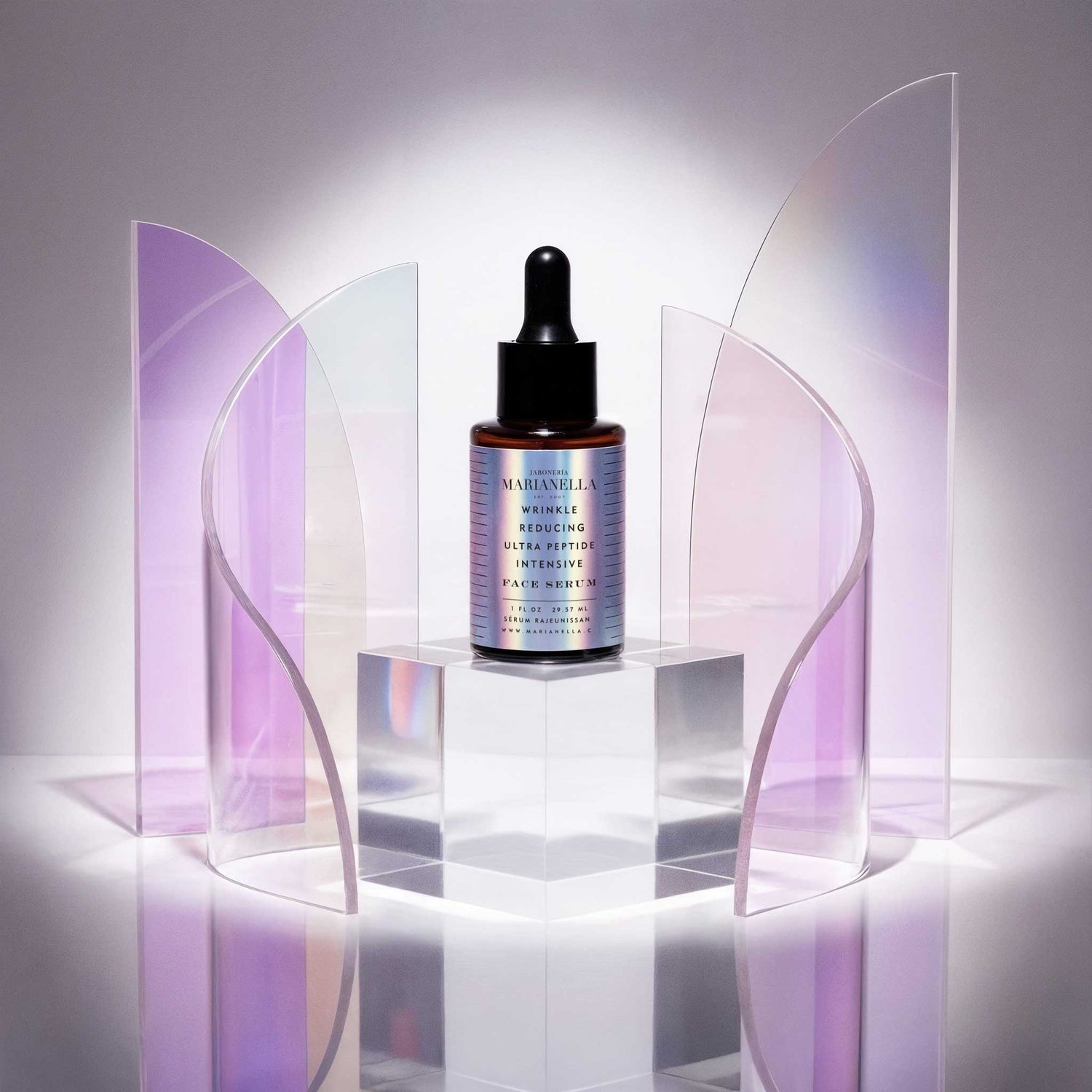
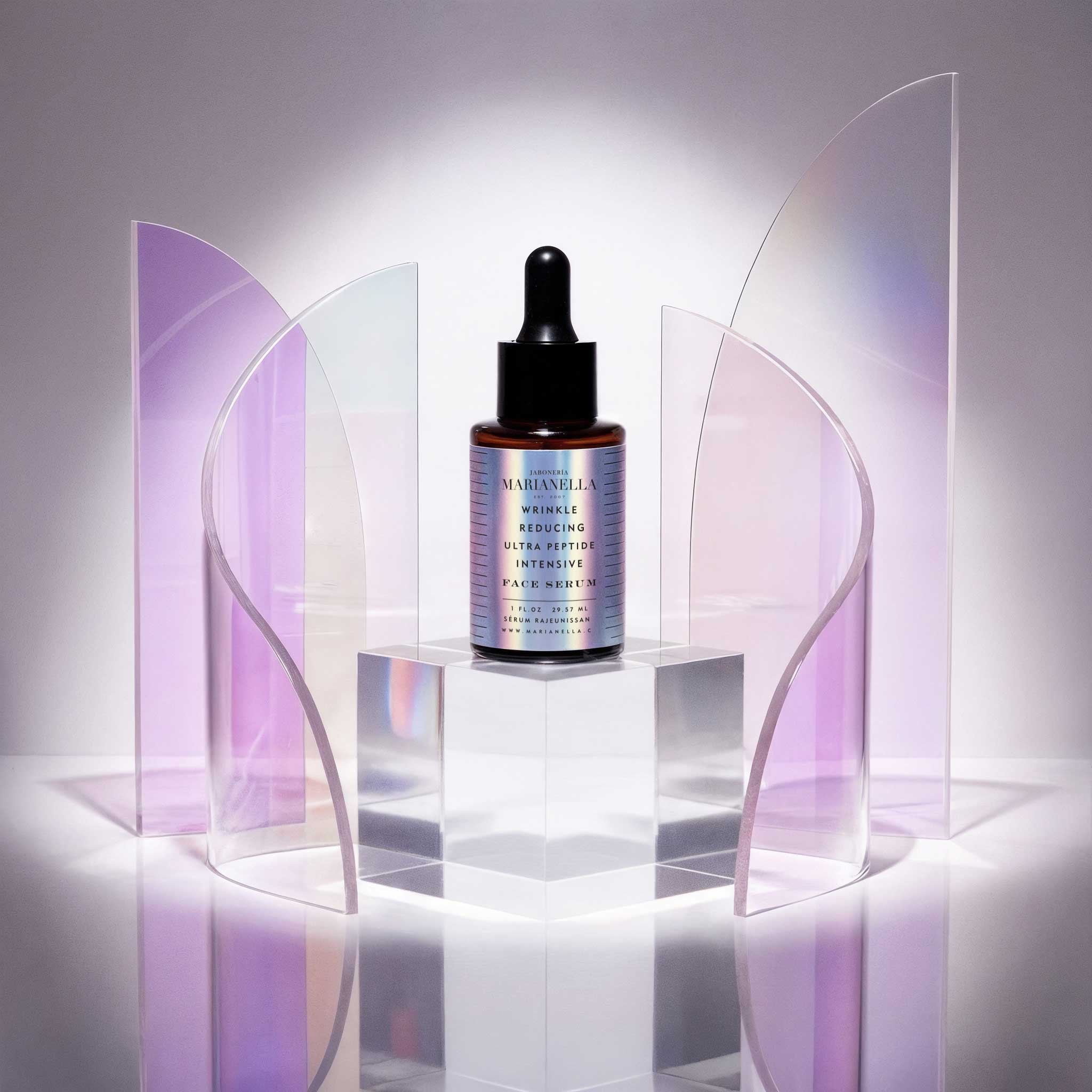
Wrinkle Reducing Ultra Peptide Intensive Face Serum
Glycerin anchors the hydration layer in this concentrated serum, ensuring that the peptide complex works against a properly moisturized skin surface. Dehydrated skin diminishes the visible impact of every active it receives. Glycerin addresses that before it becomes a problem. The serum has earned Vogue and Forbes coverage, and a People Magazine Star Beauty Award, for exactly this kind of formulation discipline. Wrinkle Reducing Ultra Peptide Intensive Face Serum. $84.
Vitamin C Collagen Boosting Face Serum with Niacinamide
Vitamin C is inherently unstable, and niacinamide is a potent brightening agent. Both actives perform better in a formula that maintains hydration at the cellular level. Glycerin does that here, creating the moisture environment that allows both the vitamin C and niacinamide to function without compromising the barrier. Now available at Bloomingdale's BEAUTYSPACE. Vitamin C Collagen Boosting Face Serum with Niacinamide. $50.
Wrinkle Reducing Ultra Peptide Intensive Night Cream
Nighttime is when skin repair accelerates. Glycerin's reservoir effect is especially relevant here. Research shows that moisture-retention capacity of glycerin increases with concentration, and a night cream format allows for richer glycerin delivery without the cosmetic concerns of stickiness that can affect daytime products. Applied before sleep, the hydration compounds through the night. Wrinkle Reducing Ultra Peptide Intensive Night Cream. $112.
How to Use Glycerin-Based Products in 2026
The sequencing principle still holds. Apply your glycerin-containing serum to slightly damp skin, which gives the humectant immediate water to draw on rather than pulling from deeper layers. Follow with a moisturizer or cream to lock what glycerin has gathered. In low humidity environments, this layering approach is especially important.
In skincare products, glycerin is commonly used with occlusives, another type of moisturizing agent, to trap the moisture it draws into the skin. This is why a serum alone is rarely the end of a routine. The glycerin attracts; the cream seals. Both steps are necessary.
Research confirms glycerin is non-toxic, non-irritating, and non-sensitizing, which makes it safe to use morning and night, across all skin types, and in combination with essentially any other active ingredient in a routine.
The Bottom Line on Glycerin Skincare Benefits
Glycerin is not a trend ingredient. It is not a hero ingredient in the flashy sense. It is something more reliable: a molecule with a clear mechanism, decades of peer-reviewed support, and a consistent ability to make every formula it enters more effective. A 2005 study showed glycerin levels correlate with skin hydration levels, so more glycerin means better hydrated skin. That simplicity is its strength.
For those looking for the best glycerin products in 2026, the most important variable is not the glycerin itself. It is the quality of the formula around it. Ingredients do not operate in isolation. At Marianella, 18 years of small-batch, handcrafted formulation in Brooklyn is the variable that makes the difference. The ingredient is the foundation. The context is everything.
Explore the Marianella serums and night cream featuring glycerin at marianella.co, and find select products at Bloomingdale's BEAUTYSPACE.

Leave a comment
This site is protected by hCaptcha and the hCaptcha Privacy Policy and Terms of Service apply.