


Glycerin belongs in your routine because it helps skin hold water, and well-hydrated skin feels softer, looks smoother and copes better with dry air. Using it well comes down to three habits: apply glycerin products to slightly damp skin, follow them with something that seals the moisture in, and use them every day rather than now and then. This guide walks through where glycerin fits, from washing your face in the morning to the body cream you put on after a shower.
Why glycerin needs a partner
Glycerin is a humectant. It draws water into the outer layer of skin, from the air and from the layers below, and binds it there. What it does not do is form a seal. On its own, some of the water it gathers can evaporate again, especially in a heated room or on a cold, windy day.
That is why glycerin is almost always paired with oils or butters, which slow that evaporation and leave skin feeling cushioned. In a routine, the rule is simple: glycerin first, while skin is damp, then an oil or cream over it. Many creams already do both jobs in one product.
Morning and night: cleanse without stripping
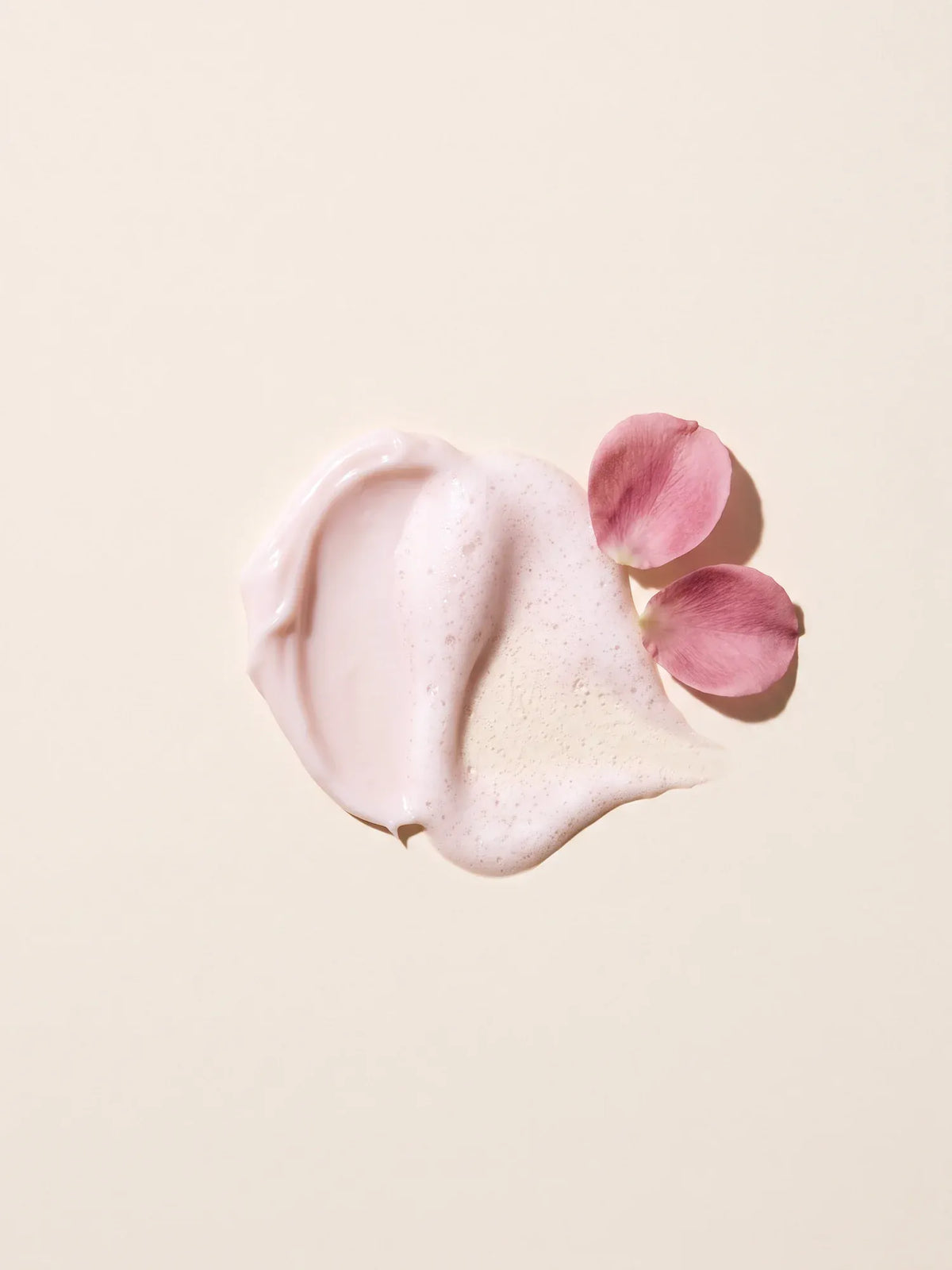
A routine that hydrates well starts with a wash that does not undo the work. Harsh cleansers leave skin tight, and then every step after has to make up the difference. Our Rose Face Wash Cream is softened with glycerin and sorbitol. Press it into damp skin, let it melt and spread, and rinse with warm water. Skin should feel clean and soft, not squeaky.
Apply your serum while skin is damp
Pat your face lightly after rinsing so it is damp rather than dripping. A humectant has more water to work with on damp skin, so this is the moment for a glycerin serum. Our Vitamin C Collagen Boosting Face Serum with Niacinamide combines glycerin, sodium hyaluronate, aloe and cucumber with ethyl ascorbic acid and niacinamide. Press three or four drops into clean skin and wait a moment for it to sink in.
It works in the morning, under sunscreen, or in the evening. Keep it away from retinol and benzoyl peroxide in the same routine; if you use those, give them a different time of day.
Seal it in with an oil or moisturizer
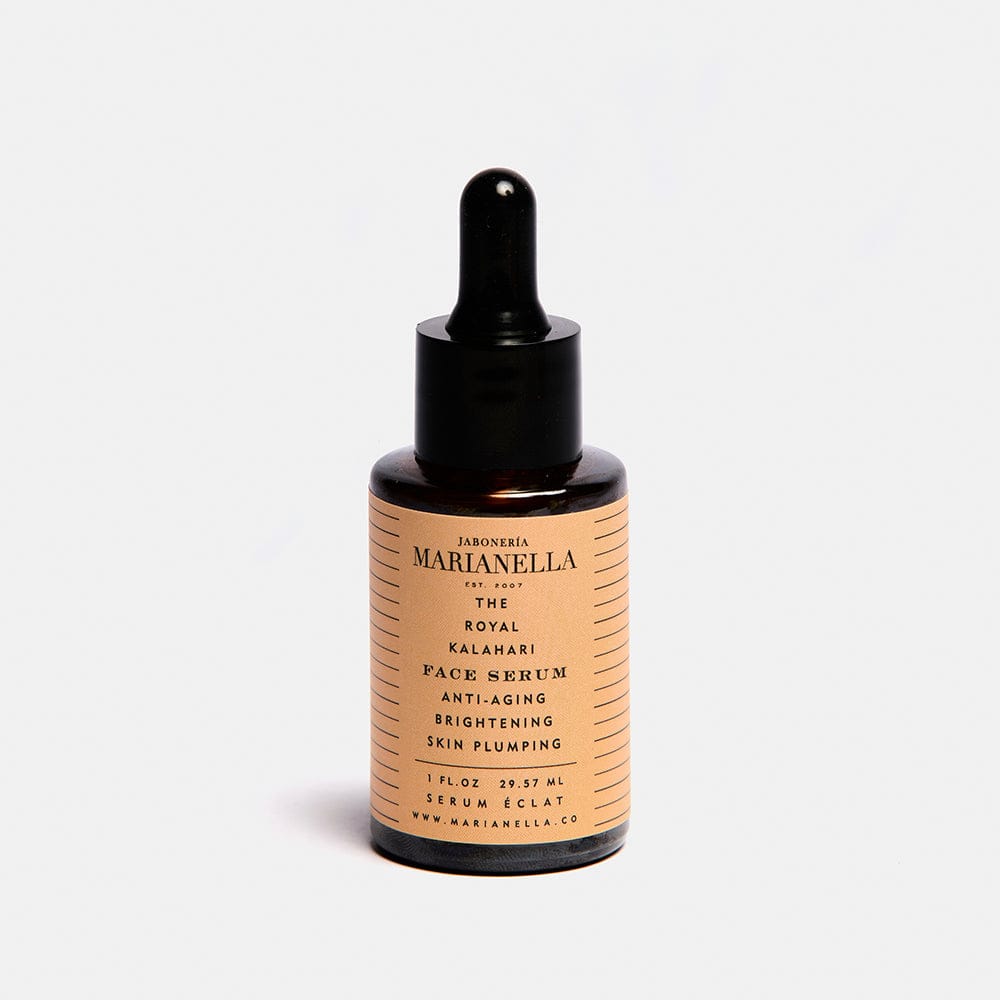
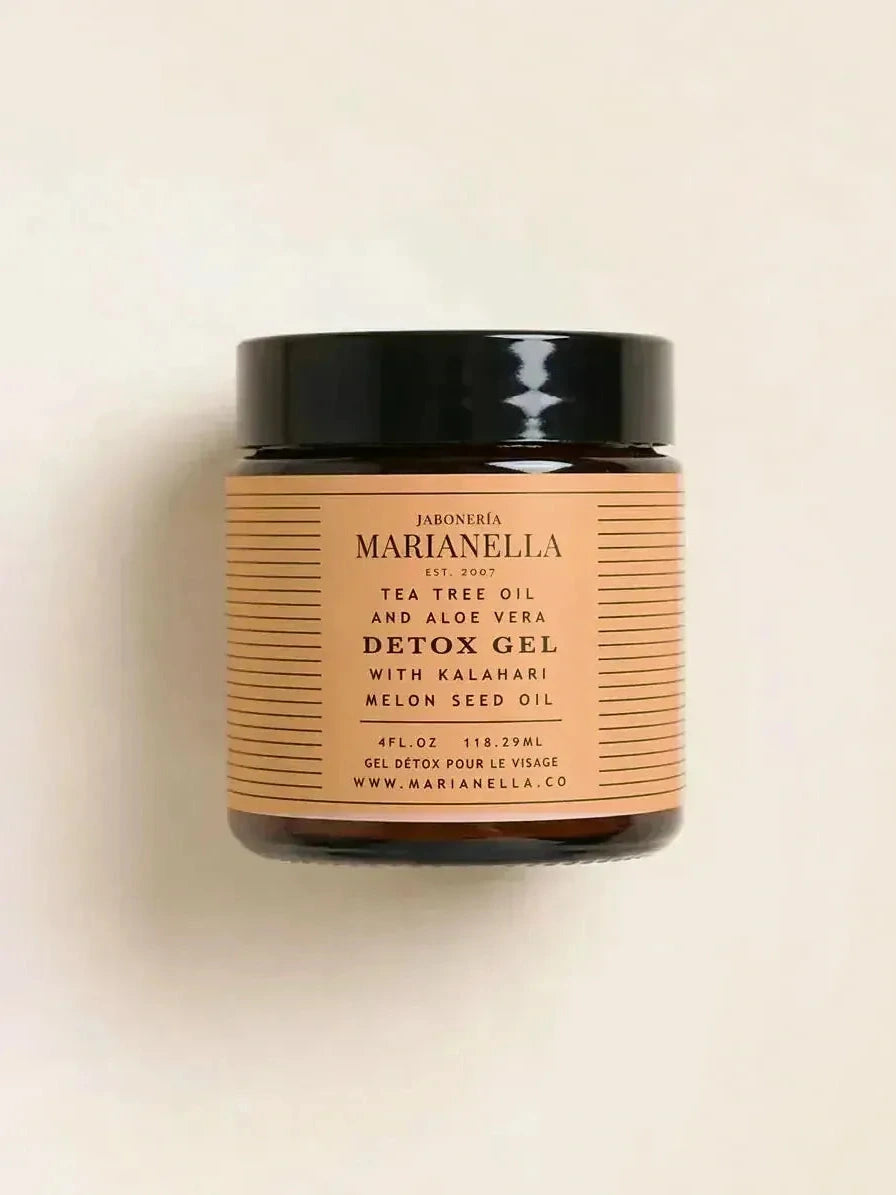
Now hold that water in place. A face oil or moisturizer goes on next, as the last step before sunscreen in the morning and the last step of the night. Our Royal Kalahari Face Serum, a blend of botanical oils led by Kalahari melon seed oil, is made for this: warm four to six drops between your fingertips and press them into face and neck. It sinks in without a greasy feel and helps skin keep the moisture the serum just drew in.
If your skin is oily, a few drops of a lighter oil or a thin layer of moisturizer is enough. If it is dry, you can use a little more, or press the oil over a cream.
Through the day: hands
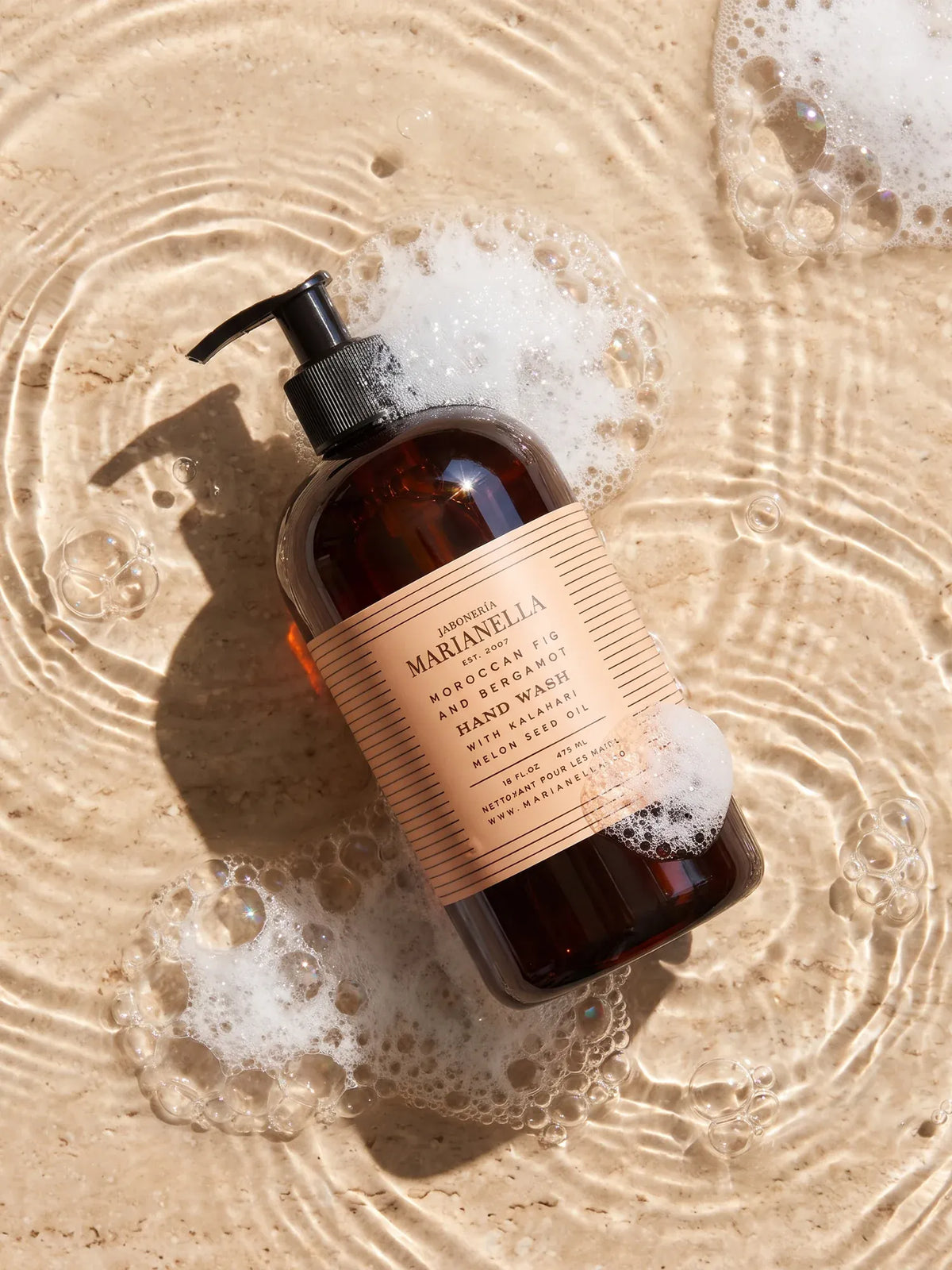
Hands are washed far more often than faces, and they show dryness first at the knuckles and cuticles. Keep a glycerin hand cream by the sink and use it after washing, while your hands are still a little damp. Our Hydrating Hand Cream pairs aloe leaf juice and glycerin with Kalahari melon seed oil and a cushion of plant oils, so it does both jobs at once: water in, then sealed. It settles into a soft-touch finish, so you can go straight back to your keyboard.
When you are away from a sink, our travel-size Hydrating Hand Sanitizer Gel includes aloe leaf juice and glycerin, so hands feel less tight once it dries. When you reach a sink again, wash and follow with cream.
After the shower: body
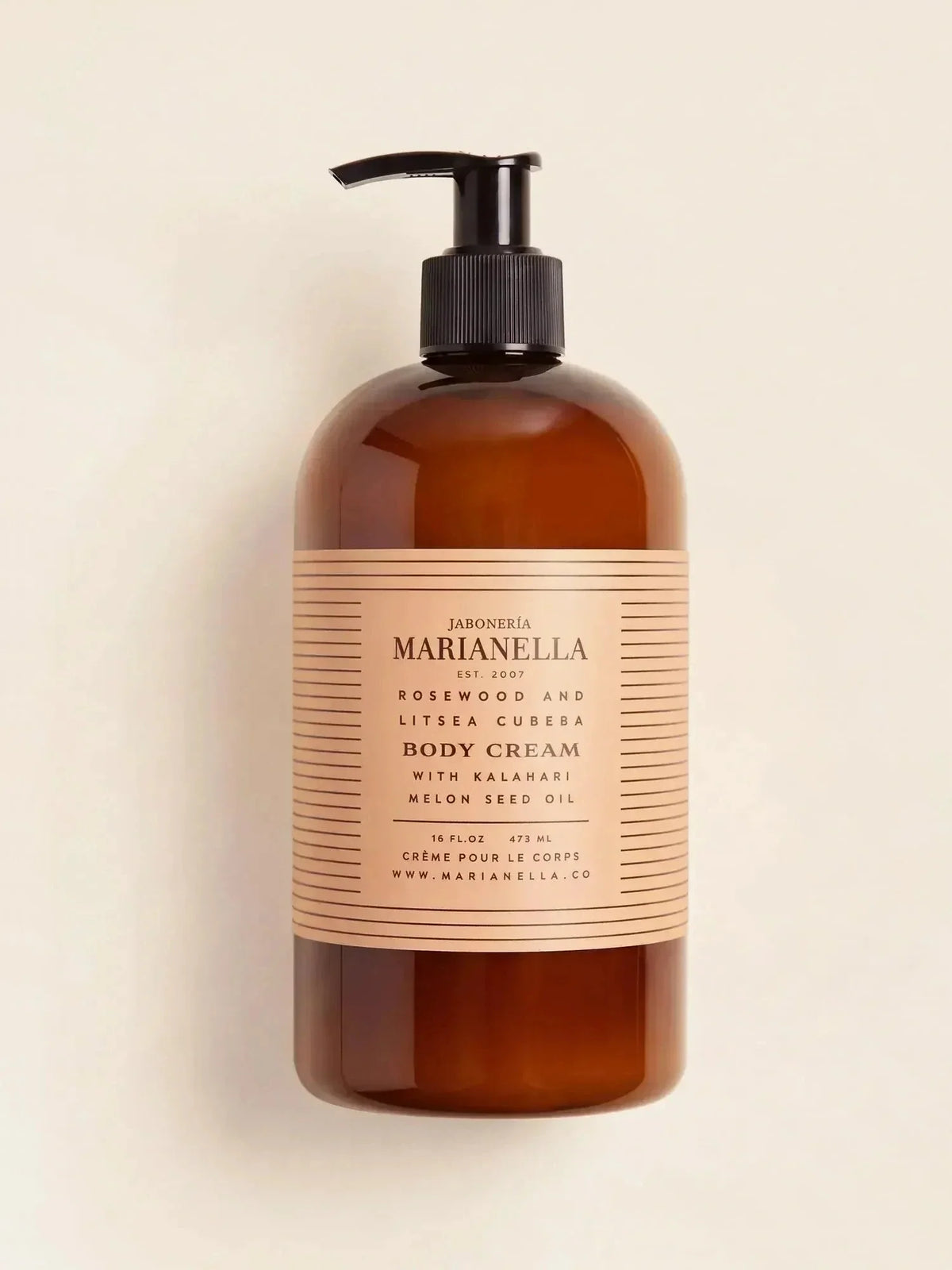
The best time to moisturize your body is the minute you step out of the shower. Pat yourself dry but leave skin slightly damp, then apply a cream with glycerin. Our Rejuvenating Body Cream uses aloe leaf juice and glycerin for a fresh layer of hydration, and coconut, sunflower, jojoba, avocado, argan and borage oils to cushion the surface. Give extra attention to elbows, shins and heels, which tend to feel rough first.
Adjust for the season
Glycerin works in every season, but how much sealing it needs changes. In winter, and in heated or air-conditioned rooms, the air is dry and the seal matters most: never skip the oil or cream after a glycerin serum. In humid summer weather, there is more water in the air for glycerin to draw on, and a lighter final layer is usually enough.
Common mistakes
- Using pure glycerin from a pharmacy bottle. Undiluted glycerin is sticky and, in dry air, can pull water from the skin's surface. Use it in a finished formula, where it is balanced with water and oils.
- Applying to bone-dry skin. It still helps, but damp skin gives it water to hold from the start.
- Skipping the seal. A glycerin serum on its own, in a dry room, does only half the job.
- Judging too soon. Glycerin's benefits build with regular use, so use a new routine every day for a while before you decide.
Questions about using glycerin day to day
Should I apply glycerin products to damp or dry skin?
Damp is better. Pat skin lightly after washing so a little water remains, then apply your serum or cream, so the glycerin has water to bind straight away.
Can I use glycerin in the morning and at night?
Yes. Glycerin is gentle and works alongside most other ingredients, so it fits both ends of the day. In the morning, finish with sunscreen.
Do I need a moisturizer over a glycerin serum?
Usually, yes. Glycerin draws water in but does not seal it, so an oil or cream on top keeps that moisture from evaporating, especially in dry or heated air.






















Leave a comment
This site is protected by hCaptcha and the hCaptcha Privacy Policy and Terms of Service apply.