


Vitamin E skincare benefits are well-documented, extensively researched, and arguably more relevant in 2026 than at any point in the last five decades of dermatological science. If you've been wondering what vitamin E actually does for skin, the short answer is this: it is the dominant lipid-soluble antioxidant in human skin, it defends your skin barrier from oxidative damage at the cellular membrane level, and it works significantly better when paired with complementary actives. At Marianella, handcrafting small-batch formulas in Brooklyn since 2007, vitamin E has earned its place across our lineup not through trend cycles but through 18 years of formulation expertise rooted in three generations of Venezuelan botanical beauty knowledge.
What Is Vitamin E? A Definition for Skin Science
The term "vitamin E" does not refer to a single molecule but to two classes of molecules with similar structures and antioxidant properties, comprising a family of eight substances. Tocopherols are the most abundant form of vitamin E in the body, consisting of four different forms: alpha-, beta-, gamma- and delta-tocopherol. Tocotrienols also exist in four different forms. The most biologically active form is alpha-tocopherol. Some products use tocopheryl acetate, a more stable but less immediately active form that must be converted by the skin before it works. Both are common in skincare, but alpha-tocopherol has the stronger research backing for direct antioxidant activity.
Vitamin E is an important fat-soluble antioxidant and has been in use for more than 50 years in dermatology. Vitamin E was first described in 1922 by Herbert M. Evans and Katherine Bishop. In 1936, it was biochemically characterized and named tocopherol, from the Greek "tocos" meaning offspring and "phero" meaning to bring forth. That history matters: very few skincare ingredients carry this depth of scientific record.
Vitamin E for Skin: How It Works at a Molecular Level
Vitamin E is the most abundant lipophilic antioxidant found in human skin. In humans, levels of vitamin E in the epidermis are higher than in the dermis. Vitamin E is normally provided to the skin through the sebum. Topical application can also supply the skin with vitamin E and may provide specific vitamin E forms that are not available from the diet.

|
$50 |

|
$84 |

|
$32 |

|
$29 |
Vitamin E's antioxidant properties involve its ability to donate an electron to free radicals, thereby stabilizing them and preventing them from causing further damage. This protective action is particularly vital in the skin, which is constantly exposed to environmental aggressors. By neutralizing these harmful molecules, vitamin E helps preserve the integrity of cell membranes, maintain cellular function, and reduce the cascade of damage that can lead to fine lines, wrinkles, and a compromised skin barrier.
Its presence in the lipid layers of the skin makes it uniquely positioned to intercept lipid peroxidation, a key process in oxidative damage to cell membranes. This is not a surface-level benefit. Vitamin E works where damage actually begins, deep within the structural lipids that hold the barrier together.
Vitamin E and UV Photoprotection
More than other tissues, the skin is exposed to numerous environmental chemical and physical agents such as ultraviolet light causing oxidative stress. In the skin, this results in several short- and long-term adverse effects such as erythema, edema, skin thickening, wrinkling, and an increased incidence of skin cancer or precursor lesions. Vitamin E is the major naturally occurring lipid-soluble non-enzymatic antioxidant protecting skin from the adverse effects of oxidative stress, including photoaging.
As an antioxidant, vitamin E primarily reacts with reactive oxygen species. In addition, vitamin E can also absorb the energy from ultraviolet light. It plays important roles in photoprotection, preventing UV-induced free radical damage to skin. Vitamin E has been proven to have antioxidant and moisturizing properties in the skin and can protect against the damage of UVB radiation, with emphasis on the reduction of acute erythema and photoaging.
The Barrier-Strengthening Mechanism
Vitamin E enhances lipid organization, improves barrier strength, boosts skin hydration, and reduces transepidermal water loss (TEWL). Where vitamin E delivers consistent results is in basic skin hydration and barrier support. As a fat-soluble molecule, it integrates into the lipid layers of the skin and helps prevent moisture loss. This makes it a solid ingredient in moisturizers, particularly for people with dry or mature skin.
Two small studies have shown topical application of vitamin E can improve skin water-binding capacity after two to four weeks of use. Moisturizers with as little as 0.1% can improve vitamin E levels in skin. These are not dramatic numbers on paper, but the cumulative effect of consistent barrier support over weeks and months is where real, visible change happens.
Why Formulation Quality Determines Vitamin E's Effectiveness
Although many cosmeceuticals contain vitamins C and E, very few are actually effective in topical application because the stability is compromised as soon as the product is opened and exposed to air and light. However, when a stable formulation delivers a high concentration of nonesterified, optimal isomer of the antioxidant, vitamins C and E inhibit the acute UV damage as well as chronic UV photoaging and skin cancer.
Ferulic acid is a ubiquitous plant antioxidant and its incorporation into a topical solution of 15% l-ascorbic acid and 1% alpha-tocopherol improves chemical stability of the vitamins C and E and doubles photoprotection to solar-stimulated irradiation of skin from fourfold to eightfold. That figure, fourfold to eightfold, is worth pausing on. Formulation is not a footnote. It is the entire point.
After topical application, vitamin E accumulates not only in cell membranes but also in the extracellular lipid matrix of the stratum corneum, where it contributes to antioxidant defenses. The topical use of vitamin E is adequate for its recognized antioxidant and protective activities, favoring the improvement of the skin barrier due to its lipophilic character and also effectively avoiding lipid peroxidation by protecting cell membranes from the action of free radicals.
This is exactly why Marianella's 18 years of small-batch handcrafting in Brooklyn matters. Every formula that comes out of our Brooklyn atelier is tested not just for ingredients on paper, but for how those ingredients behave in the finished product, together. Getting vitamin E right in a serum or an oil requires patience, knowledge, and a willingness to reject shortcuts. Our Venezuelan heritage, built across three generations of botanical beauty traditions, has always treated formulation as a craft rather than a manufacturing process.
Vitamin E and Aging Skin: What the Research Shows
Reactive oxygen species have the ability to alter the biosynthesis of collagen and glycosaminoglycans in skin. Most over-the-counter anti-aging creams contain 0.5% to 1% of vitamin E. Results with alpha-tocopherol include improvement in periorbital fine lines, roughness, radiance, skin tone, elasticity, density, collagen production and overall appearance by clinical evaluations of skin.
Research shows that people who experience chronic inflammatory skin conditions tend to have lower levels of vitamin E. Increasing vitamin E levels is known to reduce redness, irritation, and inflammation. Vitamin E also helps skin retain moisture and creates a barrier to protect against irritants that trigger inflammation.
People with oily skin tend to have higher levels of vitamin E while people with dry skin tend to have less. As with other vital substances, vitamin E levels decrease as you get older, resulting in drier skin and an increased risk of damage. In addition to the natural aging process, vitamin E levels in your skin are diminished due to sun exposure, certain types of lights, and tanning beds. Understanding this depletion cycle is central to understanding why topical vitamin E is not optional for anyone with anti-aging goals. It is a replenishment strategy.
The Vitamin C and Vitamin E Synergy
The antioxidant effects of vitamin E are often enhanced when it works synergistically with other antioxidants, such as vitamin C. While vitamin E is fat-soluble and protects cell membranes, vitamin C is water-soluble and operates in the aqueous compartments of cells. Products containing both vitamin C and vitamin E have shown greater efficacy in photoprotection than either antioxidant alone. This is one of the most consistently replicated findings in cosmetic dermatology, and it is the reason thoughtful formulators build vitamin E into multi-active serums rather than leaving it to work in isolation.
The Best Vitamin E Products in 2026: Marianella's Lineup
Across Marianella's 82 products, vitamin E appears as a foundational active in some of our most celebrated formulas. Each one represents the kind of thoughtful, small-batch work that earned us recognition in Vogue, Oprah, Forbes and Allure, and a People Magazine Star Beauty Award. All four products below are available now at Bloomingdale's BEAUTYSPACE.
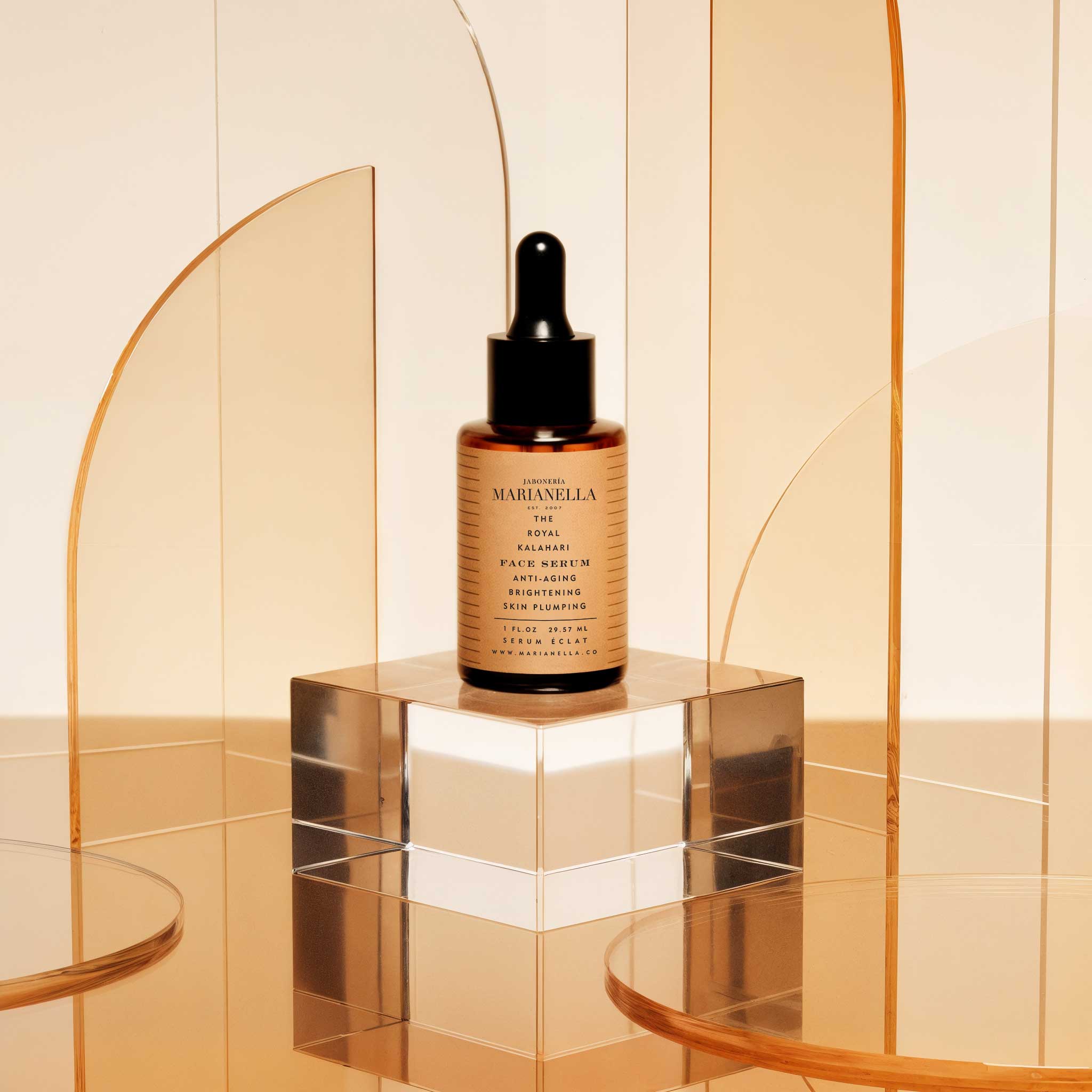
The Royal Kalahari Face Serum
This serum brings the skin-replenishing tradition of Kalahari botanicals together with vitamin E's barrier-fortifying and antioxidant properties, delivering a lightweight, deeply nourishing experience suited for daily use. The Royal Kalahari Face Serum. $50.
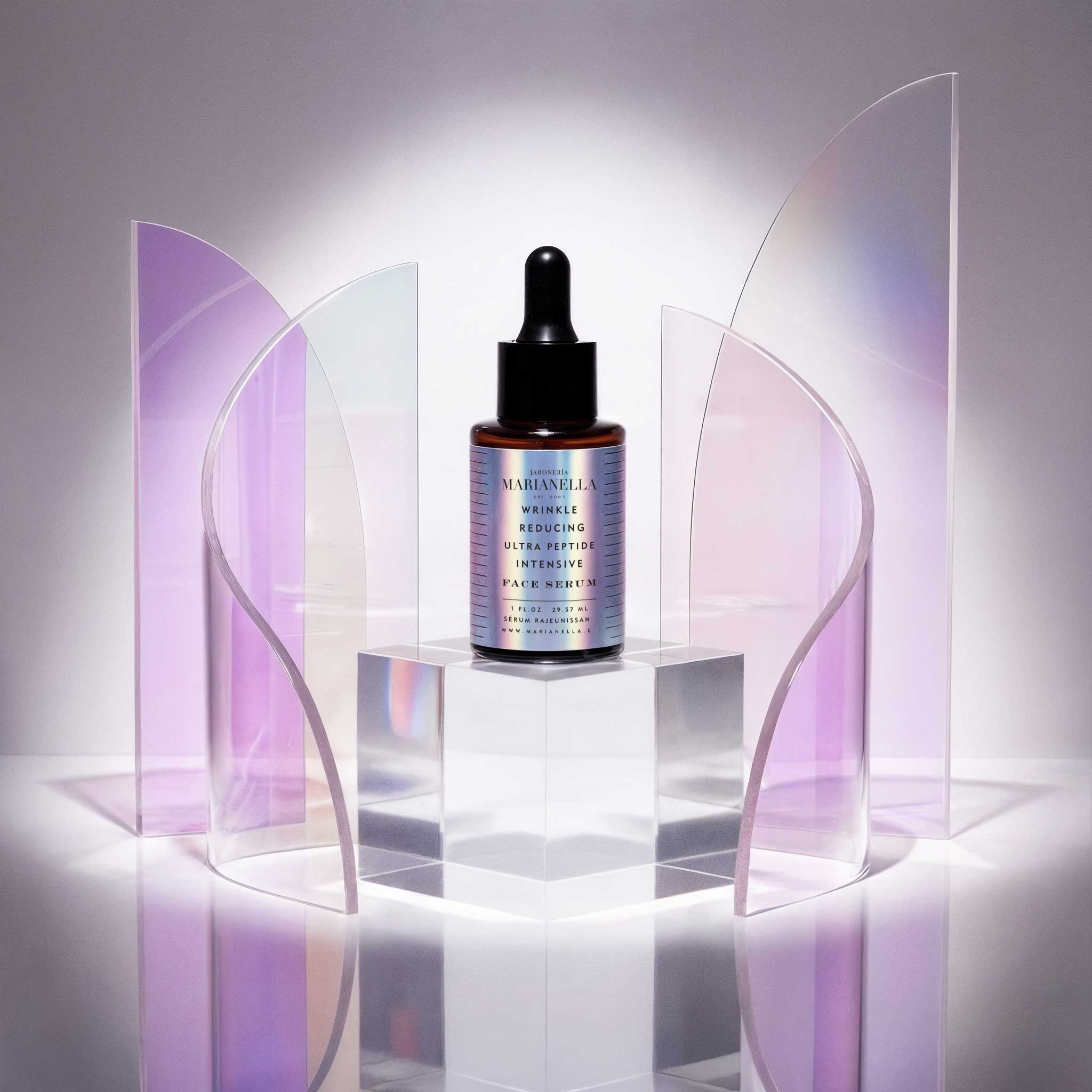
Wrinkle Reducing Ultra Peptide Intensive Face Serum
Vitamin E's documented ability to support collagen biosynthesis and reduce the visible effects of oxidative aging makes it a natural partner for peptides in an intensive anti-aging formula. This serum is built for skin that needs both repair and defense. Wrinkle Reducing Ultra Peptide Intensive Face Serum. $84.
The Royal Kalahari Under Eye and Lip Serum Roller Oil
The periorbital area, the skin around the eyes, is among the first to show oxidative aging. Clinical evaluations have documented that alpha-tocopherol produces improvement in periorbital fine lines, roughness, radiance and skin tone. This roller delivers vitamin E's benefits precisely where they are needed most, in a format designed for both ease of application and gentle cooling action. The Royal Kalahari Under Eye and Lip Serum Roller Oil. $32.
Detox Gel now with Kalahari Melon Seed Oil
A detoxifying gel that works with skin's natural resilience rather than against it, supported by the antioxidant and barrier properties that vitamin E delivers at the lipid layer. Clean, lightweight and formulated for everyday use. Detox Gel now with Kalahari Melon Seed Oil. $29.
Who Benefits Most from Vitamin E for Skin
Topical vitamin E can be beneficial for most skin types, particularly dry, mature, or sun-damaged skin, due to its antioxidant and moisturizing properties. However, individuals with very oily or acne-prone skin should choose non-comedogenic formulations, as some heavy oils containing vitamin E might exacerbate breakouts. Vitamin E is especially useful in winter, travel, pollution-heavy environments, or after over-exfoliation, where environmental factors accelerate irritation and dehydration.
For anyone living in or near a city, this last point is significant. Urban skin faces a compounding stress load: UV exposure, particulate pollution, temperature changes and seasonal shifts. Vitamin E, positioned at the lipid membrane level, is one of the few ingredients with the molecular architecture to address all of those stressors simultaneously.
How to Read a Label: Finding Vitamin E in Skincare Products
To incorporate it into your skincare routine, look for products that contain vitamin E. Labels typically list it as tocopherol or tocotrienol. When shopping for products, look for "alpha-tocopherol" or "tocopherol" on the ingredient list. This is the most biologically active form of vitamin E. Some products use tocopheryl acetate, a more stable but less immediately active form that must be converted by the skin before it works.
Vitamin E also helps stabilize other oils and fats in skincare formulas, slowing their oxidation. This means its role in a formula is often dual: it protects your skin and extends the functional life of the product itself. A well-formulated vitamin E serum is doing two jobs at once.
A Final Thought on Patience and Consistency
Vitamin E does not work like a chemical exfoliant with visible turnover in 72 hours. Its results are cumulative, structural and real. Many studies document that vitamin E occupies a central position as a highly efficient antioxidant, providing possibilities to decrease the frequency and severity of pathological events in the skin. That kind of protection is not dramatic. It is foundational. And foundational care, applied consistently, is what actually changes skin over time.
Eighteen years of small-batch formulation in Brooklyn, three generations of Venezuelan botanical heritage informing every ingredient decision, and recognition from the editors who track what works in beauty. That is the context in which Marianella uses vitamin E. Not as a label claim. As a commitment. Explore the full collection and find the formula that fits your skin where it is right now.
```

Leave a comment
This site is protected by hCaptcha and the hCaptcha Privacy Policy and Terms of Service apply.