

Vitamin E Beauty Benefits: What the Science Actually Shows
Vitamin E beauty benefits come down to one core function: this fat-soluble antioxidant is a skin-barrier defender that neutralizes the free radicals responsible for premature aging, moisture loss, and inflammation. Vitamin E is the skin's most abundant lipid-soluble antioxidant, embedded in cell membranes and the lipid portions of the stratum corneum, where it intercepts free radicals, particularly the chain-propagating peroxyl radicals generated when UV light or pollution oxidize membrane lipids, and breaks the chain reaction. That single mechanism explains why the ingredient has held its place in dermatology and formulation science for decades, and why Marianella continues to build serums and gels around it in 2026.
At Marianella, vitamin E is not a trend ingredient. It is one of the working botanicals behind formulas like the Detox Gel and the Royal Kalahari Face Serum, developed with the same small-batch, handcrafted approach the brand has practiced since 2007, from Caracas kitchens to a Brooklyn studio. The heritage is Venezuelan. The formulation discipline is nineteen years deep, proven in the density of ingredient sourcing and the consistency of the batches, not in celebration language.
What Is Vitamin E
Vitamin E is not a single molecule. It is a family of eight compounds: four tocopherols and four tocotrienols, in alpha, beta, gamma, and delta forms. Of these, alpha-tocopherol is the most abundant and well-studied form found in human skin. Tocopherols are saturated forms of vitamin E, whereas tocotrienols are unsaturated with an isoprenoid side chain. In topical formulas, the ingredient typically shows up as pure tocopherol or as tocopheryl acetate, a more stable ester form. Both deliver antioxidant and conditioning benefits, help skin retain its natural moisture balance, and protect the formula itself from oxidation. That dual role, protecting skin and protecting the product in the jar, is part of why formulators reach for it across face, body, and hand categories.

|
$34 |

|
$58 |

|
$37 |

|
$96 |
How Vitamin E Benefits Skin
Antioxidant Protection Against UV and Environmental Stress
The most well-documented vitamin E benefit is photoprotection. Irradiation of human skin at 0.75 minimal erythema dose depletes stratum corneum alpha-tocopherol by almost 50 percent, detected directly after exposure. That depletion is the skin's early warning sign of oxidative damage from sun exposure, and it is one reason topical replenishment matters. In fact, the largest body of scientific evidence for a beneficial role of topical vitamin E exists specifically for photoprotection. Vitamin E is found in sebum, where it creates a natural barrier to keep moisture in the skin, and oilier skin surfaces like the face contain greater amounts of it. Sebum, along with vitamin E levels, naturally declines with age. That decline is part of what topical formulas are designed to offset.
Barrier Support and Hydration
Tocopherol has documented effects on the skin including antioxidant activity, improved membrane stability, protection against UV radiation, and a moisturizing action on dry skin. It has also been shown to play a role in maintaining the structural integrity of cell membranes and connective tissue, which is what allows firmness, texture, and tone to hold steady over time. This is the mechanism behind why a vitamin E-infused gel or serum can feel different on the skin within days, not months. The lipid bilayer stays intact, and moisture stays where it belongs.
Calming and Anti-Inflammatory Action
Beyond its antioxidant role, vitamin E also acts as a modulator of the inflammatory response, in part by blocking intracellular signaling factors such as NF-κB and JAK-STAT6, which regulate the expression of numerous pro-inflammatory cytokines and chemokines. By limiting their activation, vitamin E reduces the production of mediators responsible for redness, itching, or swelling of the skin. For anyone managing sensitized or reactive skin, that calming action is as relevant as the antioxidant story.
The Vitamin C and Vitamin E Synergy
This synergy is well documented: vitamin C regenerates oxidized vitamin E, creating a recycling loop that extends antioxidant protection. A clinical study using a 5 percent d-alpha-tocopherol cream demonstrated a noticeable reduction in periorbital wrinkles after four months of daily use, with the mechanism tied to neutralizing the free radicals that break down collagen and glycosaminoglycans. This is why serums that pair botanical oils with vitamin E, rather than isolating it, tend to outperform single-note formulas over a full season of use.
Best Vitamin E Products in 2026: Where Marianella Uses It
Choosing among the best vitamin E products in 2026 means looking past the ingredient list headline and toward how the formula actually delivers it, in what concentration, alongside what other actives, and in what base. Marianella builds its vitamin E formulas around Kalahari melon seed oil, a lightweight botanical carrier that helps the skin absorb the antioxidant without weighing down the face or eye area.
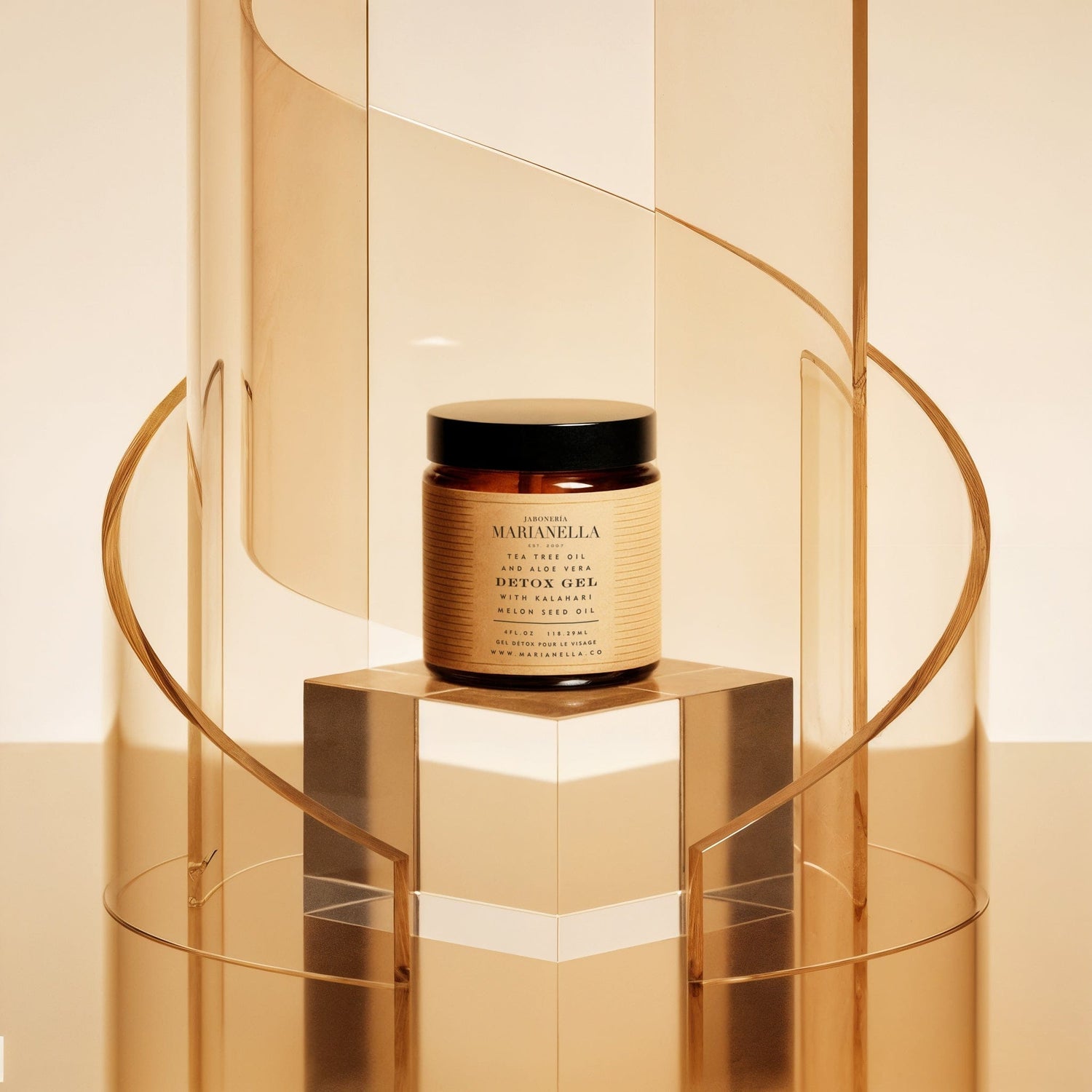
Detox Gel with Kalahari Melon Seed Oil
The Detox Gel now with Kalahari Melon Seed Oil ($34) is built for daily use on stressed, congested skin, pairing the antioxidant defense of vitamin E with a gel texture light enough for morning and evening layering.
The Royal Kalahari Face Serum
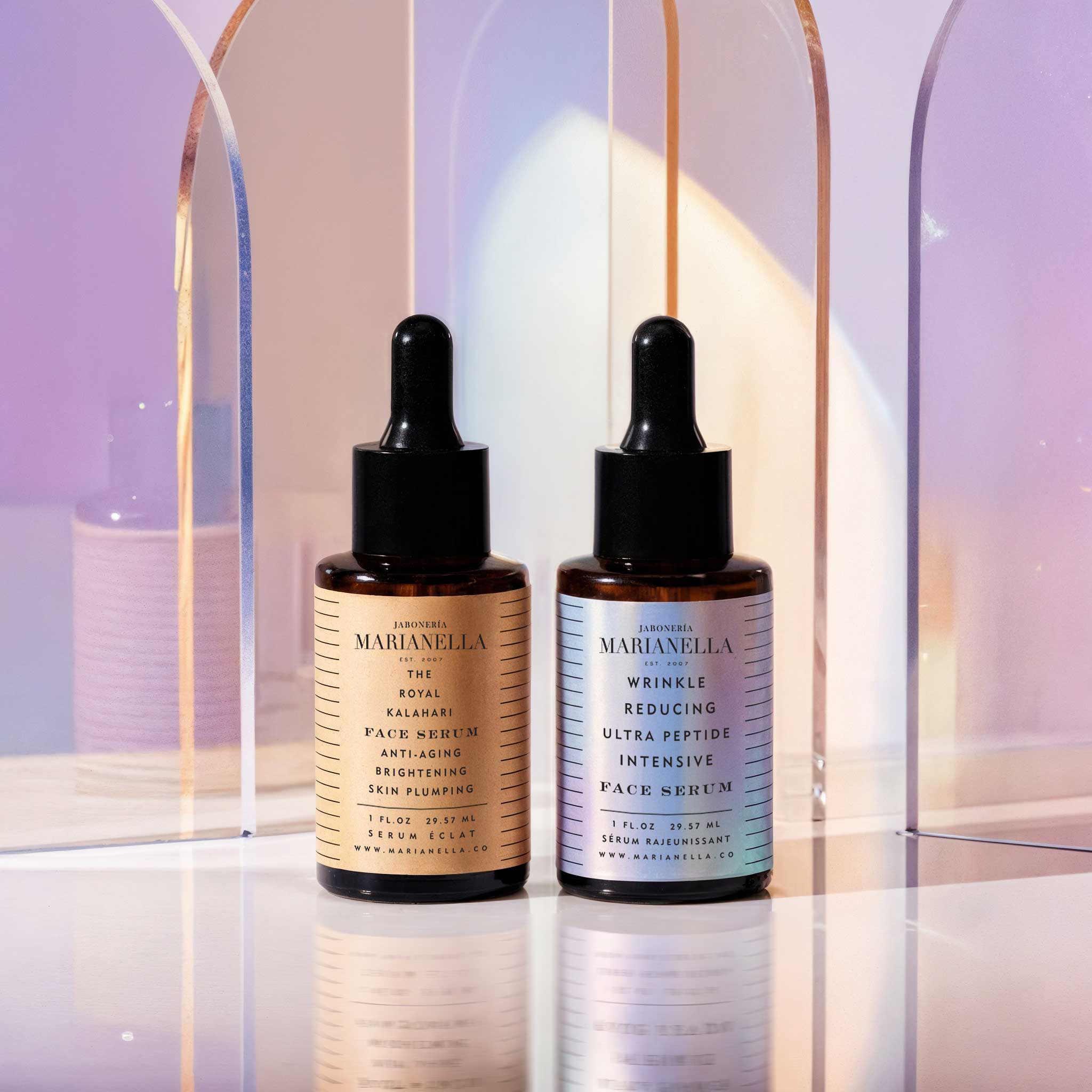
The Royal Kalahari Face Serum ($58) concentrates the same botanical base into a richer serum, formulated for the kind of consistent barrier support that antioxidant-dependent skin needs through changing seasons.
The Royal Kalahari Under Eye and Lip Serum Roller Oil
Thin, delicate skin around the eyes and lips loses moisture faster than the rest of the face, which is part of why the Royal Kalahari Under Eye and Lip Serum Roller Oil ($37) exists as its own step, delivering the same vitamin E-rich formula in a roller format designed for targeted, low-friction application.
Wrinkle Reducing Ultra Peptide Intensive Face Serum
For a more intensive anti-aging routine, the Wrinkle Reducing Ultra Peptide Intensive Face Serum ($96) pairs peptide technology with antioxidant support, aimed at the structural, collagen-level signs of aging rather than surface texture alone.
How to Add Vitamin E Benefits Into a Daily Routine
Most formulas use vitamin E at modest concentrations. Most over-the-counter anti-aging creams contain 0.5 to 1 percent vitamin E, typically as tocopheryl acetate, a more stable ester form that converts to active tocopherol in the skin. That is intentional. Vitamin E is potent at low doses, and formulators pair it with carrier oils and complementary actives rather than isolating it at high strength. A practical routine layers a vitamin E-infused serum after cleansing, follows with a richer gel or cream to lock in the barrier benefits, and reserves a roller or spot treatment for the eye and lip area, where skin is thinnest and antioxidant depletion from UV exposure happens fastest.
Marianella's approach to this has stayed consistent since the brand's earliest days in Caracas, when small batches and clean ingredients were the only option, and it has carried through nineteen years of formulation in Brooklyn. No shortcuts, no synthetic filler, just botanicals chosen for what they measurably do on skin.
Explore the full range of vitamin E-infused formulas in the Royal Kalahari collection at marianella.co, where each product is handcrafted in small batches in Brooklyn.
FAQ
What does vitamin E do for skin?
Vitamin E is the skin's most abundant lipid-soluble antioxidant, intercepting free radicals in cell membranes and the stratum corneum before they can trigger oxidative damage. It also supports barrier function, helps skin retain moisture, and calms inflammation, making it a multi-tasking ingredient rather than a single-benefit one.
Is natural vitamin E better than synthetic for skincare?
Alpha-tocopherol is the most abundant and well-studied form of vitamin E in human skin, and formulas sourced from natural botanical oils deliver this form alongside complementary fatty acids and phytonutrients that synthetic isolates lack, which is part of why oil-based carriers remain popular in serum formulation.
Can vitamin E reduce wrinkles?
A clinical study using a 5 percent d-alpha-tocopherol cream showed a noticeable reduction in periorbital wrinkles after four months of daily use, by neutralizing the free radicals that break down collagen. Results build gradually with consistent use rather than overnight.
Does vitamin E work better with other ingredients?
Yes. Vitamin C regenerates oxidized vitamin E, creating a recycling loop that extends antioxidant protection, which is why many serums pair the two rather than formulating with vitamin E alone.
Who should use vitamin E skincare products?
Anyone concerned with sun-related oxidative stress, barrier dryness, or early signs of collagen breakdown benefits from topical vitamin E. Because sebum and natural vitamin E levels decline with age, replenishing it topically becomes more relevant over time rather than less.


Leave a comment
This site is protected by hCaptcha and the hCaptcha Privacy Policy and Terms of Service apply.