


The African oils behind 2026's body glow are marula, baobab, Kalahari melon seed and mongongo: plant oils pressed from the seeds and kernels of trees and wild melons in southern and sub-Saharan Africa. They have risen together with the "glow from home" trend, in which people get a healthy-looking sheen from a bottle of oil rather than from the sun. Each one feels different on skin, from the featherlight Kalahari melon to the velvety marula, and together they explain why so many new body oils read like a map of the African savanna.
Why glow from home caught on
Body oils and body serums have become one of the most popular ways to moisturize, and many people now reach for them before a lotion or a butter.
The reason is partly aesthetic and partly practical. People want radiant-looking skin without sitting in the sun for it. A body oil gives skin a soft glow straight away, indoors, any time of year. At the same time many people are stepping back from strong acids and retinoids after a few years of doing too much, and choosing nourishing, oil-based formulas that leave skin comfortable instead.
Running alongside is a surge of interest in African plant oils. Marula is the best known of them, and baobab and sea buckthorn are often named beside it. These oils have been used on skin for generations, which is part of their appeal: they have a track record rather than a hype cycle.
Four African oils, and how each one feels
Marula
Cold-pressed from the kernel inside the stone of the marula fruit, a tree of the southern African savanna. It is rich in oleic acid, with a little linoleic acid and natural vitamin E, and for an oleic oil it is surprisingly light. It feels velvety and cushiony, sinks in within moments, and leaves a plush, quietly luminous finish.
Kalahari melon seed
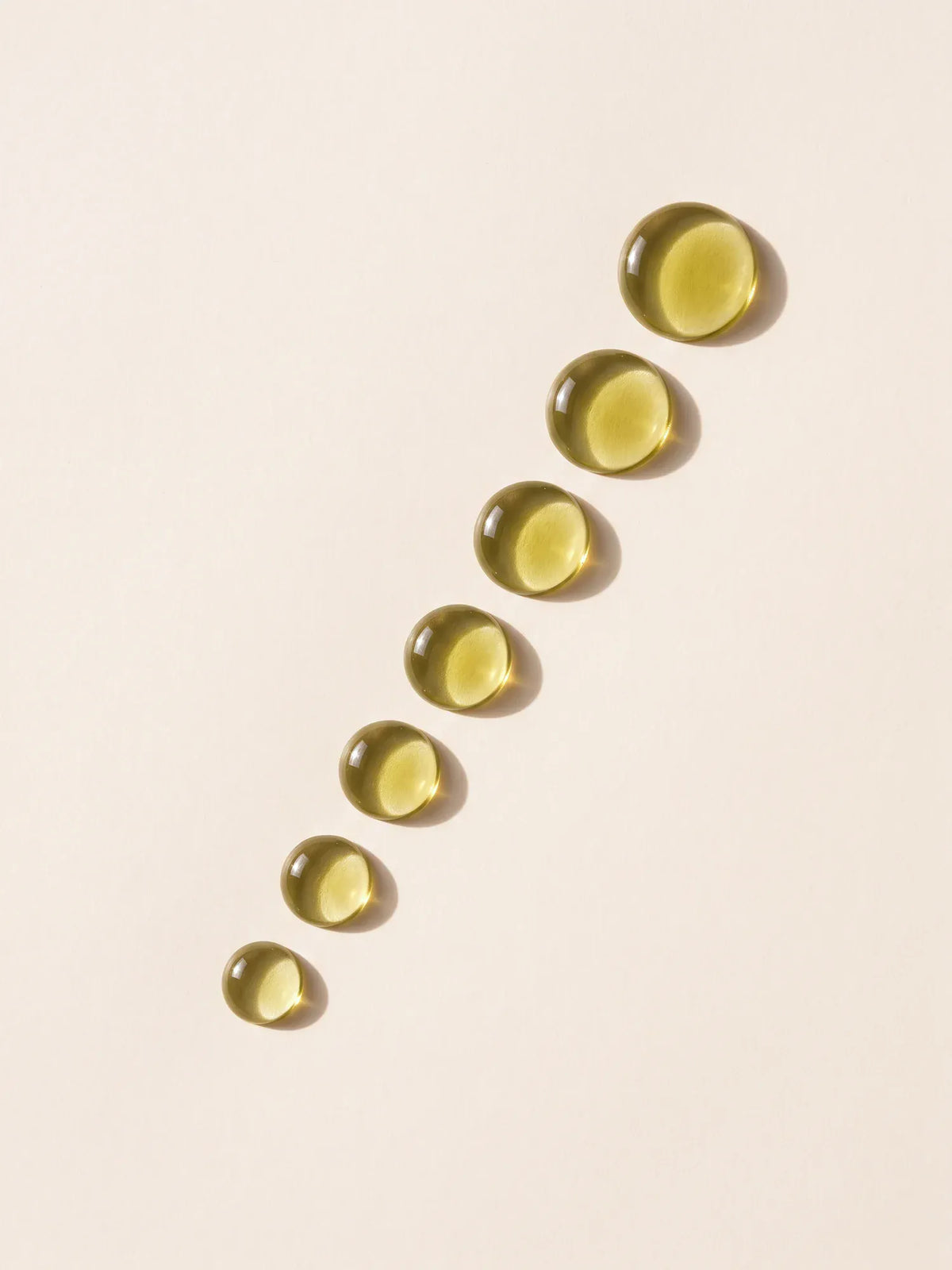
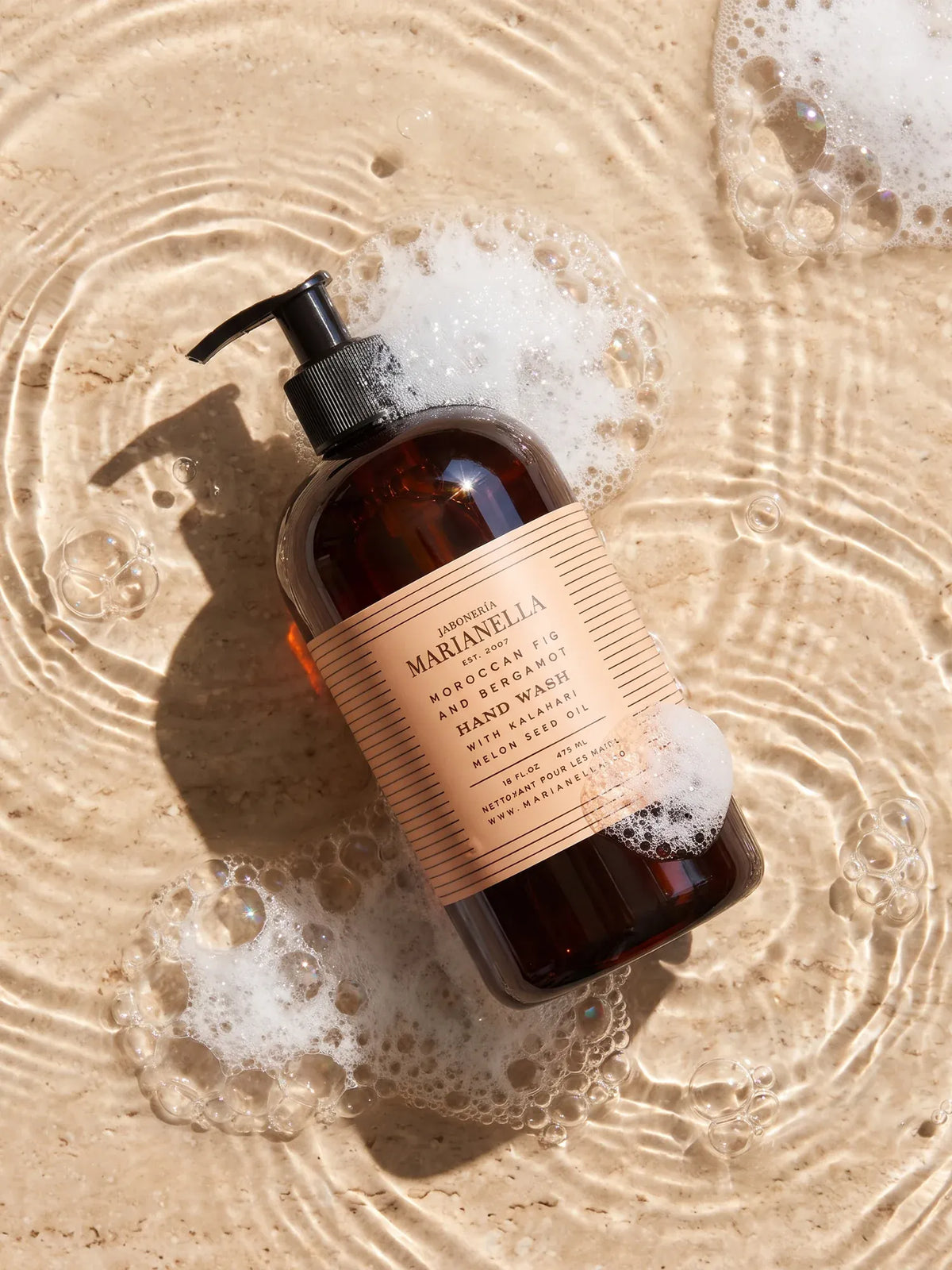
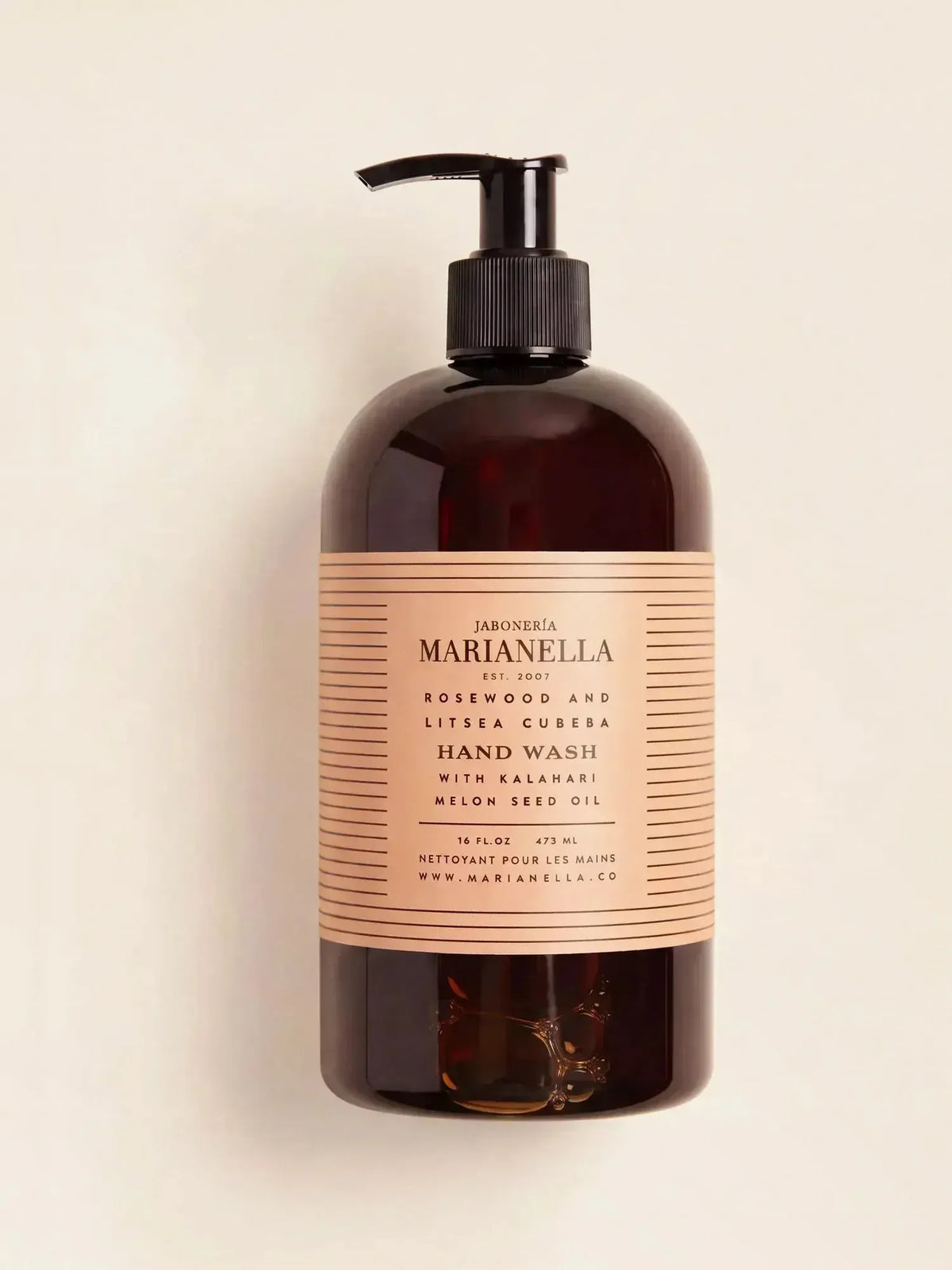
Cold-pressed from the seeds of a wild melon that grows in the Kalahari and stores water through the dry season. The oil is clear and golden, light and dry to the touch, and rich in linoleic acid. It absorbs quickly, leaves little residue and helps skin hold moisture. It is the oil our brand is built on.
Baobab
Cold-pressed from the seeds inside the fruit of the baobab tree, which grows across the savannas of sub-Saharan Africa. It is a balanced, medium-weight oil that sinks in at a moderate pace and leaves dry skin soft and comfortable.
Mongongo
Pressed from the kernels of the mongongo, or manketti, nut, a tree of the Kalahari woodlands. It has a dry, silky touch and a soft finish, which is why it so often appears in body oils that need to sink in fast.
Where these oils show up in our formulas
Imperial Jade Body Oil
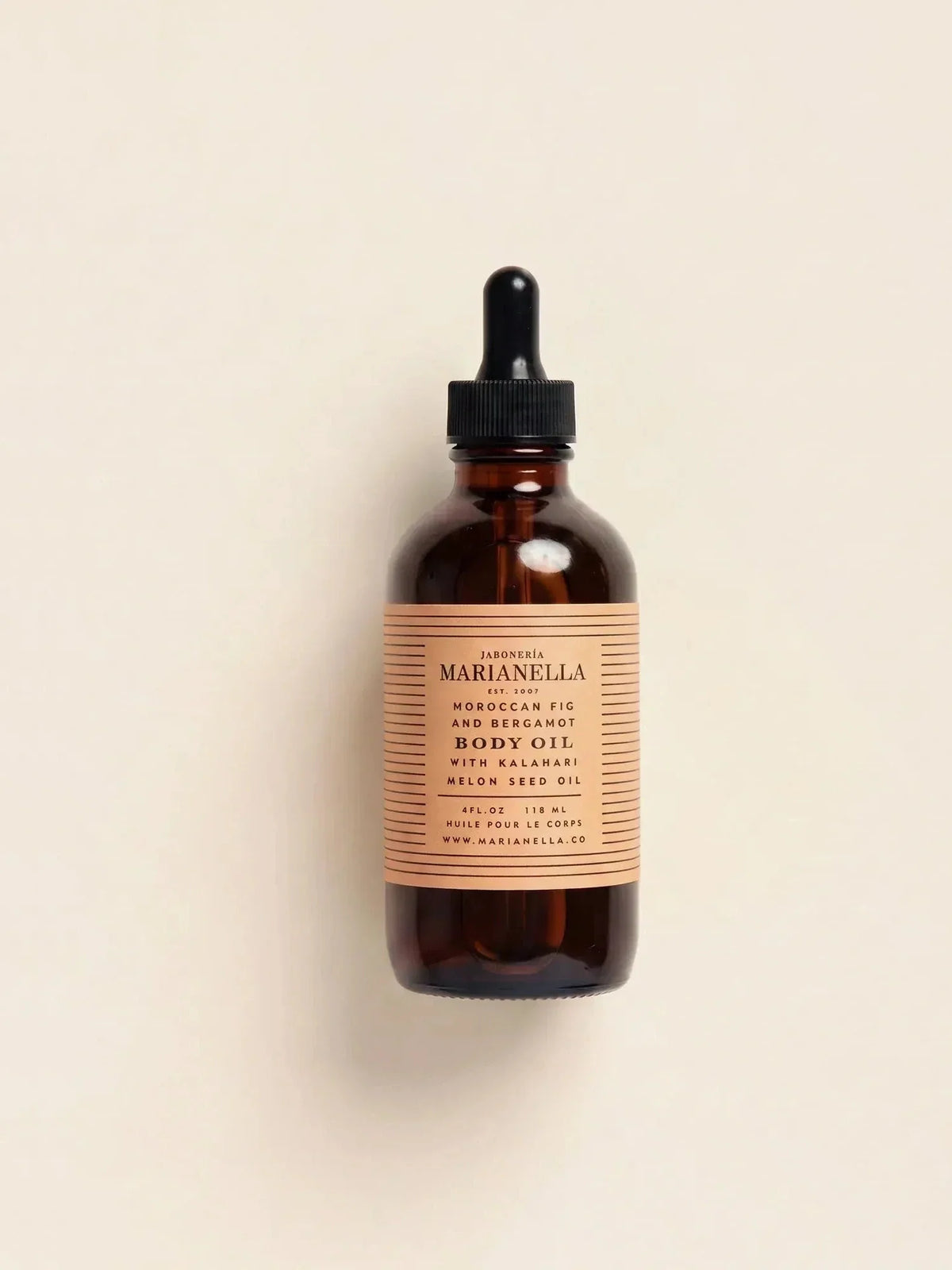
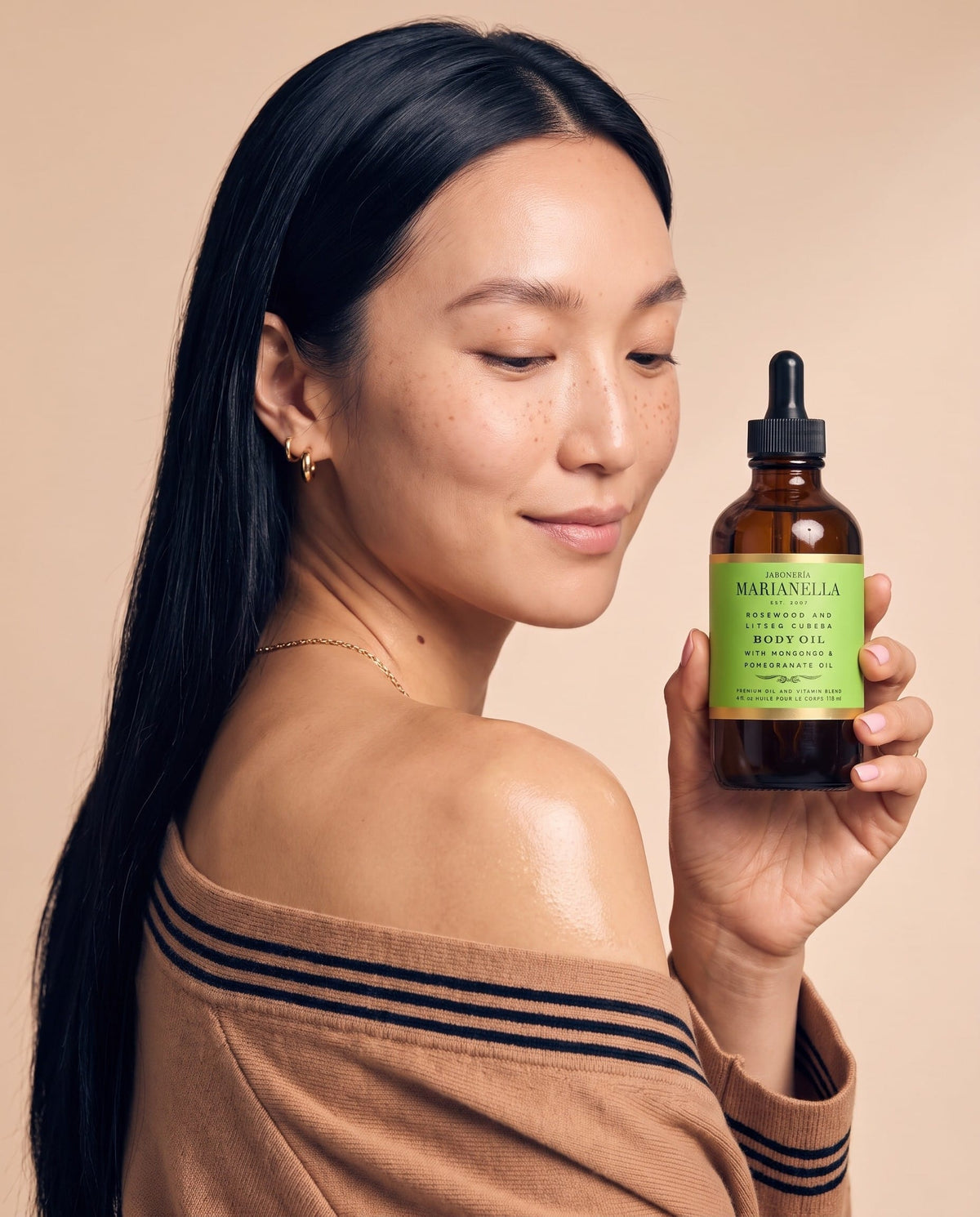
Our Imperial Jade Body Oil puts three of the four in one bottle: mongongo, Kalahari melon seed and marula, with grapeseed and argan oils and vitamin E. It glides on like silk and sinks in without a tacky film. Smoothed over damp skin straight out of the shower, it leaves shoulders, shins and elbows looking polished. It comes in Hawaiian Black Lava, Moroccan Fig and Bergamot, and Violet and Bergamot. The Rosewood and Litsea Cubeba version is its own blend, with marula and mongongo alongside grapeseed, apricot kernel, argan and pomegranate seed oils.
Marula Face Oil
For marula on its own, our Marula Face Oil is 100% pure marula seed oil with no added fragrance. It suits dry, dehydrated and mature skin especially well. Use it as your last step, or press it over a serum to help keep the evening's moisture in.
The Royal Kalahari Face Serum
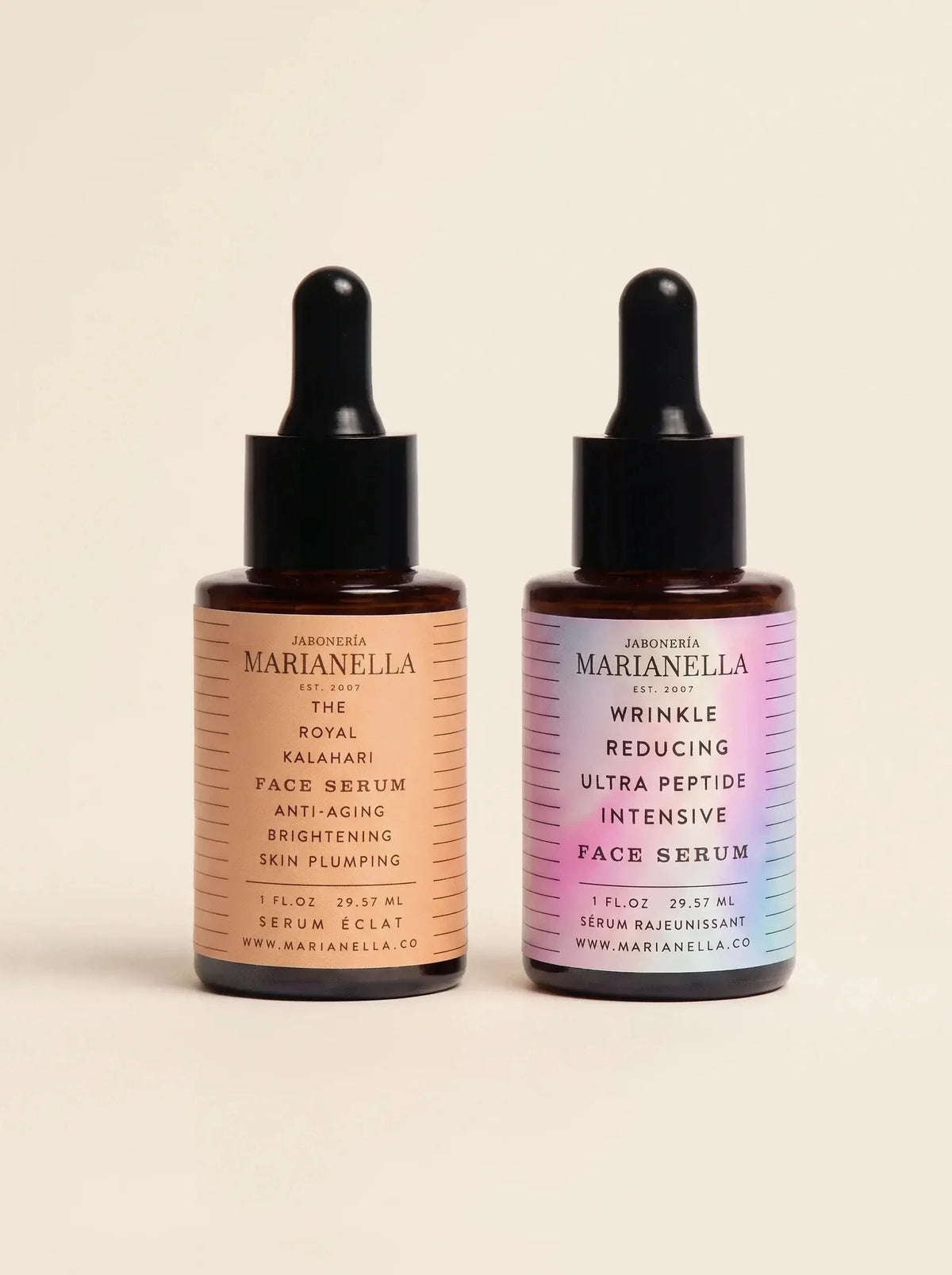
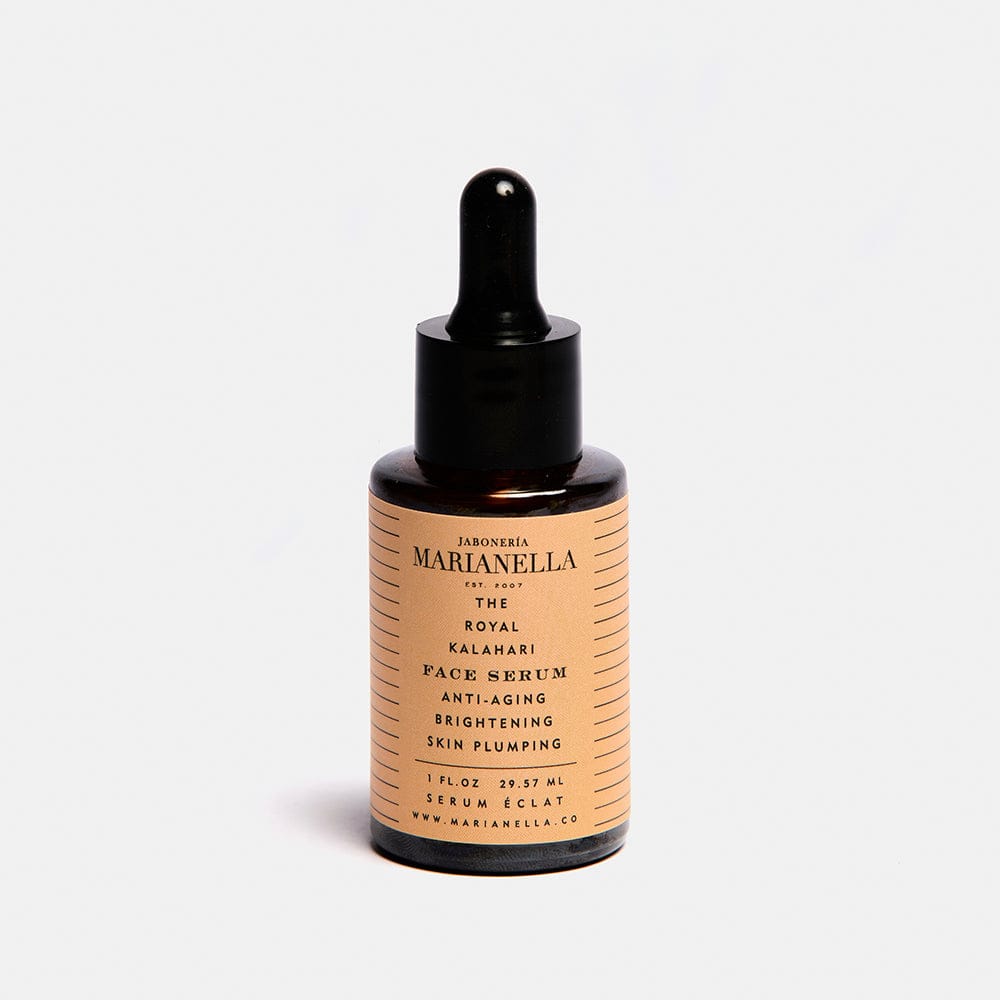
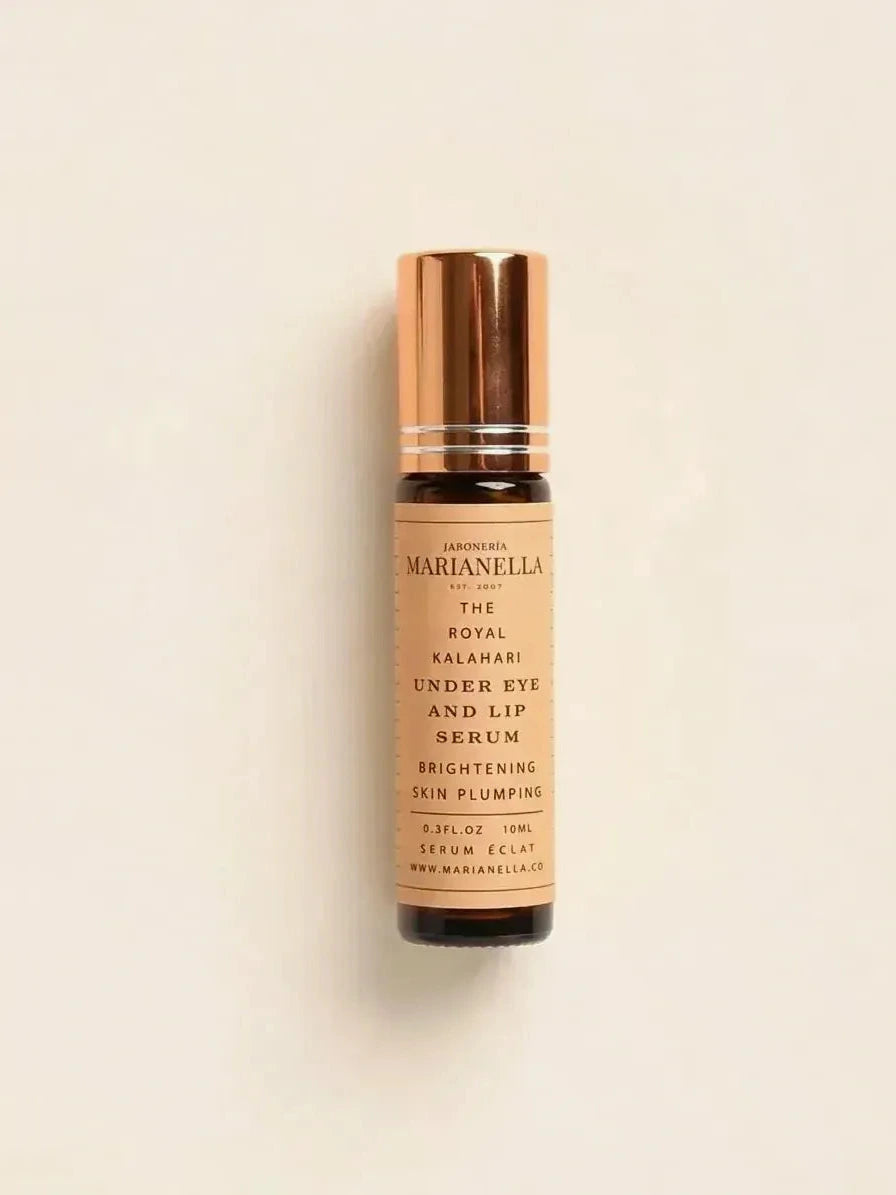
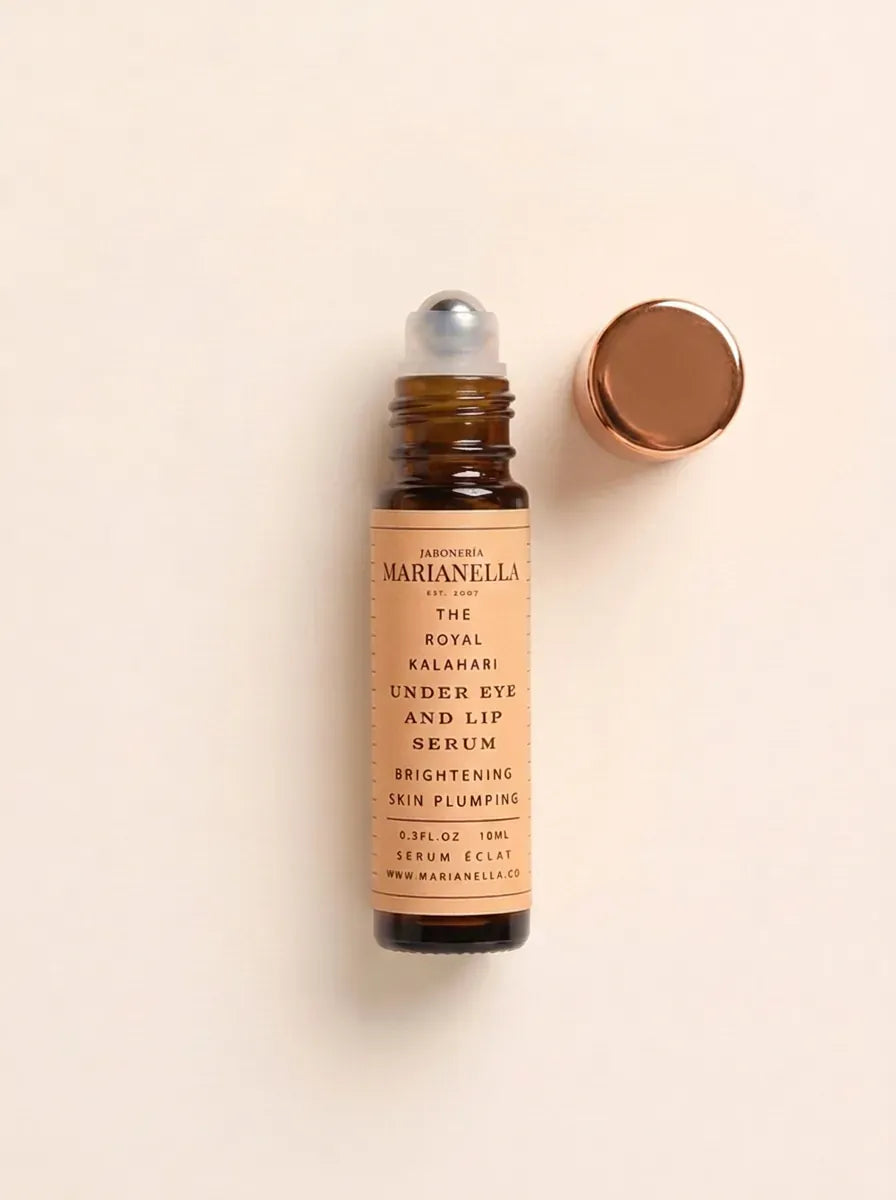
Our Royal Kalahari Face Serum, winner of People's Star Beauty Award for Best Facial Care Product, is led by Kalahari melon seed oil, with baobab and mongongo, plus camellia, passion fruit seed and tamanu oils, monoi de Tahiti and vitamins C and E. Four to six drops, pressed into face and neck morning and night, give lasting hydration without a greasy feel. The Royal Kalahari Under Eye and Lip Roller is built from the same family of oils for the thin skin under the eyes and on the lips.
The Midnight Youth Potion
The Midnight Youth Potion gathers much of the trend list into one evening oil: marula, baobab, Kalahari melon, camellia and passionfruit, among thirteen botanical oils, with niacinamide, sodium hyaluronate and a vitamin C ester. Press four to six drops into clean skin as the last step at night.
Sea buckthorn, the non-African oil on the same list
Sea buckthorn is not African. It comes from a hardy shrub of Europe and Asia. But it rises in the same trend reports for the same reasons: it is rich in carotenoids and omega fatty acids and leaves skin feeling nourished. Our Sea Buckthorn Face Oil is 100% pure and deep orange, and it warms to a faint golden tint on skin before melting into a dewy finish. Its natural color can mark fabric, so start with two drops and keep white towels away.
Choosing a dry body oil
A dry body oil is one built to sink in fast without a greasy residue, so you can wear it under clothes. The oils that make it "dry" are the light, fast ones: Kalahari melon, mongongo and grapeseed. Richer oils like marula and argan give it comfort. When you read a label, look for that balance, a few fast oils for the feel and one or two richer ones for softness. Every oil we use is listed, with where it comes from and how it feels, in our Ingredient Library.
Questions about African botanical oils
Which African oil is lightest on skin?
Kalahari melon seed oil. It is light and dry to the touch and absorbs quickly with little residue, which is why we use it across our face, hand and body care.
Is marula oil good for the body as well as the face?
Yes. It is light for an oleic oil and sinks in quickly, so it works in both. We use it in our face oil and in our Imperial Jade body oils.
Do I need a shimmer oil to get the glow-from-home look?
No. A plain, well-made body oil smoothed over damp skin leaves a soft natural sheen on its own. Shimmer simply adds a light-reflecting finish on top.





















Leave a comment
This site is protected by hCaptcha and the hCaptcha Privacy Policy and Terms of Service apply.