


Olive oil works well on dry body skin and hands, used sparingly on damp skin after a bath, but it is a less comfortable choice for the face, especially if your skin is oily or blemish-prone. It is rich in oleic acid, which softens and conditions, and it carries squalene, vitamin E and polyphenols. The same richness that makes it good on rough elbows can make it feel heavy on a face and clog pores in some people. Here is how to use it, area by area, and when a different oil will serve you better.
What makes olive oil feel the way it does
Olive oil is pressed from the fruit of the olive tree, Olea europaea. Most of it, often around three quarters or more, is oleic acid, a fatty acid that feels rich and cushioning and sinks in slowly. The rest includes smaller amounts of linoleic and palmitic acids and a small but interesting fraction of other compounds: squalene, a lipid that skin also makes for itself; vitamin E; and polyphenols, the antioxidants that give good extra virgin oil its peppery bite.
In practice, that means olive oil feels thicker and slower than light seed oils. It lingers on the skin for a while before it settles, which is pleasant on very dry patches and less pleasant on a face you are about to put makeup on.
On the body: a good fit
Dry body skin is where olive oil does its best work. Shins, elbows, knees and heels take a rich oil well, and the body is generally less prone to clogged pores than the face.
- Use it straight after a bath or shower, while skin is still damp. Oil does not add water to skin; it slows the water that is already there from evaporating.
- Use very little. A few drops spread further than you expect, and too much leaves skin slick and marks clothes.
- Give it a few minutes before you dress.
If you would rather have an oil that sinks in faster, our New Imperial Jade Body Oil is a blend of mongongo, Kalahari melon seed, marula, grapeseed and argan oils that glides on like silk and sinks in without a tacky film. It is used the same way, on damp skin straight out of the shower.
On the hands and cuticles: in small amounts
A drop of olive oil worked into dry cuticles at night is an old kitchen habit, and a sensible one. For the rest of the hand, plain oil tends to leave a film on everything you touch afterward. A hand cream that combines oils with water-binding ingredients works better through the day. Our Hydrating Hand Cream pairs Kalahari melon seed, coconut, jojoba, avocado and argan oils with aloe leaf juice and glycerin, so hands feel soft without the grease.
On the face: proceed with care
The face is where olive oil divides opinion, and for good reason.
- Oily and blemish-prone skin: olive oil is usually rated as moderately likely to clog pores, and its high oleic acid content is often linked with breakouts in skin that is already prone to them. Most people with this skin type are better off without it.
- Normal and combination skin: it can feel heavy, and a lighter oil usually suits better.
- Very dry skin: some people do enjoy a drop at night. Patch test first, use very little, and stop if your skin feels congested.
Oleic acid also loosens the orderly layers of fat in the outer skin, which is one reason it feels so softening. On a sensitive face, that loosening is not always welcome.
Lighter oils for the face
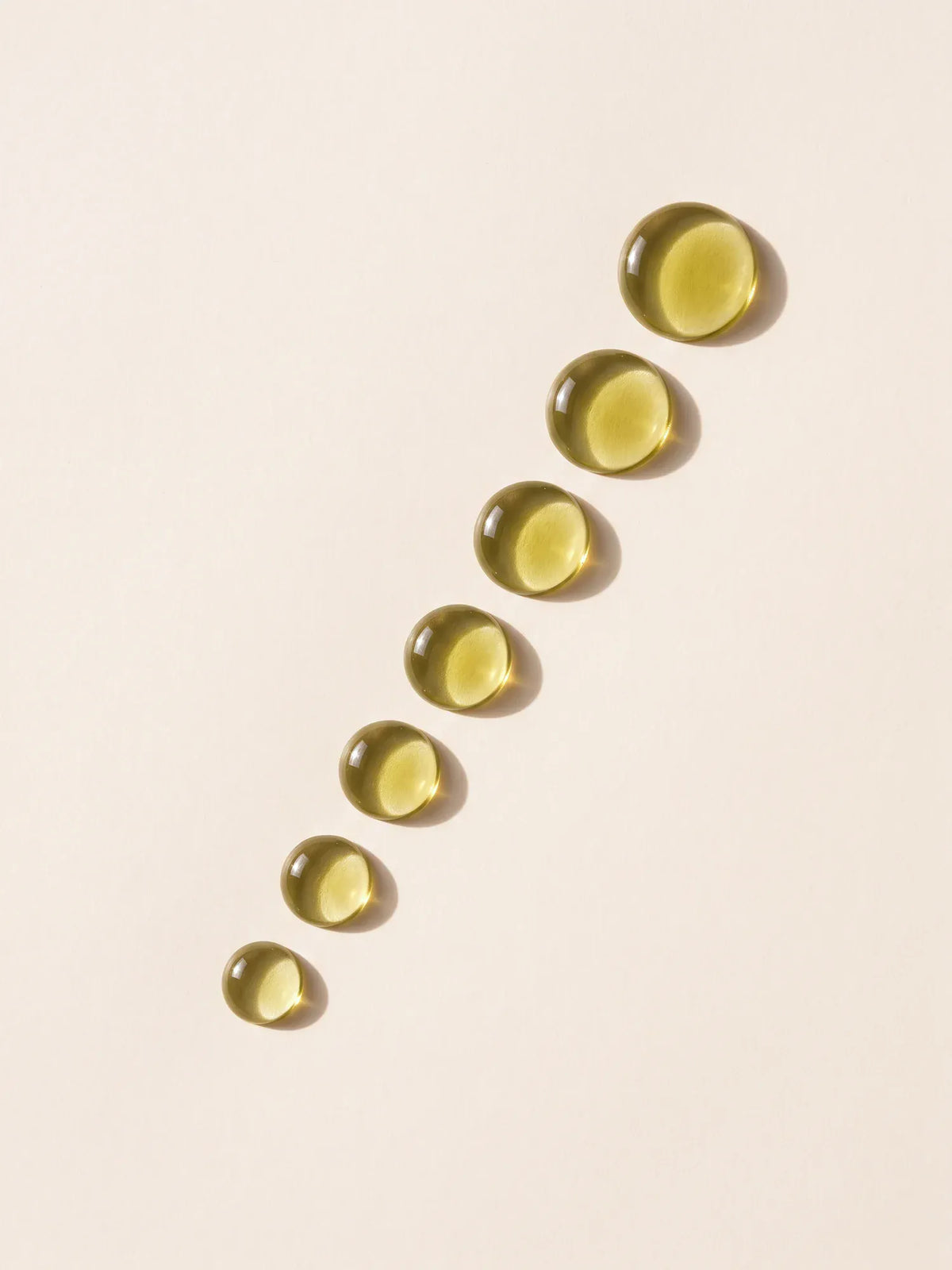
If you like the idea of an oil on your face but olive oil feels too heavy, two of ours are worth knowing. Our Squalane Face Oil comes from olives, but it is not olive oil. Squalane is a stable form of squalene, the lipid olive oil carries in small amounts, and on its own it is clear, silky and almost weightless, with no fatty acids at all. Four drops pressed into the skin leave it soft and smooth rather than shiny.
If you want the cushion of an oleic oil without the weight, our Marula Face Oil is rich in oleic acid too, yet surprisingly light for it. It sinks in within moments, leaves no film and suits dry, dehydrated and mature skin.
Kitchen oil or cosmetic oil?
The olive oil in your kitchen was made for food, not for skin. It can be fine on the body, but quality varies widely from bottle to bottle, and once a bottle has been open for months it may already be turning stale. If you use it, choose a fresh bottle of extra virgin oil, keep it cool and capped, and smell it before use: if it smells crayon-like or sour, it has gone off.
Questions we hear about putting olive oil on skin
Can I use olive oil as a body moisturizer?
Yes, on damp skin after a shower, using only a few drops. It suits dry body skin better than oily skin.
Is olive oil good for the face?
Not for most people. It can feel heavy and clog pores on oily or blemish-prone skin; a lighter oil such as squalane is usually a better choice.
Is squalane the same as olive oil?
No. Our squalane comes from olives, but it is a single, stable lipid rather than a mix of fatty acids, so it feels far lighter on the skin.
How do I know if my olive oil has gone off?
Smell it. Fresh oil smells green and fruity; old oil smells stale, sour or like crayons, and should not go on your skin.


















Leave a comment
This site is protected by hCaptcha and the hCaptcha Privacy Policy and Terms of Service apply.