


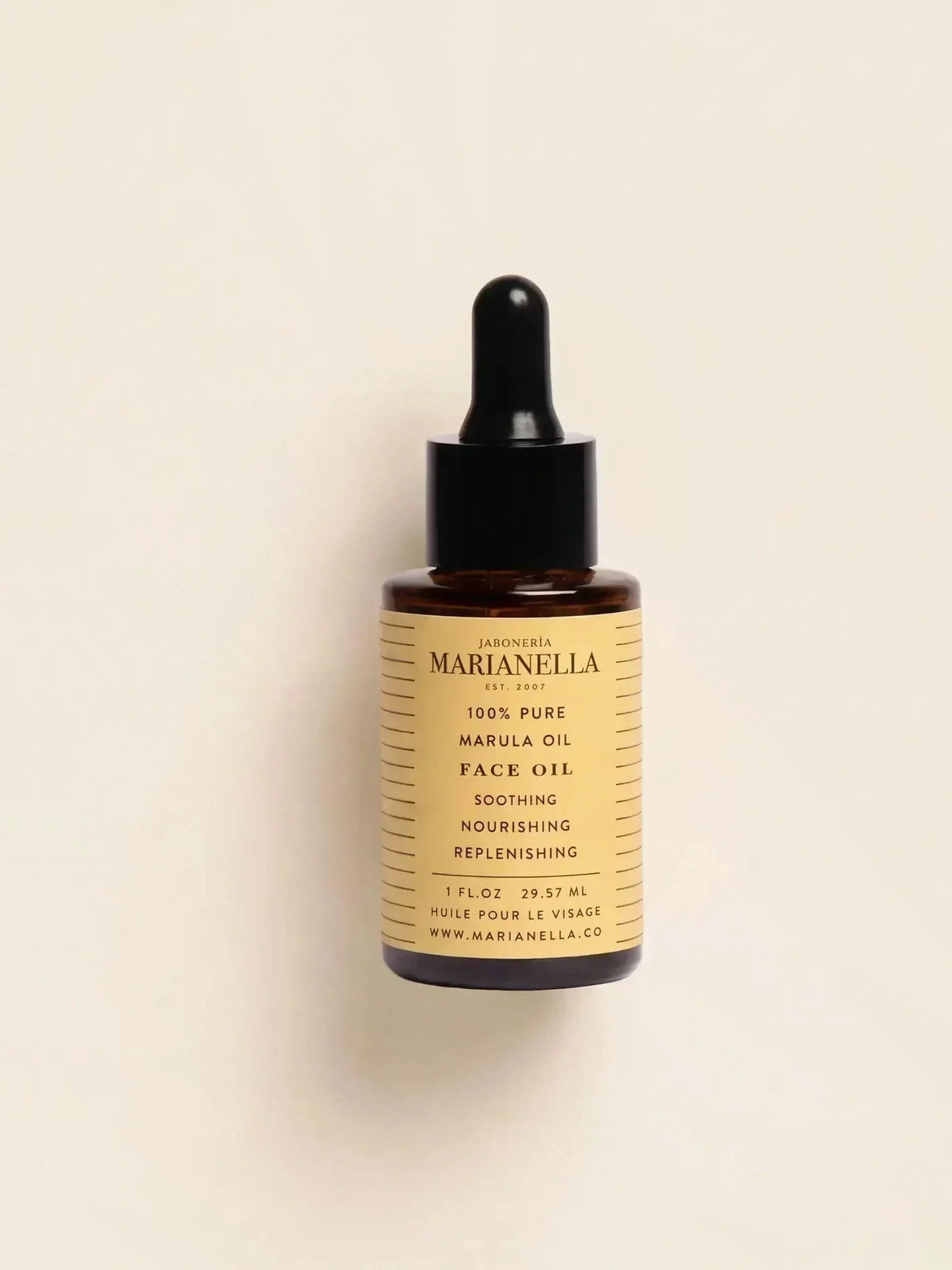
The truth about marula oil is that its best-supported benefit is the simplest one: it helps skin hold moisture and feel soft, and it does that without feeling heavy. It is also genuinely stable in the bottle and, in a small clinical study, gentle on skin. Several bigger claims made for it, that it rebuilds collagen, protects you from the sun, or is loaded with vitamin C, go further than the evidence. Here is how we sort the claims, from solid to overstated.
Well supported: moisture and softness
Marula oil is pressed from the kernel inside the stone of the marula fruit, from the Sclerocarya birrea tree of southern Africa. Most of it is oleic acid, with smaller amounts of palmitic and linoleic acid. Those fatty acids are similar to the oils skin makes for itself.
Like other plant oils, marula leaves a thin layer on the surface that slows water loss from the skin. In the small clinical study most often quoted, marula oil moisturized very dry skin and, on normal skin, formed a film that held water in. That is a modest, believable result, and it matches what you feel: skin that is softer, more comfortable and less tight a few minutes after a few drops.
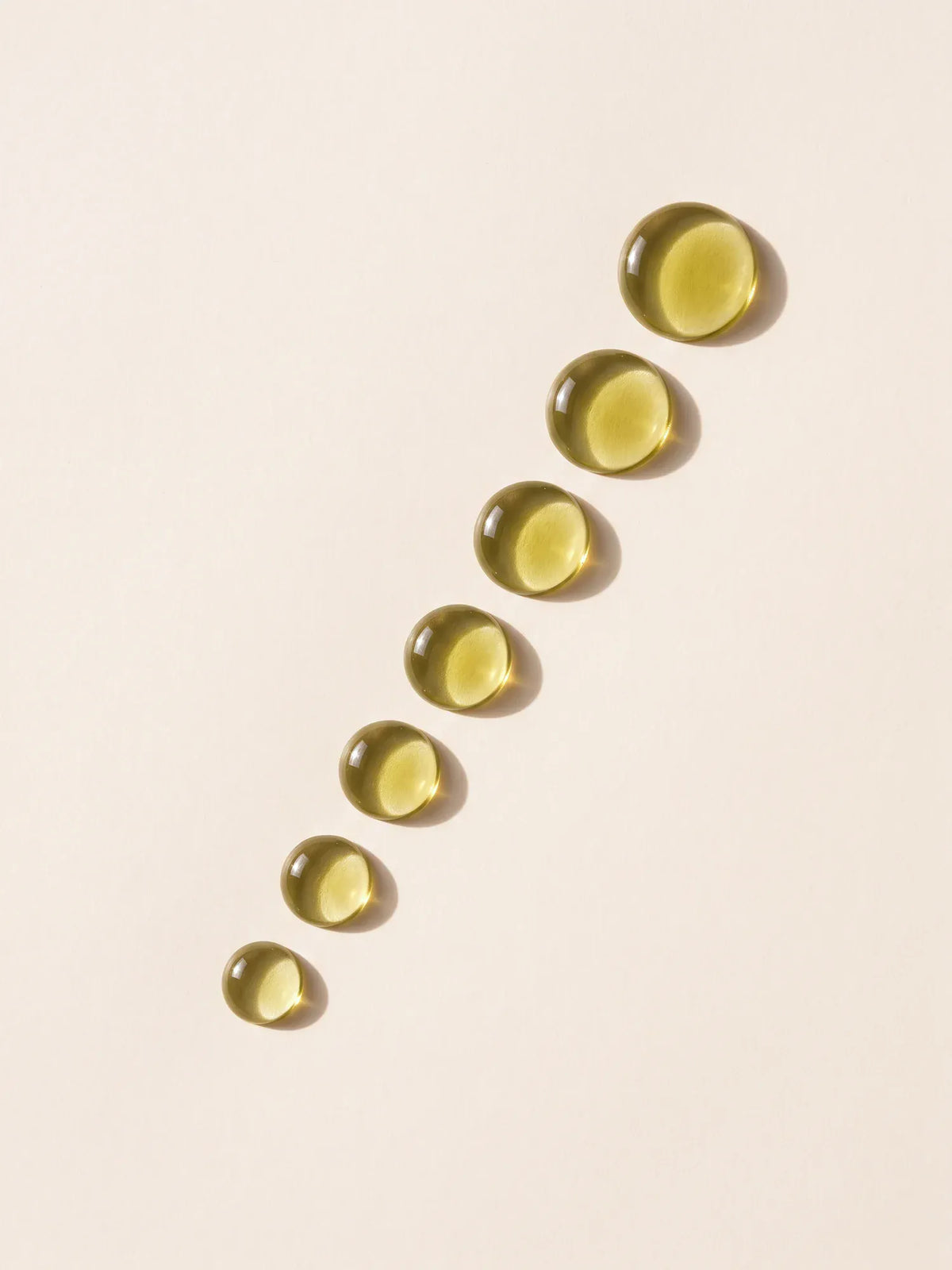
The unusual part is the texture. Oils this rich in oleic acid are usually slow and heavy. Marula sinks in quickly and leaves no film. That is not a dramatic claim, but it is the reason people keep using it.
Well supported: it keeps well
Marula oil has a fatty acid profile not far from olive oil, yet it is many times more resistant to going rancid. It contains natural vitamin E and other plant antioxidants that help protect the oil itself. In practice, that means a bottle of marula stays fresh on the shelf longer than most plant oils, which matters for a product made in small batches without added stabilizers. Keep it capped and out of the sun and it keeps well.
Reasonable: gentle on most skin
The same study found that marula oil did not irritate the skin of the people tested. That fits its reputation as an easy oil for sensitive and dry skin. It is one small study, though, and no oil suits everyone. Marula comes from a fruit kernel, so anyone who reacts to nuts or kernels should be cautious, and anyone trying it for the first time should patch test.
Promising, not proven on your face: antioxidants and fine lines
Marula oil contains antioxidants, including vitamin E, catechins and procyanidins. It is fair to say these help protect the oil, and that an oil rich in them is a good thing to put on skin. It is a step further to say marula visibly slows aging. What we can say plainly is that skin that holds its moisture looks smoother and more supple, and fine lines from dryness look softer when skin is well moisturized. That is the honest version of the anti-aging claim.
Overstated: collagen and firmness
You will read that marula oil builds collagen or stops it breaking down. Those claims come from laboratory experiments on enzymes and cells, not from people using the oil on their faces. Lab results like that are a reason for researchers to keep looking. They are not a reason to promise a firmer face, and we do not.
Overstated: sun protection
Some articles describe marula oil as protecting skin from the sun. Marula oil is not a sunscreen and should never be used instead of one. Wear it under sunscreen in the morning, not in place of it.
Overstated: four times the vitamin C of an orange
This figure gets repeated often. It is usually traced to the marula fruit, not to the oil pressed from its kernel, and we have not seen it shown for the oil. Vitamin E is the antioxidant we can name with confidence, and it is the one listed on our product page.
Overstated: it drives other ingredients deeper
Oleic acid has been studied for loosening the outer layer of skin, and some writers turn that into a promise that marula pushes your serum deeper. There is no good evidence that a few drops of marula oil on your face do this in any meaningful way. Use it after your serum because oil goes on after water, and because it helps hold that serum's moisture in. That is reason enough.
What we say about our own marula products
Our Marula Face Oil is 100% pure marula seed oil with no added fragrance. We describe it the way it behaves: velvety and cushiony, quick to sink in, helping skin hold moisture and leaving a plush, quietly luminous finish that suits dry, dehydrated and mature skin especially well. Marula is also one of the thirteen oils in The Midnight Youth Potion, our evening oil-serum, and it is in our Imperial Jade body oils.
Questions about marula oil claims
Does marula oil contain vitamin C?
The high vitamin C figures usually quoted belong to the fruit, not the oil. The antioxidant we can name with confidence in marula oil is vitamin E.
Can marula oil replace sunscreen?
No. Marula oil is not a sunscreen. In the morning, press it in after your serum and put sunscreen on top.
Does marula oil clog pores?
It sinks in quickly and leaves no film, and many people with combination skin use it without trouble. We do not make a pore claim, so if your skin is blemish-prone, start with two drops at night and see how it responds.
Will marula oil help with fine lines?
It helps skin hold moisture, and well-moisturized skin looks smoother, so fine lines from dryness look softer. It does not change the structure of the skin.





















Leave a comment
This site is protected by hCaptcha and the hCaptcha Privacy Policy and Terms of Service apply.