


The truth about jojoba oil is that it is a liquid wax, not a true oil, and its likeness to the waxes in skin's own oil is real. That is why it feels so comfortable, rarely clogs pores and resists going rancid. The claims built on top of that fact, that it "tells" skin to make less oil, that it works like a medicine, or that it rebuilds collagen, rest on much thinner evidence. Here is what holds up and what to read with care.
What jojoba actually is
Jojoba, Simmondsia chinensis, is a hardy shrub of the Sonoran Desert in the south-western United States and northern Mexico. Its seeds are about half liquid wax by weight, and that wax is what we call jojoba oil. Chemically it is very different from olive, almond or sunflower oil. Those are triglycerides, three fatty acids hung on a glycerin backbone. Jojoba is 97 to 98 percent wax esters: long chains made by joining a fatty acid to a fatty alcohol.
On the skin that structure shows up as a light, silky glide that turns dry to the touch, and an unusual stability. Jojoba resists oxidation far better than most plant oils, so it stays fresh in the bottle for a long time.
The sebum likeness: true, with limits
Human sebum, the oil skin makes, is a mix: roughly a third triglycerides, a quarter wax esters, plus free fatty acids, squalene and cholesterol. Jojoba is almost all wax esters, built from fatty acids and alcohols of similar lengths to the ones in sebum.
What holds up: jojoba resembles one important part of sebum, which helps explain why it feels so familiar on skin and is so rarely a problem. What is overstated: it is not "identical to sebum," and it does not replace the other components. Think of it as a close cousin, not a copy.
Claim: it balances oil production
You will read that jojoba "signals" oil glands to slow down, so oily skin makes less oil. One small study did report less surface oil after four weeks of regular use on oily skin. That is an interesting result, but it is a single study, and the signaling explanation is a theory, not something it measured.
Our view: jojoba is a comfortable, light choice for oily and combination skin because it does not feel heavy or greasy. Whether it changes how much oil your skin makes is not settled.
Claim: it rebuilds collagen
This comes from a 2024 study that applied jojoba wax to pieces of human skin kept alive in a laboratory dish. The researchers measured more collagen and hyaluronic acid activity in the tissue. It is careful science and worth knowing about, but skin in a dish is not a face, and the result has not been shown in people.
Our view: promising lab work. What jojoba does for fine lines on a real face is help keep skin soft and well moisturized, which makes them look less pronounced.
Claim: it works like a medicine
Many jojoba articles list a long run of medical-sounding properties, from fighting germs to lowering fever. These come from laboratory studies, traditional uses and reviews of jojoba's chemistry. Some are interesting; none are claims we make for a cosmetic, and a skin-care oil should not be chosen for them.
Our view: leave these out of the decision. Choose jojoba for how it feels and what it does for moisture.
What does hold up: moisture and comfort
The best human evidence for jojoba is about moisture loss. In an eight-week study where volunteers' skin barrier was first disrupted by exfoliation, jojoba reduced the water escaping through the skin, a sign of a better-functioning surface. Formulation studies have also found creams with more jojoba moisturized better than those with less.
Add its long track record of being well tolerated and its low tendency to clog pores, and you have the honest case for jojoba: a stable, comfortable, light ingredient that helps skin hold its moisture, suited to almost every skin type.
Where we use it, and where we do not
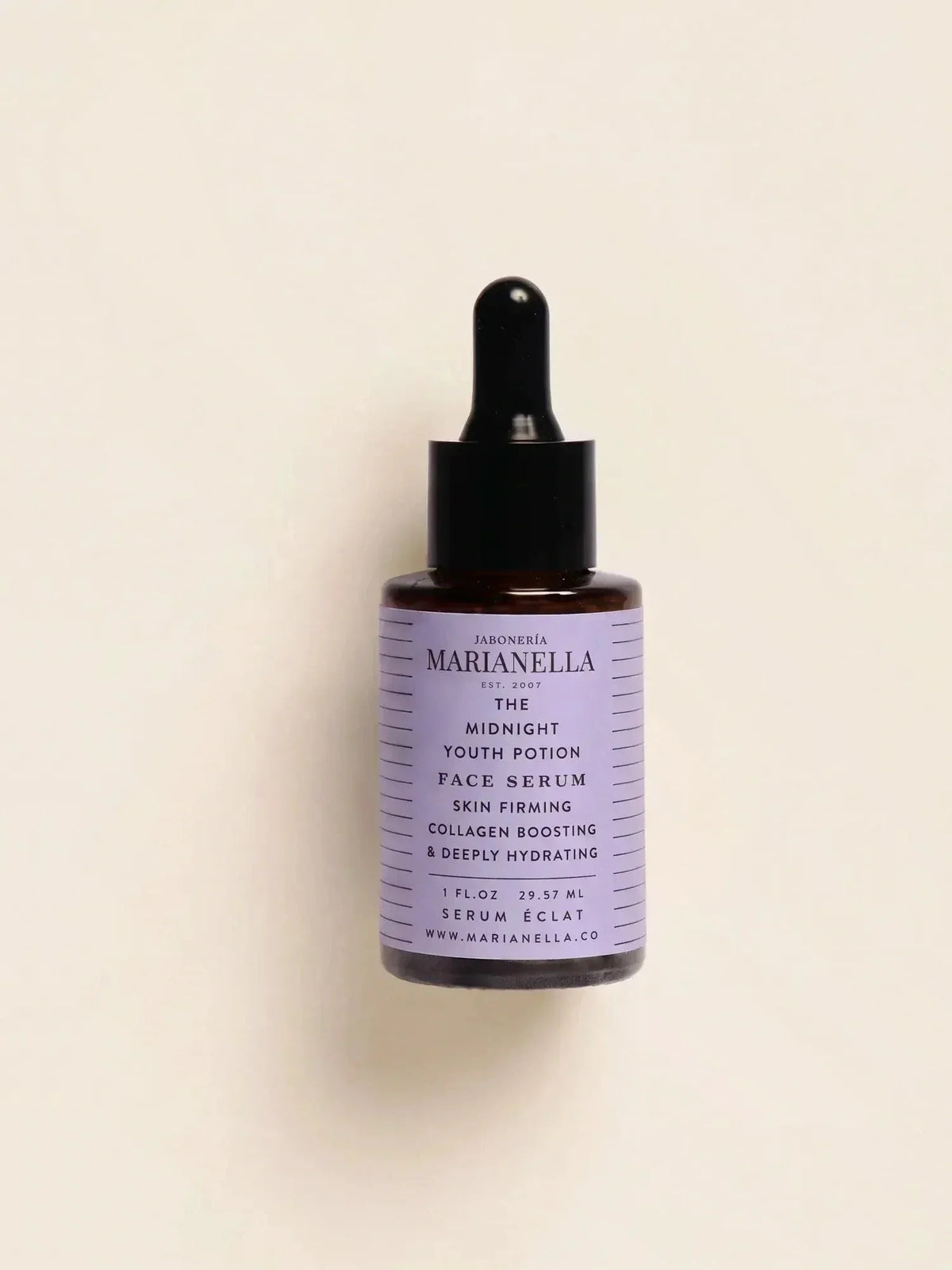
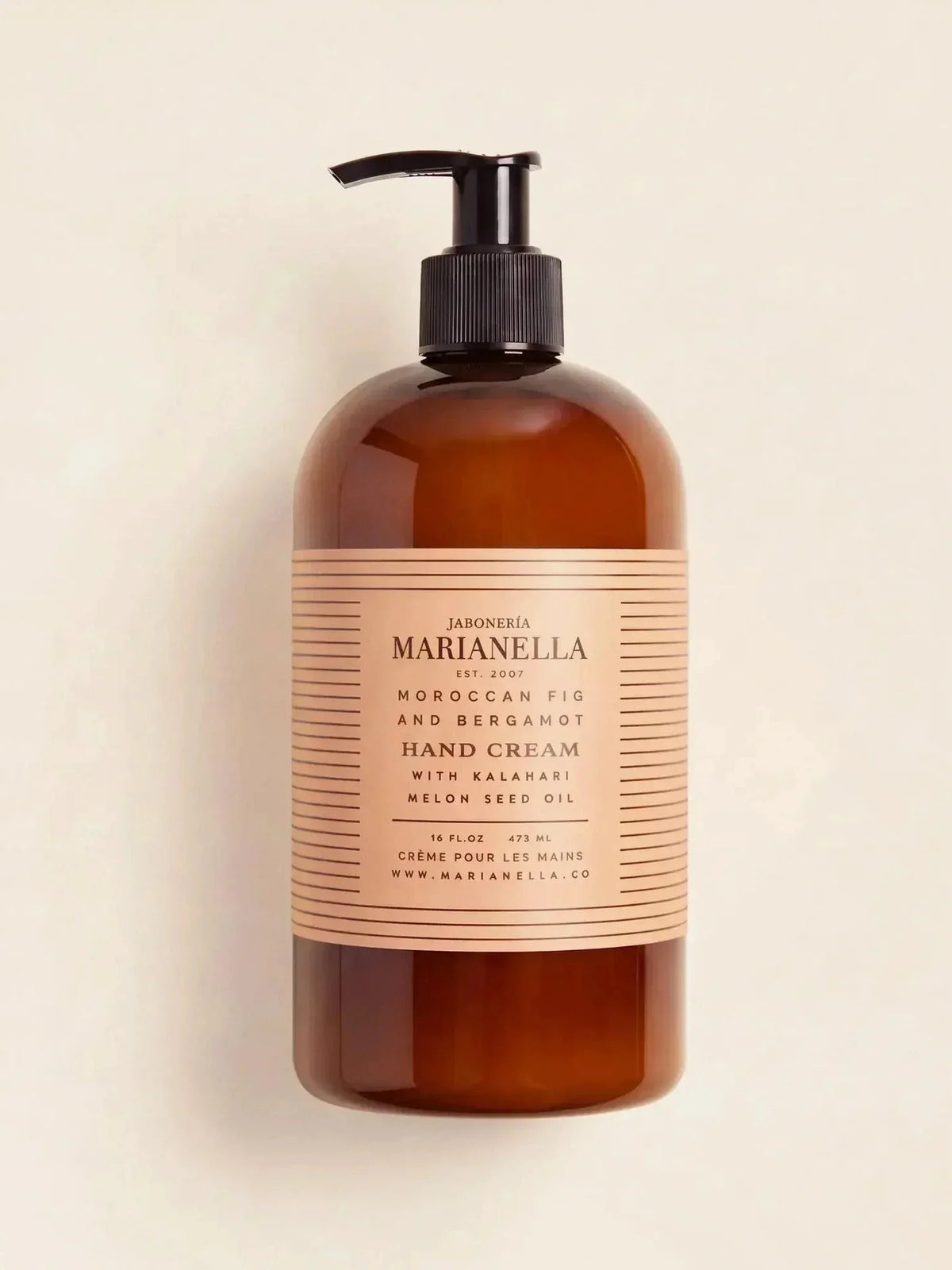
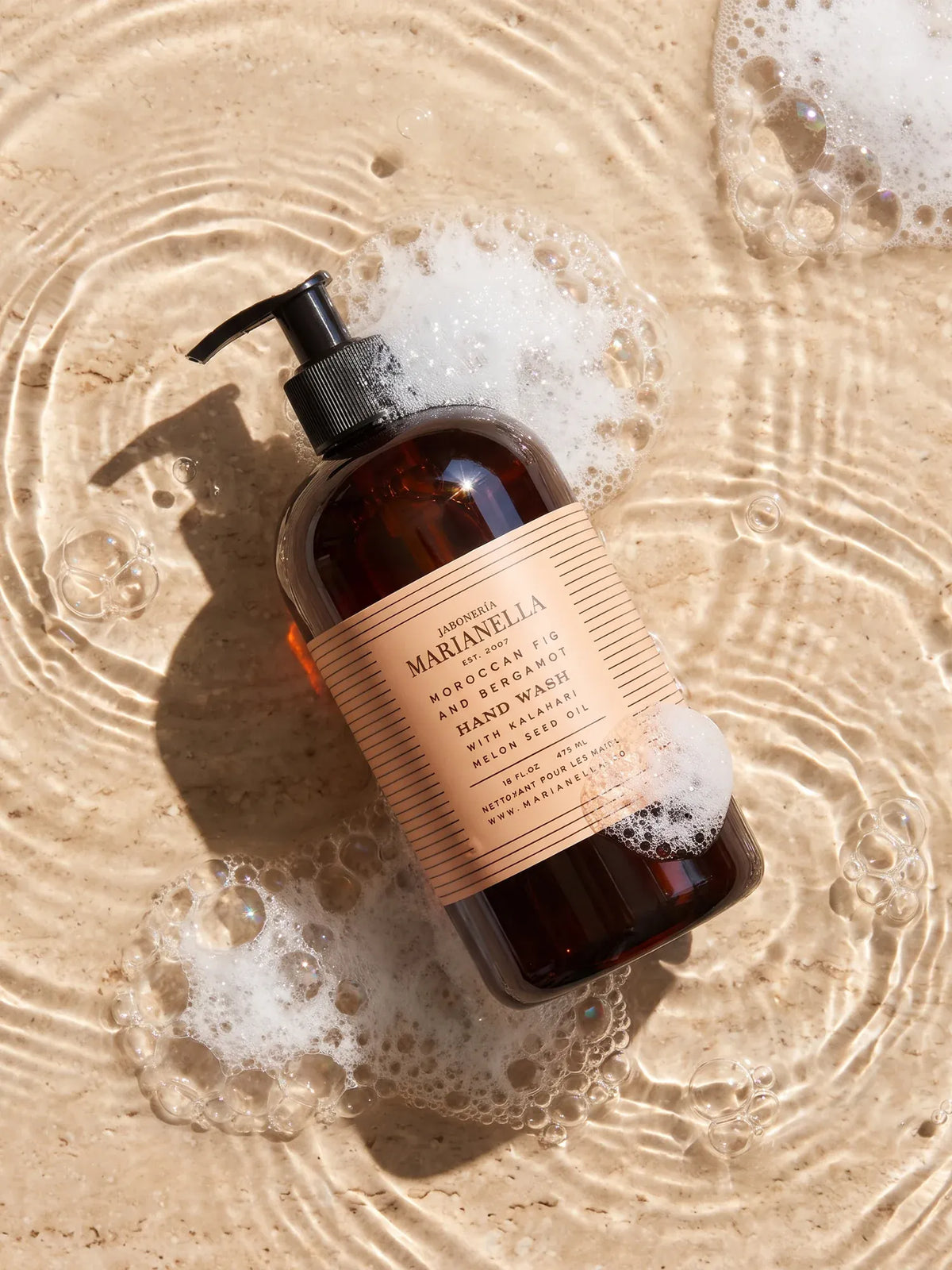
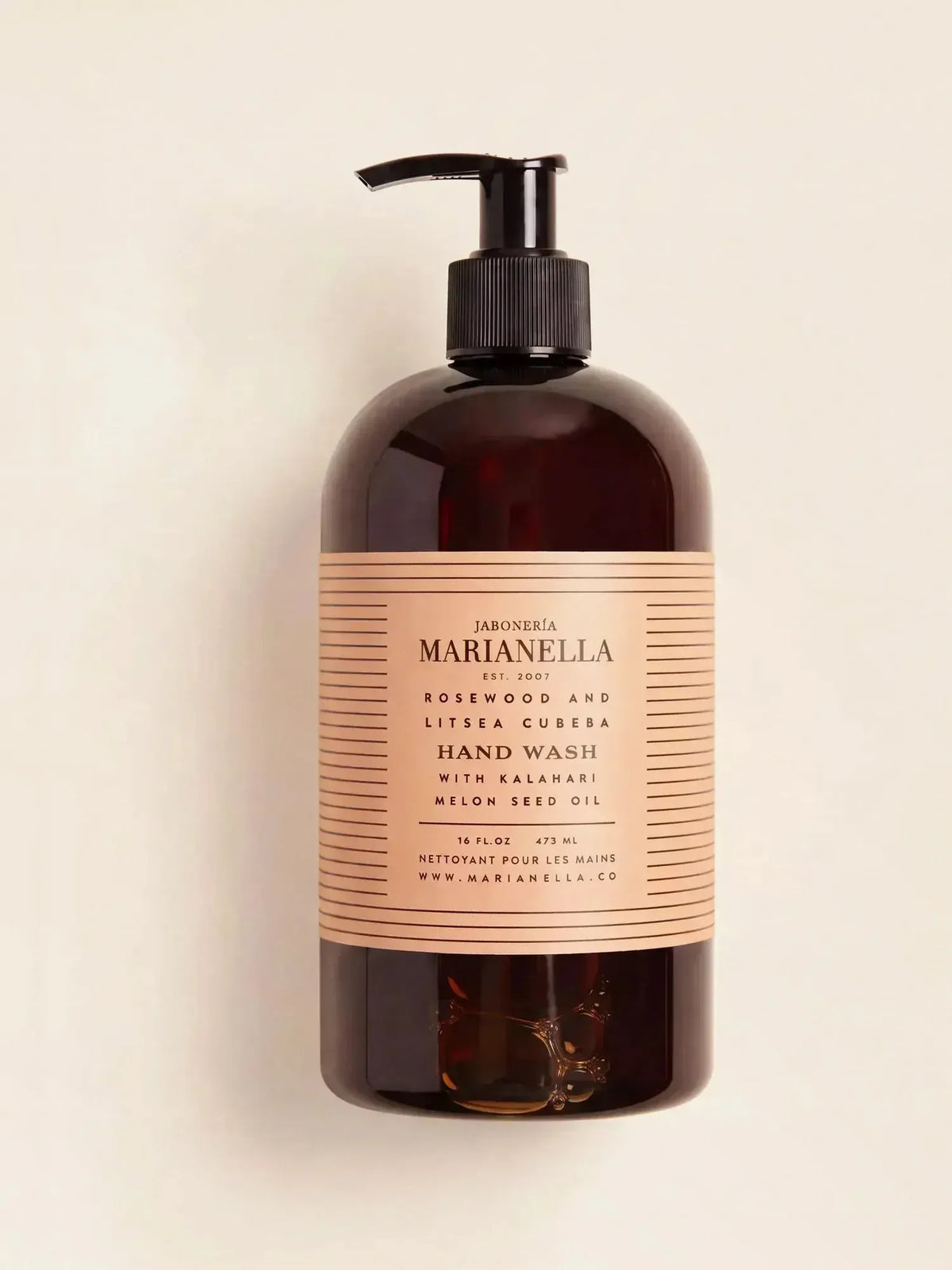
Jojoba is one of the thirteen botanical oils in The Midnight Youth Potion, our evening oil-serum, where it helps the blend settle in quickly. It is also in our Replenishing Body Wash, Hydrating Hand Wash, Hydrating Hand Cream, Rejuvenating Body Cream and GRR Oil Beard Oil.
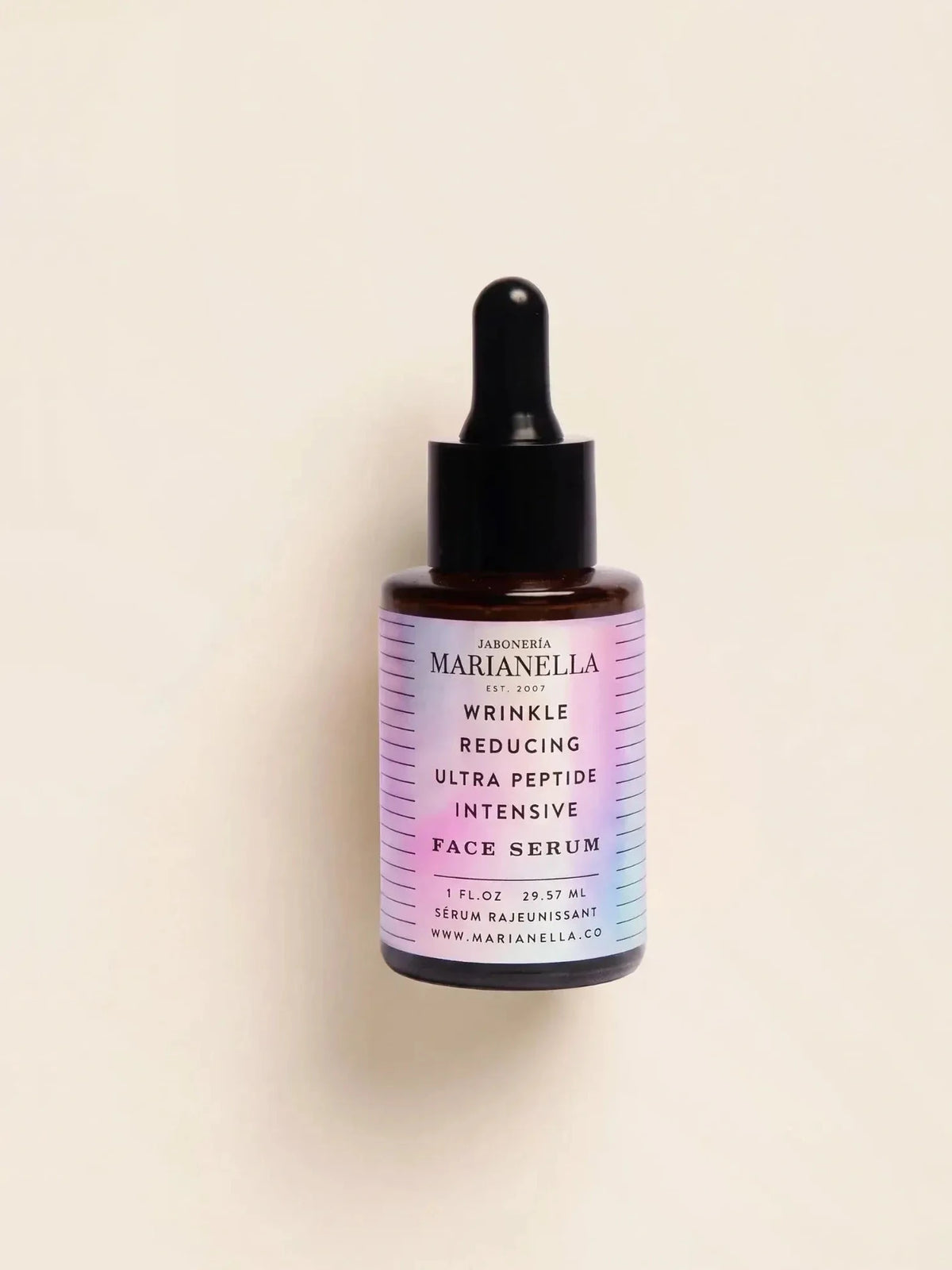
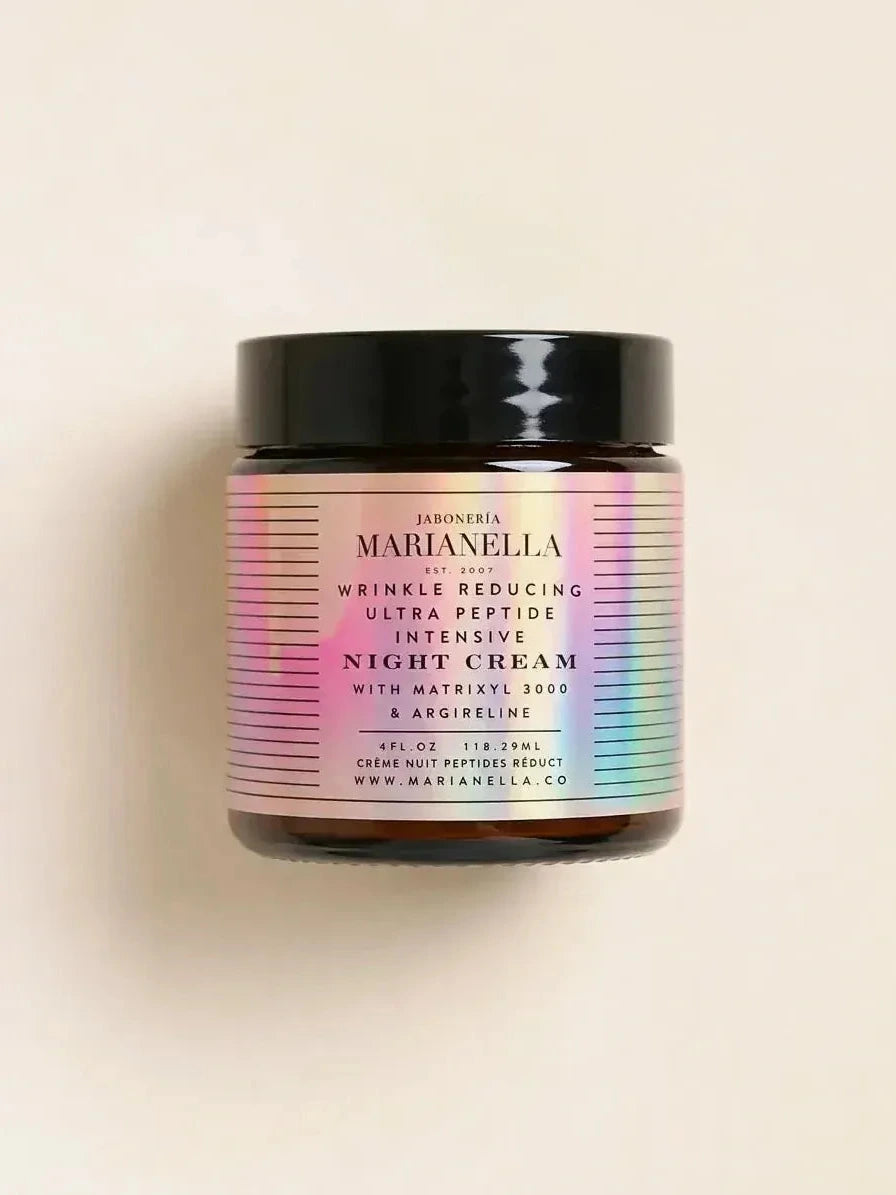
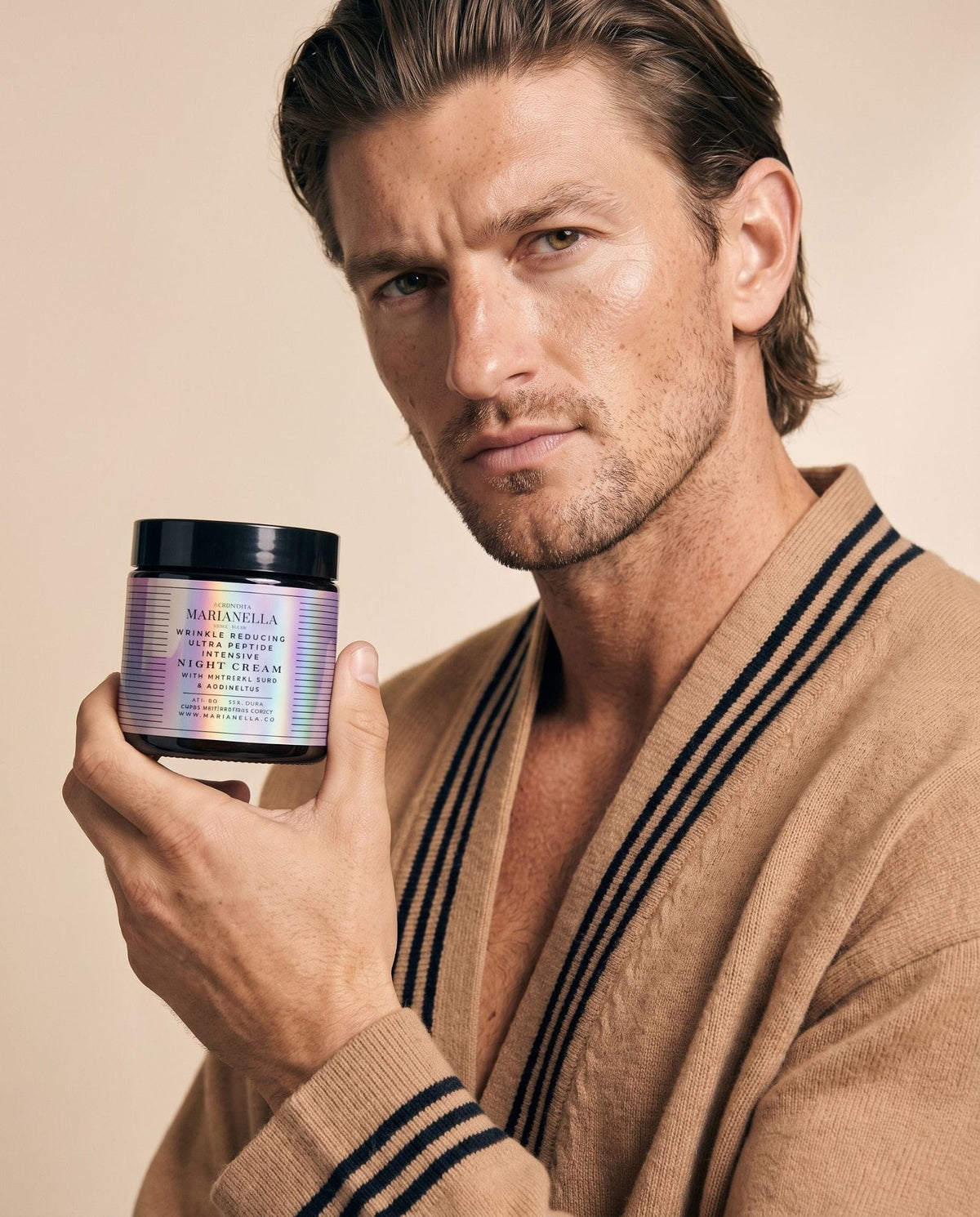
It is not in our Wrinkle Reducing Ultra Peptide Intensive Night Cream. That cream relies on rosehip seed oil, sorbitol and sodium hyaluronate for moisture, with three peptides, and a specialist cosmetic lab makes it for us. Every ingredient we use, and the products it is found in, is listed in our Ingredient Library.
Questions we hear about jojoba oil
Does jojoba oil stop skin from making oil?
Not reliably. One small study saw less surface oil after four weeks, but that is not enough to say jojoba changes oil production. It is, however, light enough to suit oily skin.
Is jojoba oil safe for sensitive skin?
It is one of the best-tolerated plant ingredients, and reactions are rare. As with anything new, patch test first.
Which of your night products contain jojoba?
The Midnight Youth Potion. Our Ultra Peptide Night Cream does not contain jojoba.
Is jojoba oil really a wax?
Yes. It is liquid at room temperature, but chemically it is almost entirely wax esters rather than the triglycerides that make up most plant oils.


















Leave a comment
This site is protected by hCaptcha and the hCaptcha Privacy Policy and Terms of Service apply.