


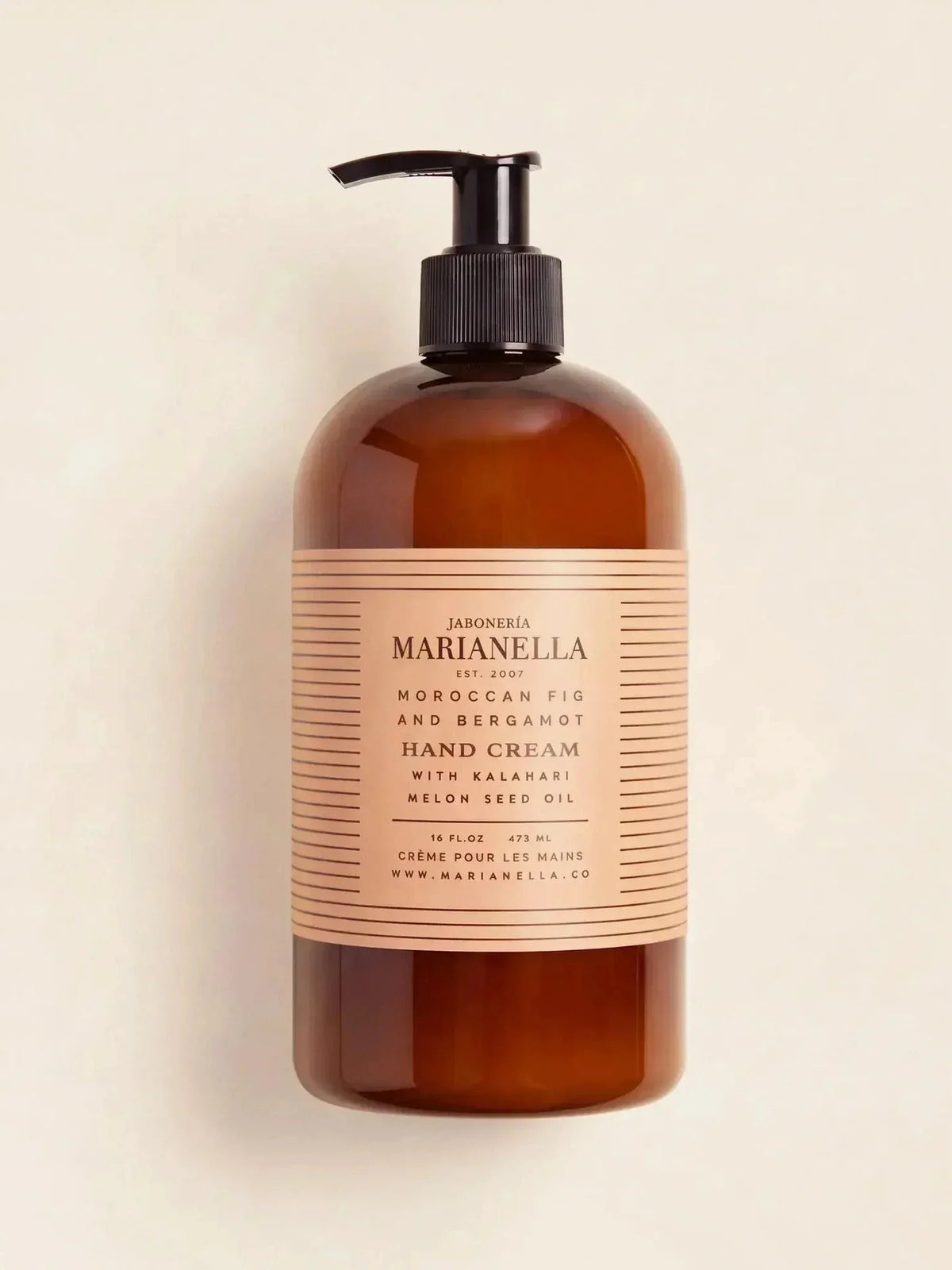
The right way to use our Hydrating Hand Cream is a small amount, often: one press of the pump on hands that are still faintly damp from washing, worked over the backs, between the fingers, into the cuticles and around the wrists. Do that after each wash and again before bed, and dry hands stay soft and comfortable through the day. Most of the trouble people have with hand cream comes from a handful of habits, and each one is easy to change.
Our Hydrating Hand Cream with Kalahari Oil is made to be used this way. It is light and silky, built on Kalahari melon seed oil with aloe, glycerin and a blend of plant oils, and it sinks in to a soft-touch finish with no grease. Here are the six habits we see most often, and what to do instead.
Six habits worth changing
1. Waiting until your hands feel tight
By the time your knuckles feel stiff and the skin pulls when you make a fist, your hands have been drying out for hours. Apply the cream after each wash instead, before the tightness arrives. Little and often keeps hands comfortable in a way that one rescue application at the end of the day does not.
2. Applying it to bone-dry hands
Many people towel their hands completely dry, wait, and then apply cream. Try the opposite. Shake off the water, leave your hands just barely damp, and apply straight away. The aloe and glycerin in the formula help skin hold onto that trace of moisture, and the same amount of cream feels noticeably more comfortable by the afternoon.
3. Using too much at once
A big dollop does not soak in faster; it sits on the surface and ends up on the next thing you touch. One press of the pump covers both hands. If you need more, add a second small amount rather than starting with a large one.
4. Rubbing the palms together and stopping
Palms are the part of the hand that needs cream least. Spread it over the backs of your hands first, from knuckles to wrist. Then lace your fingers and slide them apart so the cream reaches the sides of each finger and the webbing between them. Finish by pressing a little into each cuticle and around the wrists.
5. Keeping the bottle out of sight
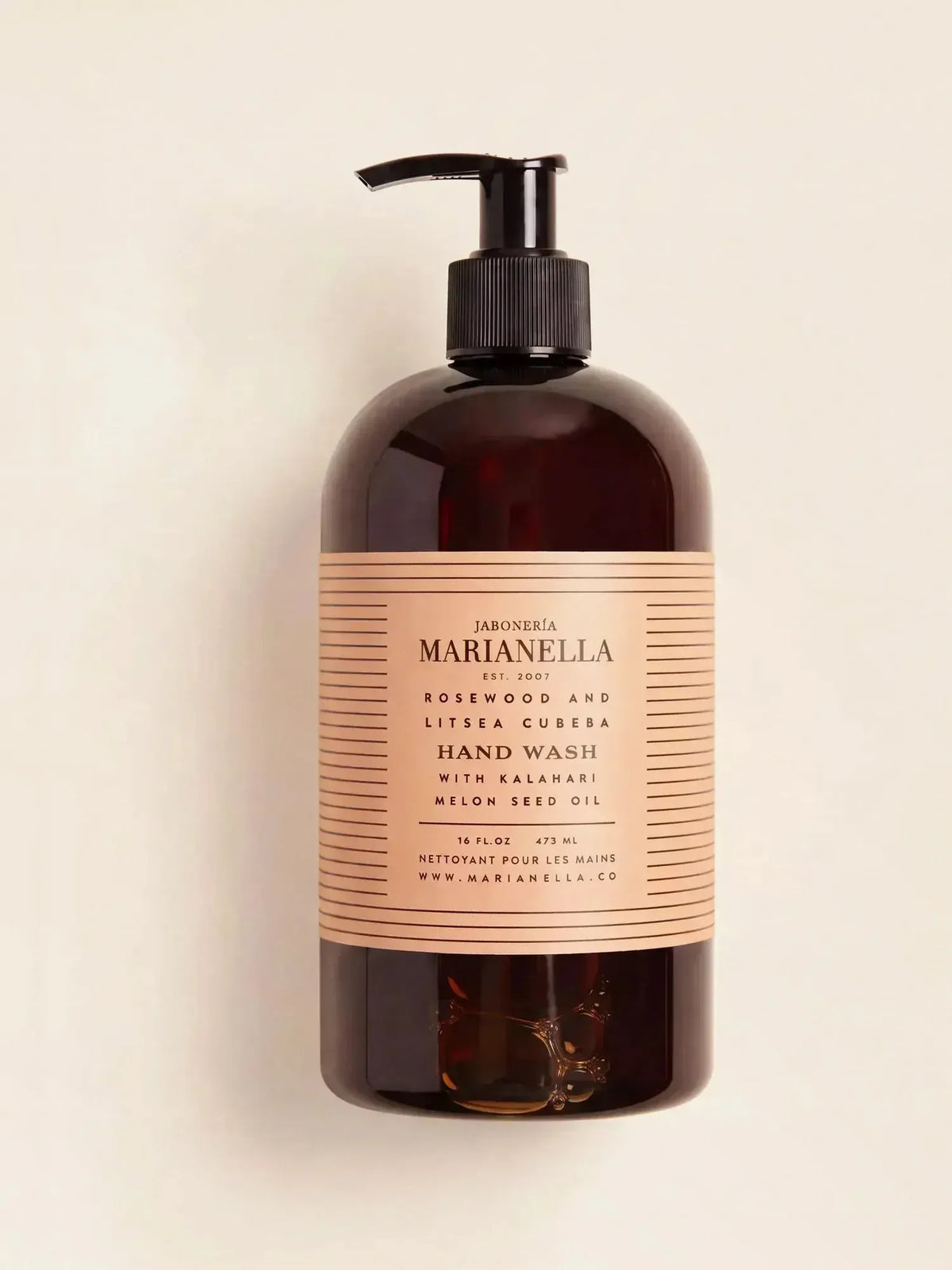
A hand cream in a drawer is a hand cream you forget. The 16 fl oz pump bottle is made to stand beside a sink. Keep one by the kitchen sink and another at your desk, or in the bathroom, wherever your hands get washed most.
6. Forgetting nights and cold days
The two hardest times for hands are overnight, when they go hours without attention, and outdoors in the cold. Before bed, use a slightly more generous amount and work it in slowly. You do not need cotton gloves; the cream is light enough not to transfer much to the sheets. Before going out in the cold, apply a layer and let it sink in before you pull on your gloves.
Why the details make a difference
Each of these habits comes back to how the cream is built. Kalahari melon seed oil is light and absorbs quickly with little residue, so the cream works best in thin layers rather than thick ones. Aloe leaf juice and glycerin add hydration, which is why a trace of water on the skin helps. And the cushioning oils, coconut, sunflower, jojoba, avocado, argan and borage, do their softening where you put them, which is why the cuticles and the sides of the fingers need deliberate attention.
In short: thin layers, often, on damp skin, covering the parts of the hand that get skipped.
A quick check
If you are using the cream well, a few things should be true:
- It disappears from the surface within a minute, and you can touch paper or a screen without leaving a mark.
- Your knuckles and the skin around your nails feel soft by the end of the day, not just your palms.
- You are reaching for it several times a day without thinking about it, because it is always within reach.
If the cream is still sitting on your hands after a minute, use less. If your hands feel tight by mid-afternoon, use it more often rather than more heavily.
Questions about using hand cream well
Should I put hand cream on wet or dry hands?
Faintly damp. Shake off the water after washing and apply straight away; the aloe and glycerin help skin hold onto that moisture.
Do I need to wear gloves over it at night?
No. Use a slightly more generous amount before bed and work it in slowly. The cream is light enough that it does not transfer much.
Why does my hand cream feel greasy?
Usually because too much went on at once. With this cream, one press of the pump covers both hands and sinks in within a minute.




















Leave a comment
This site is protected by hCaptcha and the hCaptcha Privacy Policy and Terms of Service apply.