





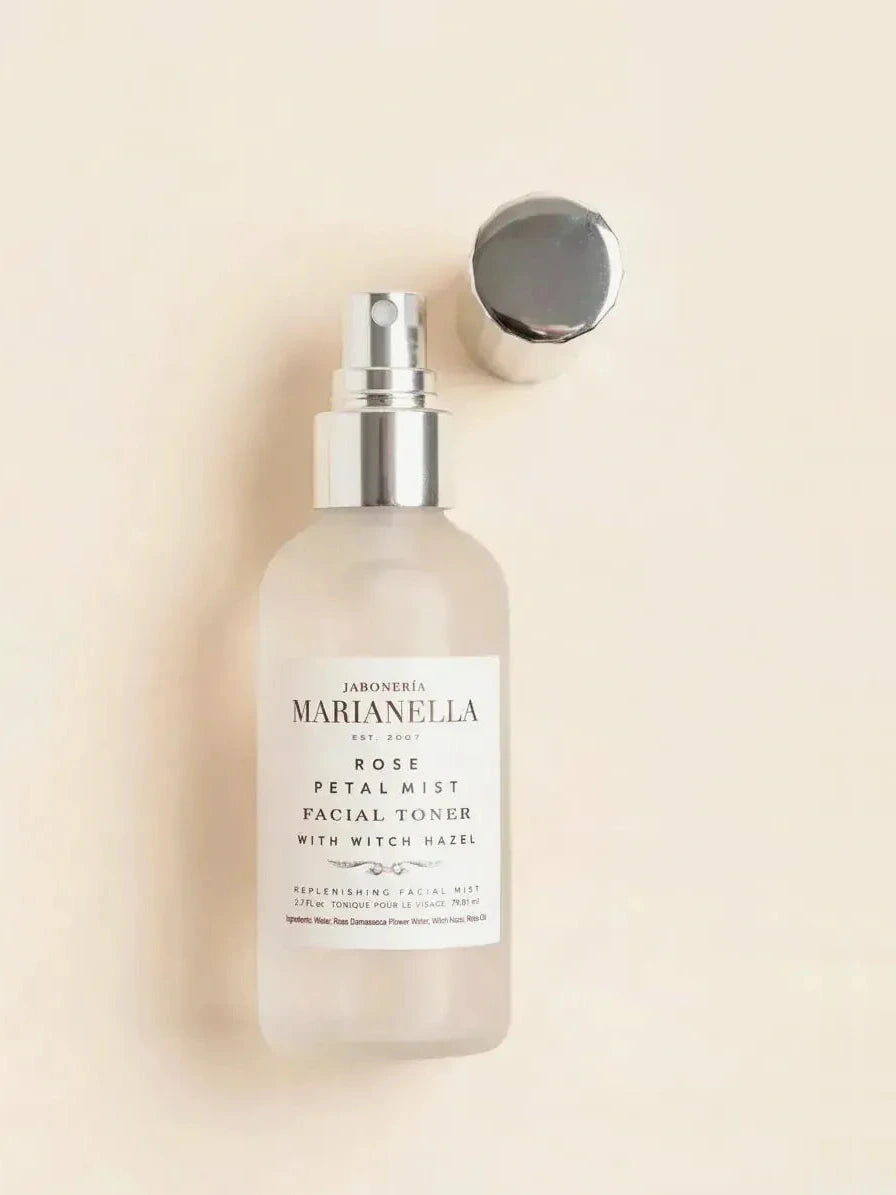
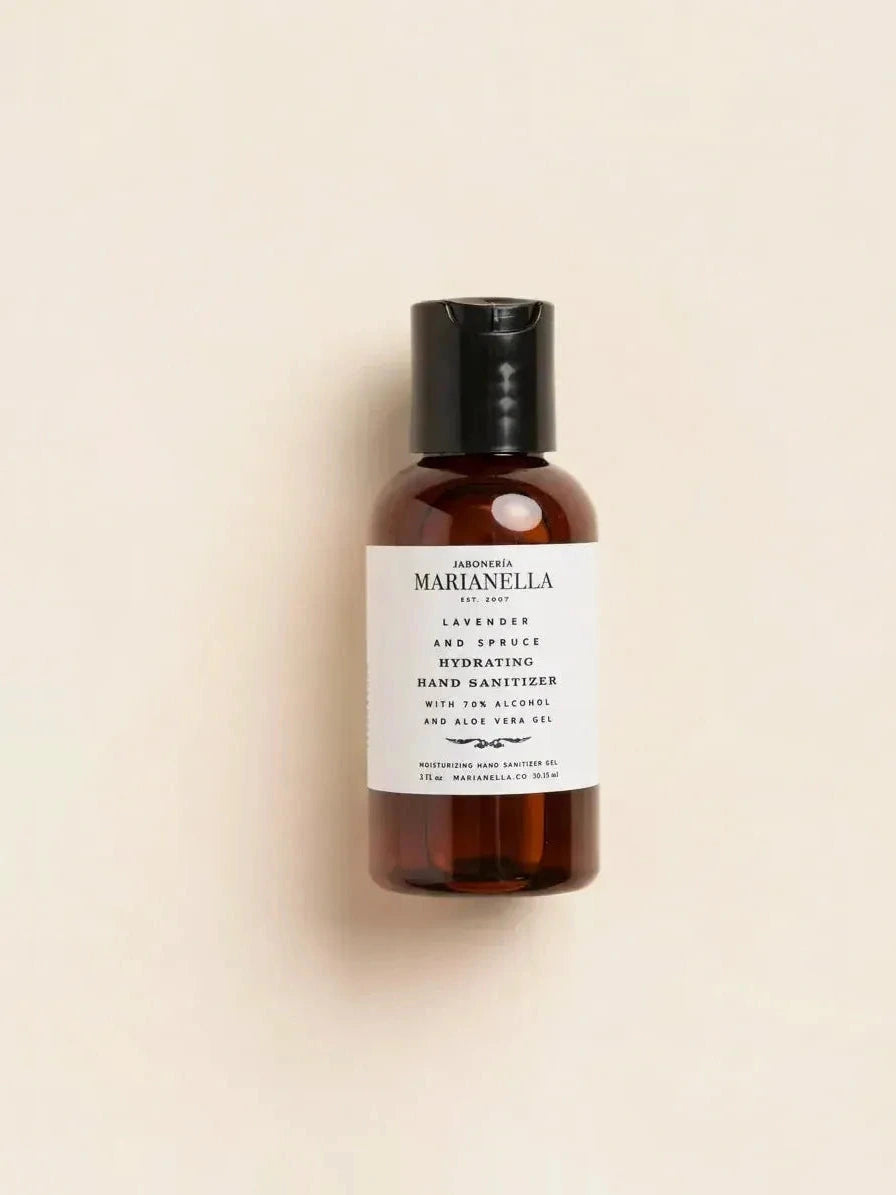


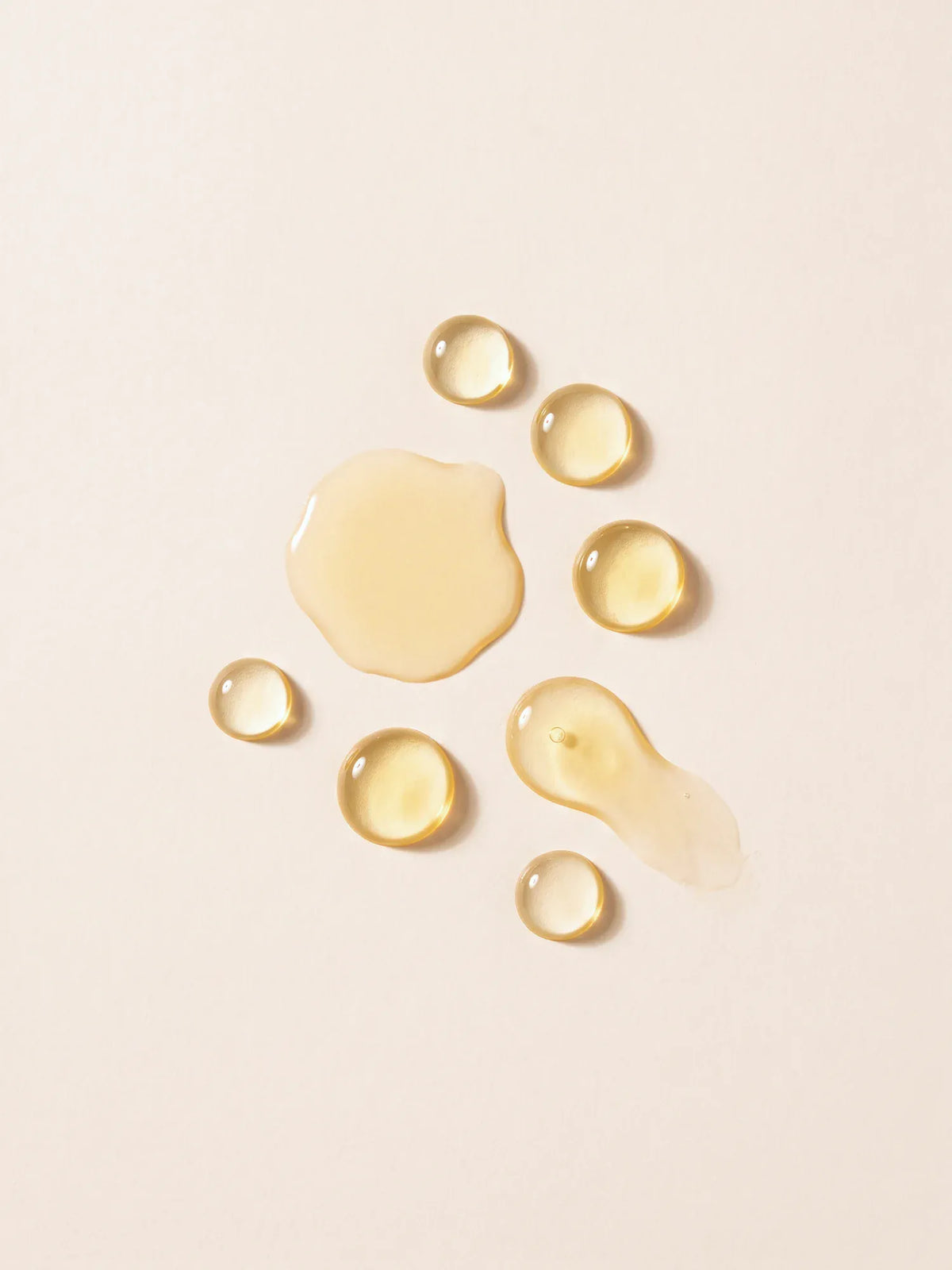
Most of what is said about Kalahari oil, Imperial Jade and vitamin C holds up once you trim it back to how skin looks and feels. Kalahari melon seed oil really is light, rich in linoleic acid and good at helping skin hold moisture; Imperial Jade is the name of our body oils, not an ingredient, and there is no jade in the bottle; and vitamin C with niacinamide helps skin look brighter and more even, while bigger promises about rebuilding skin go further than a cosmetic serum should. Below, we take each one in turn: what is well supported, what is overstated, and why we chose it anyway.
Kalahari melon seed oil: what holds up
The plain facts are good ones. The oil is cold-pressed from the seeds of a wild melon, Citrullus lanatus, that grows in the Kalahari of southern Africa. It is clear and golden, light and dry to the touch, it absorbs quickly and leaves little residue, and it is rich in linoleic acid. On skin it helps hold moisture without a greasy film. All of that is something you can feel the first time you use it.
Where writing about it goes too far is in the extras: that it regulates oil, speeds up how skin renews itself, or repairs the skin's barrier. Those are bigger claims than we would put on a label. The same goes for the romantic idea that because the melon survives drought, its oil must be extraordinary. The melon does store water through the dry season, and that is a lovely fact, but what earns the oil its place is how it feels and what it does on skin, not the hardship of the plant.
What "with Kalahari Oil" means on each label
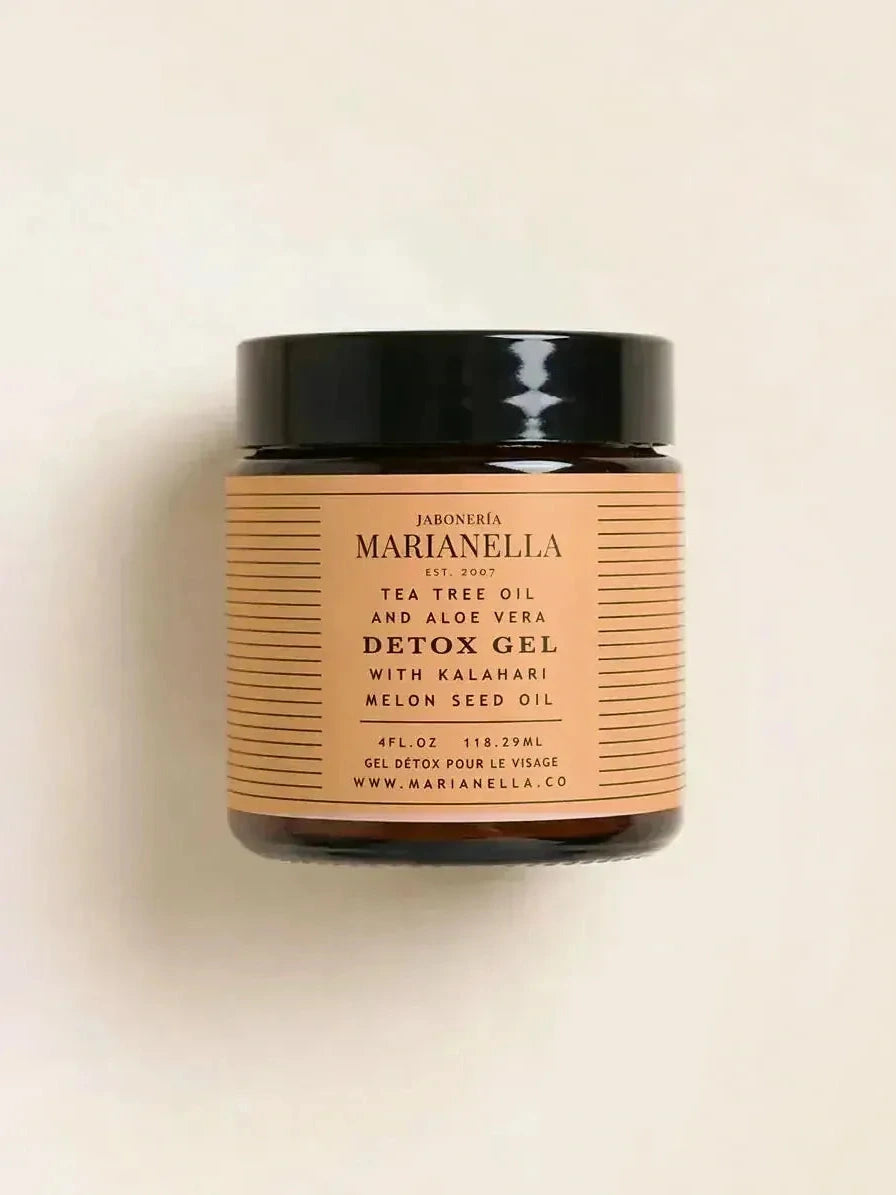
We use Kalahari oil from the shower to the face, but not in the same amount or for the same reason everywhere, and it is worth being clear about that.
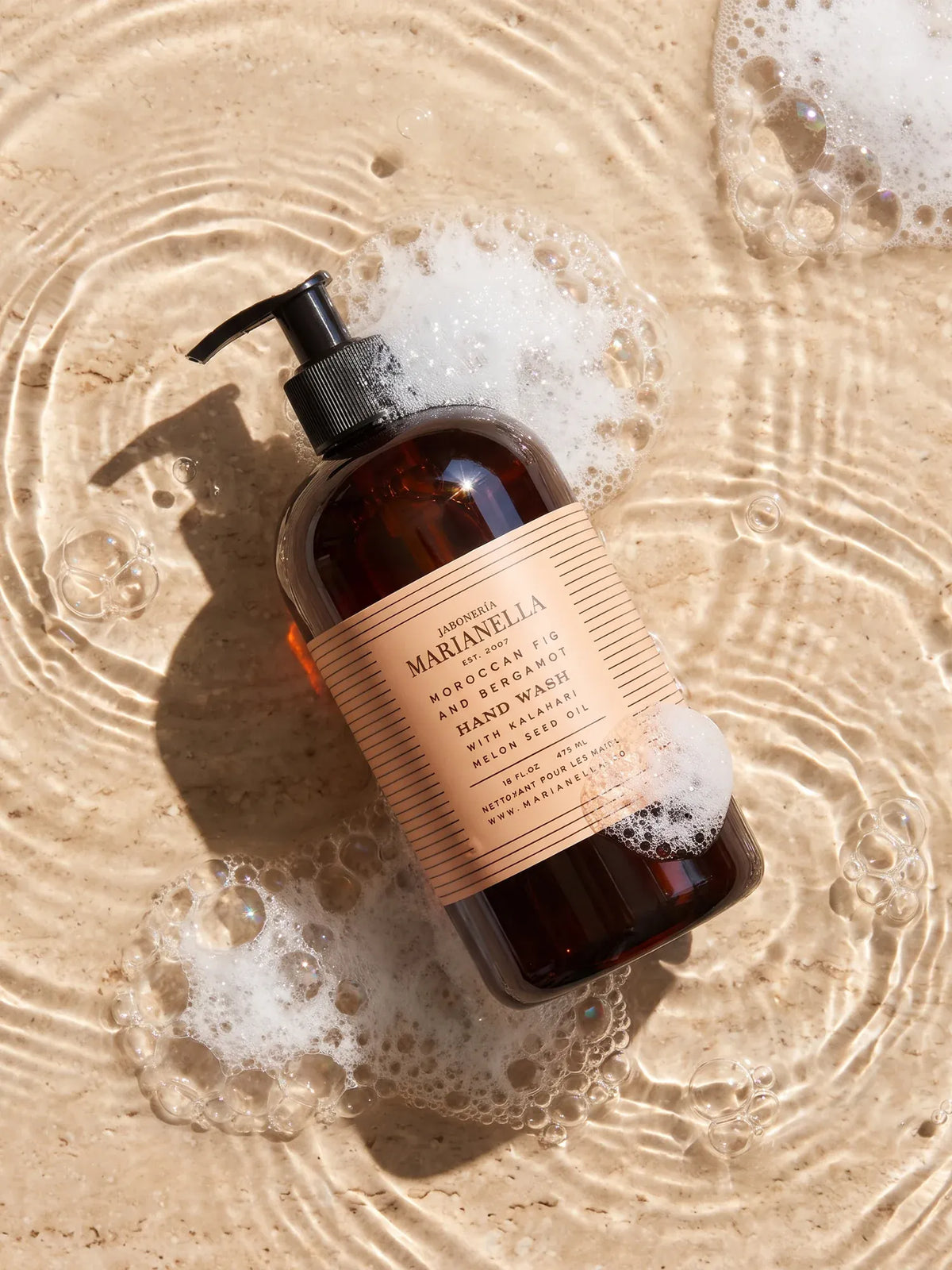
- In the Replenishing Body Wash, it is a touch. The cleaning is done by real castile-style soap made from saponified organic coconut, olive and jojoba oils. The Kalahari oil finishes the formula; it does not turn a wash into a moisturizer.
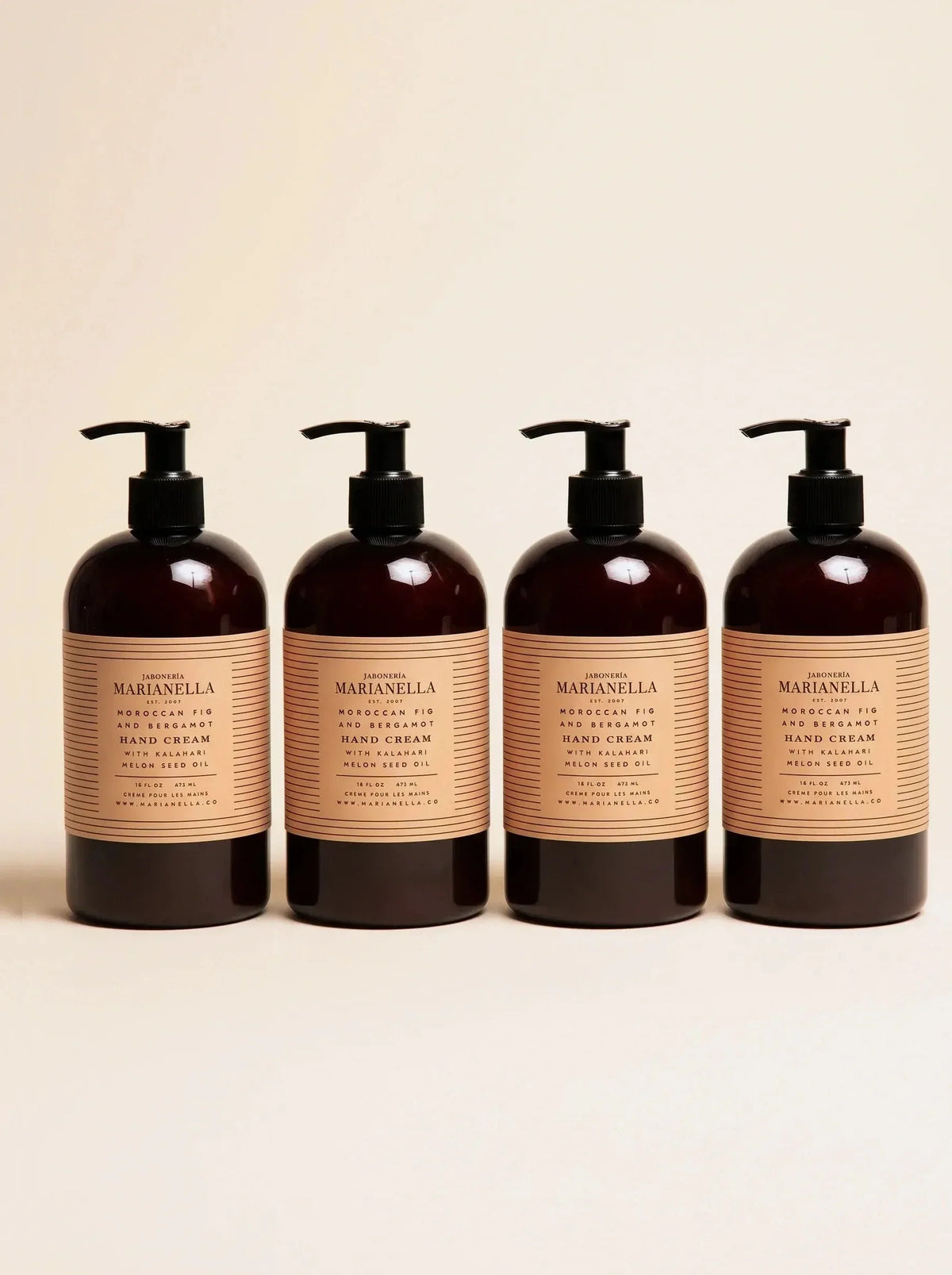
- In the Rejuvenating Body Cream and the Hydrating Hand Cream, it is the starting point of the oil blend, working with aloe, glycerin, jojoba, avocado, argan and borage oils. Here it does the job you would expect: soft, moisturized skin without a greasy residue.
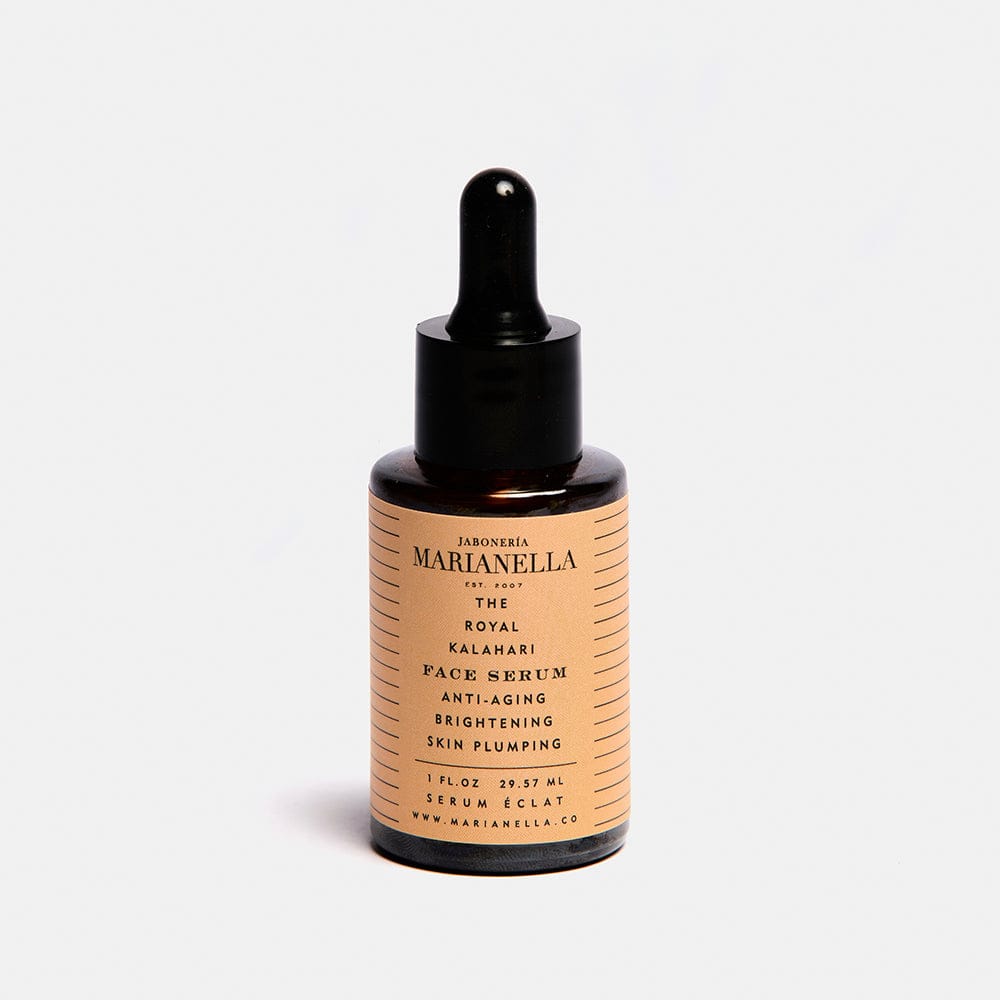
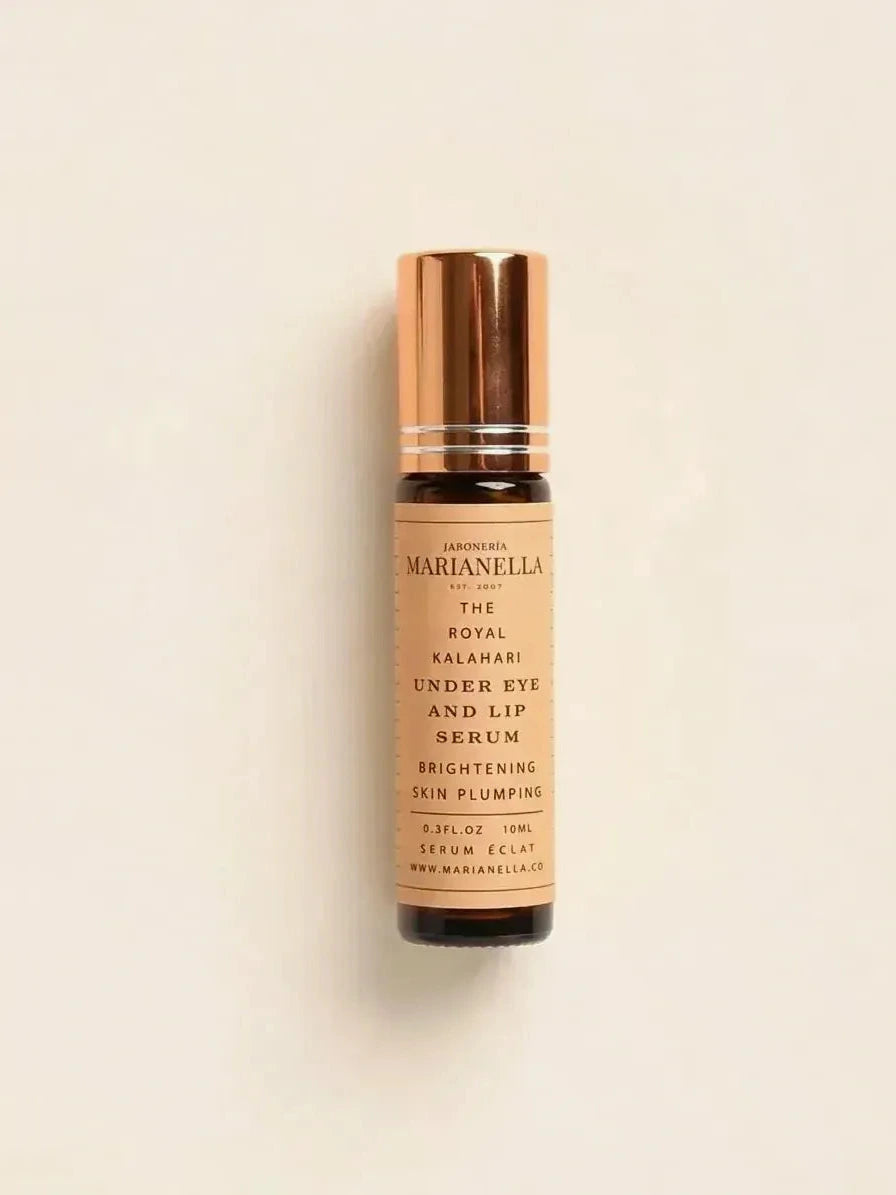
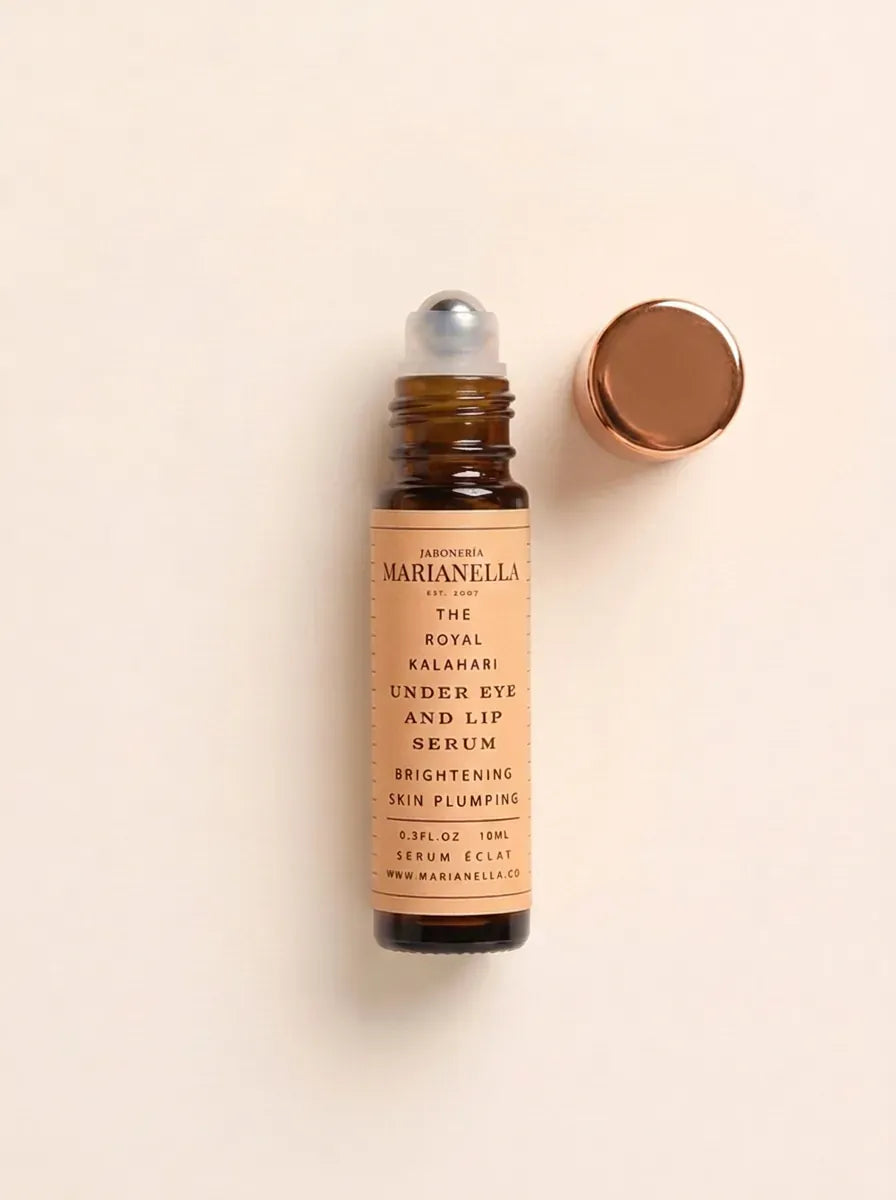
- In The Royal Kalahari Face Serum, it leads. The serum is a cold-pressed blend of botanical oils with Kalahari melon first, and it is the formula our brand is known for, the winner of People's Star Beauty Award for Best Facial Care Product.
You may also read that Kalahari oil works as a "delivery mechanism", carrying hydration deep into the skin. That is more than we can stand behind. What it does is help skin hold the moisture it has, and leave it soft.
Imperial Jade: a name, not an ingredient
You may have read that our Imperial Jade body oils draw on jade extracts, mineral density or ancient jade traditions. They do not. Imperial Jade is the name we gave the oils, and nothing in either bottle comes from a stone. If a product name ever sounds like an ingredient, the label is where to check, and in this case the label is a short list of plant oils.
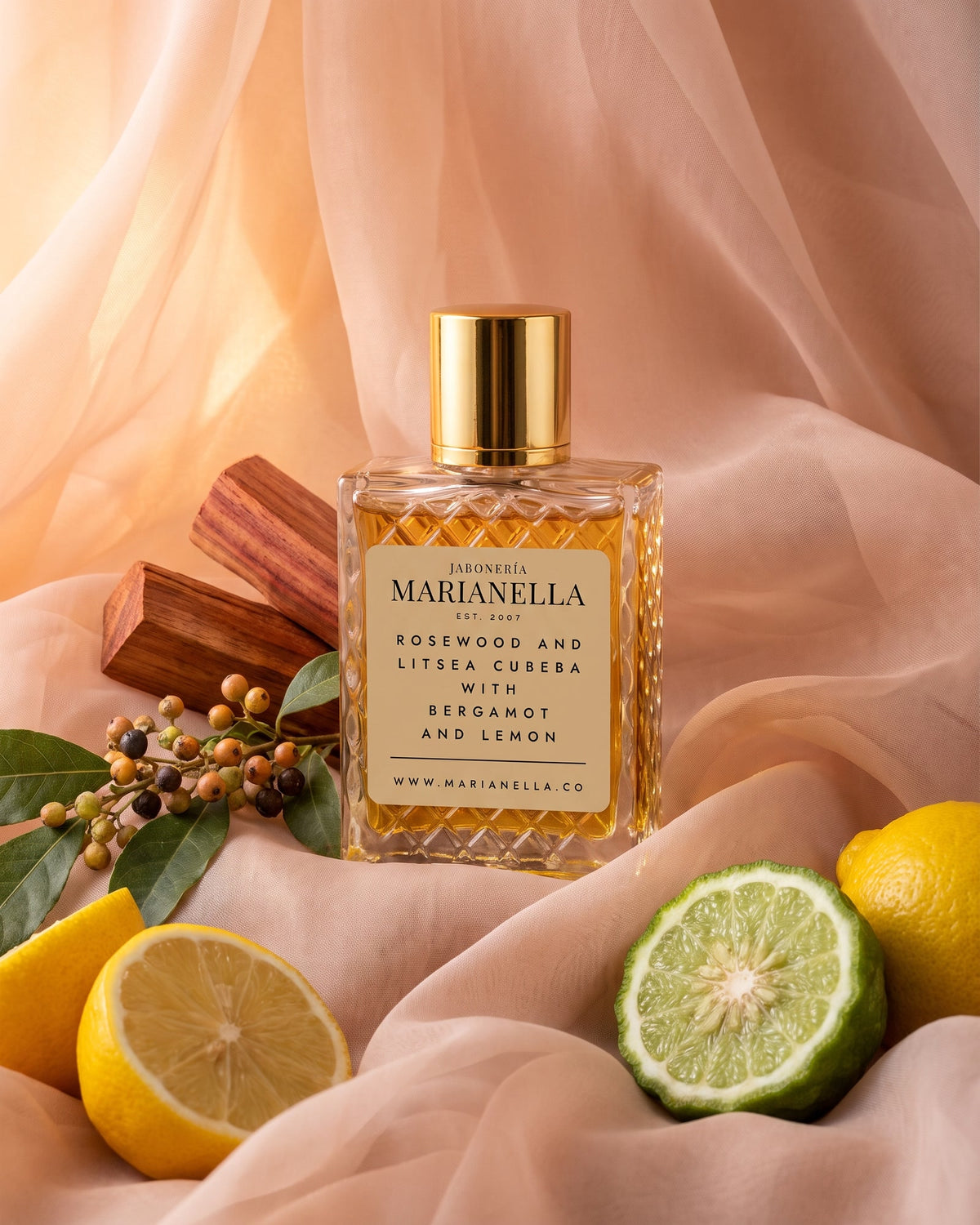
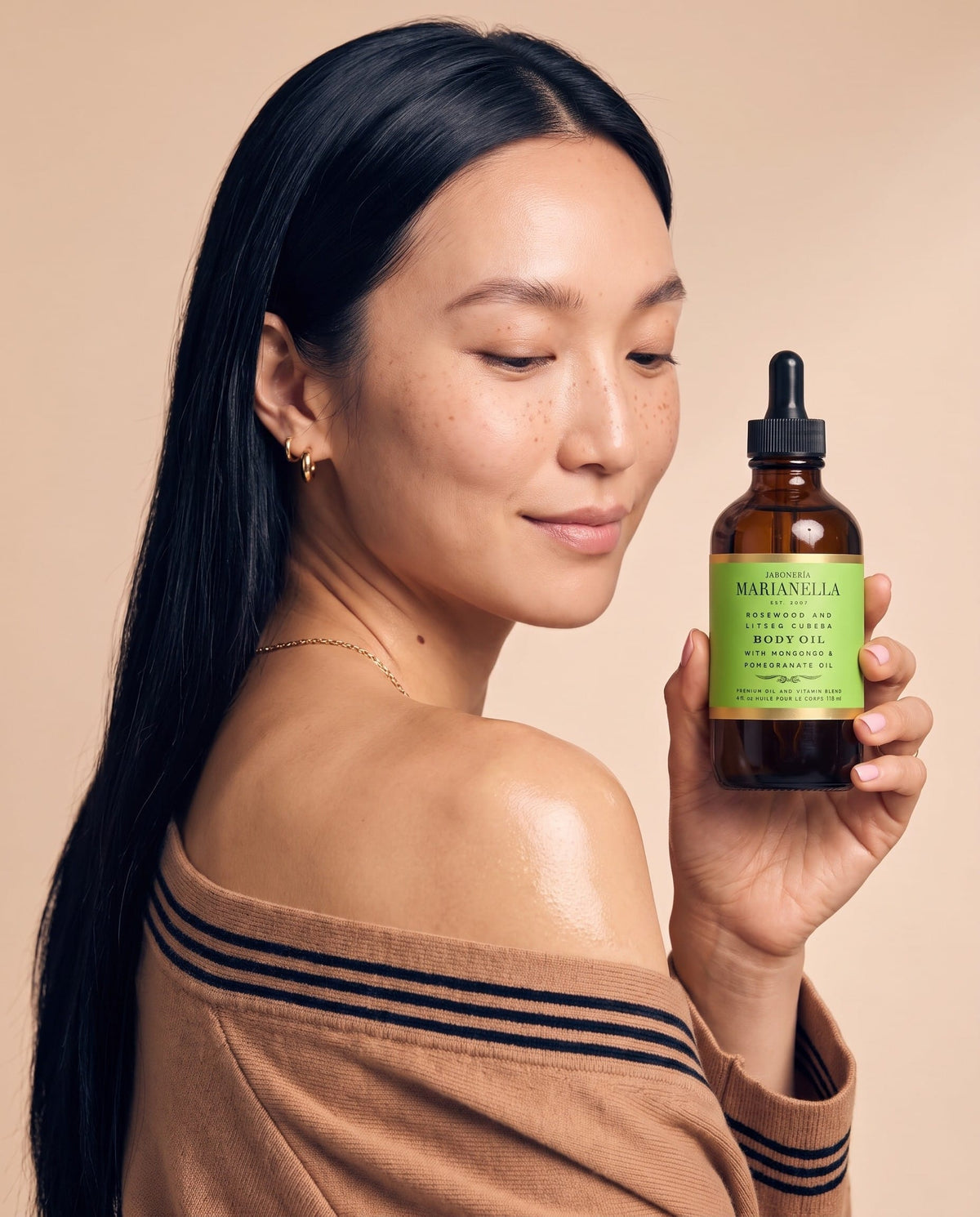
The New Imperial Jade Body Oil holds mongongo, Kalahari melon seed, marula, grapeseed and argan oils with vitamin E. The Rosewood and Litsea Cubeba Imperial Jade Body Oil is built on grape seed and apricot kernel oils, with marula, argan, pomegranate seed and mongongo oils and vitamin E.
What the oils inside actually do
Here the honest claims are modest and real. Mongongo has a dry, silky touch. Marula brings nourishing oleic acid while staying light. Argan leaves skin smooth and supple. Grapeseed spreads thin and absorbs fast. Smoothed over damp skin straight out of the shower, the blend helps seal in the water already on the skin, so shoulders, shins and elbows look polished and feel soft for hours.
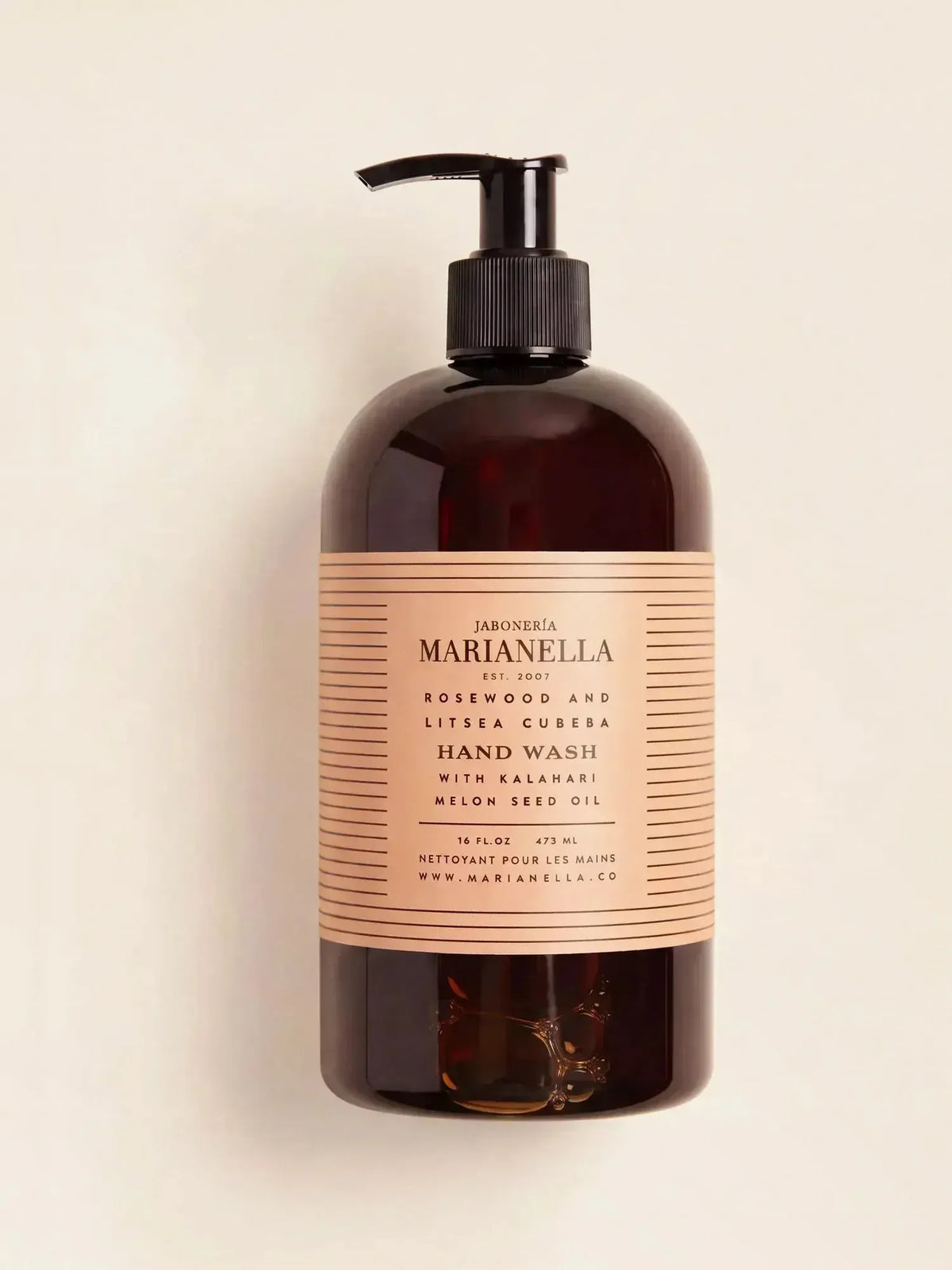
One more claim to retire: that litsea cubeba has toning properties. In the Rosewood oil, litsea cubeba is there for its scent, a bright lemony note over the polished woodiness of rosewood. Scent is a perfectly good reason to choose a body oil; it just should not be dressed up as something else.
Vitamin C and niacinamide: brighter, not rebuilt
Vitamin C and niacinamide are among the most talked-about ingredients in skin care, and the talk often outruns what a serum can promise. You will read that vitamin C drives collagen, that niacinamide shrinks pores and controls oil, and that together they strengthen the skin. We keep our own description to what you can see in the mirror.
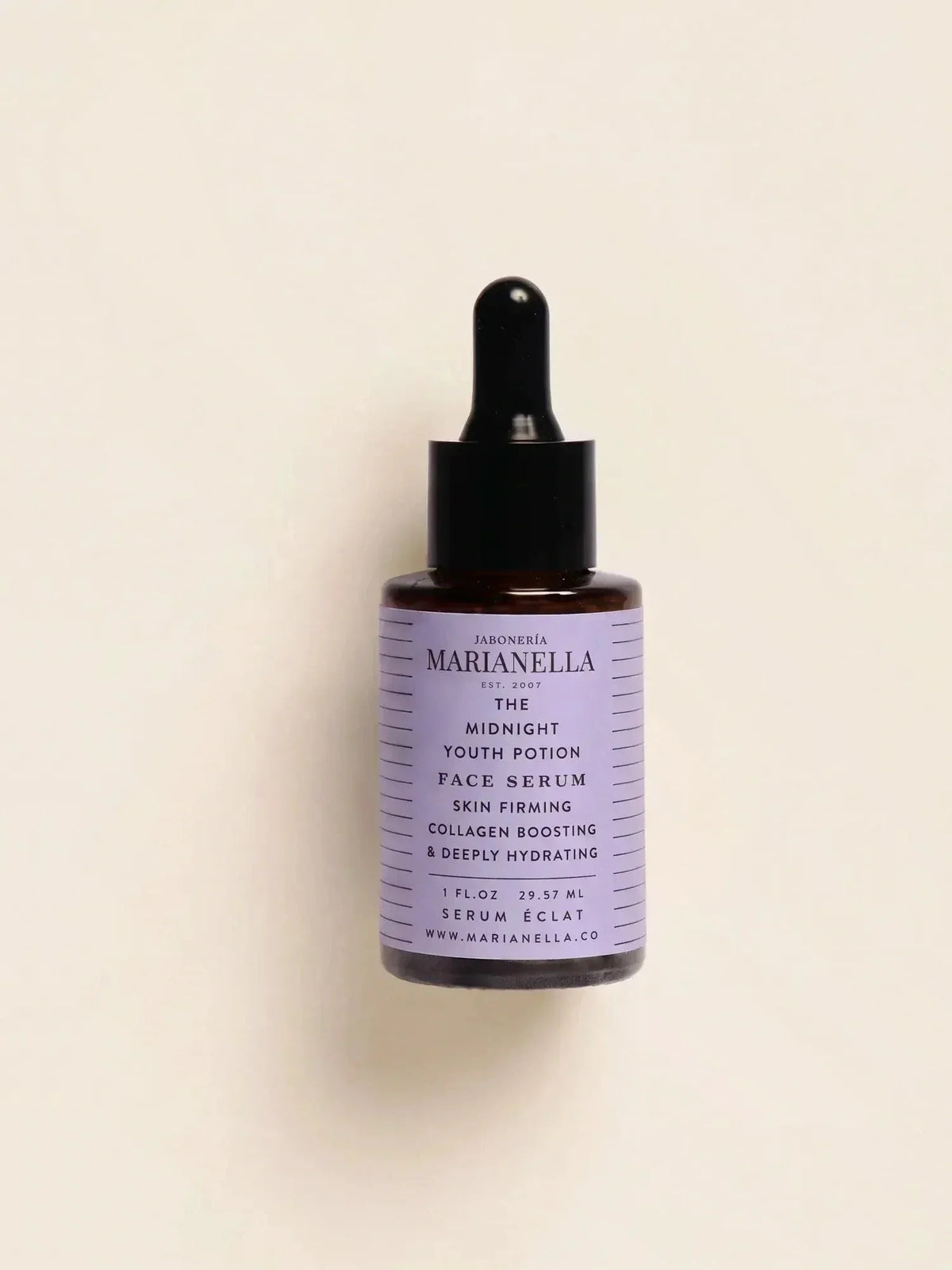
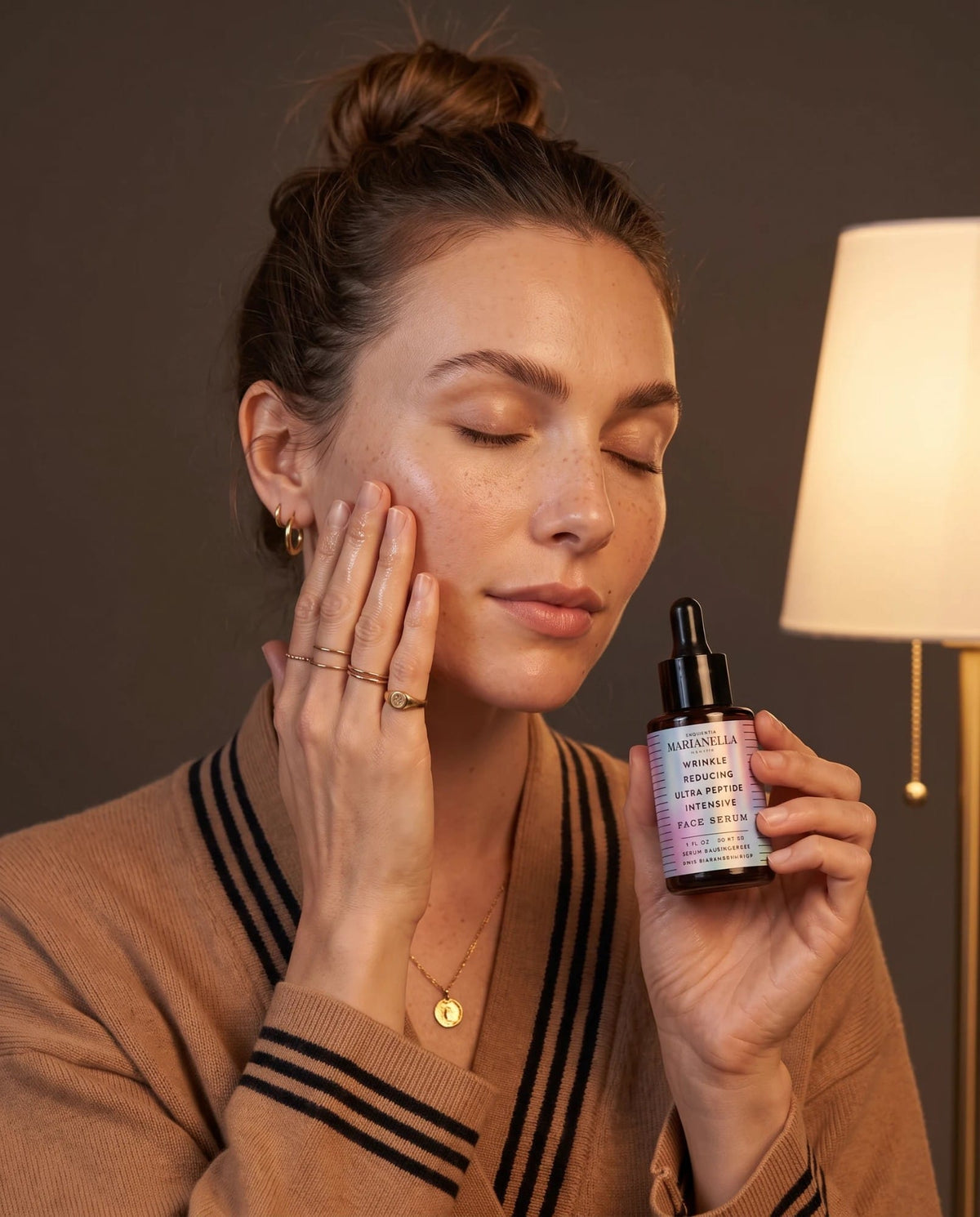
In our Vitamin C Collagen Boosting Face Serum with Niacinamide, ethyl ascorbic acid, a stabilized form of vitamin C, helps skin look brighter and more even. Niacinamide, a form of vitamin B3, helps tone look balanced and texture look refined. Sodium hyaluronate helps skin hold moisture, and aloe and cucumber keep it feeling cool and lightly hydrated.
The choice of vitamin C form matters more than most claims. Pure ascorbic acid is unstable: it can turn yellow as it oxidizes and can tingle on sensitive skin. Ethyl ascorbic acid is a more stable form, which is why we use it in a water-light serum meant for every day. The Royal Kalahari Face Serum also contains vitamin C, alongside vitamin E, in a supporting role within its oil blend.
How to weigh an ingredient claim yourself
A few habits will get you through most skin care copy, ours included:
- Trust claims about how skin looks and feels: softer, smoother, brighter, more even, more comfortable. Be wary of claims about what skin is doing underneath.
- Check whether a name is an ingredient. Imperial Jade is a name; Kalahari melon seed oil is an ingredient.
- Notice where an ingredient sits. "With" can mean it leads the formula or that it is a finishing touch.
- Look for the form. Vitamin C comes in many forms, and stability changes how a serum behaves on the shelf and on skin.
Every ingredient we use, and every product it is found in, is listed in our Ingredient Library, written as it appears on the label.
Questions people ask about these claims
Is there any jade in the Imperial Jade body oils?
No. Imperial Jade is the name of the oils. The New Imperial Jade Body Oil is mongongo, Kalahari melon seed, marula, grapeseed and argan oils with vitamin E, and the Rosewood version is a blend of plant oils too.
Does "with Kalahari Oil" mean the body wash is mostly oil?
No. The body wash is a castile-style soap of saponified coconut, olive and jojoba oils, finished with a touch of Kalahari melon seed oil. It cleans like soap and leaves skin comfortable rather than tight.
Will the vitamin C serum sting?
It uses ethyl ascorbic acid, a stabilized form of vitamin C, and its page says it suits normal, combination and sensitive skin. If your skin is reactive, patch test first, as you would with any new serum.
Are these formulas made by hand?
Yes. Everything in this article is made by hand in our Williamsburg workshop, in batches of 50 to 100.



















Leave a comment
This site is protected by hCaptcha and the hCaptcha Privacy Policy and Terms of Service apply.