


Glycerin is a humectant: it draws water into the outer layer of your skin and helps it stay there, so skin feels softer, smoother and more comfortable. That much is well supported by decades of research. What is often overstated is everything layered on top of it, from "deep penetration" to wrinkle erasing. This article takes the common claims one at a time and sorts the solid from the inflated.
Glycerin in plain terms
Glycerin, also called glycerol, is a clear, thick, slightly sweet liquid. Chemically it is a polyol: a short three-carbon chain carrying three hydroxyl groups. Those hydroxyl groups bond readily with water, which is why glycerin mixes with water so easily and why it is hygroscopic, meaning it pulls water from its surroundings.
It has been used in cosmetic formulas for about a hundred years, and it is among the three most common ingredients in beauty products, after water and fragrance. Your skin also makes its own: glycerol forms when the oils in sebum break down, and it is part of how the outer layer of skin keeps itself hydrated. Applying it to skin adds more of something skin already uses.
Claim: glycerin hydrates better than most humectants
Well supported. This is the strongest claim, and it holds up. Pure glycerin can take up its own weight in water over three days, and in head-to-head studies it matches or beats other common humectants for raising the water content of skin. In clinical work, skin moisturized with glycerin stayed more hydrated than untreated skin or skin given a plain base cream, and seven days after people stopped, the skin that had been given glycerin still showed higher hydration and better barrier function.
The practical meaning is simple. A well-made cream or serum with glycerin in it will usually leave dry skin measurably more hydrated than the same base without it, and the effect does not vanish the moment you wash your face.
Claim: glycerin penetrates deep into the skin
Partly true, often exaggerated. Glycerin is a small molecule, about 92 daltons, which is tiny next to the hyaluronic acid used in most serums. That small size lets it move into the stratum corneum, the outermost layer of skin, rather than sitting on top. The skin also has its own channels for water and glycerol, proteins called aquaporin-3, which help move both through the living layers beneath.
Where marketing goes too far is the word "deep." What glycerin does well, it does in the upper layers of skin, where dryness, tightness and flaking show up. That is exactly where a moisturizer needs to work. It is not reaching the deeper structures of the skin, and it does not need to in order to be useful.
Claim: glycerin gets rid of wrinkles
Overstated. Dehydrated skin shows fine lines more clearly, and skin that is well hydrated looks plumper and smoother. Glycerin helps with the second part, so fine lines can look softer while skin holds more water. That is a real, visible effect, but it is temporary and depends on keeping skin hydrated. Glycerin is not a substitute for sunscreen or for formulas built around the look of lines, and no humectant changes the structure of the skin.
Claim: more glycerin is always better
Not quite. Research suggests glycerin starts to help at around 3%, with more benefit for very dry skin at higher levels. But pure glycerin is tacky and heavy, and at very high strength in dry air it can draw water from the skin's surface rather than holding it there. That is why it is always diluted in a finished formula, balanced with water, oils or butters, and why you should not smooth undiluted glycerin from a pharmacy bottle onto your face. A good formula gets the amount right so you get the softness without the stickiness.
Claim: glycerin suits every skin type
Well supported. Glycerin is light, it does not clog pores, and it is rarely irritating, so it suits dry, oily, acne-prone and sensitive skin alike. It also sits comfortably alongside other ingredients, including vitamin C, niacinamide, retinol and exfoliating acids, which is part of why formulators use it so widely. Reactions to glycerin itself are uncommon; when a glycerin product stings, the cause is usually something else in the formula.
Where glycerin shows up in our products
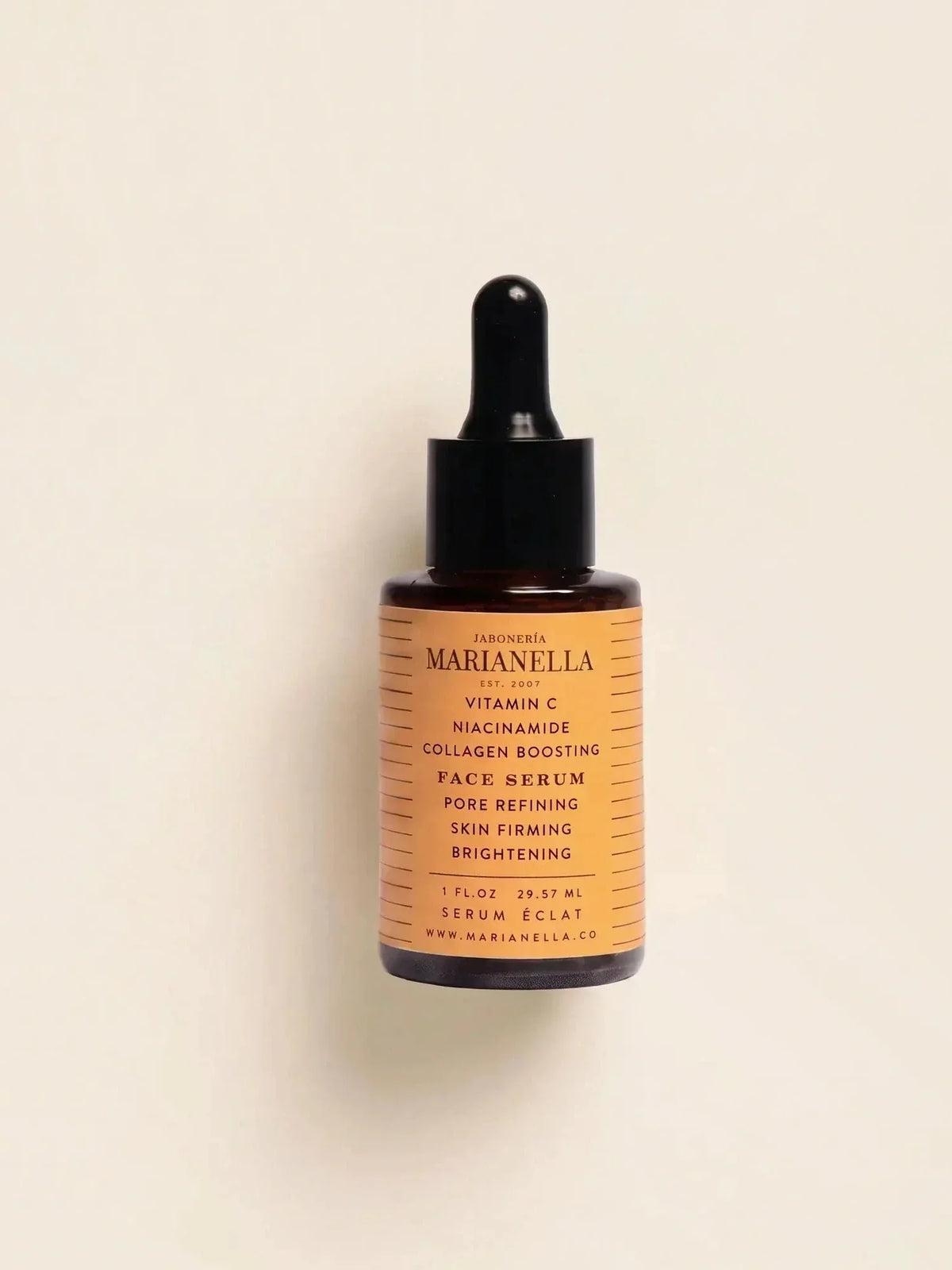
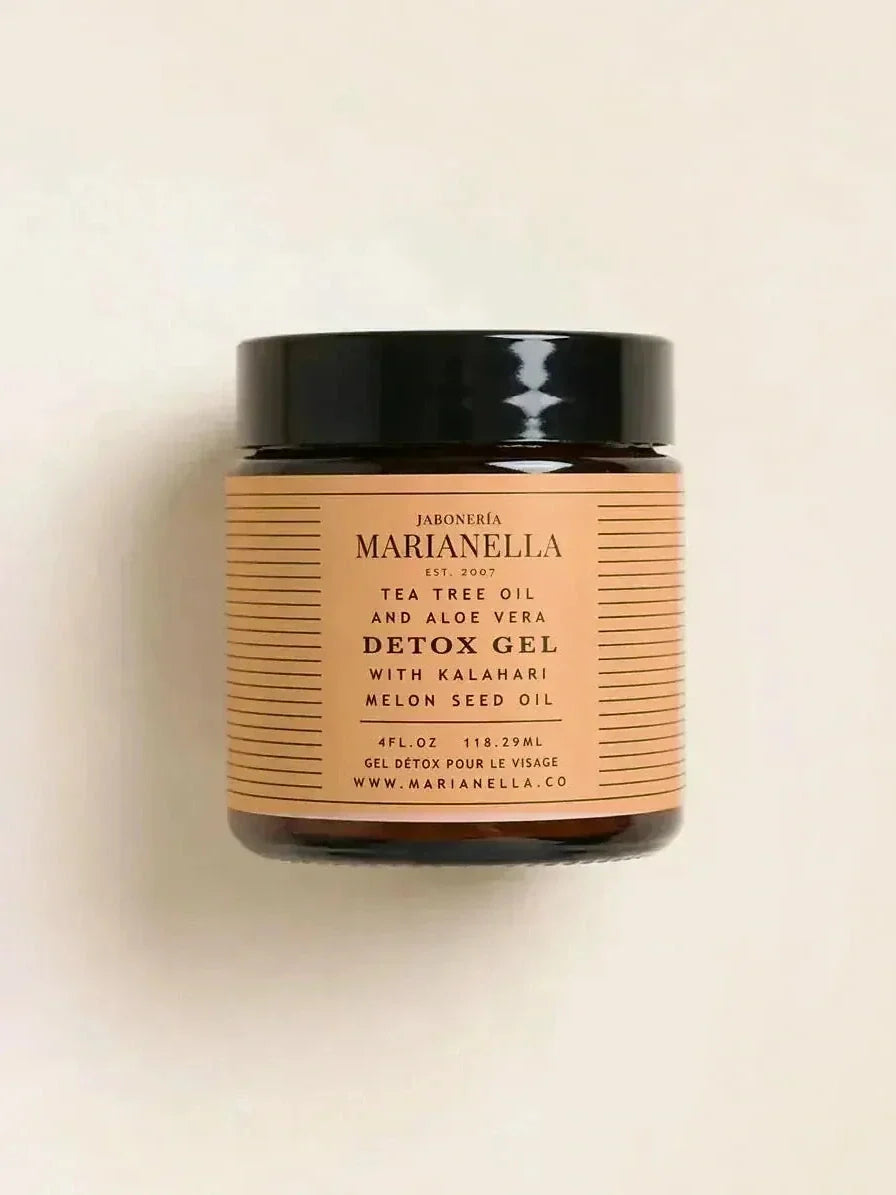
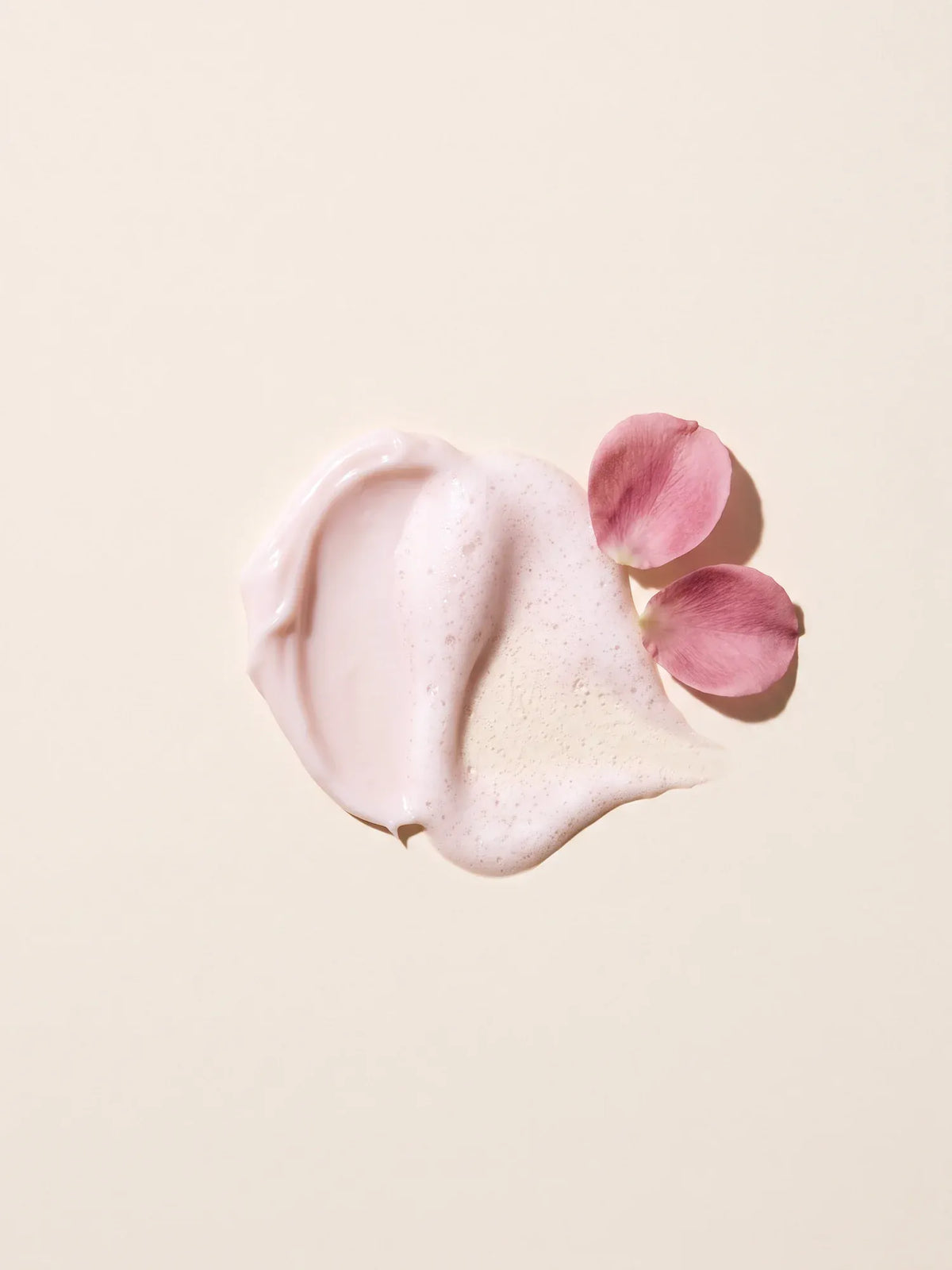
Our Ingredient Library lists glycerin in four of our formulas. In the Vitamin C Collagen Boosting Face Serum with Niacinamide, it joins sodium hyaluronate, aloe and cucumber in a light serum that sinks in without stickiness. The Rose Face Wash Cream is softened with glycerin and sorbitol, so it rinses clean without that tight, squeaky feel.
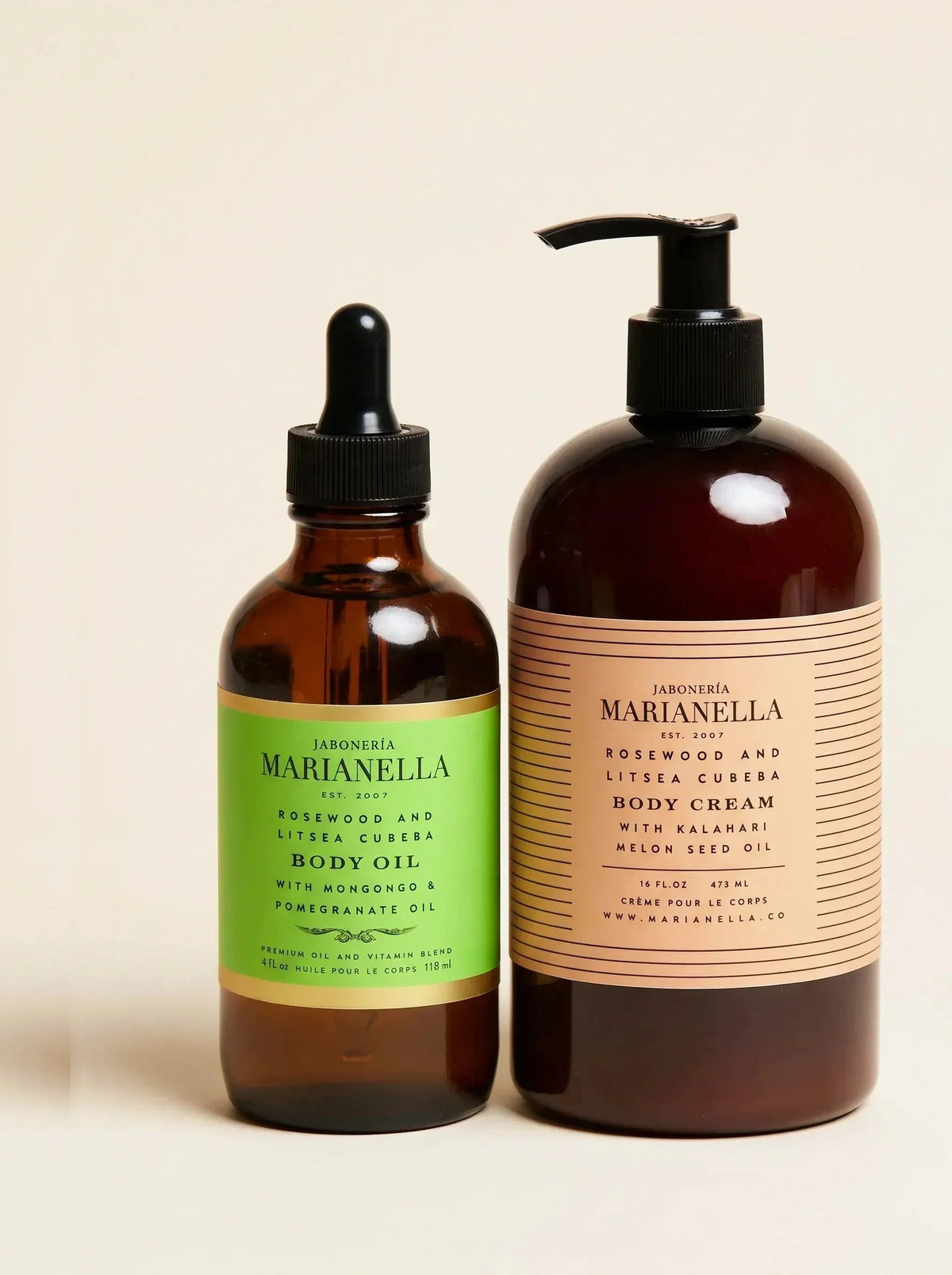
On the body, the Hydrating Hand Cream and the Rejuvenating Body Cream pair glycerin and aloe leaf juice with Kalahari melon seed oil and other plant oils. The glycerin draws water in; the oils help keep it there.
Questions about glycerin's reputation
Can glycerin dry out your skin?
Not in a properly made product. Undiluted glycerin in very dry air can pull water from the skin's surface, which is why it is always diluted and balanced in a finished formula.
Will glycerin get rid of my fine lines?
It can make them look softer by keeping skin hydrated and plump, but the effect lasts only as long as skin stays well hydrated. It does not change the structure of the skin.
Is glycerin safe to use every day?
Yes. It is one of the most widely used and best tolerated cosmetic ingredients, it does not clog pores, and it works morning and night alongside most other skincare.





















Leave a comment
This site is protected by hCaptcha and the hCaptcha Privacy Policy and Terms of Service apply.