


Aloe vera is the clear gel from inside the leaf of the Aloe barbadensis plant, and on skin it does a few things well. It adds light, water-binding hydration, it feels cool on contact, and it helps skin that feels dry or a little irritated feel comfortable again, all without leaving a greasy film. That is the plain truth of it. What follows is a closer look at what is inside the gel and why it behaves the way it does.
The plant behind the gel
Aloe barbadensis is a thick, short-stemmed succulent that stores water in its fleshy leaves, which is how it survives drought. Each leaf holds two quite different substances. Just under the green skin is the latex, a bitter yellow liquid. Deeper inside is the gel, colorless and almost tasteless. Skincare uses the inner gel; the latex is a different material and is not what you want on your face.
When you see aloe on an ingredient list, it usually appears as Aloe Barbadensis Leaf Juice or Leaf Gel. Both refer to that inner part of the leaf.
What the gel is made of
The gel is almost all water. The small solid portion is where its character comes from: dietary fiber, protein, a little fat, minerals and vitamin C, along with a long list of organic compounds, including polysaccharides, enzymes, plant sterols, amino acids, flavonoids and vitamins A and E. No single compound explains aloe. It is the mix, held in a water-rich gel, that makes it useful on skin.
Acemannan, the water holder
The best studied compound in aloe is acemannan, a polysaccharide made of long chains of a sugar called mannose. Polysaccharides like acemannan hold water and spread it across the skin's surface in a thin, flexible film. That film helps skin retain moisture, which is why aloe leaves skin feeling hydrated rather than just damp, and why the feeling lasts after the gel has absorbed.
These sugar chains are also why aloe gel has its slightly slippery texture. It spreads easily, sinks in fast and leaves nothing tacky behind, which makes it an easy base for a face gel or a light layer under other products.
The calming compounds
Aloe's reputation for comfort has a basis in its chemistry. The gel contains an enzyme called bradykinase and several plant sterols, including campesterol, beta-sitosterol and lupeol. These are linked with aloe's soothing feel on skin that looks red or feels irritated after sun, wind or a harsh cleanser. Add the cool touch of a water-rich gel and you have the reason people have long reached for aloe when skin feels uncomfortable.
Antioxidants in the leaf
Aloe also carries antioxidants: vitamins C and E, carotenoids and phenolic compounds. Antioxidants help defend skin against oxidative stress from sun and pollution, one of the everyday factors behind dullness and early signs of aging. Aloe is not a substitute for sunscreen or a dedicated antioxidant serum, but it adds a modest amount of that support every time you use it.
How aloe suits different skin types
- Combination and oily skin. Aloe hydrates without any grease, so it suits skin that shines easily but still feels tight after washing.
- Dry skin. Aloe adds water, but it does not seal it in. Follow it with an oil or cream so the moisture stays.
- Sensitive skin. Aloe is usually gentle and comfortable, but rare contact reactions do happen, so patch test a new product on a small area first.
- Mature skin. Well-hydrated skin looks smoother and plumper, and aloe is a light way to add that hydration under richer products.
How we use it
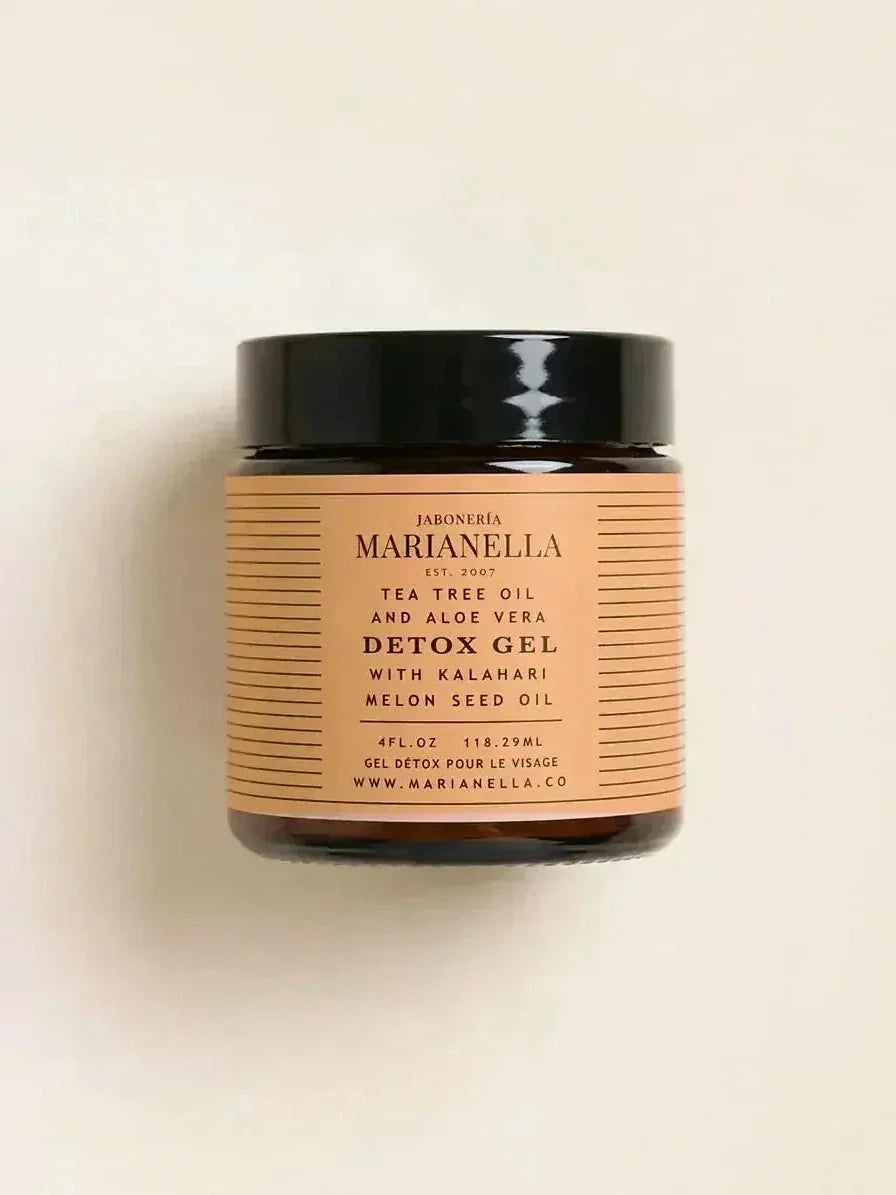
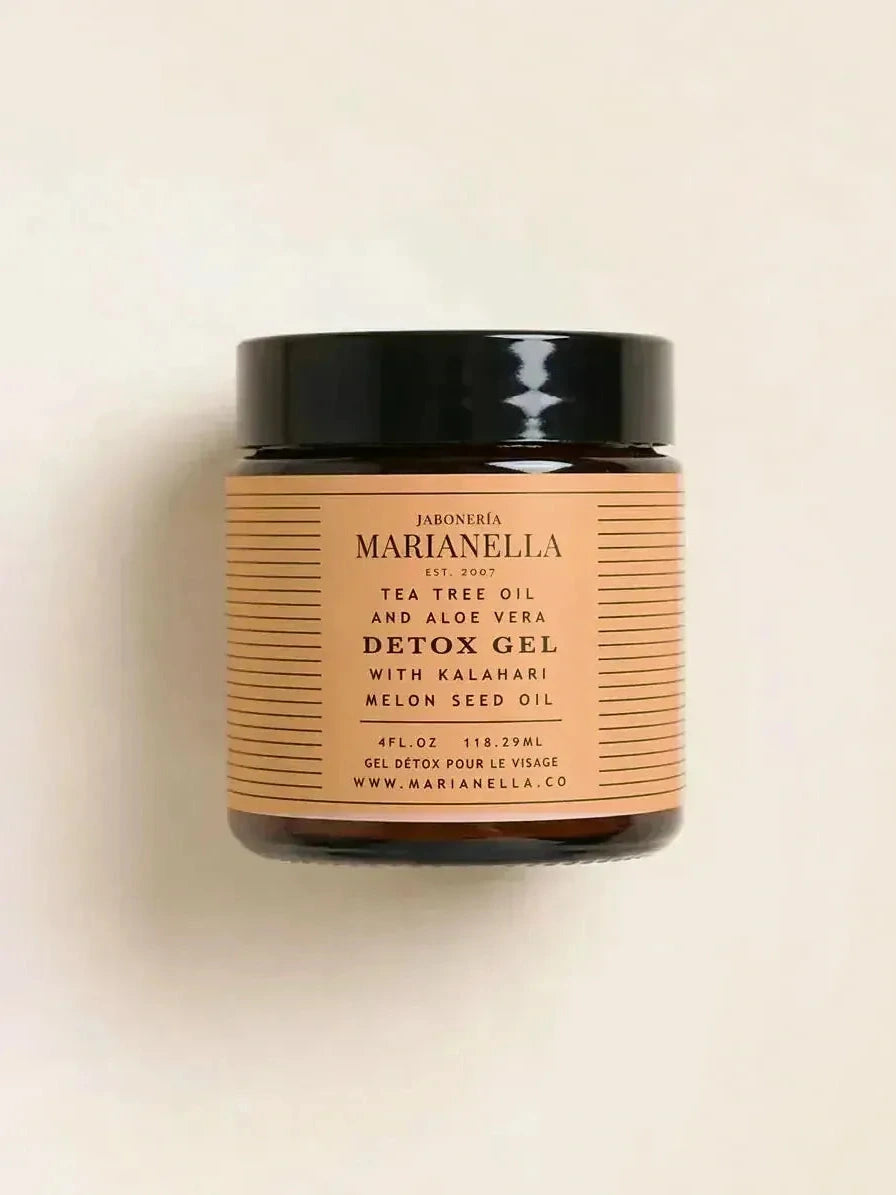
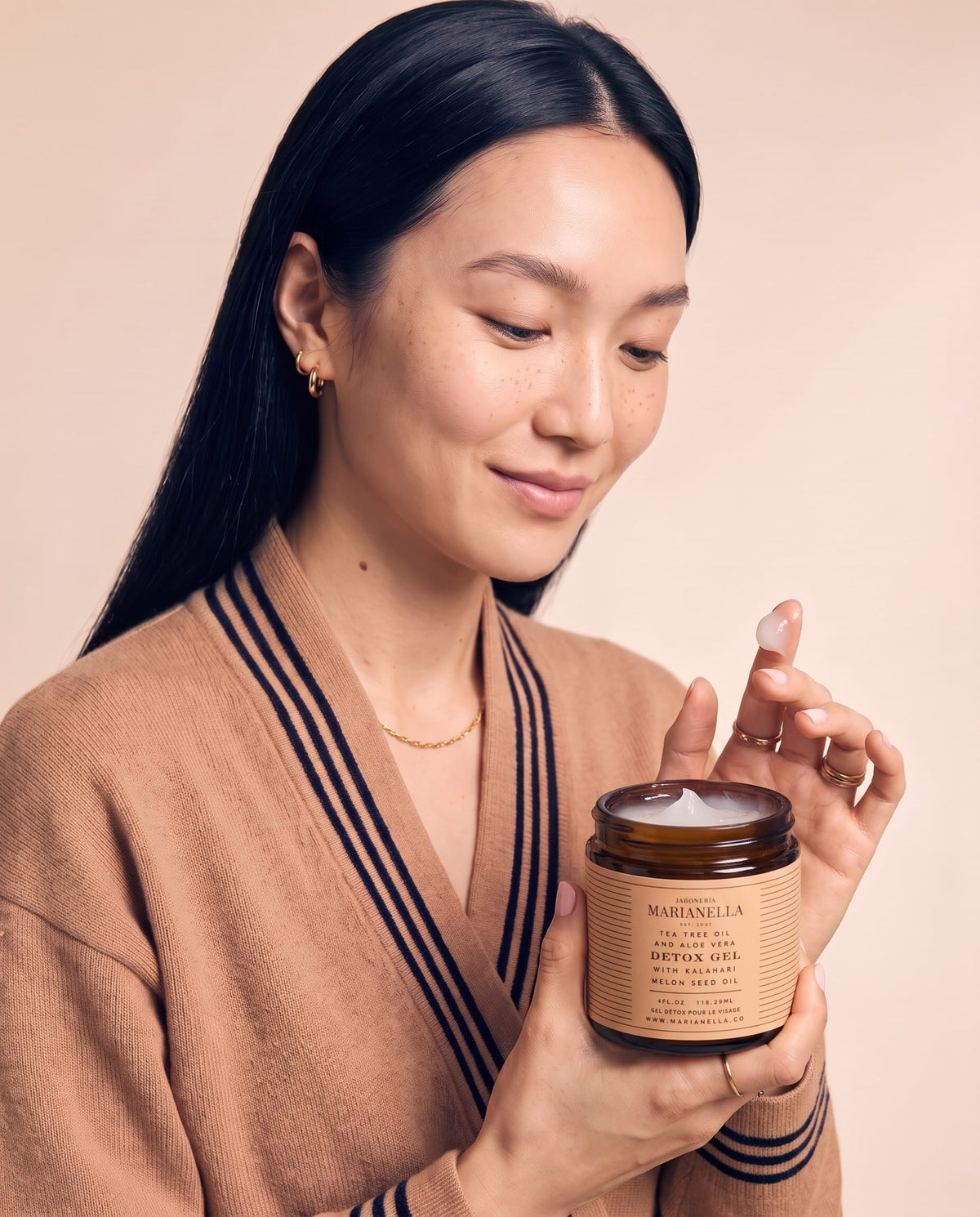
The clearest example on our shelf is our Detox Gel, a light, clear aloe gel with shea butter, tea tree oil and Kalahari melon seed oil. The first touch is cool, and it melts in within seconds, leaving skin fresh and lightly hydrated, ready for a serum or oil.
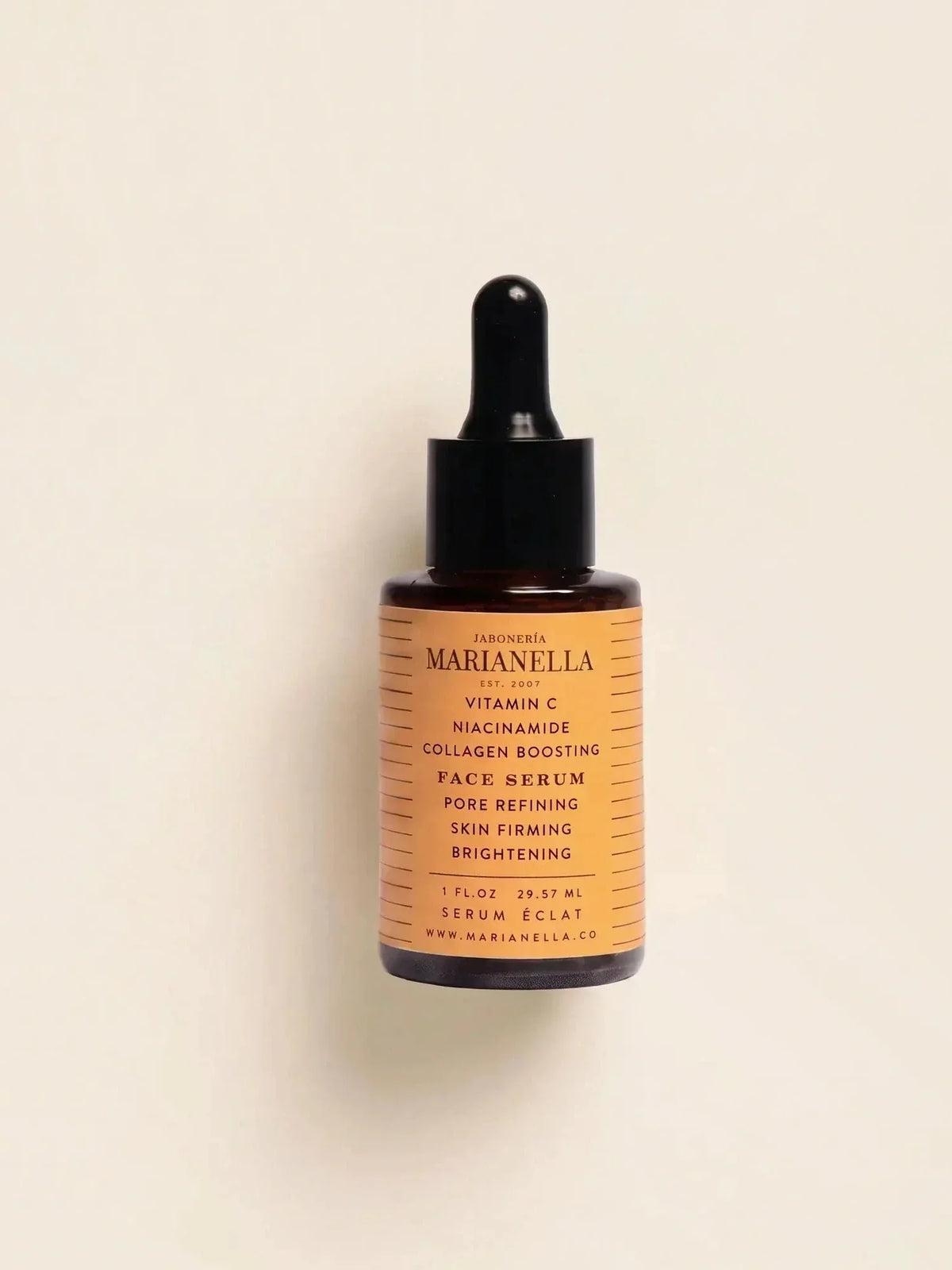
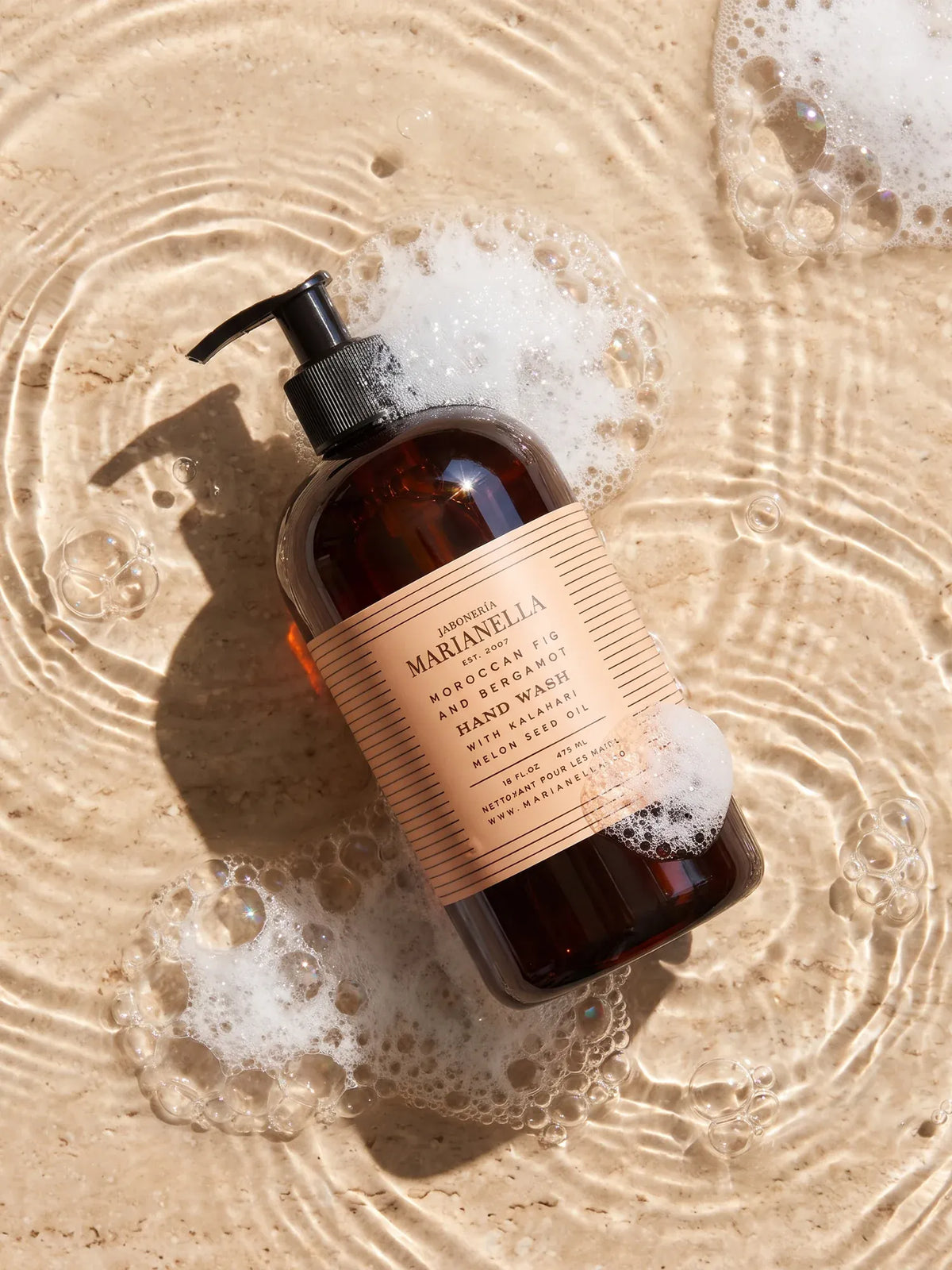
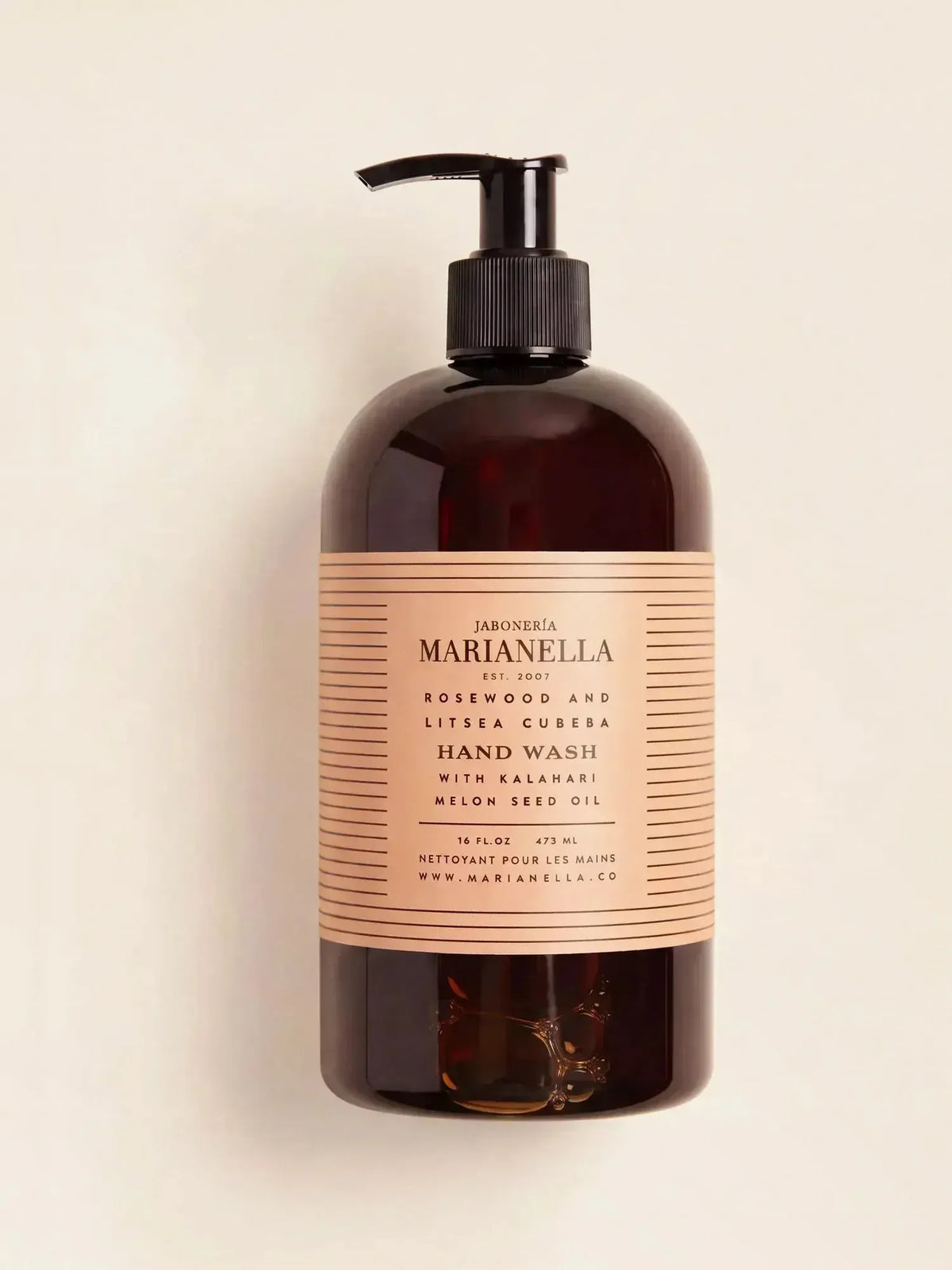
Aloe also adds cooling, light hydration to our Vitamin C Collagen Boosting Face Serum with Niacinamide, alongside cucumber and sodium hyaluronate, and it goes into our hand and body washes and creams. For the full list, see our Ingredient Library.
Questions about what aloe does
Which part of the aloe plant is used in skincare?
The clear inner gel of the leaf, listed as Aloe Barbadensis Leaf Juice or Gel. The bitter yellow latex just under the leaf's skin is a different substance.
Can I use aloe on oily skin?
Yes. Aloe hydrates without adding oil or leaving a greasy film, which makes it one of the easier ingredients for oily and combination skin.
Can aloe vera cause a reaction?
It is rare, but contact reactions to aloe do happen. Try any new aloe product on a small patch of skin first and stop if it stings or itches.





















Leave a comment
This site is protected by hCaptcha and the hCaptcha Privacy Policy and Terms of Service apply.