

The sunflower seed oil skincare benefits you keep reading about are not marketing language. They are the result of decades of peer-reviewed dermatological research, a fatty acid profile that mirrors the skin's own biology, and a molecular structure that lets the oil absorb quickly without residue. A light, golden oil pressed from the seeds of the Helianthus annuus plant, sunflower seed oil is naturally rich in linoleic acid and vitamin E, supporting a healthy skin barrier, calming visible dryness, and absorbing quickly without a greasy feel. In 2026, it remains one of the most clinically validated botanical oils in modern formulation.
What Is Sunflower Seed Oil?
Sunflower seed oil is a light, golden oil pressed from the seeds of the Helianthus annuus plant. Naturally rich in linoleic acid and vitamin E, it supports a healthy skin barrier, calms visible dryness, and absorbs quickly without a greasy feel. On an ingredient label, you will find it listed as Helianthus Annuus Seed Oil. It functions simultaneously as an emollient, a barrier-repair agent, and a delivery vehicle for other actives in a formulation.
The seeds of Helianthus annuus are cold-pressed to extract the oil, which is rich in fatty acids including linoleic acid and oleic acid, and is also a notable source of vitamin E. The oil contains high levels of linoleic acid, ranging from 44 to 72 percent, an omega-6 fatty acid naturally present in the skin's own sebum. That alignment with the skin's native chemistry is precisely why it performs so consistently across skin types.
The Science Behind Sunflower Seed Oil for Skin
Linoleic Acid and the Skin Barrier
The science behind sunflower seed oil's effectiveness lies in its high concentration of linoleic acid, an omega-6 essential fatty acid. This fatty acid is a fundamental component of the skin's stratum corneum, the outermost layer that acts as a protective barrier. Replenishing this fatty acid topically has measurable consequences for barrier integrity.

By supporting the synthesis of ceramides, linoleic acid helps to reinforce this barrier, significantly improving the skin's ability to retain moisture and resist external aggressors. Ceramide synthesis is one of the most clinically meaningful mechanisms in skincare. Without adequate ceramides, the barrier breaks down, moisture escapes, and the skin becomes reactive.
Transepidermal water loss (TEWL) is the clinical benchmark for barrier integrity. It measures how much moisture escapes through the skin's surface. A 2019 study found that a 20% sunflower seed oil cream effectively reduced transepidermal water loss and improved eczema in children with mild atopic dermatitis.
Head-to-Head: Sunflower Seed Oil vs. Olive Oil
In one study, volunteers applied olive oil on one arm and sunflower seed oil on another. The skin treated with sunflower seed oil showed improved hydration levels whereas the olive oil arm worsened in its barrier function, showing how some skincare oils can worsen dryness over time rather than remedy it. The difference comes down to fatty acid composition. Sunflower seed oil's linoleic acid dominance makes it categorically more compatible with healthy barrier function than oils with higher oleic acid concentrations.
Anti-Inflammatory Mechanisms
The linoleic acid in sunflower oil induces inhibition of the NF-κB pathway involved in the inflammation process, thereby reducing the production of pro-inflammatory cytokines such as TNF-α. This is not a vague "calming" claim. It is a specific, documented biochemical pathway. A study of 86 children with moderate atopic dermatitis randomized to corticosteroids with or without a sunflower-oil-containing cream found a significant impact on lichenification and excoriation, decreased corticosteroid use, and improved quality of life compared to the control group.
Barrier Strength: The Clinical Evidence
A study of 497 preterm infants deemed high-risk for sepsis received three-times-daily application of sunflower seed oil versus a petroleum-based moisturizer or standard of care. Sunflower seed oil reduced sepsis by 41 percent, with a 26 percent reduction in mortality, significantly better than no treatment. The relevance for adult skincare is clear: if sunflower seed oil can fortify the most compromised skin barriers in clinical settings, its protective capacity for healthy adult skin is substantial.
Vitamin E: The Antioxidant Layer
Sunflower oil is naturally high in alpha-tocopherol, the most biologically active form of vitamin E. Vitamin E is a fat-soluble antioxidant that protects skin cells from oxidative damage caused by UV exposure and environmental pollutants. In a formulation context, this matters for two reasons: it protects the skin itself, and it slows the oxidation of the oil, extending stability.
Vitamin E, a potent fat-soluble antioxidant present in sunflower seed oil, combats oxidative stress by neutralizing free radicals, which are unstable molecules that can damage skin cells and accelerate aging. This antioxidant power helps to protect the skin from environmental stressors such as UV radiation and pollution. For anyone living in an urban environment, where pollution exposure is constant, this protection is not incidental. It is essential.
Who Can Use Sunflower Seed Oil?
Sunflower seed oil has a comedogenic rating of 0, meaning it is unlikely to clog pores. Its lightweight texture and barrier-repairing properties make it suitable for acne-prone and combination skin. That rating matters. Many plant oils that promise hydration deliver it at the cost of congestion. Sunflower seed oil does not.
Sunflower seed oil is a non-comedogenic carrier oil which is highly absorbent and will not clog pores. It is non-irritating for most people and can be used on all types of skin, including dry, normal, oily, and acne-prone. For sensitive skin specifically, its combination of anti-inflammatory linoleic acid and soothing vitamin E makes it one of the safest plant oils in formulation.
Formulated Products vs. Raw Application
The extraction method plays a crucial role in preserving beneficial compounds. Low-temperature or cold-pressed extraction methods are preferred as they retain the integrity of the delicate fatty acids and vitamins. This contrasts with heat-intensive processes that can degrade these valuable nutrients. The same principle applies to how sunflower seed oil is used in finished formulations. Incorporated into a well-constructed product alongside complementary ingredients, it performs with greater precision than applied neat.
Three Generations of Botanical Knowledge, 18 Years of Formulation
Marianella was founded in Brooklyn in 2007, built on three generations of Venezuelan botanical beauty traditions. Founder Marianne Jahn brought a deep familiarity with plant-derived ingredients to a skincare industry that was still treating botanical oils as an afterthought. Over 18 years of small-batch formulation, that perspective has translated into 82 products across face, body, and home, each built around ingredients with a substantive reason to be there.
Sunflower seed oil fits that standard. Its linoleic acid content, barrier-repair mechanism, and non-comedogenic profile make it a formulator's oil, not a marketing oil. It is present in Marianella's lineup because it works, and because 18 years of expertise makes clear which botanicals earn their place.
That expertise has been recognized broadly. Marianella has been featured in Vogue, Forbes, Oprah, and Allure, and earned People Magazine's Star Beauty Award. The brand is now available at Bloomingdale's BEAUTYSPACE, alongside the most respected names in luxury skincare.
Sunflower Seed Oil in Body Care: Why It Belongs There
The body's skin faces the same barrier challenges as the face, often more acutely. Environmental exposure, friction, bathing frequency, and seasonal dryness all compromise the stratum corneum. Sunflower seed oil is rich in linoleic acid and has been used topically in the treatment of essential fatty acid deficiency. These essential fatty acids can help maintain the skin barrier and decrease transepidermal water loss, both important features in addressing conditions such as atopic dermatitis.
For body care applications, this translates to something practical: a product that actually restores rather than just coats. That distinction, between a true emollient and a surface-level moisturizer, is what separates formulations built around science from those built around fragrance and feel.
Best Sunflower Seed Oil Products 2026: Start Here
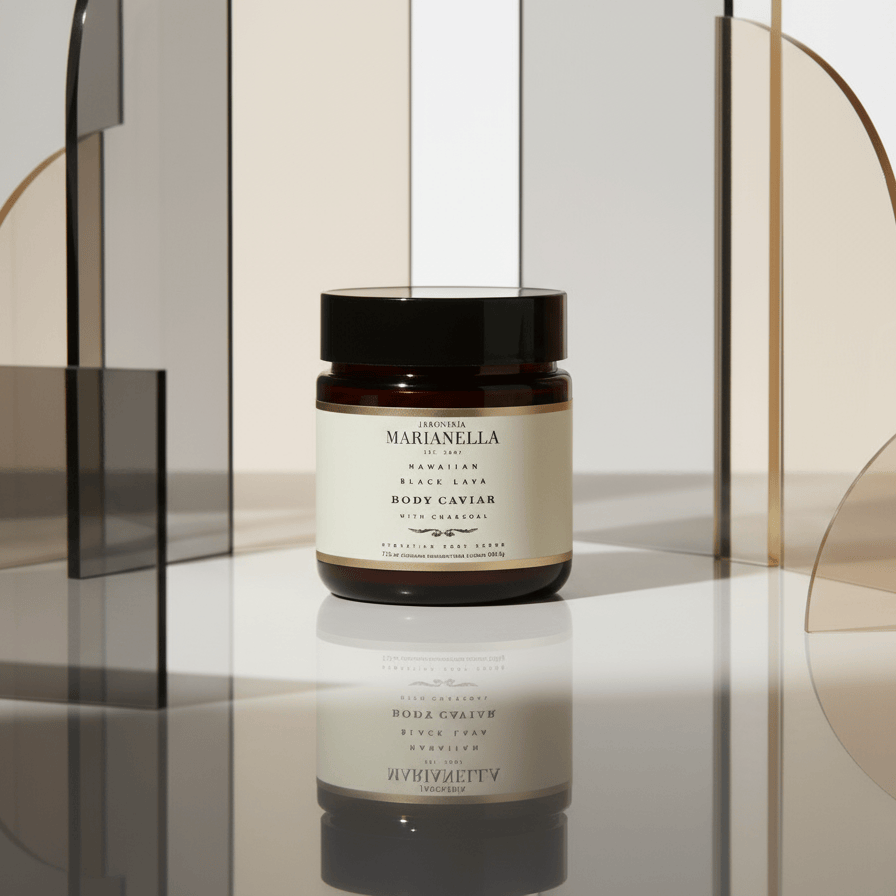
Hawaiian Black Lava Body Caviar Body Scrub with Charcoal
Marianella's Hawaiian Black Lava Body Caviar Body Scrub with Charcoal brings sunflower seed oil into a full-body exfoliation ritual designed for serious skin renewal. The scrub pairs physical exfoliation with the barrier-supporting properties of sunflower seed oil, so the process of removing dead skin cells is immediately followed by lipid replenishment. Freshly exfoliated skin is more permeable. Delivering sunflower seed oil's linoleic acid and vitamin E at that moment maximizes absorption and barrier repair. $29.
Handcrafted in small batches in Brooklyn, it reflects the same formulation philosophy that has defined Marianella for 18 years: botanicals chosen for what they do, not how they sound.
How to Get the Most From Sunflower Seed Oil in Your Routine
The anti-inflammatory properties of sunflower oil, attributed to both vitamin E and linoleic acid, make it an excellent ingredient for calming redness and soothing irritated skin. For that reason, products featuring sunflower seed oil work well applied to damp skin after bathing, when the barrier is temporarily more open and absorption is enhanced.
Consistency matters more than quantity. The barrier-repair mechanisms driven by linoleic acid and ceramide synthesis are cumulative. Those who use sunflower seed oil regularly will notice a significant improvement in skin texture and moisture retention. Regular use of a well-formulated product is more effective than intermittent use of a concentrated one.
The Bottom Line on Sunflower Seed Oil for Skin
In 2026, sunflower seed oil remains one of the most studied plant-derived oils in dermatology. Its linoleic acid content mirrors the skin's own lipid matrix. Its vitamin E provides antioxidant defense against daily environmental stress. Its comedogenic rating of zero makes it appropriate for every skin type. And its anti-inflammatory mechanisms are specific, documented, and peer-reviewed.
Safe, inexpensive, and widely available, sunflower oil seems a reasonable consideration for any patient with impaired skin barrier, so long as there is not a known sunflower seed allergy. In a high-quality formulation, it is considerably more than reasonable. It is one of the most reliable botanicals in modern skincare.
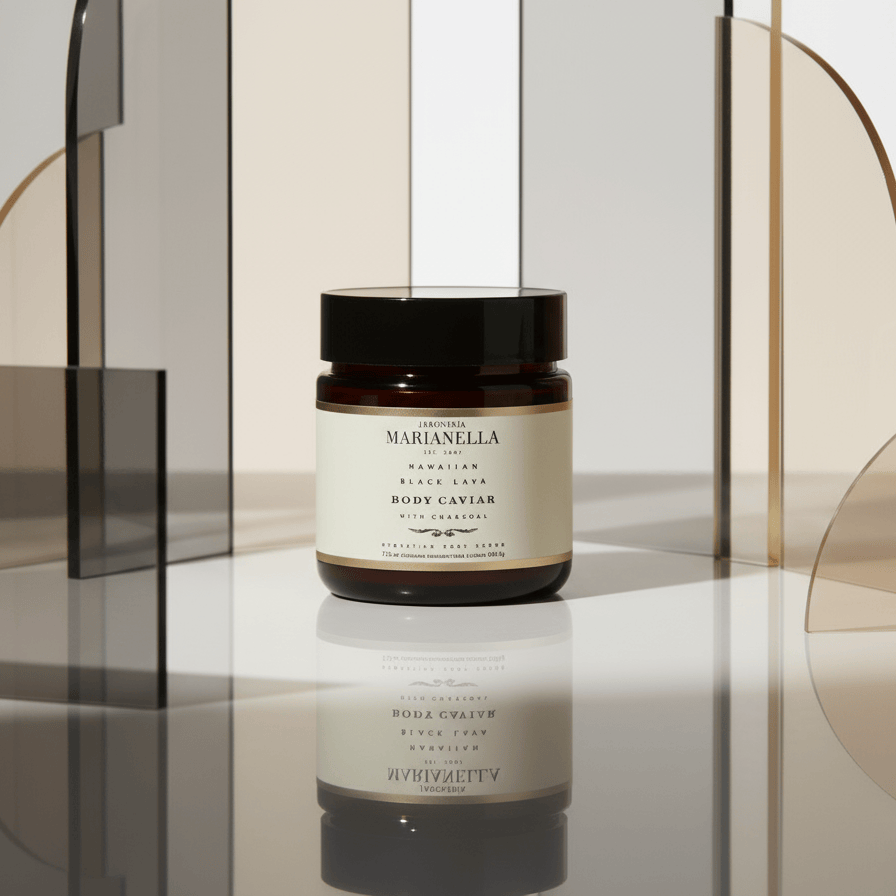
Explore the Hawaiian Black Lava Body Caviar Body Scrub with Charcoal and the full Marianella collection, now available at Bloomingdale's BEAUTYSPACE and at marianella.co.
```

Leave a comment
This site is protected by hCaptcha and the hCaptcha Privacy Policy and Terms of Service apply.