


The research on peptides in skincare supports a clear but modest conclusion: used consistently for two to three months, topical peptides improve how skin looks, with better hydration and elasticity and fine lines that look softer. A 2025 review that pooled 19 controlled trials reached that verdict. What the research does not support is the bigger talk around peptides, that they reverse aging or match a procedure. This article sets out what is solid, what is promising, and what is still mostly marketing.
The question peptides are trying to answer
Collagen makes up most of the dry weight of skin, roughly 70 to 80 percent. It is the network in the deeper layer that gives a face its firmness and spring. From our mid-twenties, skin makes a little less of it each year, often estimated at about one percent, and breaks down a little more. The change is slow, which is why it shows first as fine lines on a tired morning and only later as a softer jawline.
Peptides are one of the most direct ideas cosmetic science has had for this. Rather than adding collagen to the surface, which is too large a molecule to get in, they carry a short signal that is meant to encourage skin to keep making its own. The question research has to answer is simple: does that show on real faces?
What is well supported
The strongest single piece of evidence is a 2025 systematic review and meta-analysis in Frontiers in Medicine. Its authors searched the major medical databases for randomized controlled trials of peptides, taken by mouth or applied to the skin, and found 19 that met their standards, covering 1,341 people. Across those trials, peptides made a measurable difference to hydration, elasticity and wrinkles, and topical formulas in particular were linked to better-looking skin.
That matters because a meta-analysis is not one company's study of its own ingredient. It weighs many trials together. Individual human studies point the same way: in a 12-week split-face trial of 93 people, the side that got a peptide moisturizer showed fewer visible fine lines than the side that did not.
A second 2025 review, in Biomolecules, looked at cosmetic peptides as a whole and concluded that softening wrinkles is still their main and best-documented use.
What is promising but not settled
- Combining peptides. Many formulas now pair peptides that work in different ways, for example a collagen-signaling peptide with one that softens expression lines. The logic is sound and reviews describe the combinations as complementary, but head-to-head trials of combinations against single peptides are still few.
- Firmness and density. Some trials report firmer, denser-feeling skin alongside better hydration. These results are encouraging but come from smaller studies.
- Tone. Some peptides are designed to help tone look more even. The evidence for this is thinner than for lines and hydration.
What is overstated
- Animal and cell studies presented as skin results. Some headline numbers about collagen come from mice or from cells in a dish. They are useful to scientists, but they do not tell you what a cream will do on your face, and we have left them out here.
- Supplements and serums as the same thing. The 2025 review included peptides taken by mouth as well as on the skin. Collagen drinks and peptide serums are different products, and results for one are not results for the other.
- Fast results. Signal peptides need eight to twelve weeks in almost every study. A product promising visible change in a week is promising something the research does not show.
- Any peptide on any label. Peptides are fragile and many are too large to pass easily through skin. Stability, the base around them and how the formula is made all decide whether they do anything. The name alone guarantees nothing.
Reading a study for yourself
A few questions will tell you most of what you need to know about any peptide claim. Was it tested on people or on cells? Was there a placebo or an untreated side for comparison? How many people took part, and for how long? And who paid for it? Many peptide studies are run by the companies that make the ingredient. That does not make them wrong, but independent results that agree with them are worth more.
What the research means for how you use peptides
Three practical points come straight out of the studies. First, consistency: twelve weeks of regular use is the standard timeline. Second, timing: rich peptide formulas suit the evening, when nothing else needs to go on top and skin is not facing sun and makeup. Third, company: peptides sit well alongside hydrating ingredients such as sodium hyaluronate, while very acidic products are better kept to a different time of day.
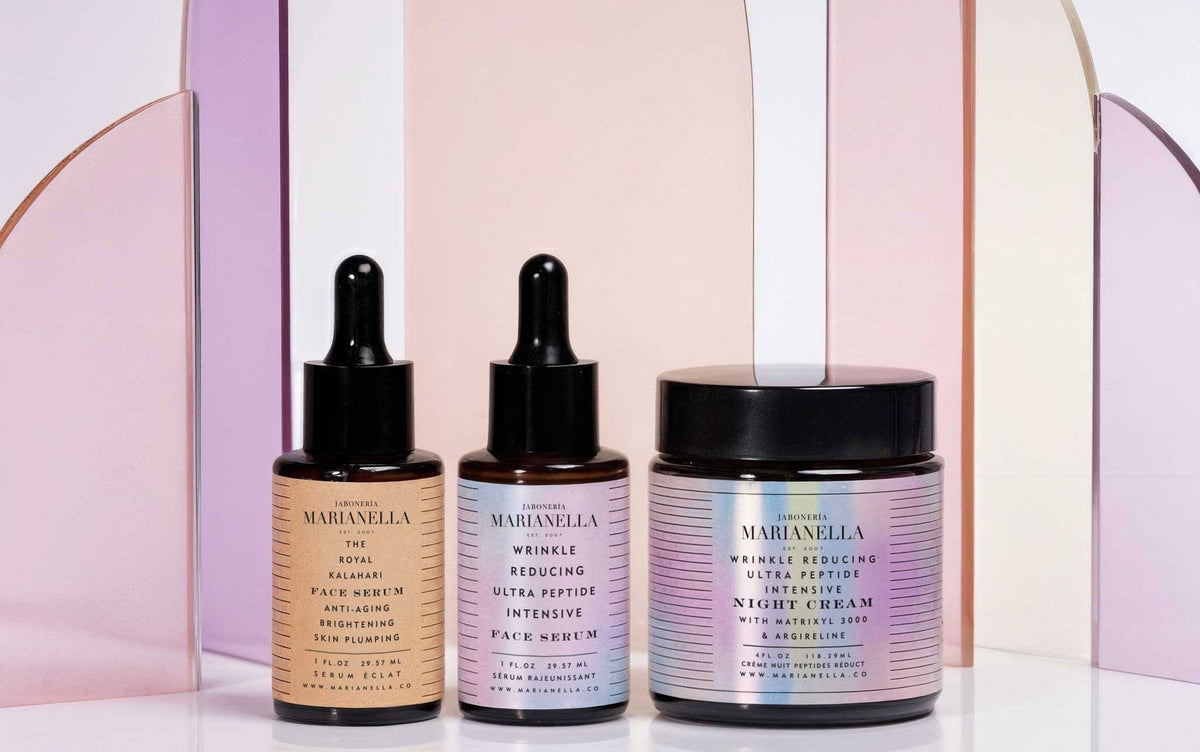
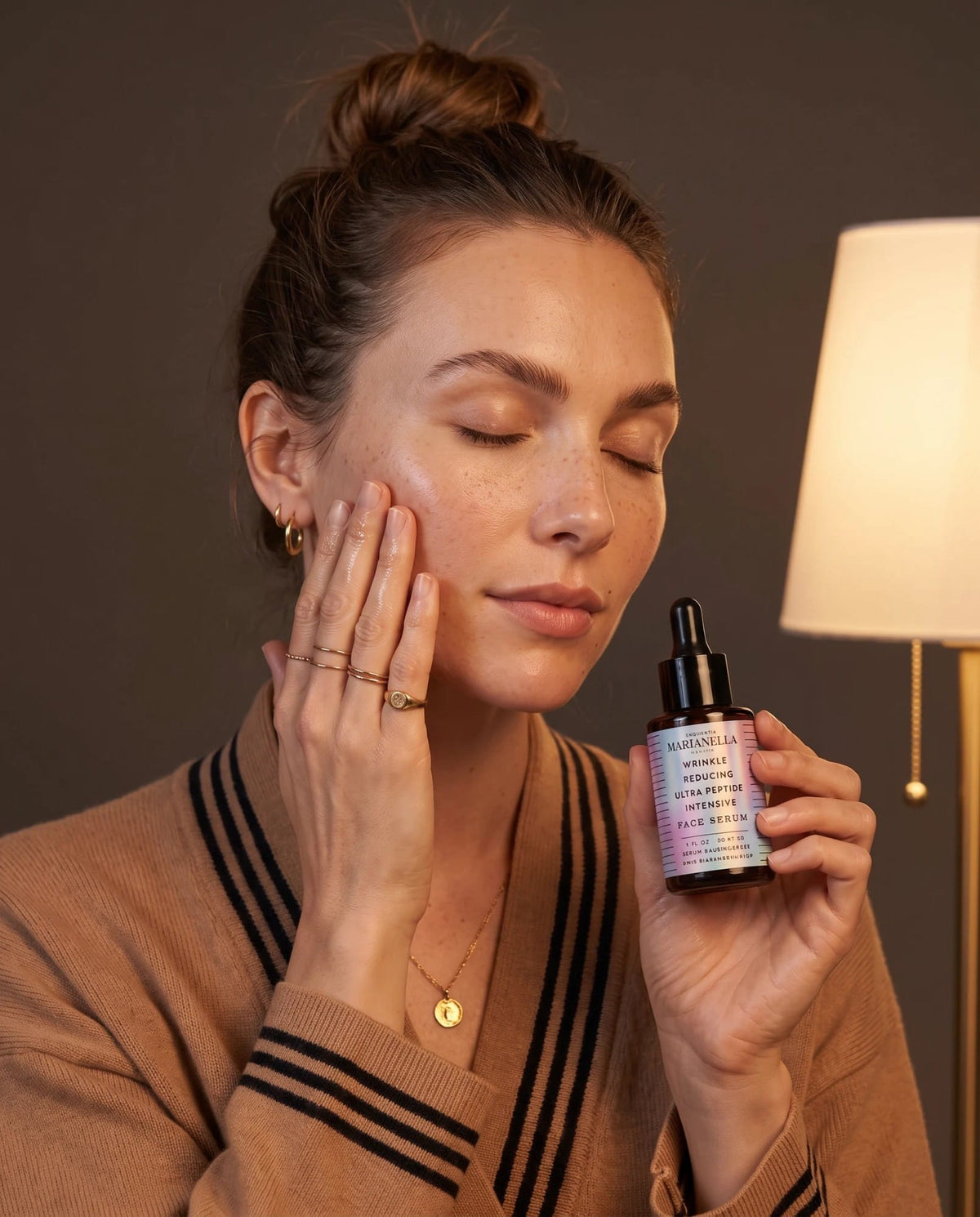
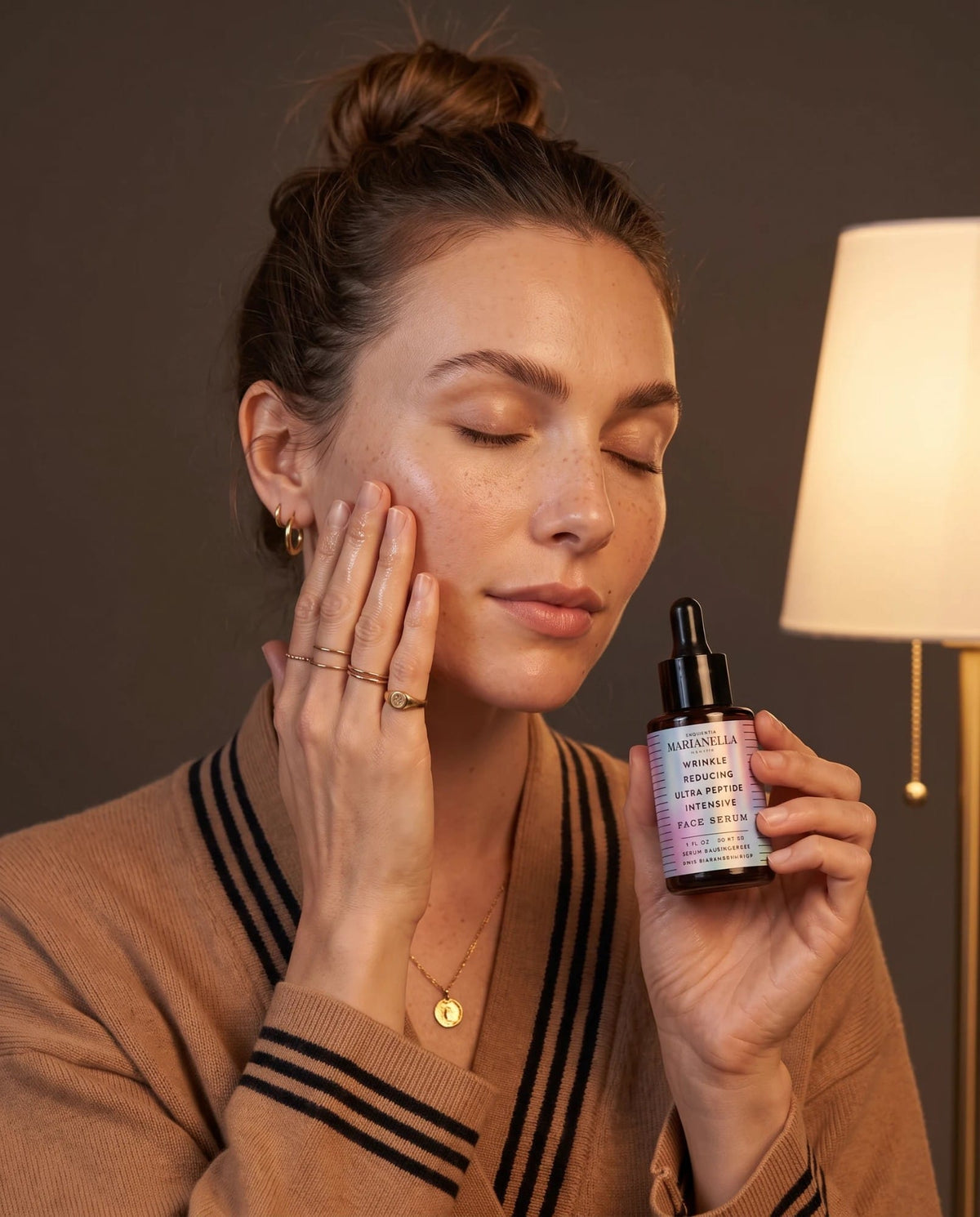
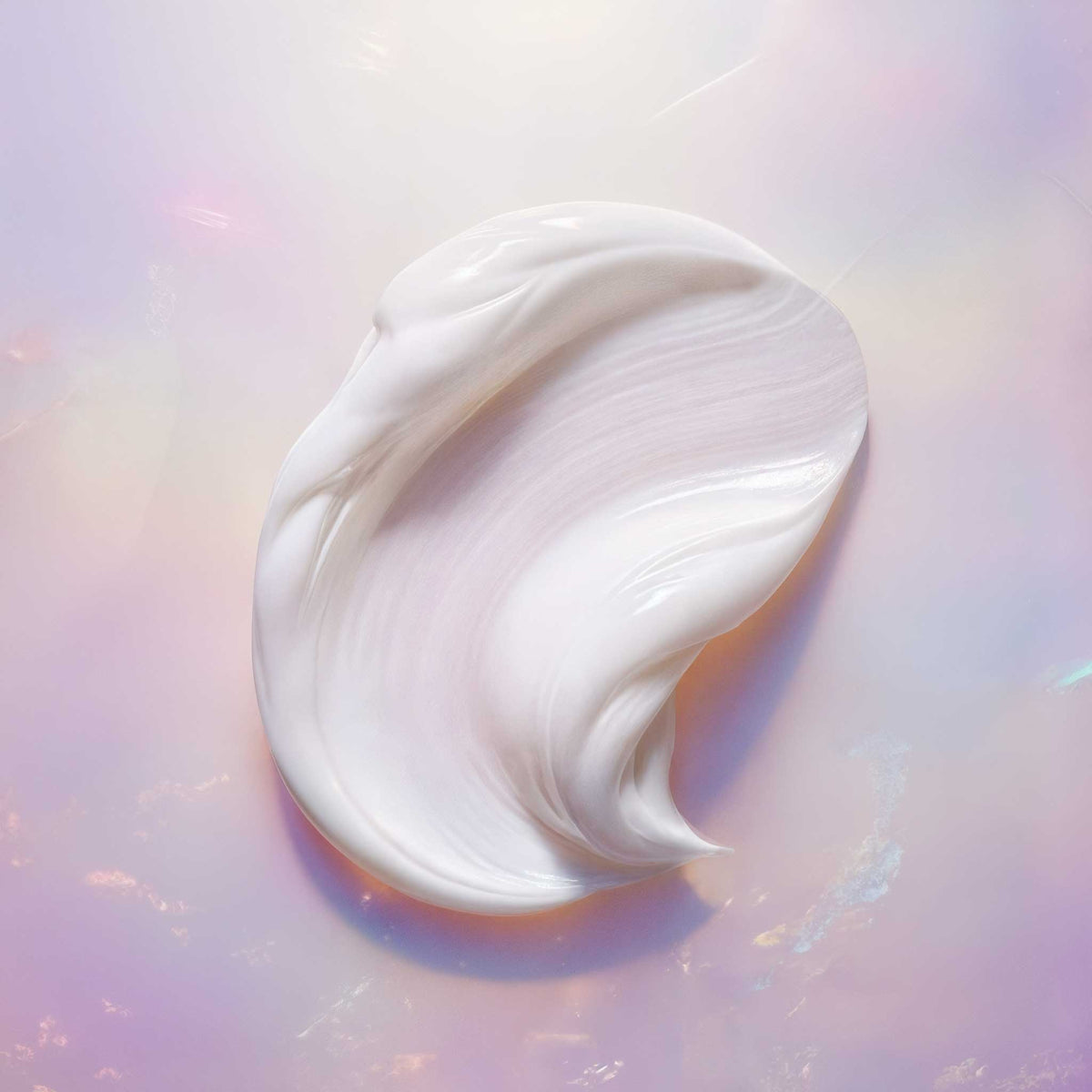
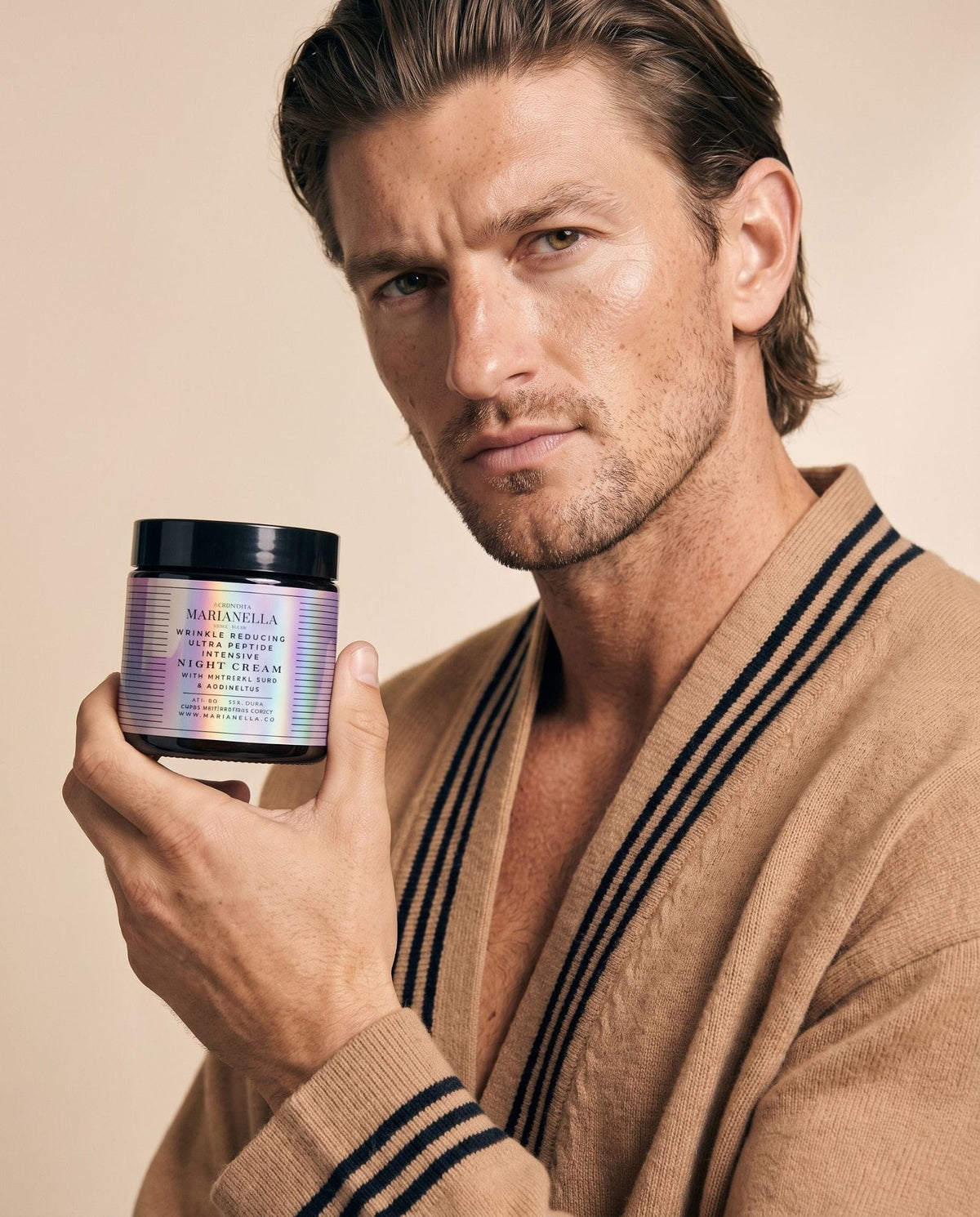
Our two peptide formulas follow those points. The Wrinkle Reducing Ultra Peptide Intensive Face Serum and the Wrinkle Reducing Ultra Peptide Intensive Night Cream each combine three peptides, Argireline, Matrixyl 3000 and Snap-8, with sodium hyaluronate and rosehip seed oil, and both are made for the evening: two to four drops of serum into clean skin, a minute to absorb, then the cream as the last step. Our Complete Face Serum Collection suggests vitamin C in the morning and the peptides at night, which keeps the two apart without any fuss. The two Ultra Peptide formulas are made for us by a specialist cosmetic lab, the one exception to our handmade line.
Questions about peptide research
Is there good evidence that peptides work?
Yes, for how skin looks. A 2025 meta-analysis of 19 controlled trials found peptides improved hydration, elasticity and wrinkles. The effects are real and gradual, not dramatic.
Are collagen supplements the same as a peptide serum?
No. Supplements are taken by mouth and serums are applied to the face. Some reviews include both, so check which one a result is about before you apply it to your own routine.
Why are so many peptide studies paid for by ingredient makers?
Testing a cosmetic ingredient on people is expensive, and the makers have the most reason to pay for it. Read those results as a starting point and give more weight to independent trials and reviews.
Why do you suggest using peptides at night?
Our peptide serum and night cream are made for the evening, and a rich cream works best as a last step with nothing on top. It also leaves the morning free for vitamin C and sunscreen.





















Leave a comment
This site is protected by hCaptcha and the hCaptcha Privacy Policy and Terms of Service apply.