

Coconut oil skincare benefits are among the most thoroughly researched in botanical beauty science. Virgin coconut oil (VCO) hydrates, strengthens the skin barrier, and delivers measurable anti-inflammatory activity, all backed by peer-reviewed data. At Marianella, where 18 years of formulation expertise meet three generations of Venezuelan botanical knowledge, coconut oil is not a trend ingredient. It is a precision tool, worked into the kind of small-batch, handcrafted formulas that earned placements in Vogue, Oprah, and Bloomingdale's BEAUTYSPACE.
What Is Coconut Oil in Skincare?
Coconut oil is a plant-derived lipid extracted from the kernel of mature coconuts (Cocos nucifera). In skincare, virgin coconut oil is the most relevant form: VCO is extracted from mature coconut kernels using a cold-pressing method without excessive heat or chemical treatments, preserving the oil's natural properties and nutritional benefits. The result is an oil rich in fatty acids, antioxidants, and bioactive compounds that interact directly with skin biology.
Virgin coconut oil is rich in medium-chain fatty acids and bioactive constituents such as vitamin E and polyphenols, making it an appealing natural ingredient for medicinal and cosmeceutical skin applications. This is why it performs as more than a simple moisturizer. It delivers antioxidant, antimicrobial, and barrier-reinforcing activity simultaneously.
The Molecular Science Behind Coconut Oil for Skin
Lauric Acid: The Primary Driver
The primary fatty acid of coconut oil is lauric acid, which is present at approximately 45–53%. The metabolic and physiological properties of lauric acid account for many of the properties of coconut oil. This single fatty acid is responsible for much of what makes coconut oil effective as a topical ingredient.

|
$25 |

|
$50 |

|
$34 |
Lauric acid's medium-chain structure allows it to penetrate skin and hair, providing deep hydration without greasiness. In coconut oil, it works alongside other fatty acids to form a protective barrier, locking in moisture. That penetrative capacity is what separates coconut oil from surface-level occlusives. It is not merely sitting on top of the skin. It is working within it.
Lauric acid and monolaurin have demonstrably significant antimicrobial activity against gram positive bacteria and a number of fungi and viruses. For formulation purposes, this means coconut oil contributes functional protection, not just feel.
Medium-Chain Fatty Acids and the Skin Barrier
About 65% of coconut oil's composition is medium-chain fatty acids, and they are partially the reason why coconut oil is beneficial to the skin. Certain medium-chain fatty acids like lauric acid and linoleic acid are the heavy hitters in coconut oil.
Medium-chain fatty acids contribute to strengthening the skin's protective barrier, providing energy through oxidation for normal skin functions. When the skin barrier is intact, moisture stays in and environmental aggressors stay out. This is foundational, not optional, for skin health in 2026 and beyond.
Coconut oil can help decrease transepidermal water loss (TWL), which is when water passively evaporates from the skin. TWL can be triggered by conditions like eczema, rosacea, or dermatitis. Reducing transepidermal water loss is one of the clearest measurable markers of a functional skin barrier, and coconut oil moves that number in the right direction.
Coconut Oil Skincare Benefits, Supported by Research
Anti-Inflammatory Activity
VCO inhibited TNF-α by 62.34%, IFN-γ by 42.66%, IL-6 by 52.07%, IL-8 by 53.98%, and IL-5 by 51.57% in human monocyte cells. These are not minor reductions. Suppressing these inflammatory cytokines is the same mechanism targeted by many pharmaceutical-grade anti-inflammatory ingredients. The difference is that virgin coconut oil achieves this while maintaining a clean, botanical profile.
Clinical evidence adds weight to the lab data. In a randomized trial of 117 patients, mean SCORAD (a validated eczema severity index) decreased by 68.23% in the VCO group compared to only 38.13% in the mineral oil group at 8 weeks. That 30-point gap between virgin coconut oil and mineral oil is significant for anyone comparing ingredient efficacy.
Barrier Function and Skin Protein Expression
Involucrin and filaggrin content increased by 47.53% and 40.45% respectively in keratinocyte cells treated with VCO. VCO also increased the expression of Aquaporin-3, which is linked to cellular hydration. Filaggrin is a structural protein directly tied to barrier integrity. Low filaggrin expression is associated with eczema and sensitized skin. Increasing it by over 40% topically is a meaningful finding.
Antioxidant Properties
The antioxidant properties of VCO were substantiated through both the DPPH assay and the FRAP assay, revealing significant dose-dependent inhibition of DPPH radicals and notable antioxidant capacity. Antioxidant activity in a topical ingredient matters because oxidative stress accelerates collagen degradation. VCO contains high levels of ferulic acid and p-coumaric acid, both phenolic acids, which are associated with antioxidant capacity.
Moisture Retention and Elasticity
A 2013 study found that merely adding virgin coconut oil to an existing skin lotion resulted in an increase in both hydration and skin elasticity. The fact that a simple addition of VCO to an existing formula improved measurable outcomes speaks to the potency of the ingredient even in small concentrations.
One study showed 100.36% improvement in skin moisture content after 2 weeks of using VCO and 148.89% after 4 weeks compared with before application. These numbers reflect cumulative benefit, which is how well-formulated skincare is meant to work.
How Coconut Oil Performs Differently by Skin Type
Coconut oil is not universally appropriate for every skin type in every format. Coconut oil is a comedogenic oil, meaning it can clog pores and potentially cause blemishes in individuals with oily skin. For that reason, how and where coconut oil is used in a formula matters as much as the ingredient itself.
In a rinse-off cleanser, an exfoliating scrub, or a targeted overnight treatment, coconut oil delivers its benefits without the residue risk that comes with leave-on pure oil application on acne-prone skin. Formulation context is everything. This is where 18 years of handcrafted expertise in Brooklyn makes a real difference.
For dry, normal, and combination skin, the barrier-reinforcing and hydration benefits are well-supported. In vitro skin irritation studies in reconstructed human epidermis showed that VCO is a non-skin irritant and non-phototoxic. That safety profile makes it a dependable ingredient for sensitive skin formulations.
Marianella Products Featuring Coconut Oil
Each of the following products draws on Marianella's Venezuelan botanical heritage and Brooklyn craftsmanship, with coconut oil working as a functional ingredient across different delivery formats.
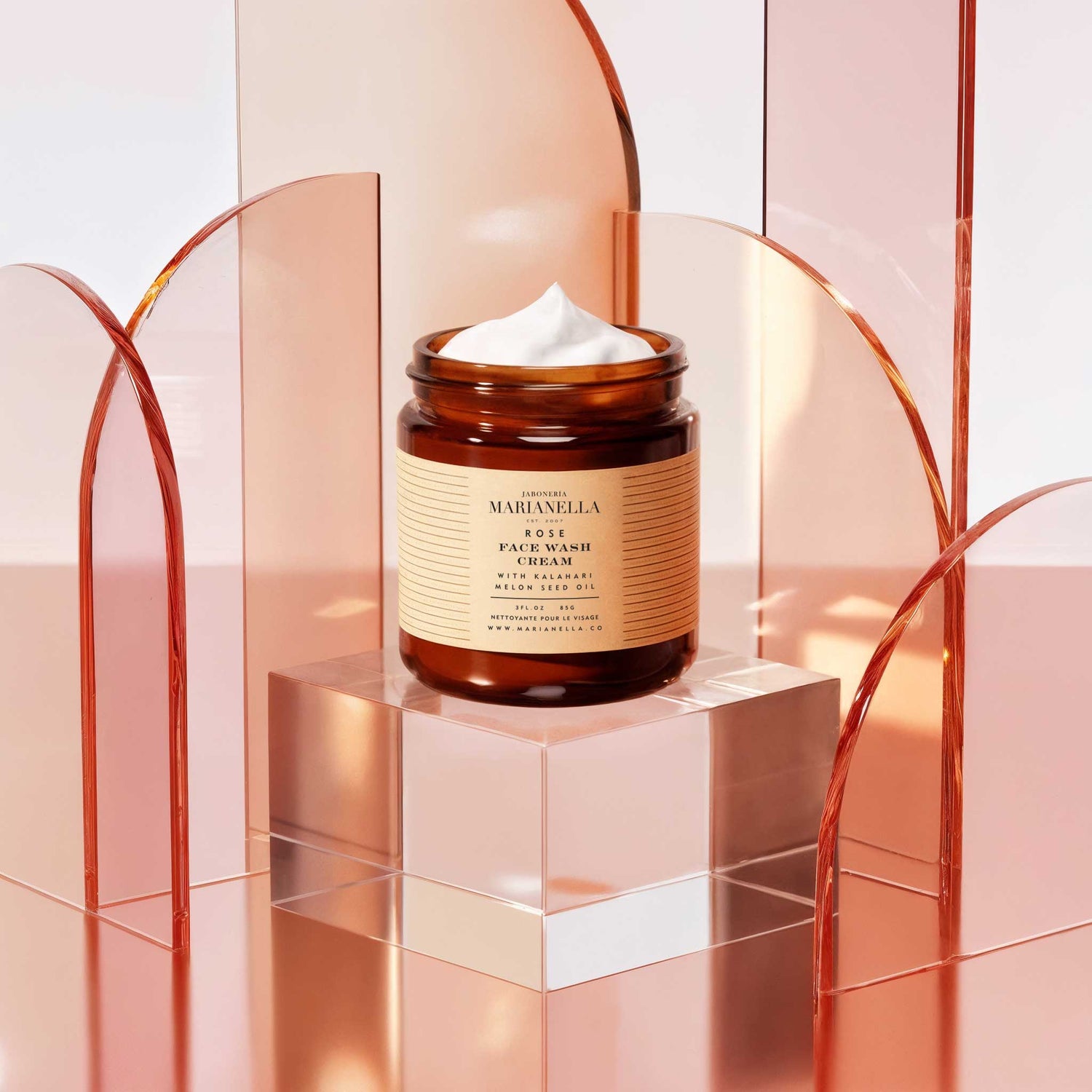
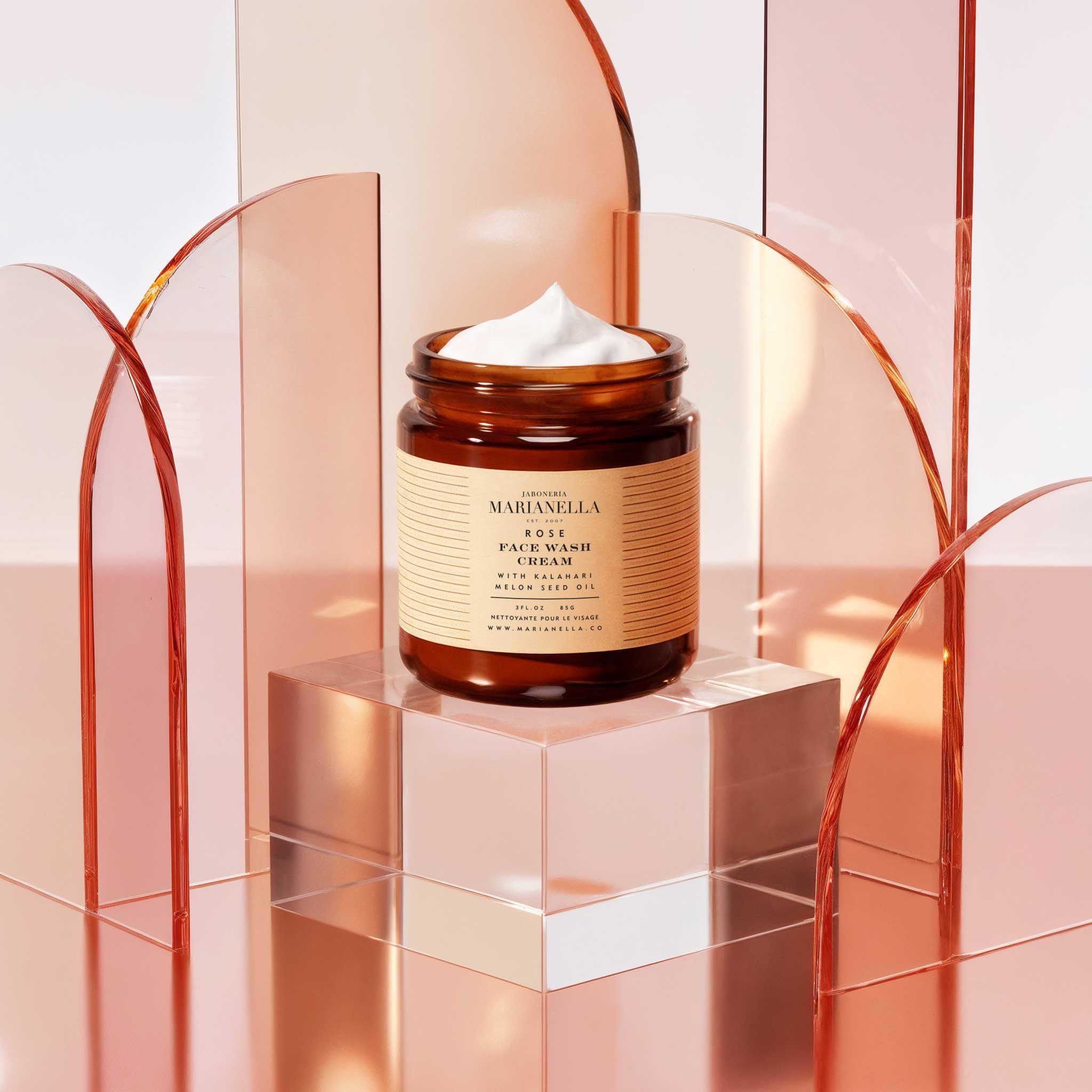
Rose Face Wash Cream
A gentle, creamy cleanser where coconut oil contributes to the softness of the wash experience while supporting the skin barrier during cleansing. Unlike stripping surfactant-heavy formulas, this cleanser leaves skin clean without the tight, depleted feeling. The rinse-off format means the benefits land without comedogenic risk. Rose Face Wash Cream. $25.
The Midnight Youth Potion
An overnight treatment designed to work during the skin's natural repair cycle. Coconut oil's documented ability to increase filaggrin and aquaporin-3 expression makes it particularly relevant in a nighttime formula, where barrier reinforcement and hydration retention can work uninterrupted for hours. This is where the science of coconut oil aligns directly with the logic of sleep-phase skincare. The Midnight Youth Potion. $50.
Hawaiian Black Lava Body Caviar Body Scrub with Charcoal
A body scrub where coconut oil serves as both a conditioning agent and a carrier for the exfoliation experience. As the physical exfoliants work to clear the surface, coconut oil's emollient fatty acids begin reinforcing the newly revealed skin. The combination is textbook: remove the barrier-compromising buildup, then immediately deliver lipid replenishment. Hawaiian Black Lava Body Caviar Body Scrub with Charcoal. $34.
Why Formulation Quality Determines Results
The research on coconut oil consistently focuses on virgin, cold-pressed oil. The processing method determines bioactive retention. VCO is generally defined as coconut oil obtained through mechanical or natural means which do not lead to alteration of the oil, where the oil has not undergone chemical refining, bleaching, or deodorizing. Refined, deodorized, or solvent-extracted coconut oil is a different ingredient with a different efficacy profile.
At Marianella, small-batch production is not an aesthetic choice. It is a quality control mechanism. When batches are small, ingredient integrity is maintained from sourcing through to the finished formula. That is the difference between an ingredient that performs the way the research says it should and one that merely appears on a label. With 82 products crafted in Brooklyn and carried at Bloomingdale's BEAUTYSPACE, the standard is consistent across every SKU.
The Bottom Line on Coconut Oil for Skin in 2026
The science behind coconut oil for skin is substantive. Research demonstrates anti-inflammatory activity through suppression of inflammatory markers and skin protection through enhanced skin barrier function. The fatty acid profile, particularly the lauric acid concentration, drives antimicrobial activity, moisture retention, and barrier reinforcement simultaneously.
What the research also makes clear is that coconut oil performs at its best when it is well-formulated rather than applied raw. The Marianella approach, rooted in three generations of Venezuelan botanical knowledge and refined over 18 years, treats coconut oil as what it is: a clinically grounded ingredient that deserves the same precision and respect as any active.
Explore the full Marianella range at marianella.co, and find select products at Bloomingdale's BEAUTYSPACE.
```

Leave a comment
This site is protected by hCaptcha and the hCaptcha Privacy Policy and Terms of Service apply.