

Argan oil skincare benefits are among the most thoroughly studied of any botanical ingredient in modern dermatology. A vegetable oil extracted from the kernels of Argania spinosa, argan oil has gained significant attention due to its well-balanced fatty acid profile, rich in oleic and linoleic acids, and its high levels of antioxidant compounds, including tocopherols, polyphenols, and phytosterols. For anyone asking what argan oil actually does for skin in 2026, the short answer is this: it repairs the barrier, fights oxidative stress, and measurably improves elasticity. The science supports it. So does 18 years of formulation work at Marianella.
What Is Argan Oil? A Dermatologist-Relevant Definition
Argan oil is a naturally occurring oil produced by cold pressing kernels from an argan tree native to Morocco. The argan tree lives a long life, often longer than 200 years, and its oil has been used in North African botanical traditions for centuries. Traditionally, people have used it to treat various skin conditions, including dry skin, sunburn, and atopic dermatitis, the most common type of eczema.
Scientifically, it sits in the category of non-comedogenic plant oils, meaning it absorbs without blocking pores. The nutritional and cosmetic properties of argan oil are the result of its unique chemical composition. It is rich in unsaturated fatty acids and bioactive molecules, such as polyphenols, tocopherols, squalene, xanthophyll, CoQ10, and sterols. That density of active compounds is why formulators and dermatologists continue to reach for it.
The Molecular Profile: Why Argan Oil Works on Skin
Fatty Acid Composition
The chemical composition of argan oil shows it is rich in unsaturated fatty acids, such as oleic and linoleic acids, which account for approximately 80%. A 100g portion contains 34.10% linoleic and 45.90% oleic acids, compared to 6.13% linoleic and 76.89% oleic acids in olive oil. That distinction matters for skin: linoleic acid (omega-6) is a critical component of the skin's lipid barrier, and its presence at nearly 34% makes argan oil particularly effective at barrier repair.

The linoleic acid in argan oil helps replenish the lipids that make up this barrier, while the oleic acid acts as an emollient, softening the spaces between skin cells. The result is skin that holds onto moisture longer rather than just feeling temporarily slippery after application.
Tocopherol Content
The total tocopherol content in argan oil is between 60 and 90 mg/100 g. γ-tocopherol is the main tocopherol found in argan oil (between 81 and 92%), followed by δ-tocopherol, α-tocopherol, and β-tocopherol. In addition, it contains other bioactive compounds of important antioxidant power, such as polyphenols, coenzyme Q10, and melatonin. Gamma-tocopherol, specifically, is a more potent anti-inflammatory form of vitamin E than the alpha-tocopherol found in most oils — a distinction that is relevant when evaluating ingredient quality, not just ingredient presence.
Phenolic Compounds and Antioxidant Signaling
The antioxidant and anti-inflammatory effects are thought to be linked to argan oil's ability to regulate key signaling pathways, such as Nrf-2 and NF-κB. Studies suggest that its main bioactive components, including fatty acids, γ-tocopherol, ferulic acid, and campesterol, can influence these pathways, either by activating Nrf2 to boost antioxidant defenses or by inhibiting NF-κB to suppress inflammation. These are the same cellular pathways targeted by many pharmaceutical-grade anti-aging actives.
Argan Oil Skincare Benefits Backed by Clinical Research
Skin Elasticity and Anti-Aging
Argan oil has a measurable effect on skin elasticity. A study published in Clinical Interventions in Aging tested both oral consumption and topical application of argan oil in postmenopausal women over 60 days. Both methods produced significant improvements across multiple measures of skin elasticity, including gross elasticity, net elasticity, and biological elasticity. Olive oil, used as a comparison, did not produce statistically significant improvements. That is a notable finding. Argan oil did not simply perform — it outperformed.
The study concluded that a combination of daily consumption and topical application of argan oil improved skin elasticity, and this was related to an increase in collagen content and elastin fibres in the skin.
Barrier Repair and Hydration
According to research, thanks to its essential fatty acid content (omegas 6 and 9), argan oil helps restore the skin's hydrolipidic film, strengthening the skin barrier and limiting water loss. A review published in Cosmetics also describes argan oil's dermatological properties to moisturize the skin, along with antioxidant properties to inhibit the signs of aging, thanks to its high levels of squalene, γ-tocopherol, and unsaturated fatty acids.
A 2015 study published in the Journal of Clinical and Aesthetic Dermatology examined the effects of argan oil on skin hydration and elasticity. Researchers found that participants who applied topical argan oil daily for four weeks showed significant improvements in moisture retention and skin elasticity compared to the control group. This confirms that argan oil is an effective natural moisturizer, particularly for dry and aging skin.
Anti-Inflammatory and Microbiome Support
On the skin, argan oil hydrates and balances the lipid environment, creating a favorable setting for beneficial microorganisms, while also possessing antimicrobial and anti-inflammatory properties that soothe conditions like eczema and acne. This intersection of barrier support and microbiome balance is an area of growing interest in dermatology, and argan oil sits at the center of it.
Hyperpigmentation and Tone Evening
In a study on melanoma cells, argan oil produced a dose-dependent decrease in melanin production. It works by influencing the enzymes responsible for melanin synthesis, essentially slowing down the process that creates dark spots after sun exposure, acne, or inflammation. The depigmenting effect appears to come from the combined action of tocopherols, free fatty acids, and carotenoids in the oil. This is not a replacement for dedicated brightening actives, but it is a meaningful secondary benefit when formulated well.
Oxidative Stress and UV Defense
A 2016 study in the Journal of Photochemistry and Photobiology analyzed how argan oil protects the skin from UV radiation damage. The research showed that argan oil contains antioxidants that reduce oxidative stress caused by sun exposure, helping to prevent sunburn and hyperpigmentation, reduce DNA damage from prolonged sun exposure, and protect against photoaging and premature wrinkles.
Argan Oil for Face: How It Fits Into a Skincare Routine
Argan oil is one of the more versatile ingredients a formulator can work with because of its skin-compatibility across types. Argan oil is noncomedogenic and works on oily skin to balance sebum production and on dry skin to promote hydration. That dual-direction performance is rare in a single ingredient.
For best results based on clinical research, plan on consistent daily use for at least 60 days before judging its effect on elasticity or hydration. Look for oil labeled "cold-pressed" or "virgin" in a dark glass bottle, since light and heat degrade the tocopherols that give argan oil most of its benefits. The same principle applies to how the oil is preserved within a finished formula.
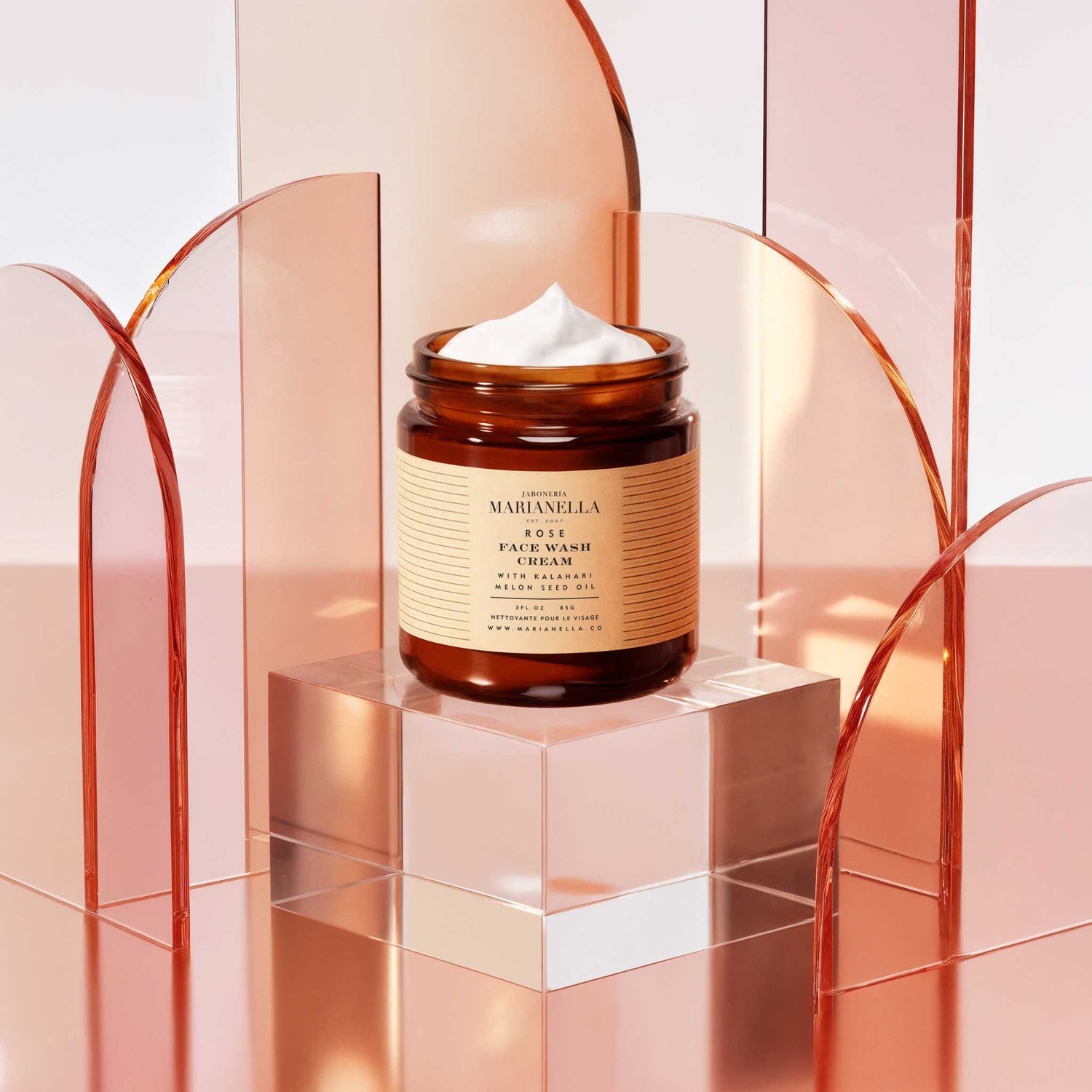
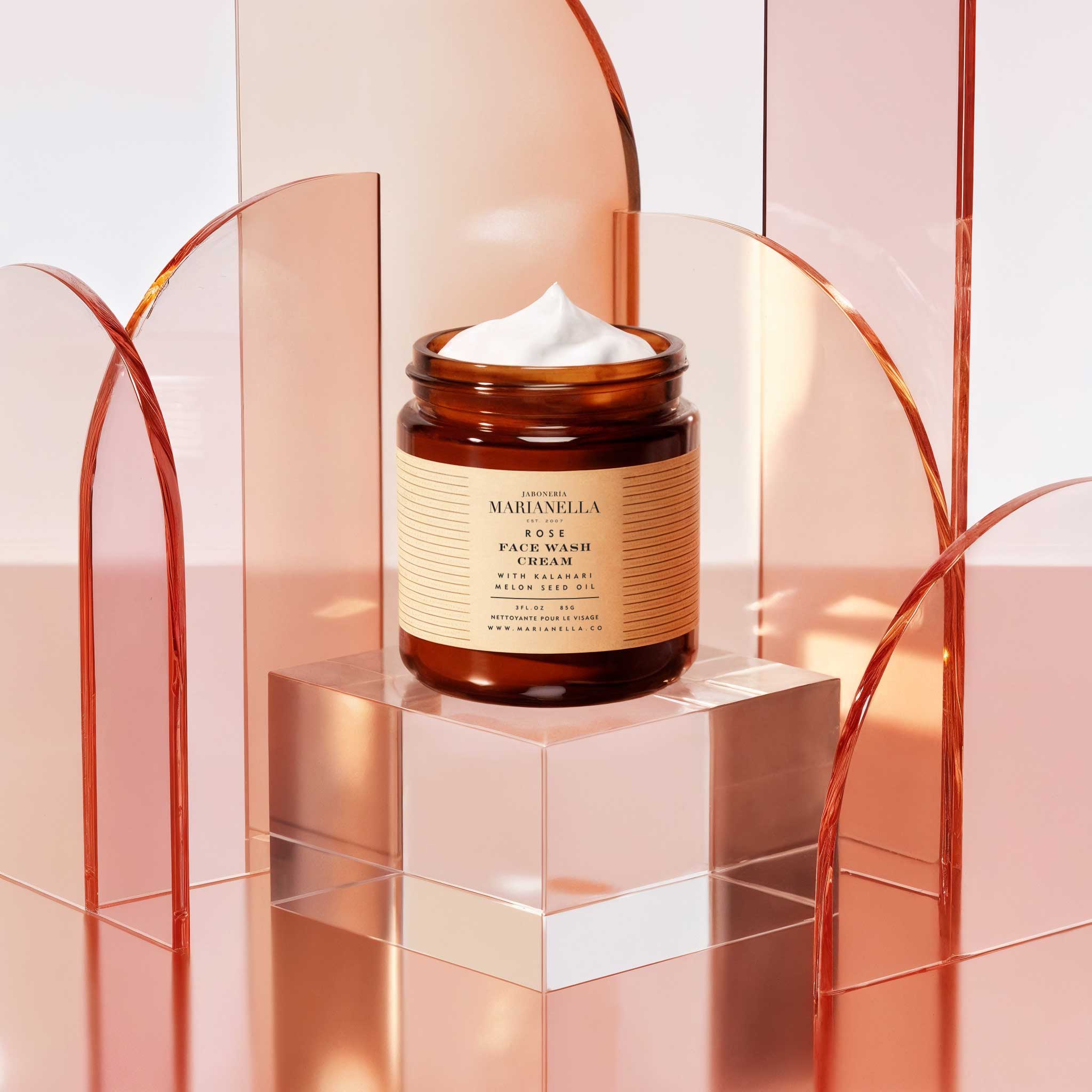
When argan oil is delivered in a rinse-off format, like a face wash, it deposits a conditioning layer on the skin without the heaviness of leave-on application. The result is a cleanse that does not strip. That is the case with the Marianella Rose Face Wash Cream ($25), where argan oil is part of a botanical framework built on 18 years of formulation expertise. Handcrafted in small batches in Brooklyn, it reflects the same three-generation Venezuelan botanical heritage that has defined Marianella since 2007, now available at Bloomingdale's BEAUTYSPACE.
What Separates Good Argan Oil Formulas from the Rest
Extraction Method Matters
The artisanal extraction of a litre of argan oil requires approximately 24 hours of arduous and intensive labour. Cold pressing preserves the tocopherols, polyphenols, and squalene that make the oil clinically relevant. Refined or solvent-extracted versions lose much of that profile. Quality sourcing is non-negotiable.
Formulation Context
An ingredient does not perform in isolation. Argan oil's benefits compound when it is formulated alongside complementary botanicals that share its barrier-supporting, antioxidant profile. At Marianella, that thinking shapes every product across 82 SKUs spanning face, body, and home. The Rose Face Wash Cream is one entry point into that philosophy. Explore it here.
The Bottom Line on Argan Oil for Skin in 2026
Argan oil's proven benefits in hydration, anti-aging, skin repair, acne treatment, UV protection, and overall skin health make it one of the most effective natural oils available. The science is substantial. The clinical data on elasticity, barrier function, and oxidative defense is real, peer-reviewed, and reproducible. What matters in 2026 is not whether to use it, but how to source and formulate it with the care the ingredient demands.
Marianella has been doing exactly that, handcrafting in Brooklyn with Venezuelan botanical precision, since 2007. As seen in Vogue, Forbes, Oprah, and Allure, and recognized by People Magazine's Star Beauty Award, the standard has always been the same: rigorous ingredients, honest formulas, results that stand on their own.
Start with the Rose Face Wash Cream ($25) and experience what 18 years of argan oil expertise looks like in practice.
```

Leave a comment
This site is protected by hCaptcha and the hCaptcha Privacy Policy and Terms of Service apply.