


Argan oil does a few things for skin very well, and the evidence for them is good: it softens, it helps skin hold moisture, and it carries a generous amount of vitamin E. Other claims made for it, from firming and lifting to clearing breakouts and shielding skin from the sun, rest on thinner or less relevant evidence. Here is how the common claims stand up, from the best supported to the most overstated.
Well supported: it softens skin and helps it hold moisture
Argan oil is pressed from the kernels of the argan tree, Argania spinosa, which grows in south-western Morocco. About 80 percent of its fatty acids are unsaturated, and they are split fairly evenly between two kinds. Oleic acid, at 43 to 49 percent, is the softener: it smooths the flattened cells at the surface, so rough skin feels supple. Linoleic acid, at 29 to 36 percent, is one of the building blocks of the lipids that hold the outer layer of skin together, and dry skin tends to run short of it.
That chemistry matches what people feel. Argan is a medium-weight oil with a dry touch. It absorbs well and leaves skin soft rather than slick. In a small study, applying argan oil every night reduced the amount of water lost through the skin and raised the water content of its outer layer. That is the plainest and best-supported claim for argan oil, and it is the reason we use it.
Well supported: it is rich in vitamin E
Argan oil is high in tocopherols, the family of compounds sold as vitamin E, at roughly 60 to 90 mg per 100 g. Most of it is gamma-tocopherol rather than the alpha form that dominates many other oils. Vitamin E is an antioxidant. In the bottle it helps keep the oil fresh, and on skin it adds antioxidant care to a formula. Argan also contains two plant sterols, schottenol and spinasterol, that are rare in other vegetable oils, along with small amounts of squalene and polyphenols.
The overstated part is what those numbers mean on your face. The antioxidant content of the oil is well measured. How much of it reaches and stays in skin, and what it does there from day to day, is far less certain. Read "packed with antioxidants" as a description of the oil, not a promise about your complexion.
Partly supported: firmer, more elastic skin
The study most often quoted appeared in Clinical Interventions in Aging. Postmenopausal women either ate argan oil or applied it to their skin for 60 days, and both groups showed measurable gains in skin elasticity. A comparison group given olive oil did not.
It is a real result, but read it closely. It was one study in one group of women, and some of the largest gains came from eating the oil, not from putting it on. It supports the idea that steady use can help skin look and feel more supple. It does not show that an oil will lift, tighten or erase lines, and claims that argan oil "rebuilds collagen" go well beyond what was measured.
Overstated: argan oil for breakouts
You will often read that argan oil never clogs pores and can balance oily skin. There is some logic to it. Skin that breaks out easily often has less linoleic acid in its own oil, and argan supplies plenty. But the pore-clogging scores quoted online are informal ratings rather than a reliable test, and nearly half of argan oil is oleic acid, the richer and heavier part. Many people with oily or blemish-prone skin wear argan comfortably and some do not. Try it on a small area first and give it a week before you decide.
Overstated: protection from sun and pollution
Lab research on cells, and the traditional use of argan oil in Morocco, are sometimes stretched into a claim that the oil protects skin from the sun or from city air. Its antioxidants are real, but no oil is a sunscreen. Argan oil offers no meaningful sun protection, and what happens to cells in a dish tells you little about your skin on a summer afternoon. Wear sunscreen in the daytime whatever oils you use.
Claims we do not make
Some articles describe argan oil as calming named skin conditions, or as acting against germs on the skin. Those are medical claims, and most of the studies behind them were done in animals or in lab dishes. We do not make them. What we say about argan oil is what you can feel: softer, smoother skin that holds its moisture better.
What actually changes the result: the oil itself
Argan trees grow slowly, live for 150 to 200 years and take around fifty years to reach full production, and a single tree gives about a liter of oil a year. Because the yield is low, quality varies a great deal. How the kernels are pressed and processed changes the oil's vitamin E content, its scent and how long it keeps. A good cosmetic argan oil smells faintly nutty, looks clear and golden, and feels light rather than greasy. An oil that smells sharp or stale has started to go off, and it is time to replace it.
Where we use argan oil
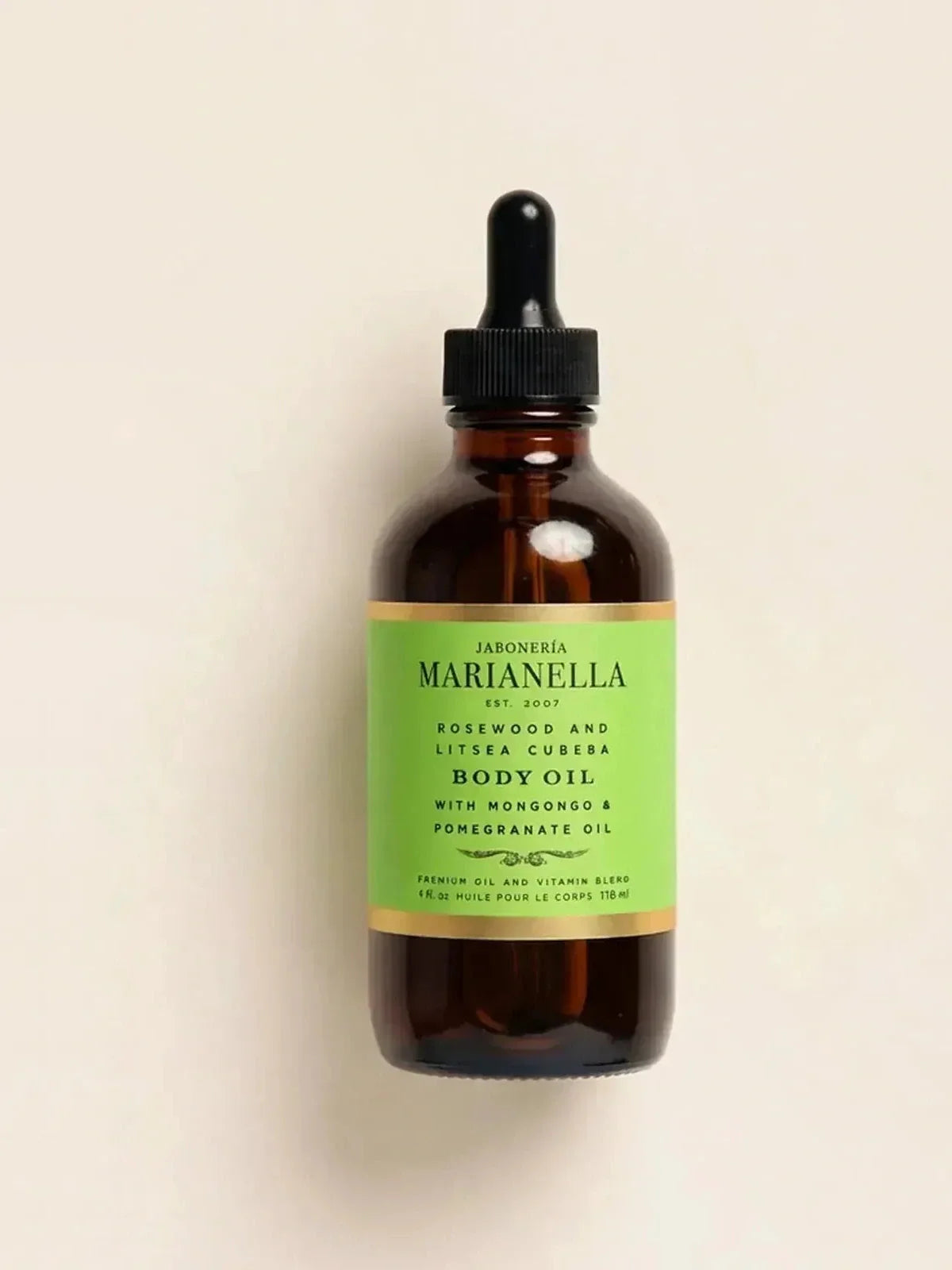
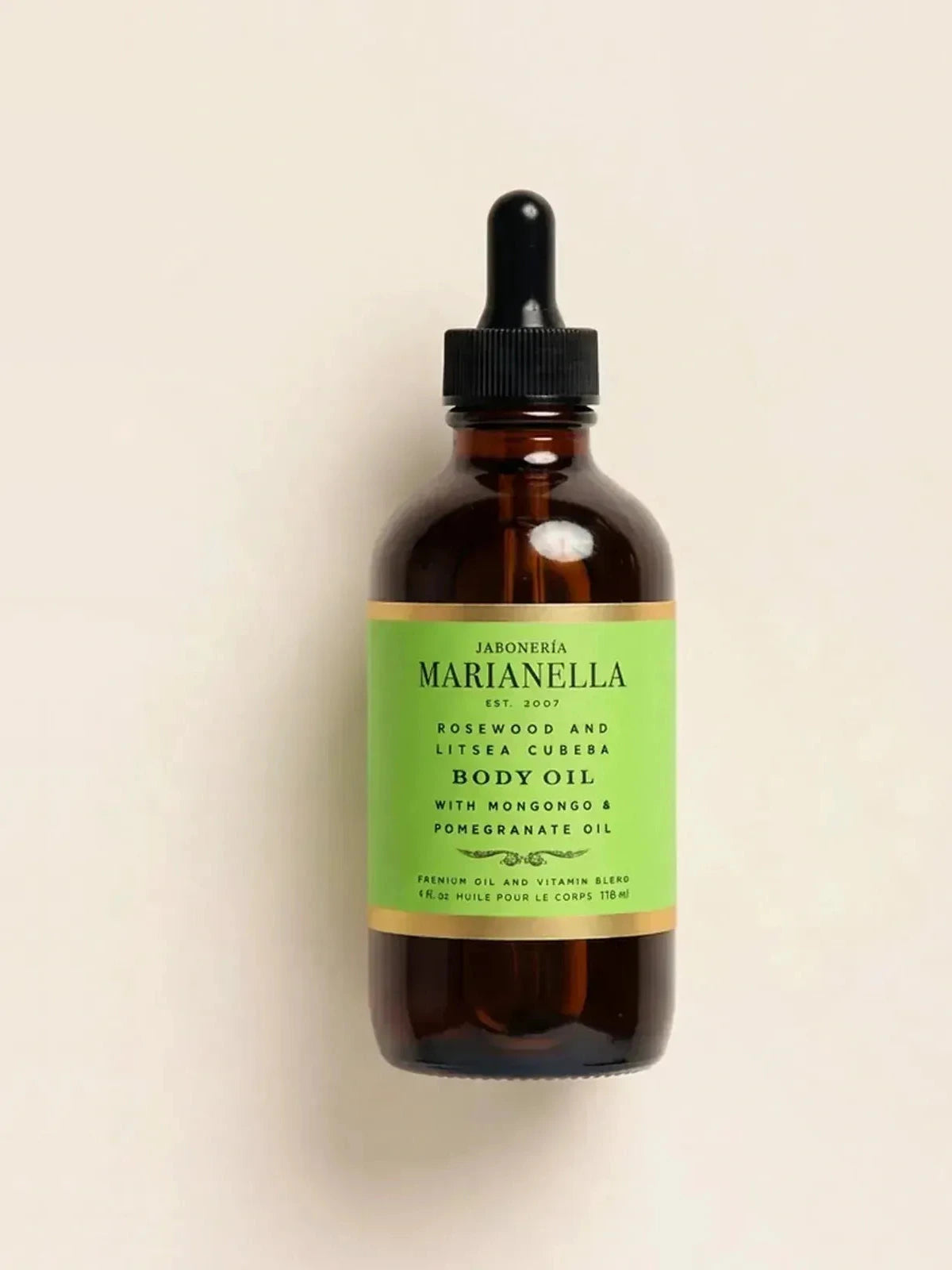
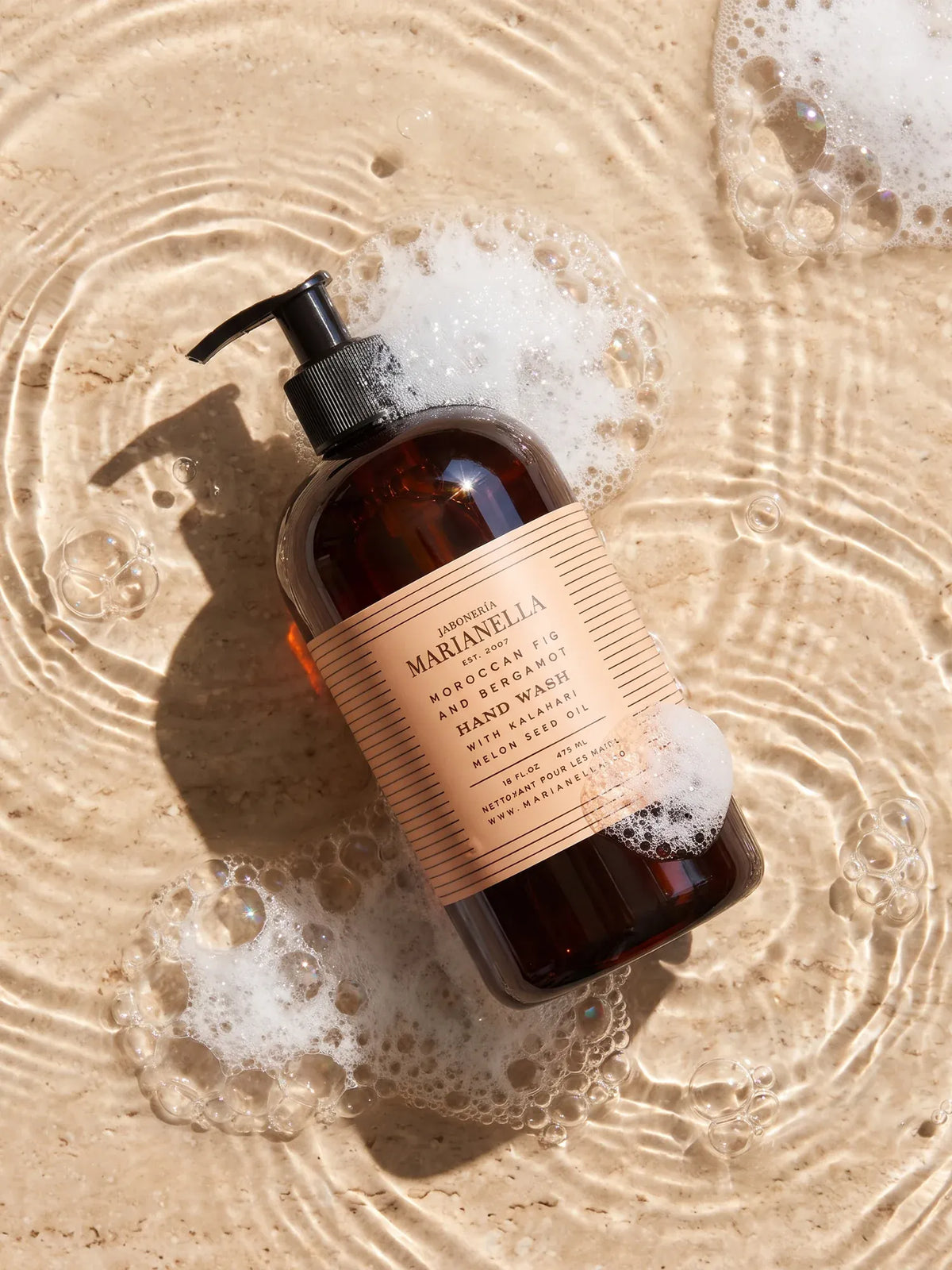
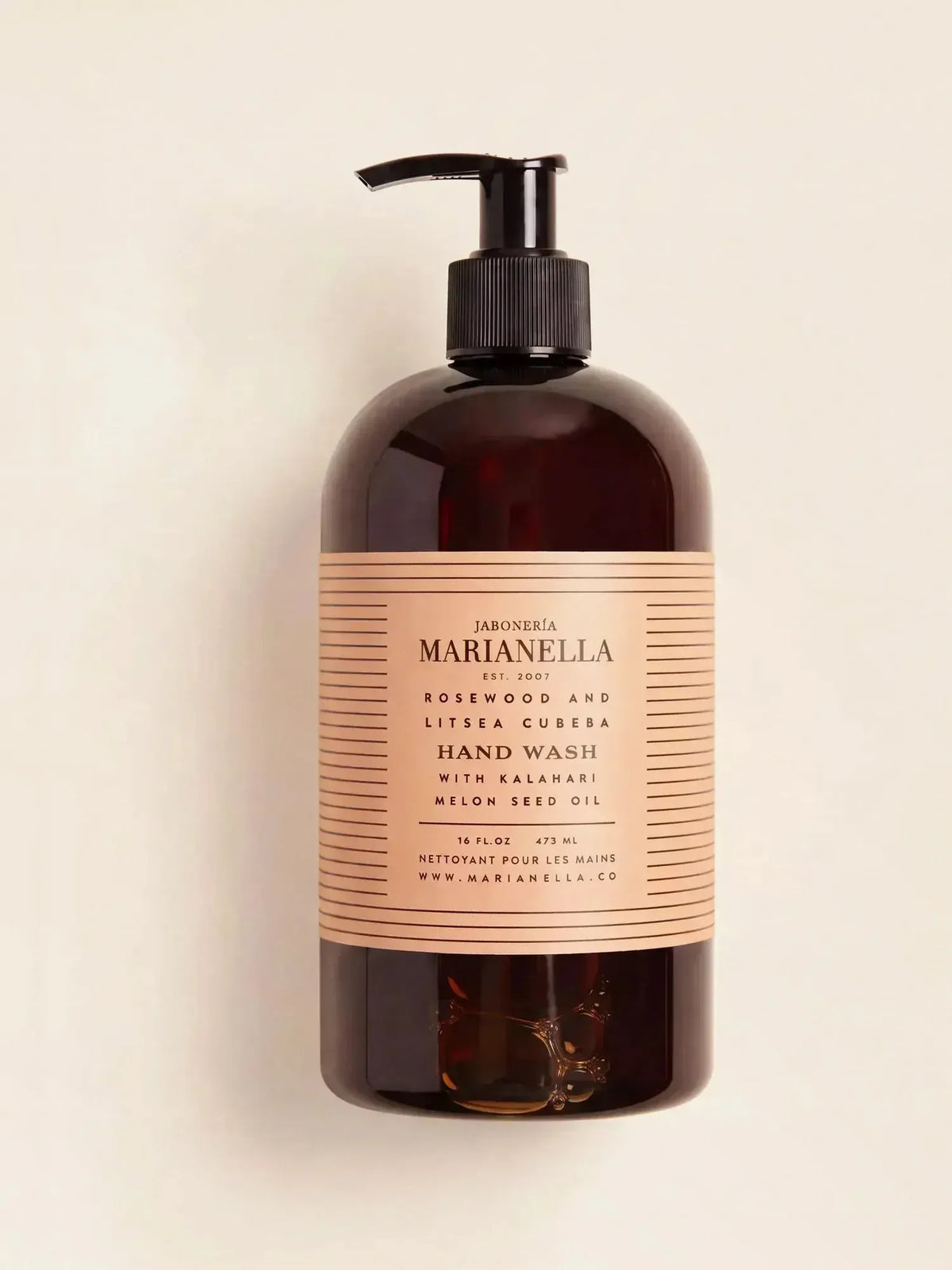
We use argan oil in body and hand formulas, where its soft, non-greasy finish matters most. Our Hydrating Hand Cream pairs it with Kalahari melon seed, jojoba, avocado and borage oils, aloe leaf juice and glycerin, so hands feel soft without leaving a film on the next thing you touch. Our Rejuvenating Body Cream uses argan and borage oils for suppleness. In the New Imperial Jade Body Oil, argan joins mongongo, Kalahari melon seed, marula and grapeseed oils in a blend made for damp skin straight out of the shower. Every ingredient we use, and the products it appears in, is listed in our Ingredient Library.
Questions about argan oil claims
Will argan oil get rid of wrinkles?
No oil removes wrinkles. One 60-day study found better skin elasticity in women who used or ate argan oil, so with steady use it can help skin look smoother and feel more supple.
Is argan oil safe to use on oily skin?
Often, yes. Its linoleic acid suits oily skin, but nearly half of it is the richer oleic acid, so try it on a small area for a week before using it all over.
Can argan oil replace my sunscreen?
No. Argan oil has antioxidants but offers no meaningful sun protection. Use a sunscreen in the daytime and keep the oil for softness and moisture.
Why does argan oil cost more than most plant oils?
The trees grow slowly, take decades to reach full production and give about a liter of oil each a year. Pressing the small, hard kernels is slow work, and that low yield sets the price.


















Leave a comment
This site is protected by hCaptcha and the hCaptcha Privacy Policy and Terms of Service apply.