


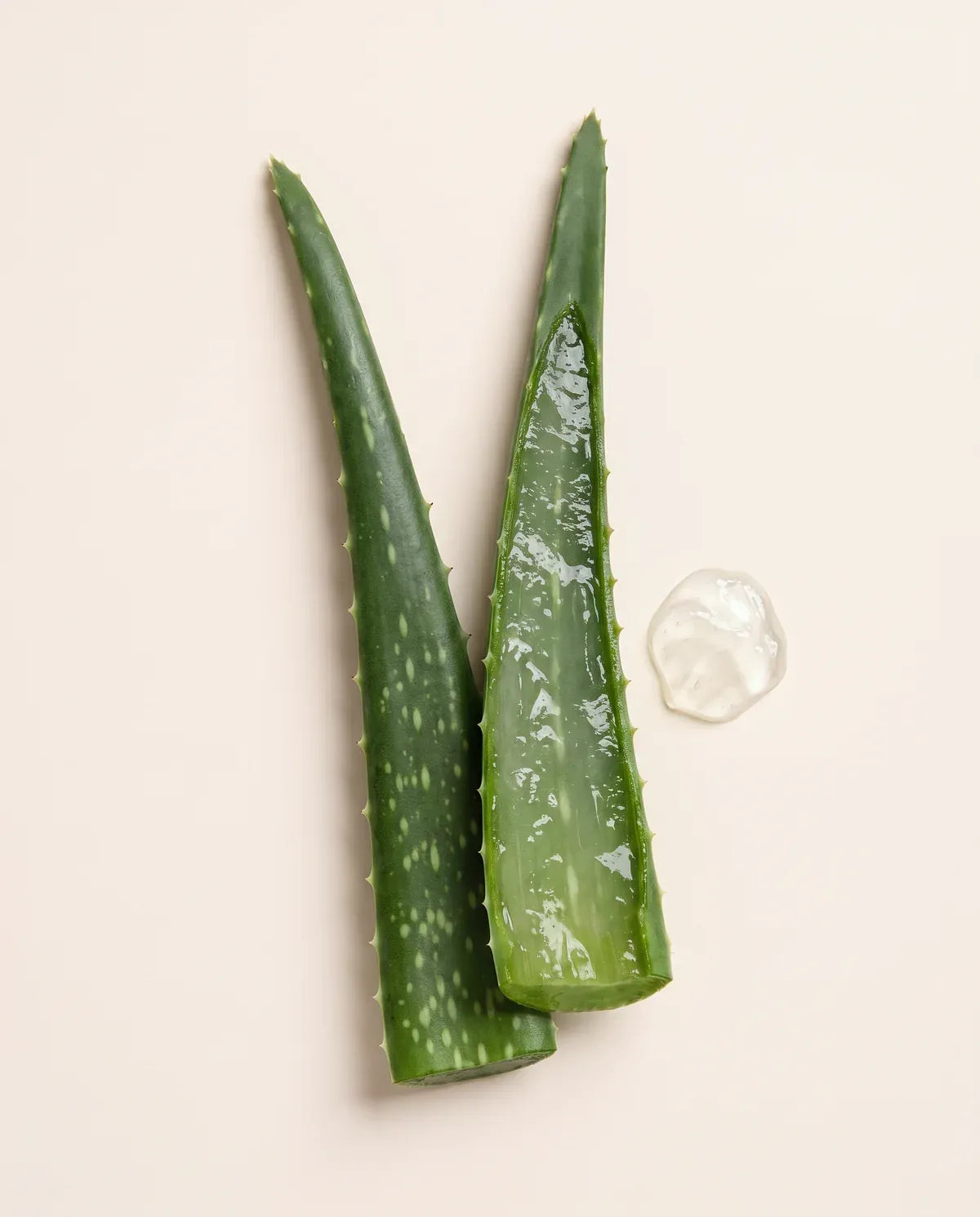
The research supports aloe vera best for what you feel when you apply it: light, water-binding hydration and a cool, comfortable finish on skin that feels dry or a little irritated. Bigger claims, such as aloe rebuilding collagen or reversing aging, rest mostly on laboratory studies of cells or on aloe taken by mouth, and a 2025 review found aloe supplements did little for skin. Here is how the evidence sorts out, claim by claim.
What is in aloe gel
Aloe vera is a succulent whose leaves store water through dry seasons. Skincare uses the clear inner gel of the leaf, which is almost all water. More than 60% of what remains, once the water is set aside, is made of polysaccharides, long sugar chains that hold water. Two of them, acemannan and glucomannan, are considered responsible for most of what aloe does on skin.
The plant has a long history. Records of its use go back to ancient Egypt, and it has been used on skin in many cultures since. A long history does not prove anything on its own, but it is a reason researchers have looked at aloe so closely.
Well supported: hydration that stays put
This is the strongest claim, and it holds up. The polysaccharides in aloe behave like the skin's own carbohydrates and bind water to the skin's surface, which is why an aloe gel leaves skin feeling hydrated rather than simply wet. Unlike a heavy cream, it does this without an occlusive layer, so it suits skin that wants moisture without weight.
It also explains the texture. Aloe-based gels feel light and absorb quickly, and they layer well under serums and oils. That makes aloe a sensible base for a gel step between cleansing and moisturizing.
Well supported: a cool, comfortable feel
Aloe feels cool on contact, and that is measurable as well as pleasant. In one study, skin was noticeably cooler after an aloe-containing product than after a control product. People have long reached for aloe when skin feels warm, tight or a little irritated, after sun or wind, and the cosmetic evidence backs up that comfort.
Overstated: collagen, repair and anti-aging
Much of the excitement about aloe comes from studies of skin cells grown in a lab, which show aloe compounds influencing the cells that make collagen and elastin. Those results are interesting, but they do not tell you what a gel on your face will do. Cells in a dish are not skin with a barrier on top of it.
Claims that aloe "repairs" skin, rebuilds collagen or reverses aging go well beyond what has been shown in people using cosmetic products. A fair summary is that aloe helps skin look and feel better hydrated, and hydrated skin looks smoother. Anything more is not yet established.
On your skin versus in a capsule
Research on aloe divides into two very different kinds of study, and they are often mixed up. Some small trials of aloe taken by mouth reported better skin moisture and elasticity. But a 2025 systematic review and meta-analysis that pooled the supplement trials found that, compared with placebo, aloe supplements had little to no effect on skin hydration after 4, 8 or 12 weeks. Moisture loss, elasticity and collagen scores did not differ from placebo either.
That review is about swallowing aloe, not applying it. The hydration and comfort evidence comes from aloe used on the skin, which is the relevant evidence for a gel, a serum or a cream. When you read a claim about aloe, it is worth asking which kind of study it came from.
Claims to read carefully
- "Contains more than 75 active compounds." Aloe does contain many compounds, but a count says little about what a product does. Water and polysaccharides do most of the work on skin.
- "Aloe vera oil." Aloe gel is water-based. A product called aloe oil is usually aloe infused into a carrier oil, so check the ingredient list for Aloe Barbadensis Leaf Juice or Gel.
- "Therapeutic concentration." This is marketing language. Ingredient order on the label tells you more: ingredients are listed from most to least.
- "Suits everyone." Aloe is gentle for most people, but contact reactions do happen. Patch test a new product on a small area first.
Where aloe is in our formulas
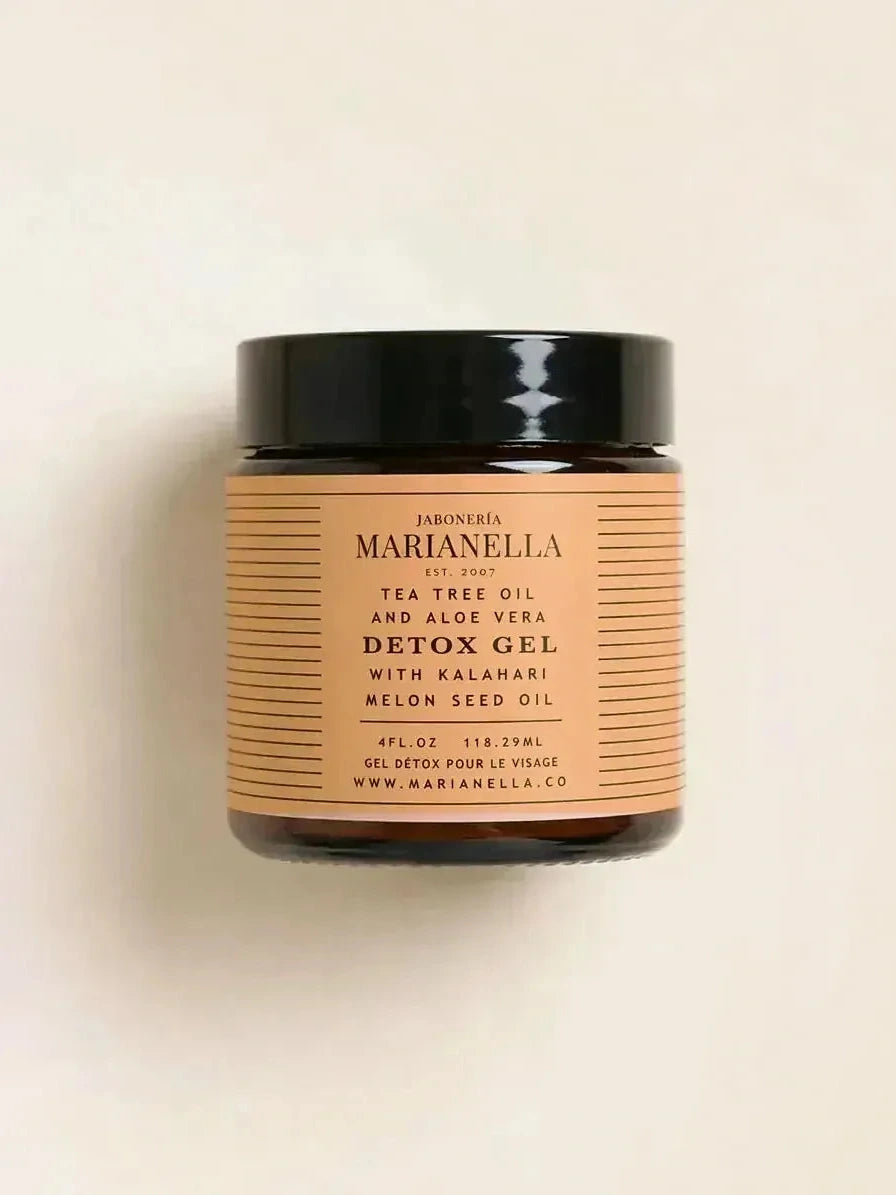
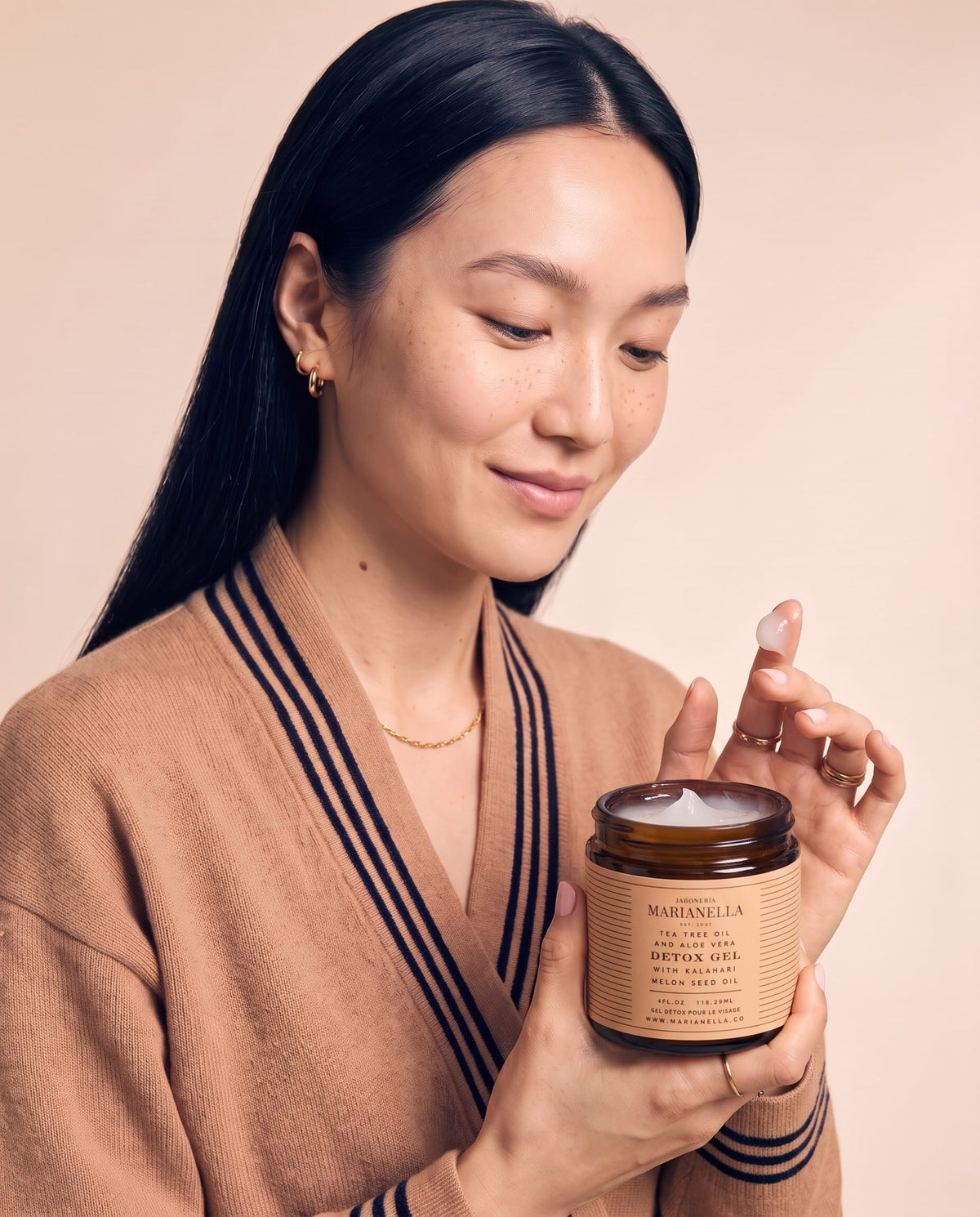
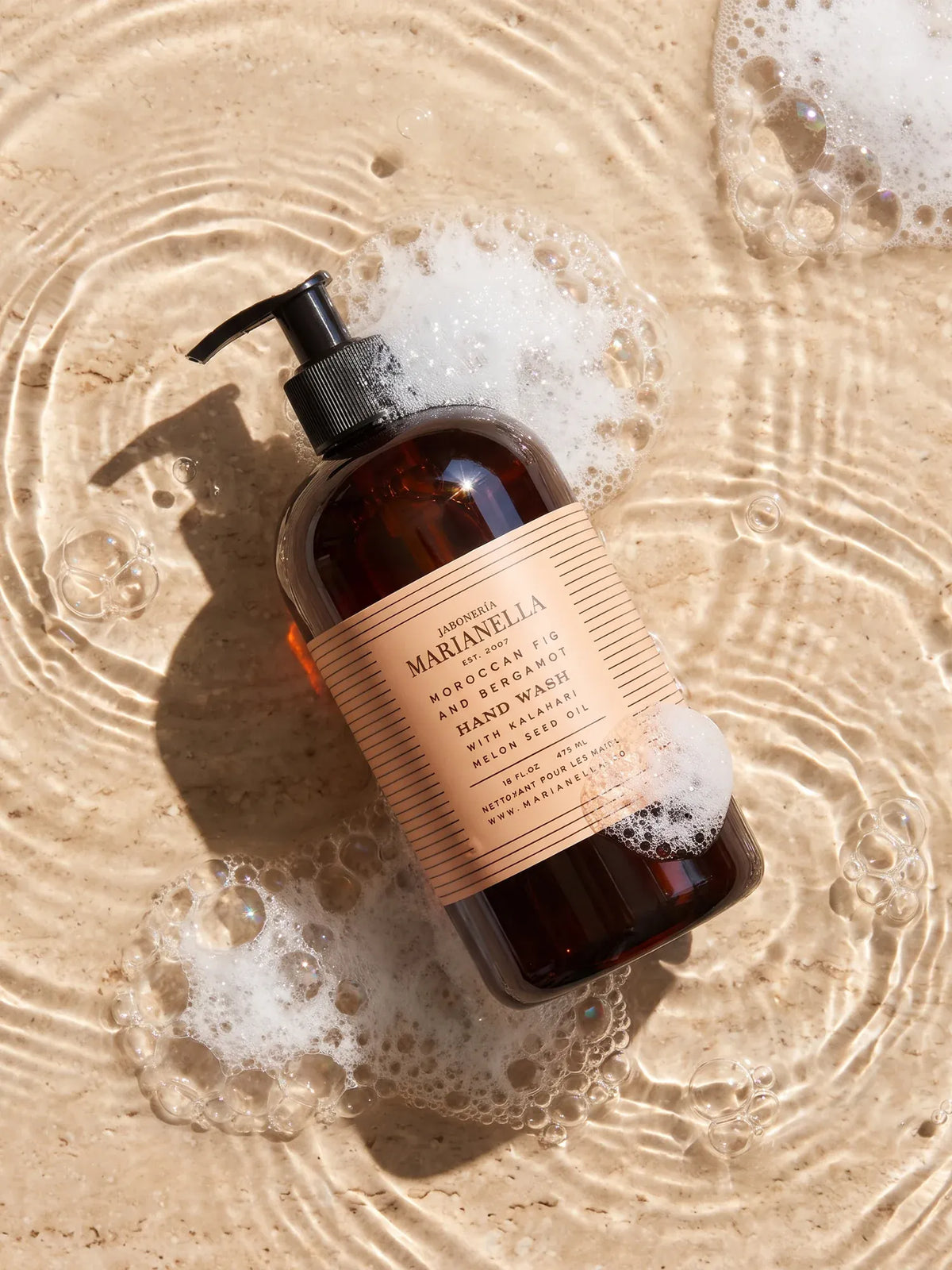
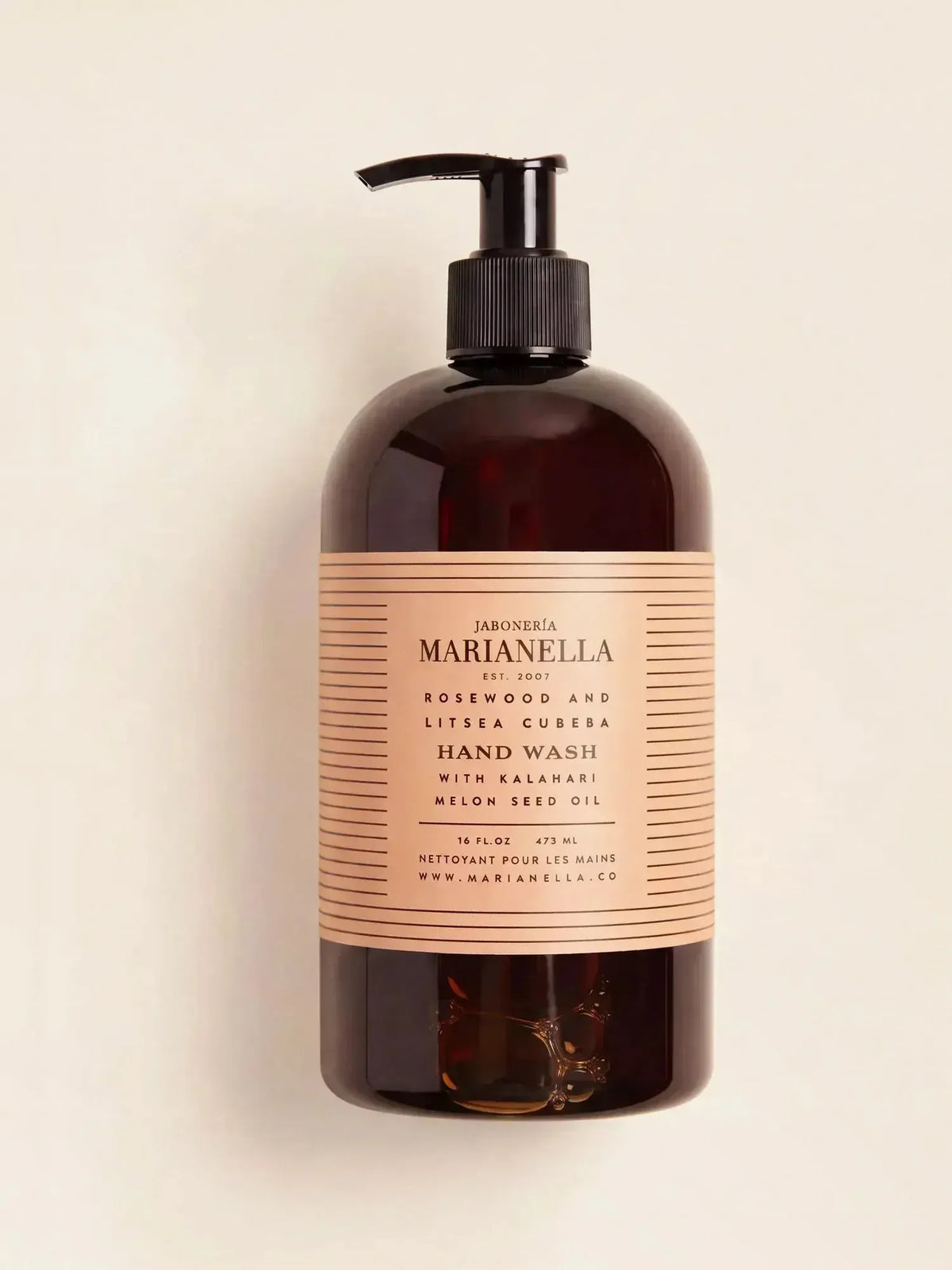
We use aloe for what the evidence supports: light hydration and a cool, comfortable feel. Our Detox Gel is a clear aloe gel with shea butter and tea tree oil that melts into skin in seconds and leaves it fresh and lightly hydrated. In the Vitamin C Collagen Boosting Face Serum with Niacinamide, aloe and cucumber give cooling, light hydration around the vitamin C and niacinamide. Aloe leaf juice also goes into our hand and body creams and our hand sanitizer gel, and organic aloe vera into our hand wash and body wash. Each product is listed in our Ingredient Library.
Questions about the aloe research
Do aloe vera supplements help skin?
The best current evidence says not much. A 2025 meta-analysis found aloe supplements had little to no effect on skin hydration, moisture loss or elasticity compared with placebo.
Is aloe vera good for sensitive skin?
It is usually well tolerated and gives a cool, comfortable feel to skin that feels irritated. Reactions are rare but possible, so patch test anything new.
How is an aloe gel different from a regular moisturizer?
Aloe's polysaccharides bind water to the skin without forming a heavy layer, so a gel hydrates lightly. A cream adds oils or butters that seal moisture in, which is why the two work well together.



















Leave a comment
This site is protected by hCaptcha and the hCaptcha Privacy Policy and Terms of Service apply.