


If you're reading labels at the shelf this week, you'll find witch hazel in toners, washes and creams, and you'll hear two stories about it: one says it calms skin and the other says it strips it. Both can be true. Most witch hazel benefits, like less redness and antioxidant protection, depend on which form of the plant is in the bottle. The bark holds far more tannins than the leaves (8–12% vs. 3–10%), but tannins are almost absent in distillates made from the same plant material. The distillate is the gentle form. The extract does the tightening, and used too often, the drying. Once you know which one you're holding, witch hazel serums, soaps, lotions and body oils are much easier to choose between.
What is witch hazel?
Witch hazel is a fall-blooming shrub or small tree that grows in woodlands, forest margins and along stream banks in eastern North America. Its timing is what makes it unusual. As the other trees lose their last leaves, witch hazel blooms, in late October and early November in the eastern United States, and its yellow flowers have a pleasant, spicy scent. So the plant behind the label is starting to flower about now, in the season when skin needs looking after the most.
It has been used on skin for a very long time. In the US, witch hazel distillate, usually called witch hazel water, is an over-the-counter product regulated by the FDA. It's listed in the United States Pharmacopeia and is widely used on minor skin irritations and insect bites.
Witch hazel benefits for skin: what the research shows
Less redness
The best-known human study looked at redness. A 1998 study tested a witch hazel lotion on skin reddened by UVB light. The lotion with witch hazel cut redness by about 20% at seven hours and 27% at 48 hours, while the other lotions managed 10% to 15% over the same period. That lotion had 10% witch hazel distillate in it, so the result came from the gentle form.
Antioxidant and soothing activity
Lab work points the same way. In one recent study of extracts from the leaves and bark, both extracts strongly reduced ROS levels, boosted SOD activity and significantly lowered pro-inflammatory cytokines in skin cells. The main compound gets particular attention: in a lab wound-healing test, both the extract and hamamelitannin helped keratinocytes move to the injured area, and hamamelitannin worked significantly better.
The limits of the evidence
Good skincare writing should be clear about this part. A 2025 review found that despite long use and popularity, there is still little robust clinical data on how well it works. In one eczema study, the witch hazel cream did no better than the placebo. Witch hazel is a supporting ingredient. It isn't a cure.
Does witch hazel dry out skin? The tannin question
The worry is real, and it comes down to the tannins. On skin, tannins tighten and dry. They bind to proteins in the skin, which can briefly help oily skin and make enlarged pores look smaller. Alcohol is the other factor. The standard ingredient name for distilled witch hazel with 14% alcohol is Hamamelis Virginiana (Witch Hazel) Water (and) Alcohol, and that's what usually appears on cosmetic labels.
The distillate on its own is mild. In one safety test, a product with 25.80% witch hazel water showed no potential for irritation or sensitization. In short, a drying witch hazel is usually an extract, alcohol, or both, and the formula around it matters as much as the plant itself.
Witch hazel serums, soaps, lotions and body oils: which form does what
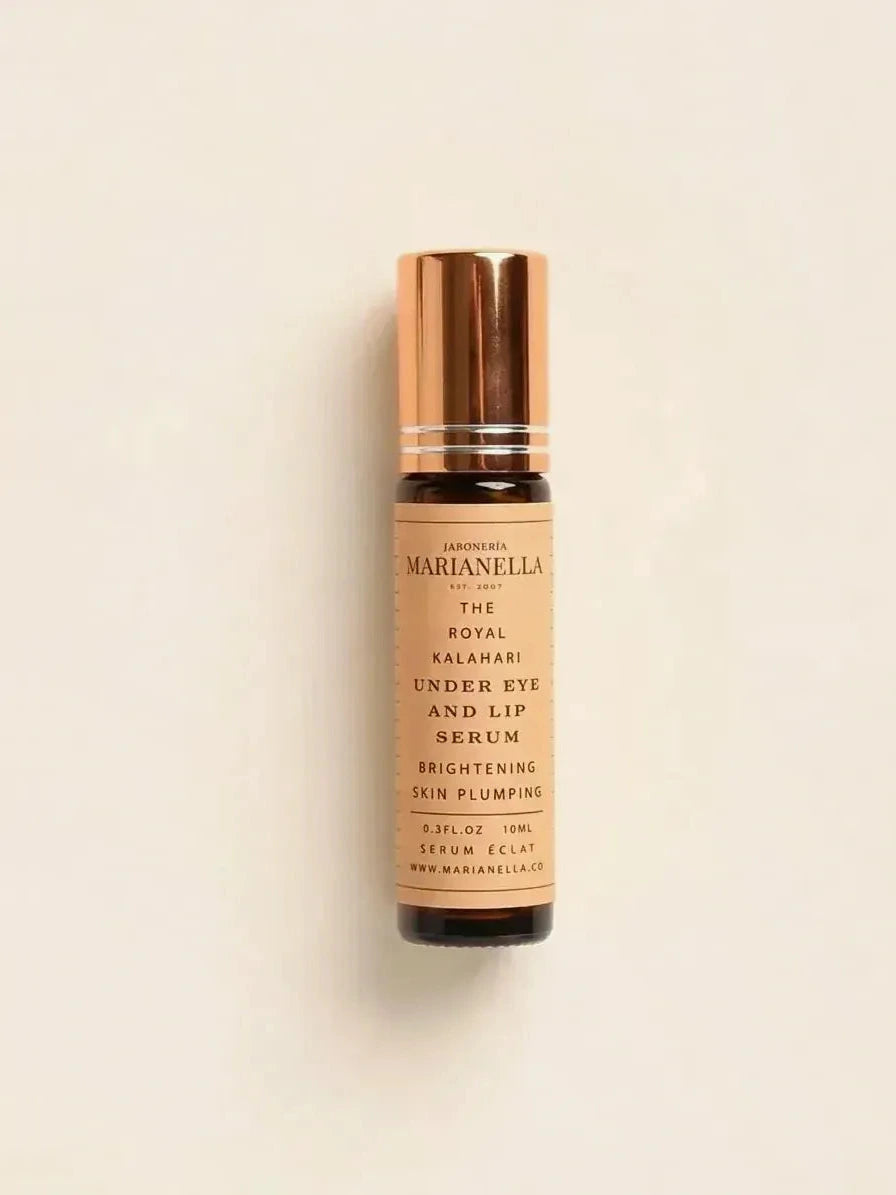
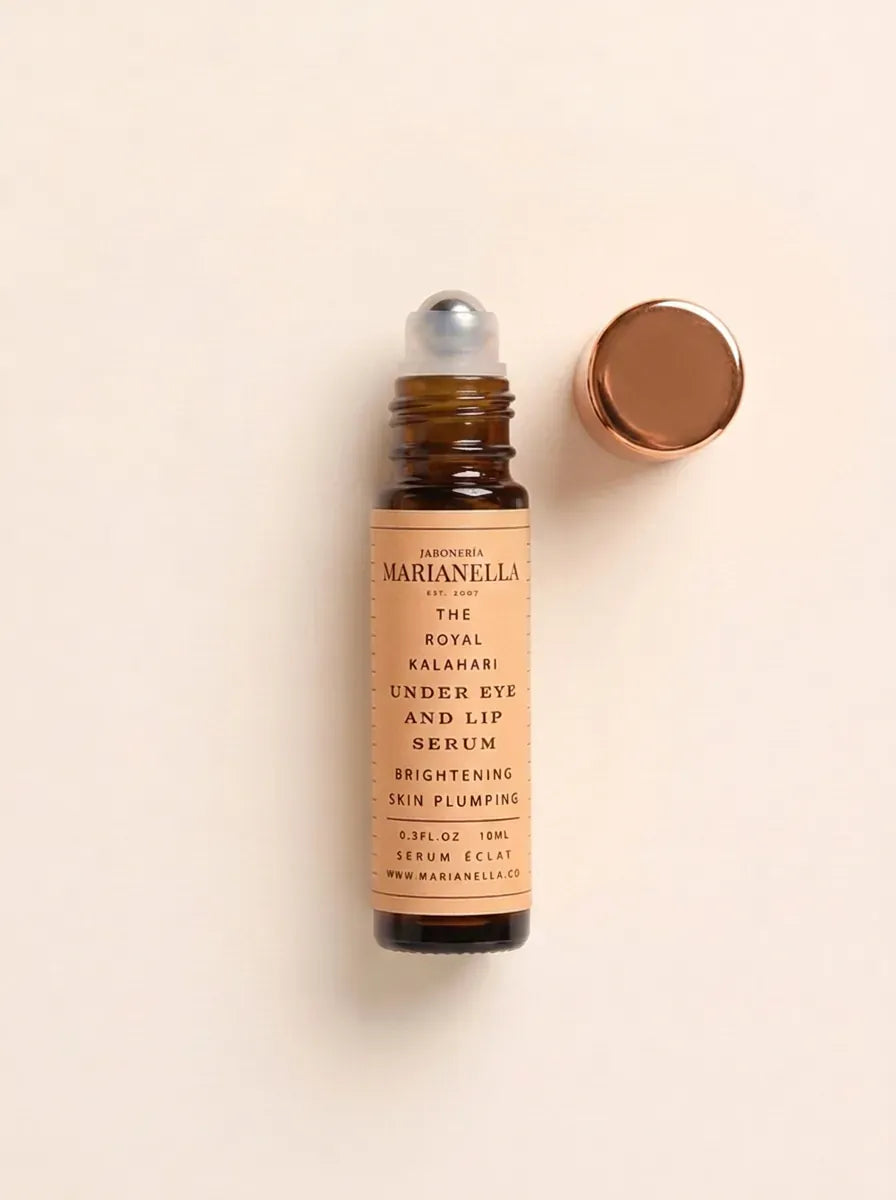
Witch hazel serums and lotions
These stay on your skin, so soothing matters most. Choose witch hazel water in a formula with real moisture around it, so the calming arrives on skin that's already cushioned. In a lotion, witch hazel is there for comfort, and the oils and butters do the softening.
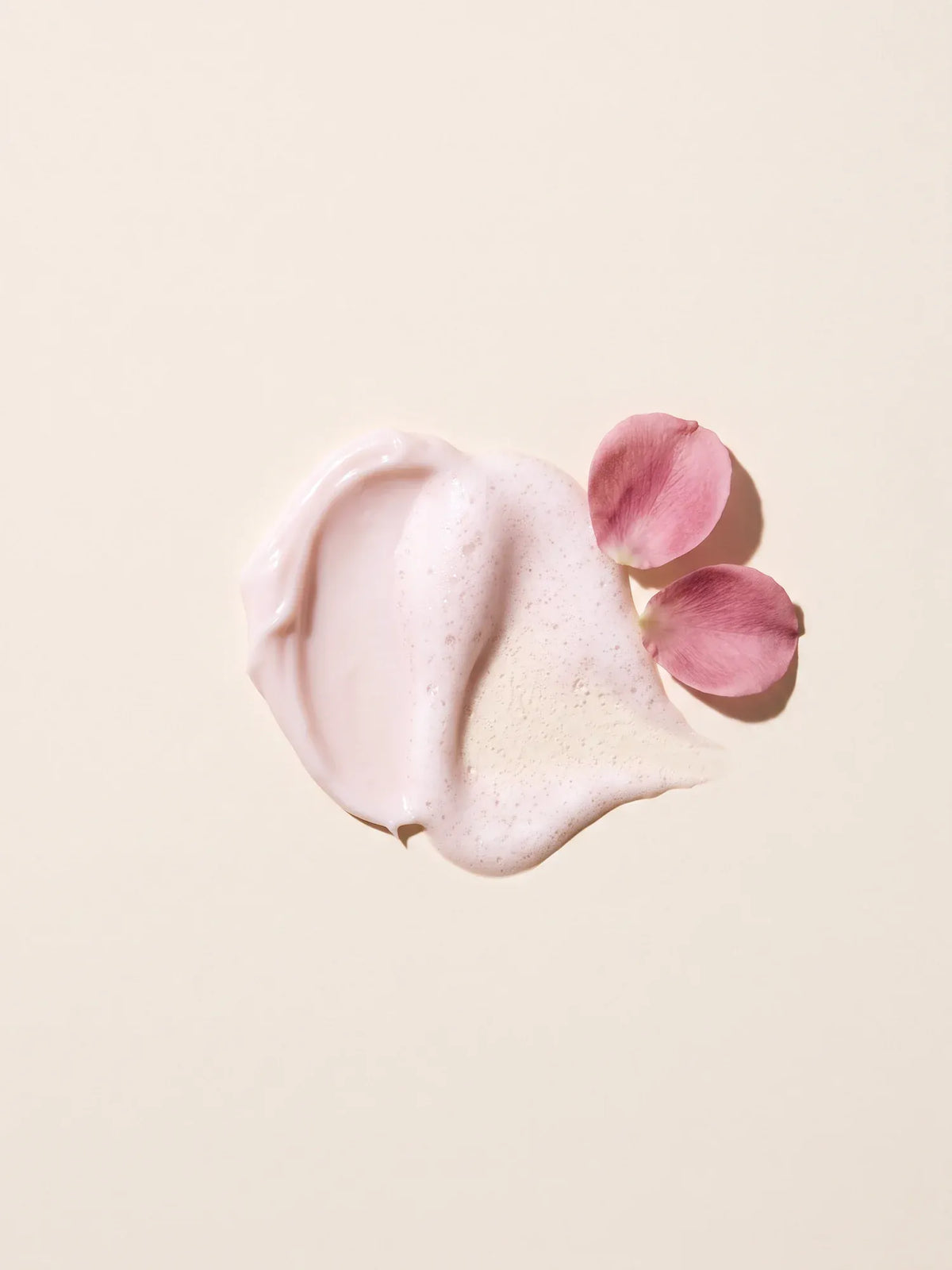
Witch hazel soaps and washes
A wash only touches your skin for a minute before it's rinsed off, so this is the best place for witch hazel's light tightening, especially on oilier skin. It also has a record on the scalp: a retrospective study of 1,373 patients found witch hazel shampoo and tonic helped with sensitive scalp irritation.
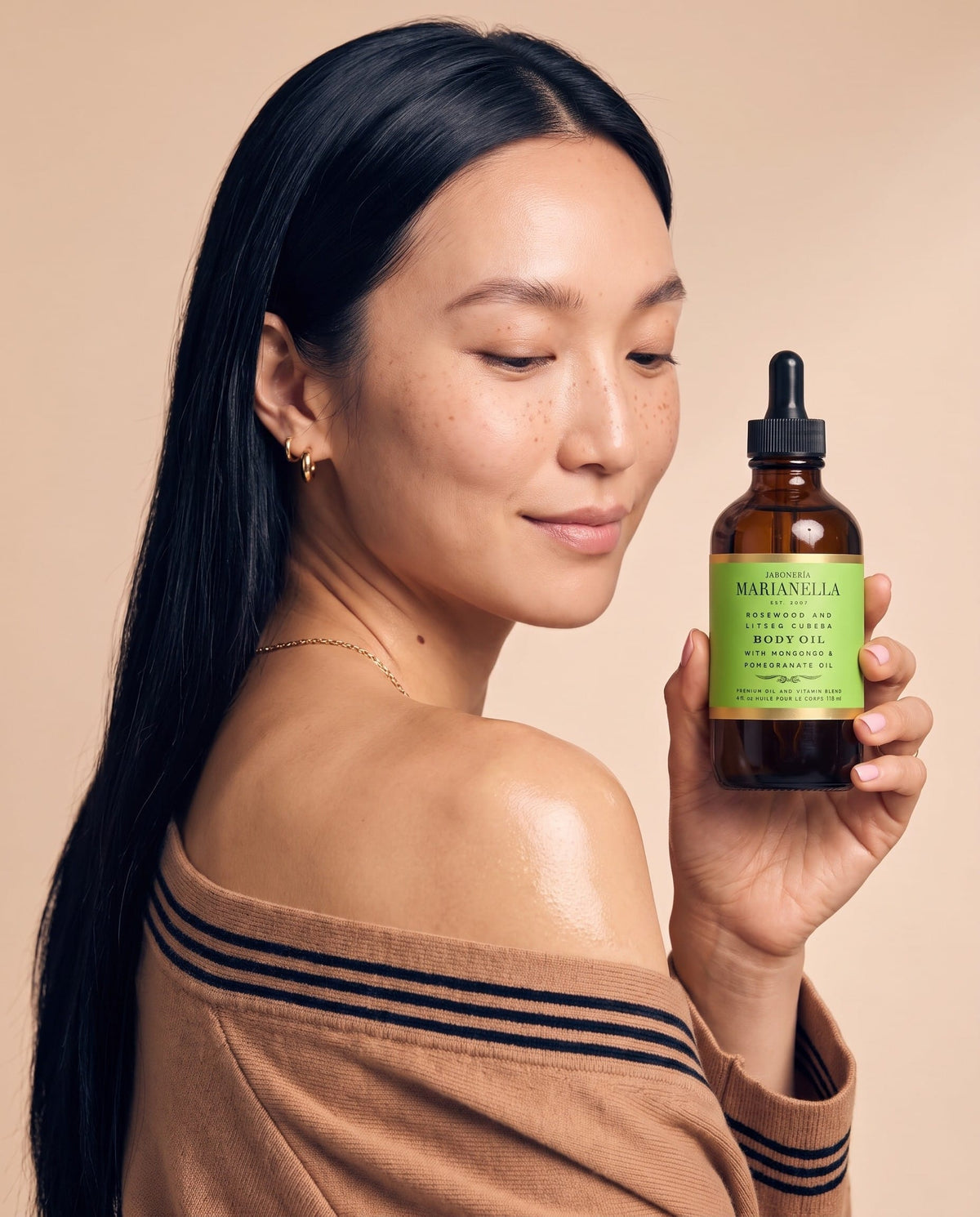
Witch hazel body oils
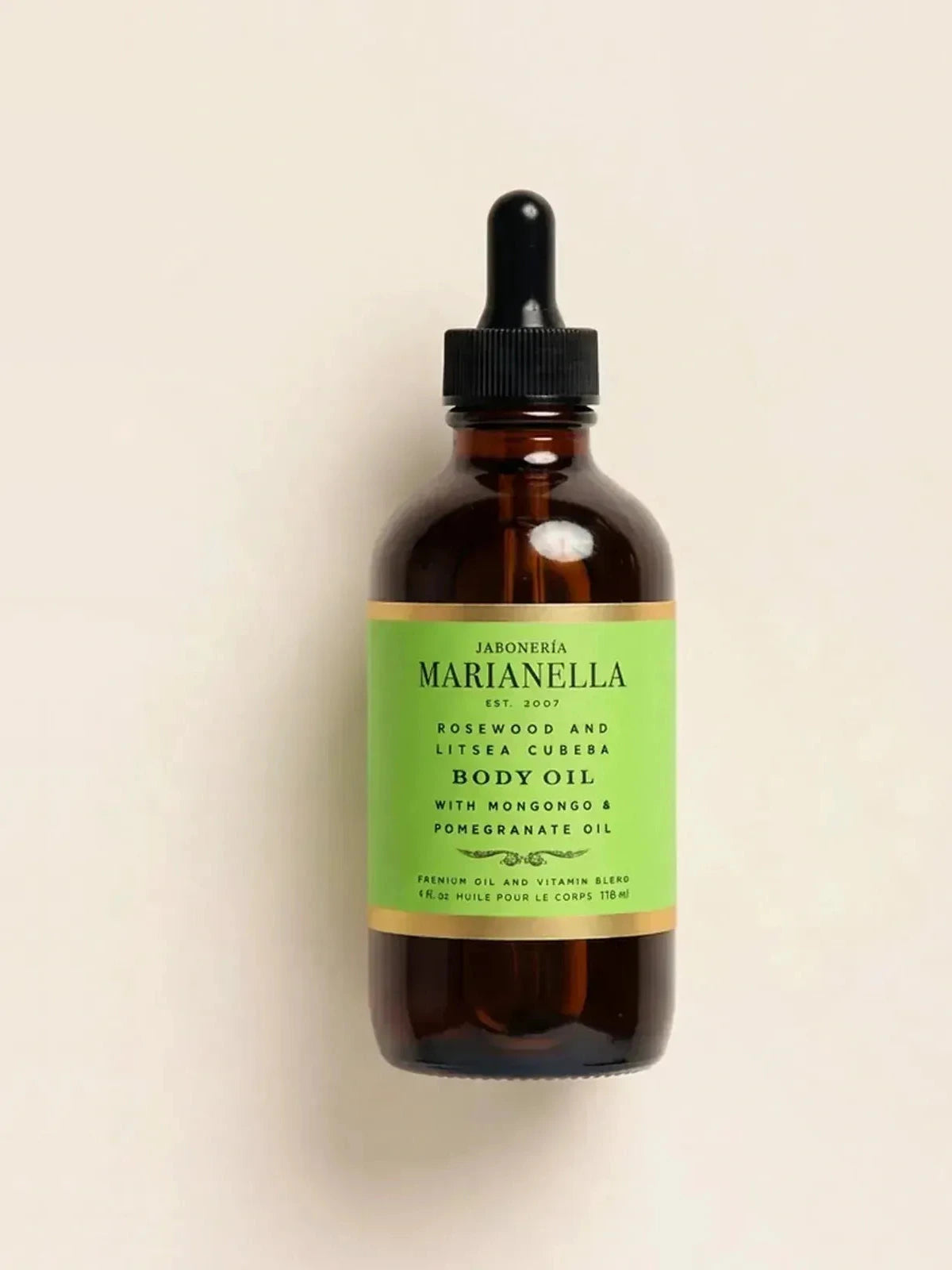
In a body oil, the oil does most of the work. Judge it on how it feels and how it lasts on your skin, and think of witch hazel as a small supporting note.
How to choose the best witch hazel products in 2026
When you're comparing the best witch hazel products in 2026, start with the ingredient list. "Water" means a steam distillate, with volatile oils and some water-soluble compounds. "Extract" usually means the plant was soaked in a solvent like ethanol or propylene glycol, which tends to leave more heavy tannins than the distillate. If your skin is dry or easily upset, look for the water and check where alcohol sits in the list. If your skin is oily, an extract in a rinse-off wash makes sense.
We make everything in small batches in Brooklyn, and we've done it that way since 2007. We choose ingredients by how they'll feel on someone's skin in the middle of a long day. Witch hazel belongs in that kind of formula: one part of a whole, never doing the job alone.
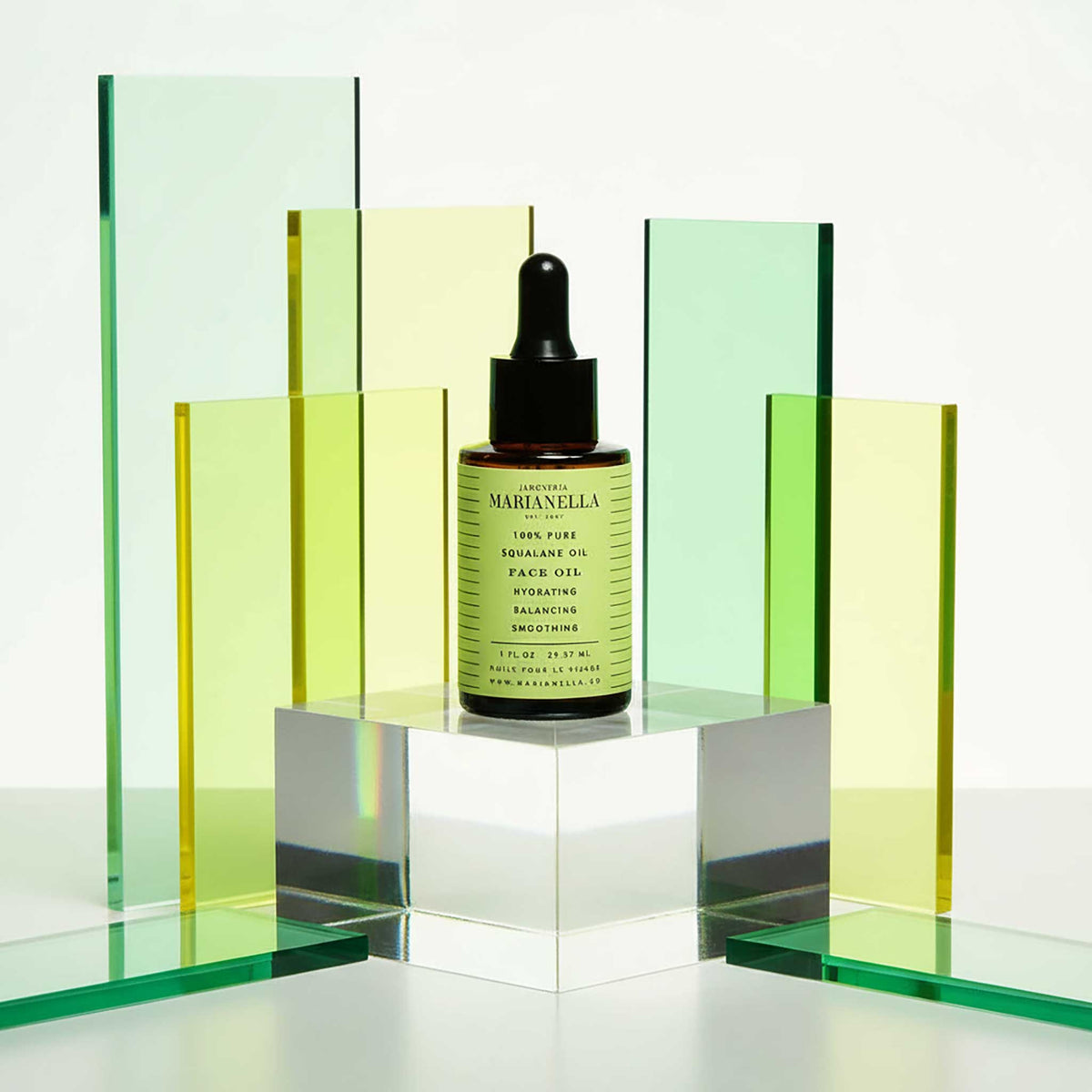
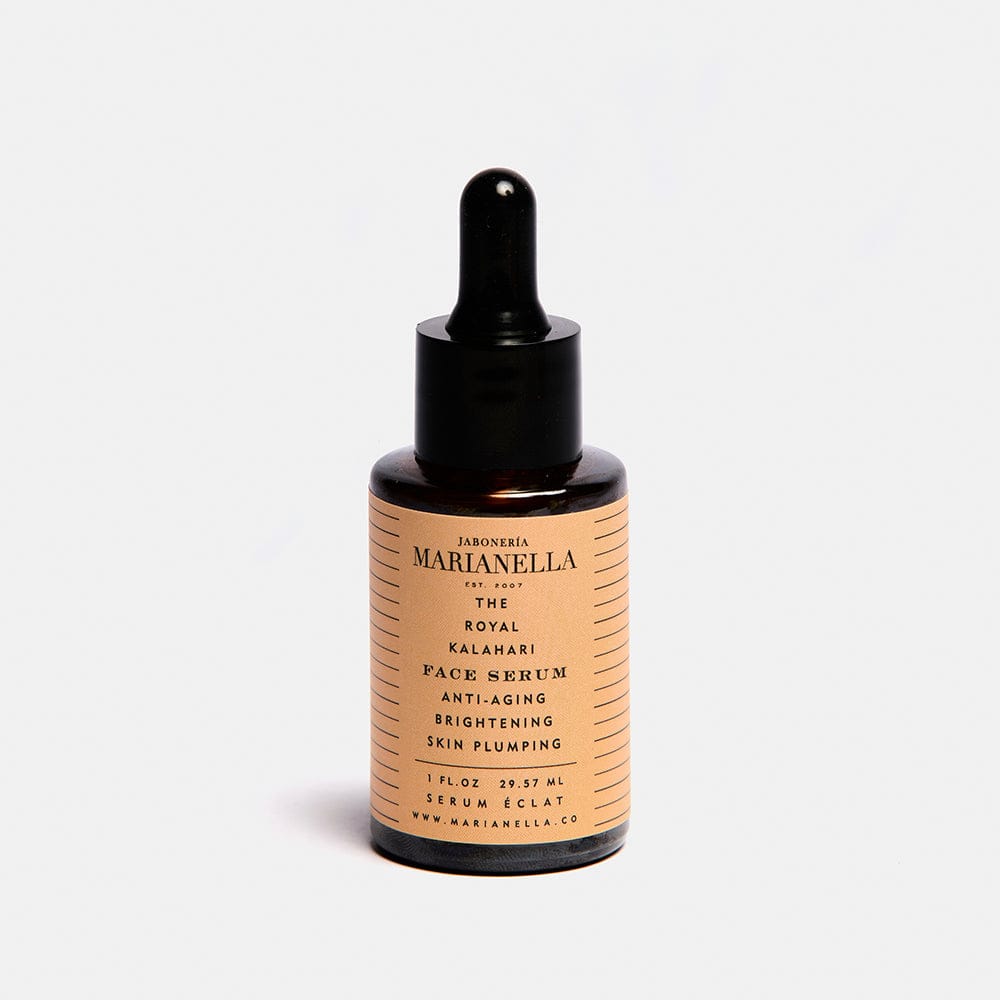
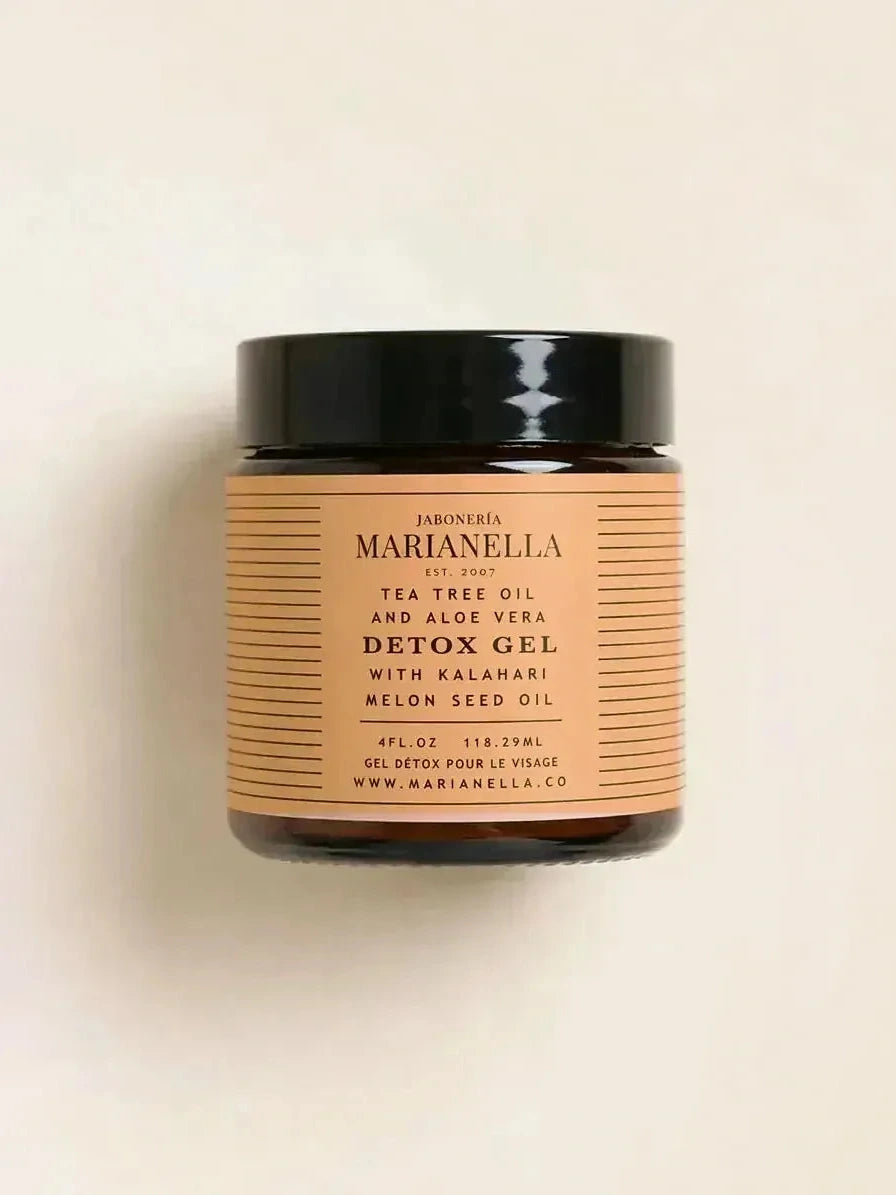
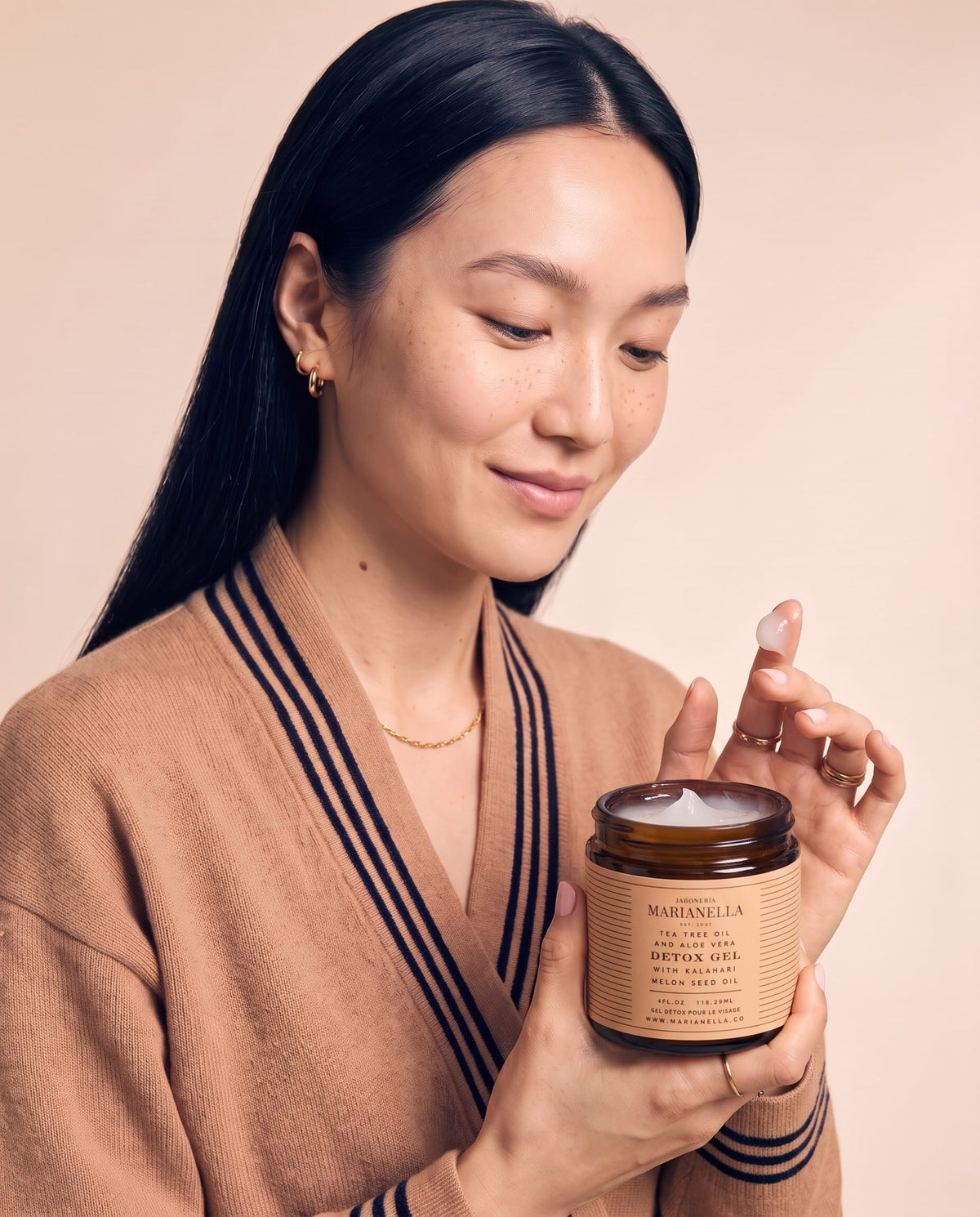
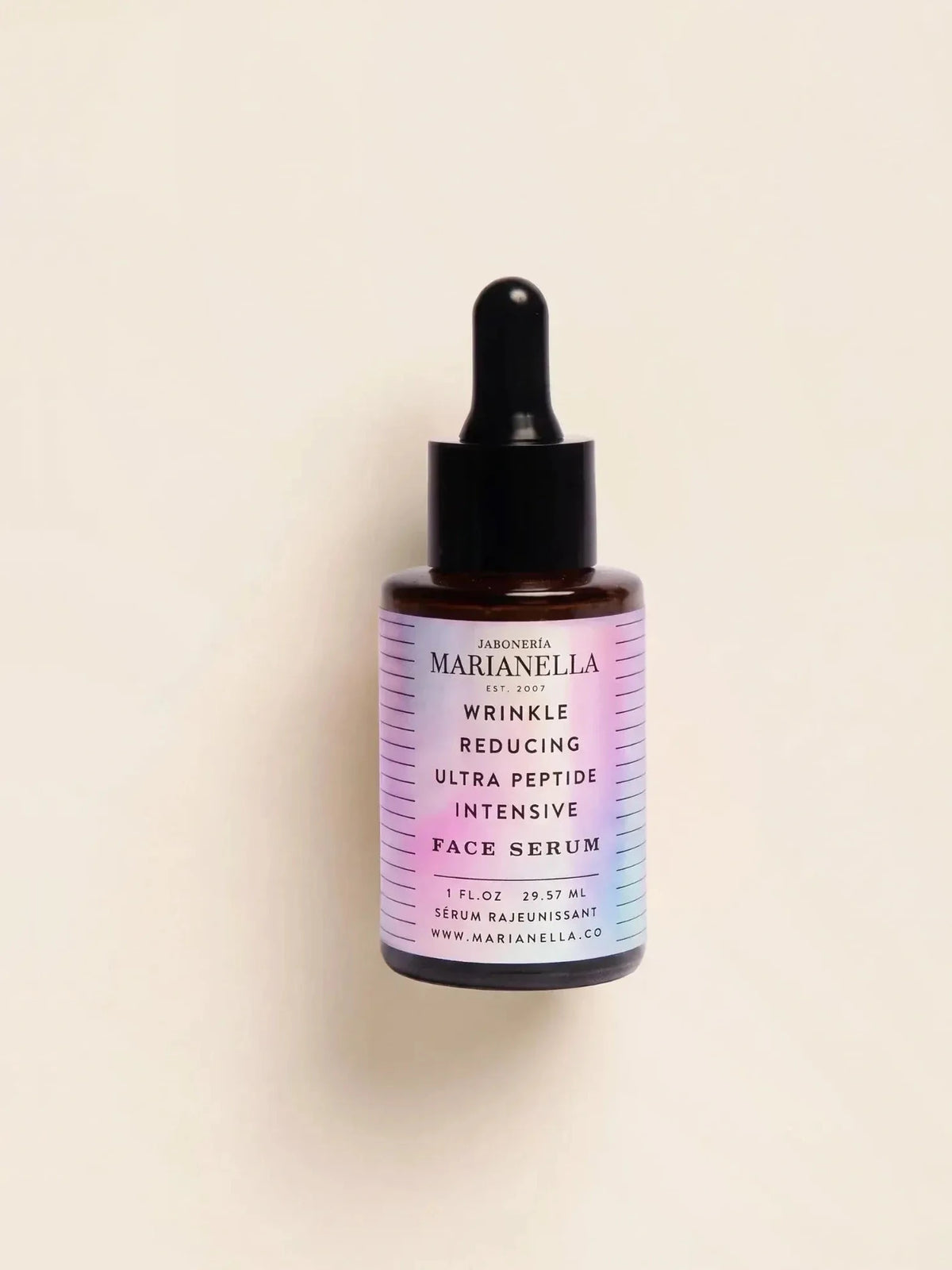
You'll find witch hazel in [Marianella product with witch hazel, name and price] and [second Marianella product with witch hazel, name and price], both on our website.
FAQ
Is witch hazel good for dry skin?
It can be, in the right form. Witch hazel water in a moisturizing lotion or serum is the gentle choice. Toners with a lot of alcohol and strong bark extracts can feel drying when you use them often.
What is the difference between witch hazel water and witch hazel extract?
Witch hazel water is steam-distilled and has very few tannins. Witch hazel extract is made by soaking the plant in a solvent, which keeps more tannins, so it tightens more strongly.
Does witch hazel shrink pores?
Only for a while. No cosmetic ingredient can permanently change the size of a pore. Witch hazel's astringent effect tightens the skin and clears debris, so pores look smaller for a few hours.
What are the main witch hazel benefits backed by research?
The best human evidence is for reducing redness, as in the 1998 study where a 10% distillate lotion cut UV redness by up to 27%. Lab studies also show antioxidant and soothing effects, though larger clinical trials are still limited.
Can I use witch hazel every day?
Gentle, distillate-based formulas with plenty of moisture are made for daily use. With stronger extracts or alcohol-based toners, use them less often and watch for tightness.
Before this runs: the brief and our published writing don't name any Marianella products with witch hazel, so the two product spots in the closing line are in square brackets. Send me the product names, or have the Product Bibles opened, and I'll fill them in with prices. Also worth a look: the post makes skin claims like "less redness" and mentions eczema. They're presented as general ingredient research and not as claims about our products, but someone should check them before it goes live.


















Leave a comment
This site is protected by hCaptcha and the hCaptcha Privacy Policy and Terms of Service apply.