


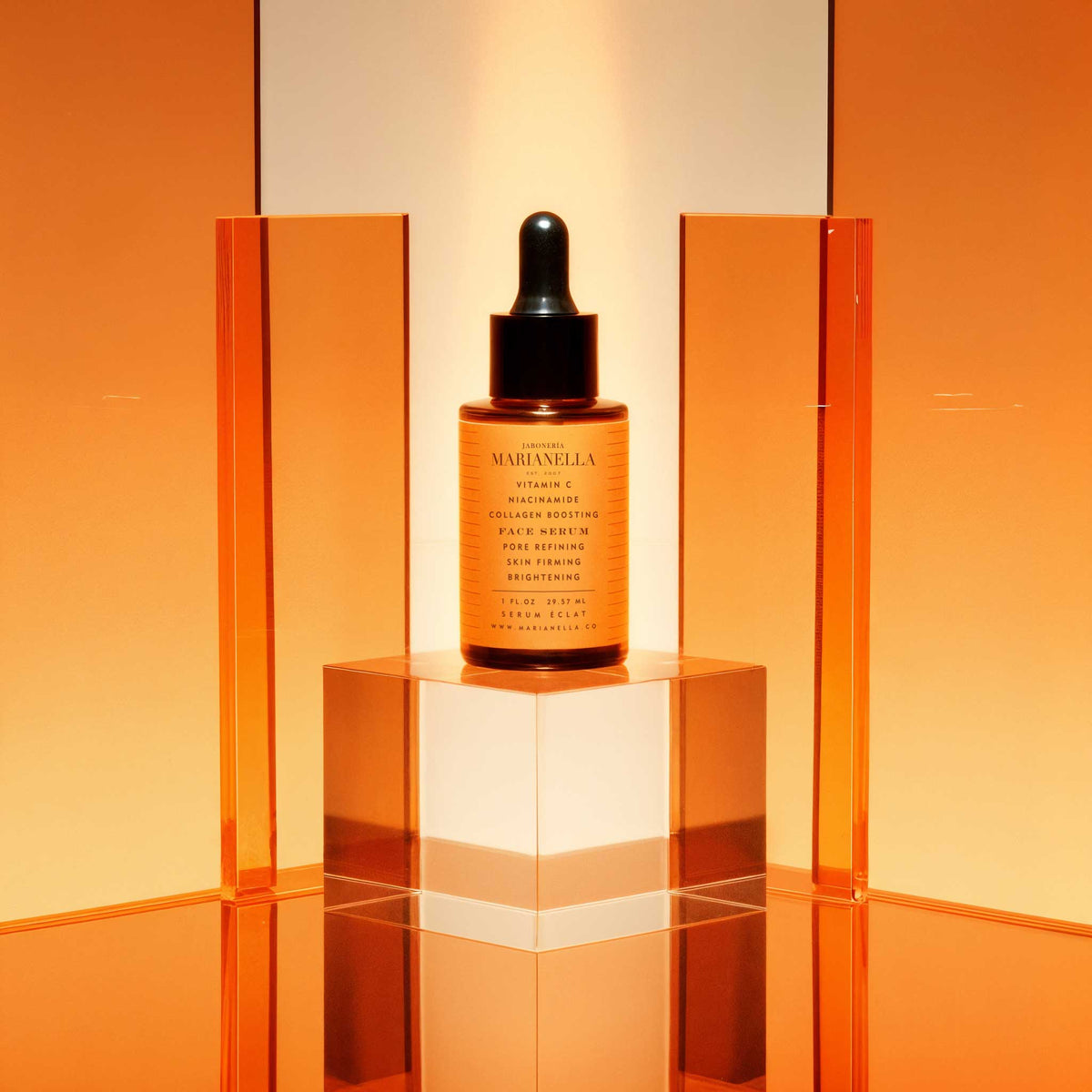
Vitamin C belongs in a skincare routine because it helps skin look brighter and more even, and as an antioxidant it helps skin stand up to the daily stress of sun and city air. L-ascorbic acid is its pure, most studied form, but it is fragile and acidic, so many good serums, including ours, use a more stable form instead. Which form you choose, and how well it is kept, matters far more than how much the bottle costs.
What L-ascorbic acid is
L-ascorbic acid is vitamin C in its pure form, the same molecule you get from citrus fruit. In skincare it is the most studied version, and it needs no conversion by the skin before it can work. Its usefulness comes down to three jobs:
- Helping skin make collagen. The enzymes that build collagen fibers need vitamin C to do their work.
- Evening out tone. It interferes with tyrosinase, the enzyme that makes pigment, which is why it is linked with fewer and fainter dark spots over time.
- Mopping up free radicals. Sunlight and pollution create unstable molecules that wear skin down. Vitamin C neutralizes them before they do.
Why the pure form is hard to keep
L-ascorbic acid is notoriously unstable. Light, air and warmth all break it down, and once it oxidizes it stops doing its job. That is why so many vitamin C serums turn from clear to yellow to brown in the bottle.
To reach the skin, it also has to be made quite acidic. That acidity is part of why a pure vitamin C serum can tingle or sting, and why some people with sensitive skin give up on vitamin C altogether. Keeping L-ascorbic acid stable and wearable takes careful pH balancing, protective packaging and supporting ingredients, and even then it has a limited life once opened.
The other forms of vitamin C
Chemists have built more stable versions of vitamin C to get around these problems. You will see several on ingredient lists:
- Ethyl ascorbic acid, a stabilized form that holds up in a water-based serum and tends to be easier on sensitive skin. It is the vitamin C in our Vitamin C Collagen Boosting Face Serum with Niacinamide.
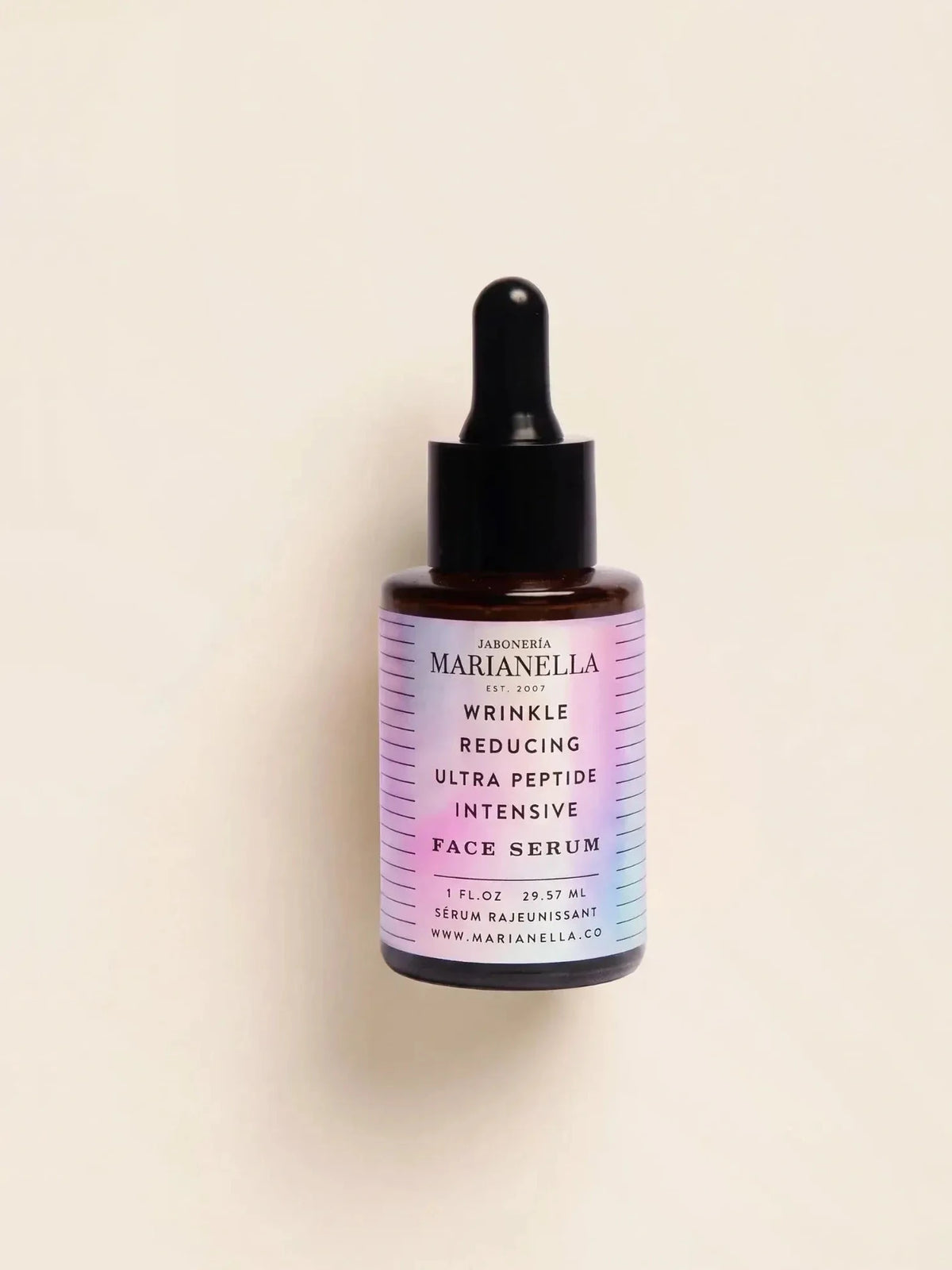
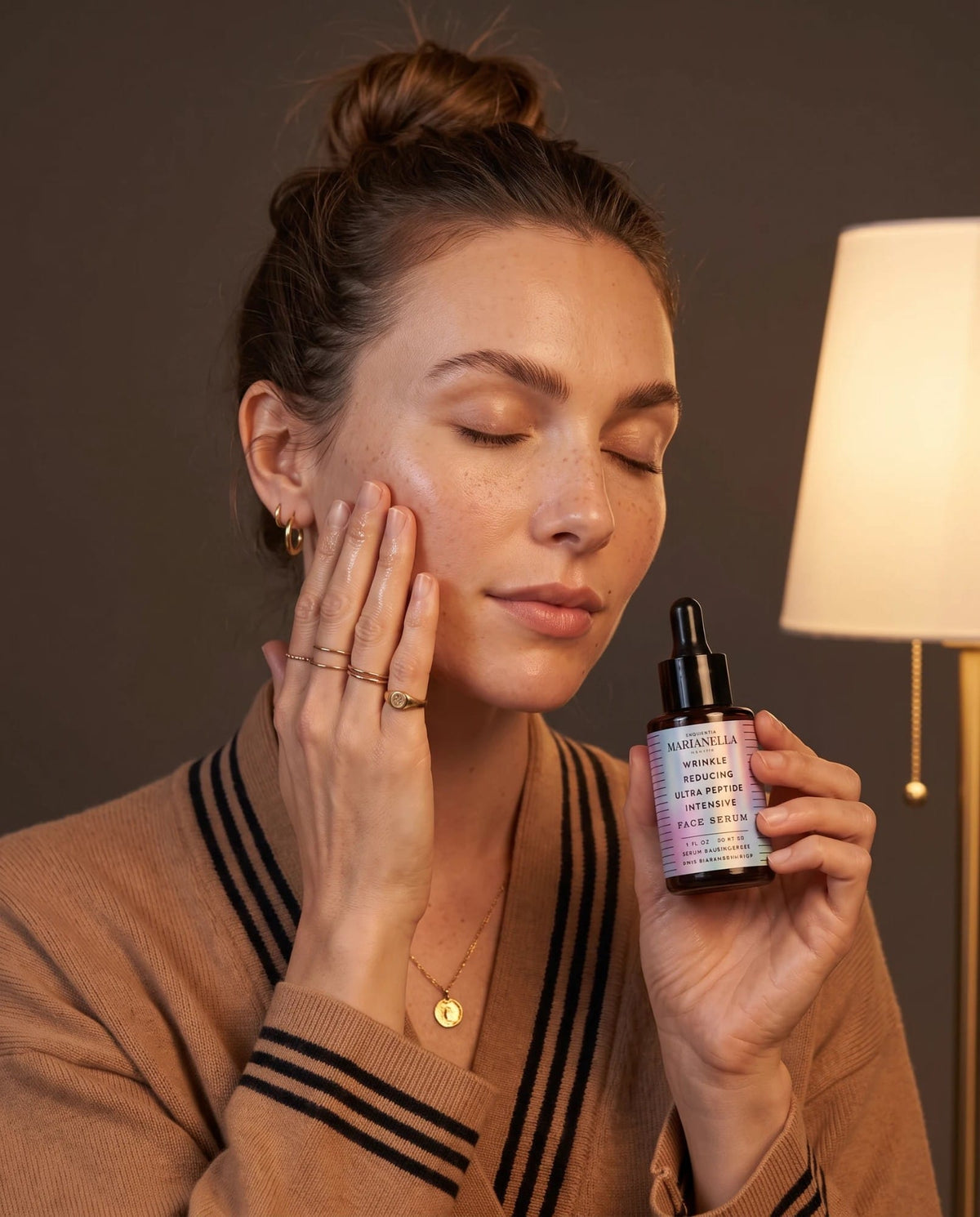
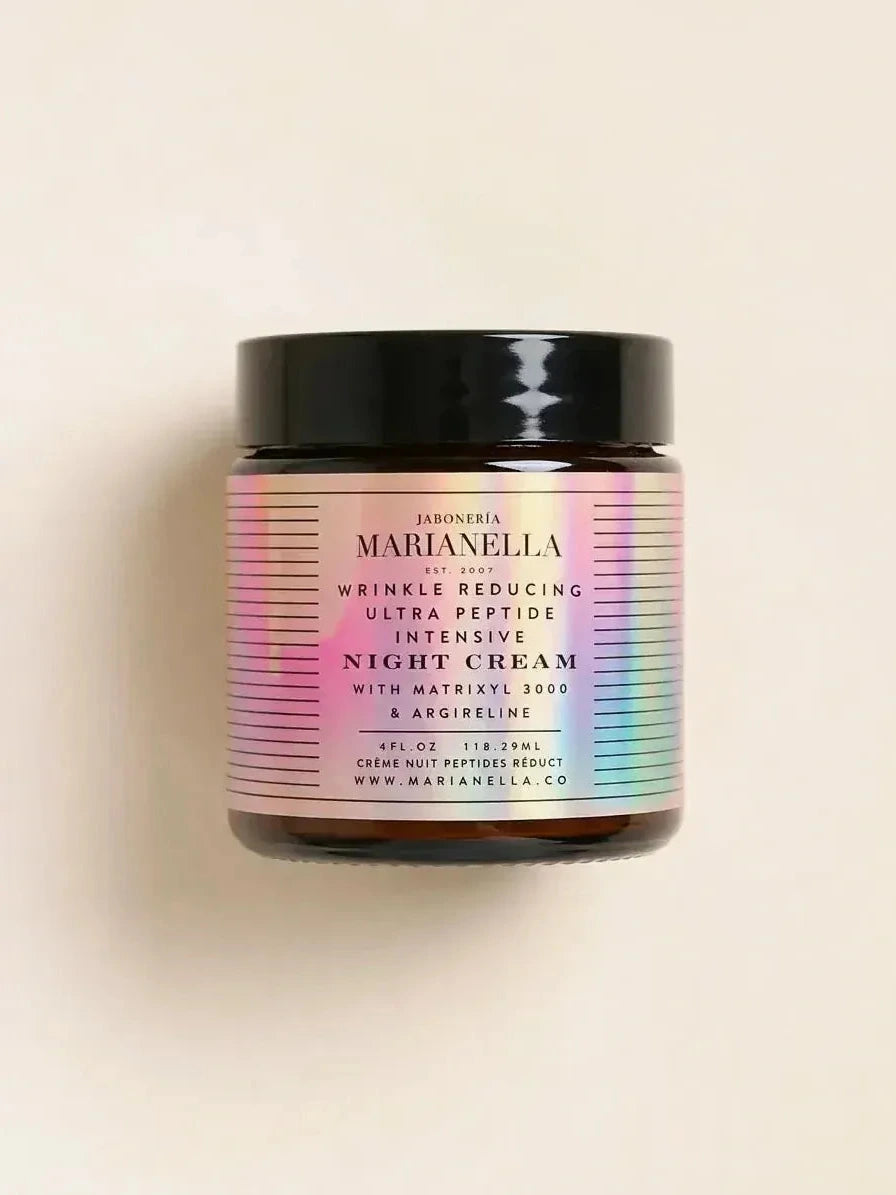
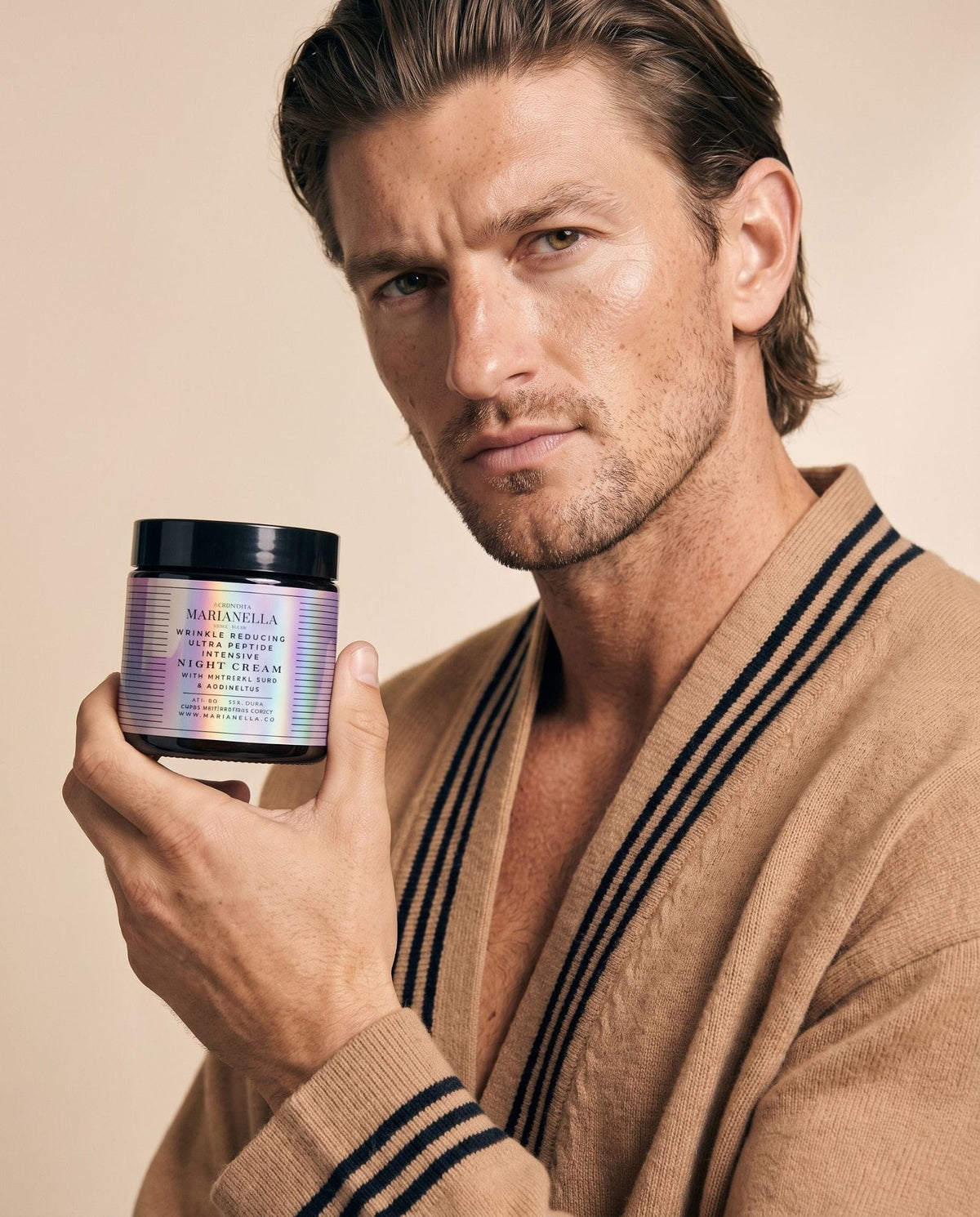
- Ascorbyl palmitate, a vitamin C ester that blends well into oils and creams. We use it in our Ultra Peptide face serum and night cream, alongside vitamin E.
- Magnesium ascorbyl phosphate and sodium ascorbyl phosphate, gentle, stable forms common in water-based formulas.
Each is a trade-off. L-ascorbic acid has the deepest research behind it. The derivatives give up some of that directness in exchange for a formula that stays fresh longer and feels kinder on the skin. For most people, a stable form used every day does more than a pure form that oxidizes halfway through the bottle or stings too much to use.
Price is not the measure
A vitamin C serum can cost a little or a great deal, and the difference often has more to do with branding than with what is inside. The things that decide whether a serum works are the form of vitamin C, how well the formula keeps it stable, what surrounds it, and whether you use it consistently.
Making in small batches helps with the second of those. We make our vitamin C serum by hand in our Williamsburg workshop, in batches of 50 to 100, so it does not sit in a warehouse before it reaches you.
The ingredients vitamin C works best with
Vitamin C rarely works alone in a good formula. Three partners come up again and again:
- Vitamin E. The two antioxidants support each other, and vitamin C helps restore vitamin E after it has done its work.
- Niacinamide. A form of vitamin B3 that helps tone look balanced and texture look refined, working by a different route from vitamin C.
- Hyaluronic acid. Usually listed as sodium hyaluronate, it helps skin hold moisture, which keeps an active serum comfortable.
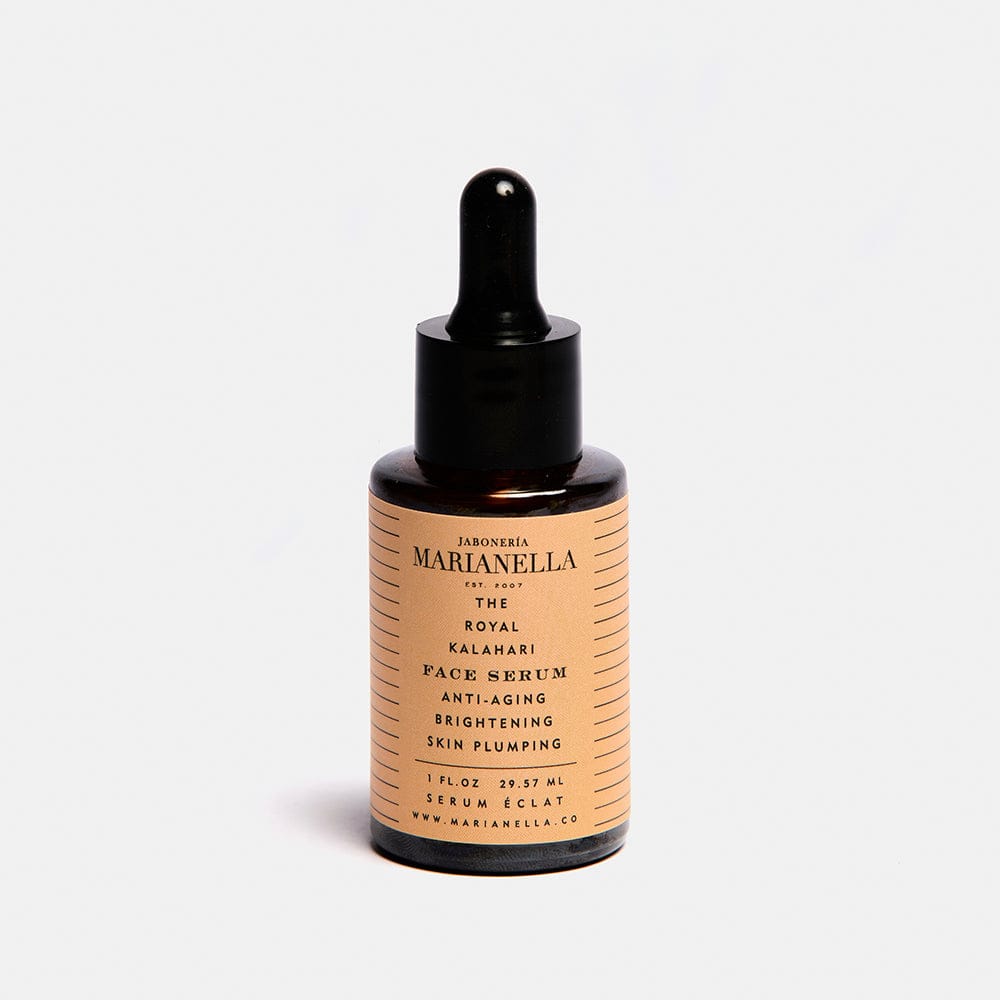
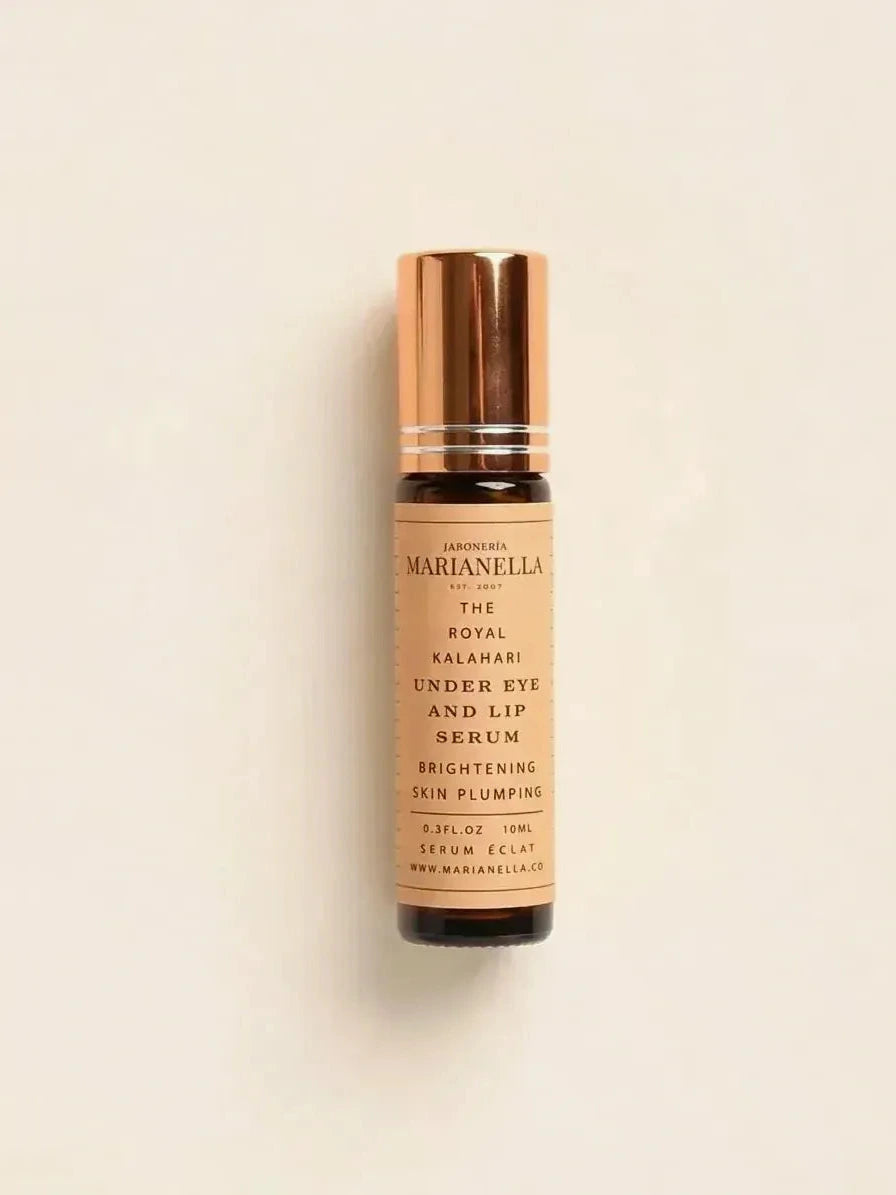
Our vitamin C serum includes niacinamide and sodium hyaluronate, with aloe and cucumber for light, cooling hydration. Vitamin C also appears with vitamin E in The Royal Kalahari Face Serum, a light blend of botanical oils.
Starting out, and what to expect
If vitamin C has stung you before, begin with a stable form and use it every other morning for the first week or two, then daily. Press three or four drops of our serum into clean skin, wait a moment, then follow with moisturizer or a face oil and, in the daytime, sunscreen. Keep it out of any routine that also uses retinol or benzoyl peroxide.
Brightness tends to show first, within a few weeks. A more even look and smoother texture take longer, often a couple of months of steady use. Consistency matters more than strength.
Questions about ascorbic acid and its forms
Is L-ascorbic acid better than ethyl ascorbic acid?
L-ascorbic acid has more research behind it, but it is unstable and can sting. Ethyl ascorbic acid is more stable and gentler, which makes it easier to use every day, and daily use is what brings results.
Why did my vitamin C serum turn brown?
It has oxidized. Light, air and heat break vitamin C down, and a serum that has turned dark yellow or brown has lost much of what it was for.
Which form of vitamin C is in Marianella's vitamin C serum?
Ethyl ascorbic acid, a stabilized form of vitamin C, paired with niacinamide. Our Ultra Peptide formulas use ascorbyl palmitate, a vitamin C ester.
Why does pure vitamin C sometimes sting?
L-ascorbic acid has to be very acidic to reach the skin, and that acidity can tingle, especially on sensitive skin. Stable derivatives avoid most of that.




















Leave a comment
This site is protected by hCaptcha and the hCaptcha Privacy Policy and Terms of Service apply.