


Coffee bean extract does two things on skin that the research supports. Caffeine, its best-known compound, helps skin look less puffy for a few hours, which is why it turns up in eye serums and gels. Chlorogenic acids, the antioxidant polyphenols most plentiful in green, unroasted beans, show antioxidant activity, although most of the hydration evidence for them comes from drinking them, not from putting them on skin. Which of those benefits reaches you depends on the format: a serum that stays on, a lotion or body oil that covers more skin, or a soap or scrub that rinses away within a minute.
Green beans, roasted beans and what is inside them
Coffee bean extract comes from the seed of the coffee plant, either green (raw) or roasted, and the difference matters for skin. Green coffee is a major source of phenolic acids, and its chlorogenic acid content can reach 5 to 12 grams per 100 grams. Roasting changes that: one patent on extraction methods states plainly that chlorogenic acid is destroyed when the beans are roasted. Green beans also hold trigonelline, up to about 1.5 percent by weight.
Then there is caffeine, the compound most people already know. It survives roasting, it dissolves in water, and it is the part of coffee with the clearest skin research behind it. So a label that says "coffee" can mean quite different things depending on which bean, and which part of it, went into the bottle.
The caffeine evidence: real, and short-lived
Caffeine narrows small blood vessels and helps move fluid that has collected under the skin, which is why it is a staple of eye products. Commercial caffeine formulas usually contain about 3 percent, and studies show that caffeine at 3 to 5 percent reduces puffiness around the eyes soon after it goes on. In one study, people used eye pads containing 3 percent caffeine and 1 percent vitamin K once a week for four weeks, and the researchers reported a trend toward a 16 percent lower dark circle index.
The catch is time. Once the effect wears off, fluid gathers again. Caffeine gives you a better-looking morning, not a permanent change, so it rewards regular use rather than a single application before an event.
The chlorogenic acid evidence: mostly from a cup
The hydration findings for coffee come largely from people drinking concentrated coffee polyphenols. In a randomized, placebo-controlled crossover study, twenty people took 270 milligrams of chlorogenic acids or a placebo, and the skin on their cheeks was measured before and at one and two hours afterward. Skin hydration rose in the chlorogenic acid group, and the researchers described the effect as short-lived. An earlier trial with 49 people linked green coffee polyphenols, again taken by mouth, to better barrier function.
On the antioxidant side, lab and cell studies show that coffee compounds, chlorogenic acid and caffeine among them, neutralize free radicals. That is a reasonable basis for including coffee in a formula. It is not a promise of a visible result on your face, because a lab dish and a jar of cream are different settings.
Format by format: what coffee can do in each
Coffee is common in skincare. Caffeine alone appears in roughly 3 percent of over-the-counter skincare products. How much of it reaches your skin, and for how long, is decided by the kind of product it sits in.
Serums and eye gels
Most of the puffiness research applies here. These products stay on the skin, and the better ones state their caffeine strength, often around the 3 to 5 percent used in studies. If a less puffy morning is the goal, this is the format to choose.
Lotions and creams
Leave-on body products cover far more skin and stay there for hours. Coffee in a lotion gets the longest contact of any format, though body lotions rarely list a caffeine percentage, so think of the coffee as a supporting ingredient rather than the reason to buy.
Body oils
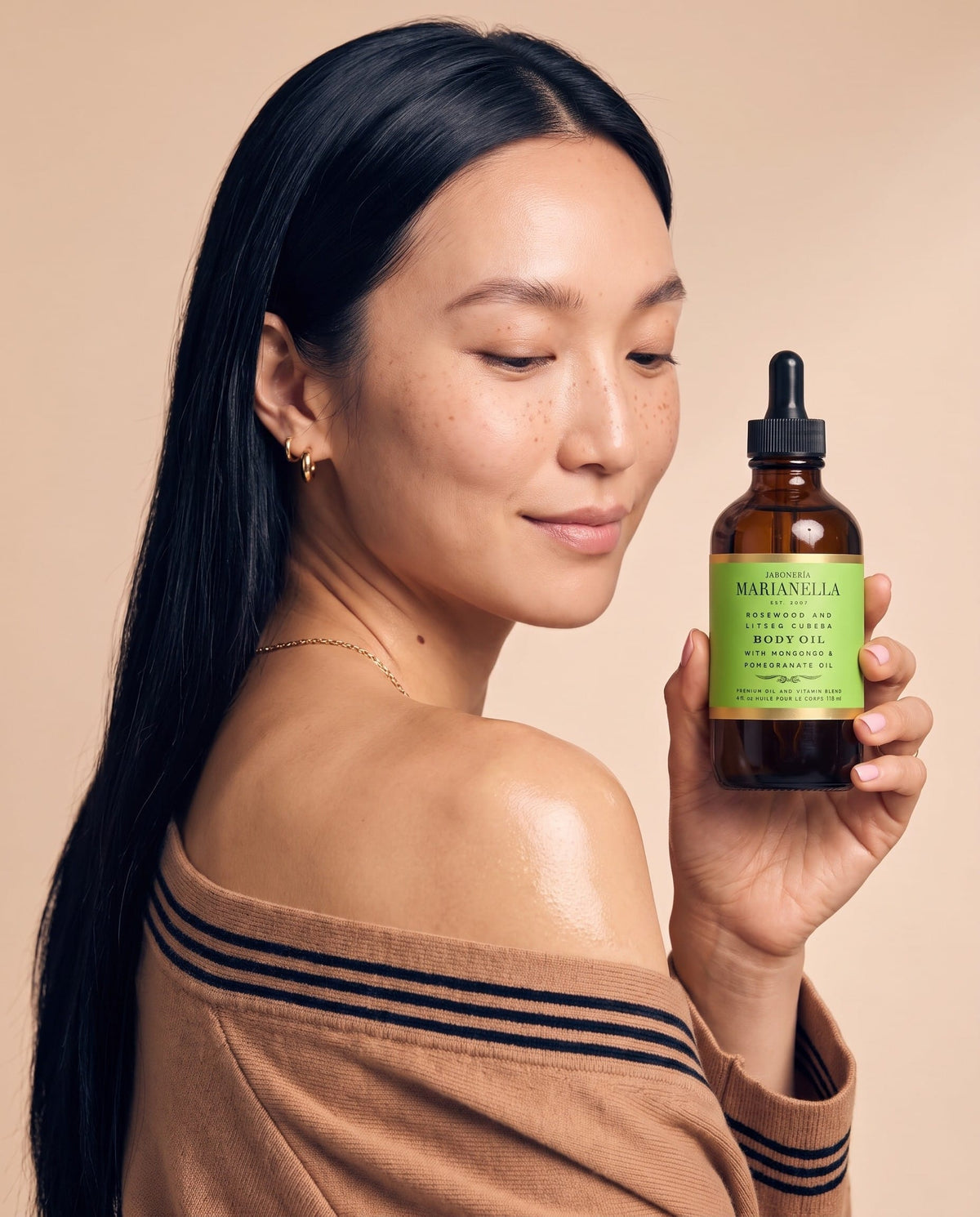
Caffeine dissolves in water, not oil. A body oil that lists coffee most likely contains an oil-soluble form, such as coffee seed oil pressed from green beans, which carries fatty acids and vitamin E rather than much caffeine. It is worth checking the ingredient list to see which form of coffee is in the bottle.
Soaps and scrubs
Rinse-off products touch the skin briefly. What coffee mainly gives a soap or scrub is texture and scent: grit that polishes, and a smell that wakes you up before the water is warm. Any antioxidant benefit is a bonus here, not the main event.
Where coffee fits in our range
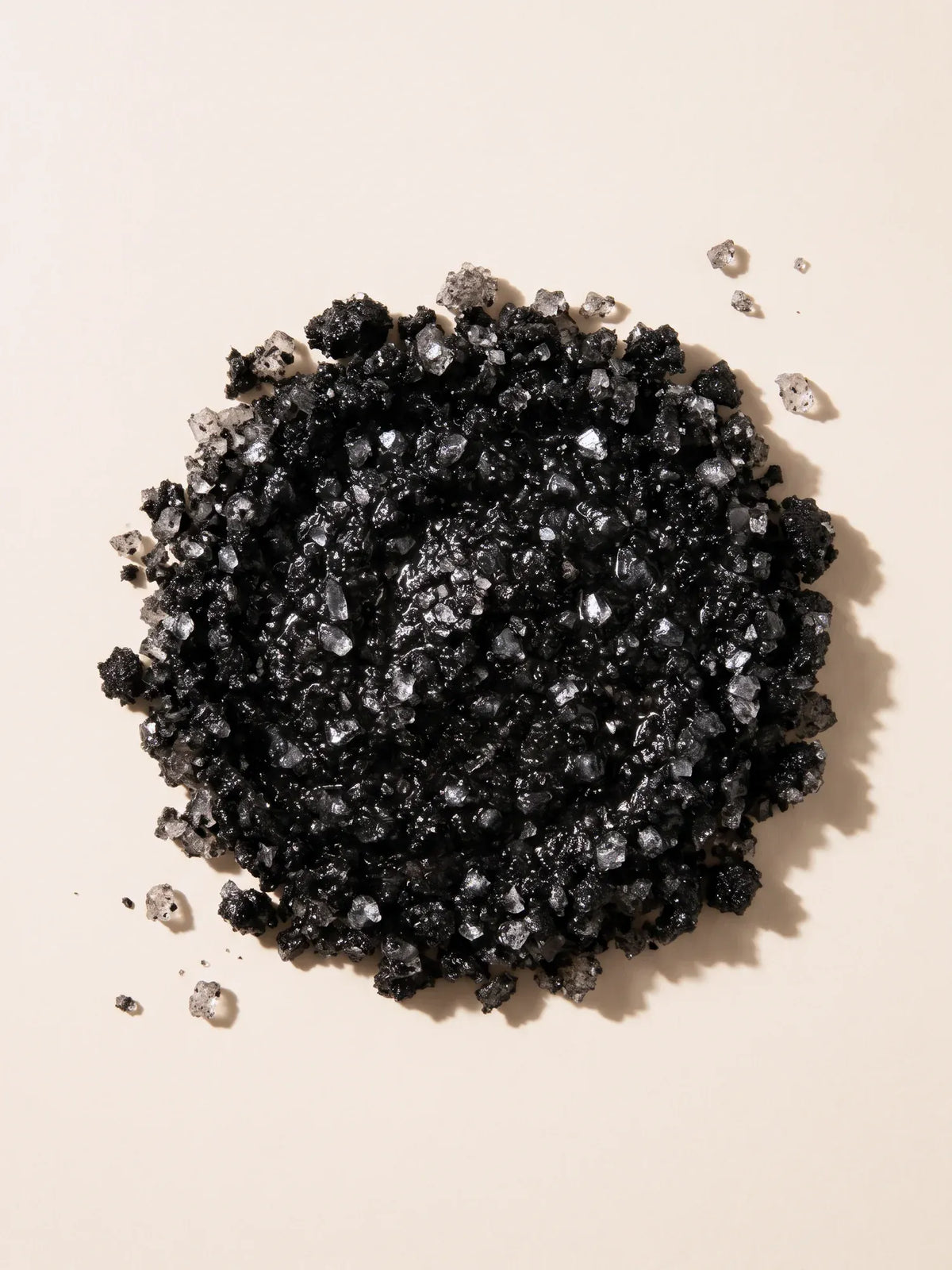
We use coffee in one product, and it is the rinse-off kind. Our Hawaiian Black Lava Body Caviar Body Scrub with Charcoal is flecked with coffee bean, which adds an aromatic, invigorating texture alongside sea salt and organic sugar. Safflower, coconut, macadamia, kukui, passion fruit and Kalahari melon seed oils leave skin soft after the salt and sugar have done their work, and charcoal powder gives the scrub its black color. The scent is Hawaiian Black Lava, musky and woodsy.
Massage it over wet skin from the neck down, rinse with warm water and pat dry. It is for the body only, never the face. Whatever you put on afterward goes onto freshly polished skin, which makes a body oil or cream feel richer than it does on a dull, dry surface.
Choosing a coffee product for what you want
Start with the result you are after, then pick the format that can deliver it.
- A less puffy face in the morning: a leave-on eye serum or gel that states its caffeine strength.
- Antioxidant care: a leave-on product made with green coffee, since roasting costs the bean its chlorogenic acid.
- Body skin that looks dull and feels rough: a coffee scrub, which works by texture. It smooths, it smells good, and it readies skin for an oil or cream.
For the step after the scrub, our Imperial Jade Body Oil goes on damp skin and helps seal in the water that is already there. The Imperial Body Glow Bundle pairs the scrub with the oil.
Questions about coffee in skincare
Does coffee bean extract help puffy eyes?
The caffeine in it does, for a while. Studies show caffeine at 3 to 5 percent reduces puffiness around the eyes soon after application, but the effect fades as fluid gathers again, so it works best as part of a daily routine.
Is green coffee better than roasted coffee for skin?
For antioxidants, yes. Green beans can hold 5 to 12 grams of chlorogenic acid per 100 grams, and roasting destroys much of it. Roasted coffee still contains caffeine.
Does drinking coffee do the same thing as putting it on skin?
Not really. The hydration studies used concentrated chlorogenic acids taken by mouth, and the effect was brief. A morning cup is a different dose, and drinking coffee does not do the job of a product applied to the skin.
Which format keeps coffee on the skin longest?
Leave-on formats: serums, eye gels, lotions and creams. A soap or scrub rinses away within a minute, so coffee in those is mostly there for texture and scent.






















Leave a comment
This site is protected by hCaptcha and the hCaptcha Privacy Policy and Terms of Service apply.