


The truth about sunflower seed oil is that it is a good, honest skin oil: light, rich in linoleic acid, and reliably softening, with solid evidence that it helps skin hold on to moisture. Several of the bigger claims made for it, though, borrow from medical research that has little to do with a body cream, or overstate what any plant oil can do. Here is how the common claims sort out.
Well supported: softness and moisture
This is the claim with the firmest footing. Sunflower oil is high in linoleic acid, typically between 44 and 72 percent, and linoleic acid is the fatty acid skin uses to build the lipids that keep water in. In a small study of adult volunteers, sunflower seed oil kept the skin's barrier intact and improved hydration without causing redness, and the improvement in barrier recovery was still measurable five hours after application.
In everyday terms, that means skin that feels softer, smoother and less tight after you use a product with sunflower oil in it. It is not a dramatic claim, and that is what makes it believable.
Partly true: barrier repair
You will often read that sunflower oil repairs the skin barrier. The fair version is that it supports it. Linoleic acid is a building block for ceramides, and a linoleic-rich oil on the surface gives skin more of something it already uses. That is useful, especially in dry weather. But an oil does not rebuild skin on its own, and a cream that contains sunflower oil among several others will not behave like the pure oil in a study.
Overstated: claims borrowed from hospital research
Many articles about sunflower oil quote studies carried out in hospitals, on newborns and on people with diagnosed skin conditions, and then imply the same results apply to a body lotion. Those studies were run under medical supervision, for medical reasons. They are interesting science, but they say nothing reliable about how a cosmetic will work on healthy skin, and we do not make claims from them. The same goes for laboratory work on skin cells: a result in a dish is a starting point for research, not a promise about your shins.
Overstated: deep penetration and nutrient delivery
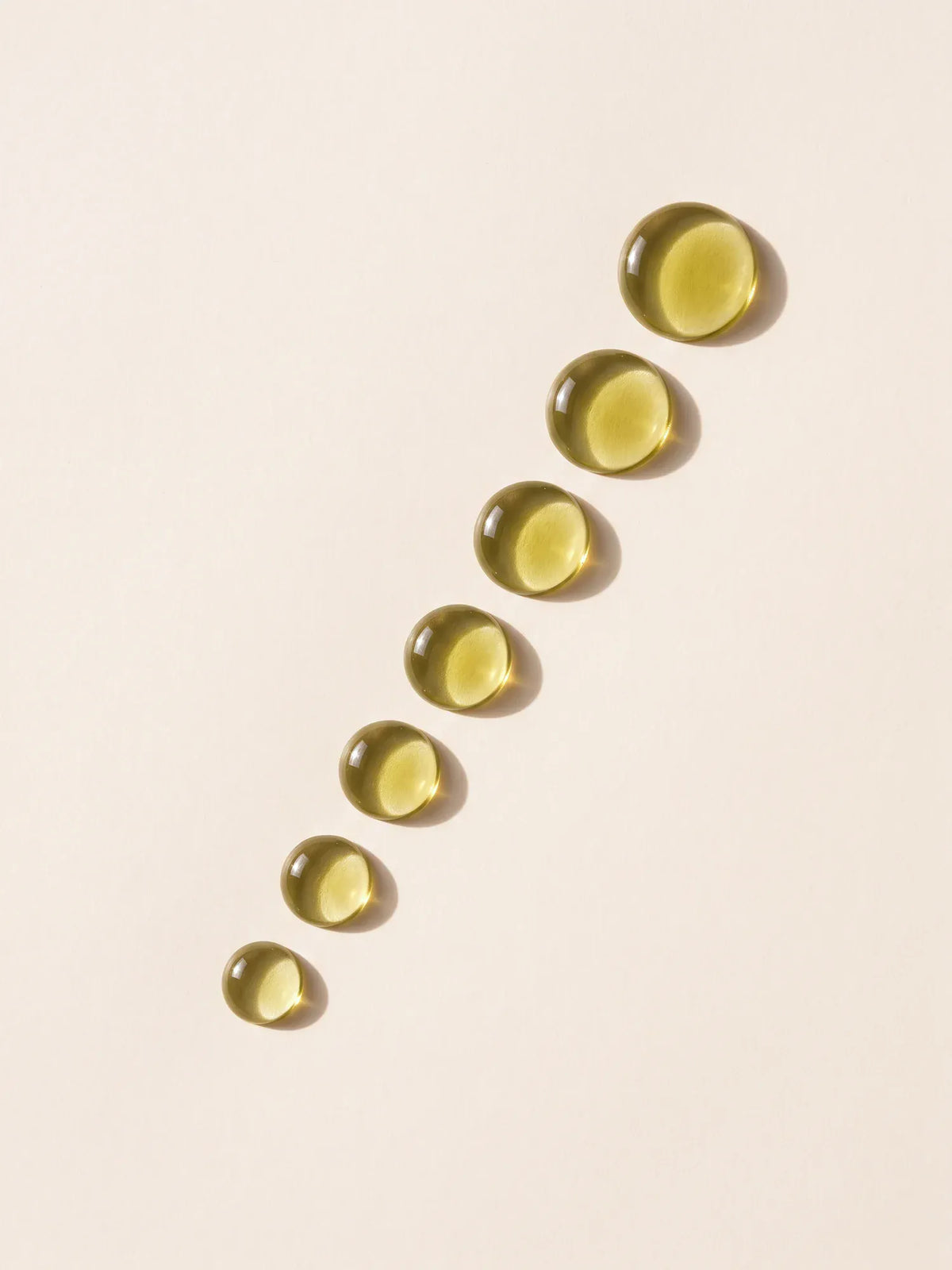
Another common line is that sunflower oil sinks deep into skin and carries nutrients with it. Its fatty acids do absorb into the outer layer, and it spreads easily, but the outer layer is where a cosmetic oil does its work. The Ingredient Library describes it plainly: a light, smooth oil that spreads easily and absorbs at a moderate pace. That is the honest description, and it is a good one.
Overstated: suits every skin, no exceptions
Sunflower oil is well tolerated by most people, including those with sensitive or acne-prone skin, and it is generally considered unlikely to clog pores. Pore-clogging scores for oils, though, differ from one source to the next, so read any single number with caution. Skin is individual. People with a daisy-family allergy, such as to ragweed or chamomile, should patch test, and anyone whose skin is very oily may prefer to keep richer oils to the body.
What the oil does in a finished product
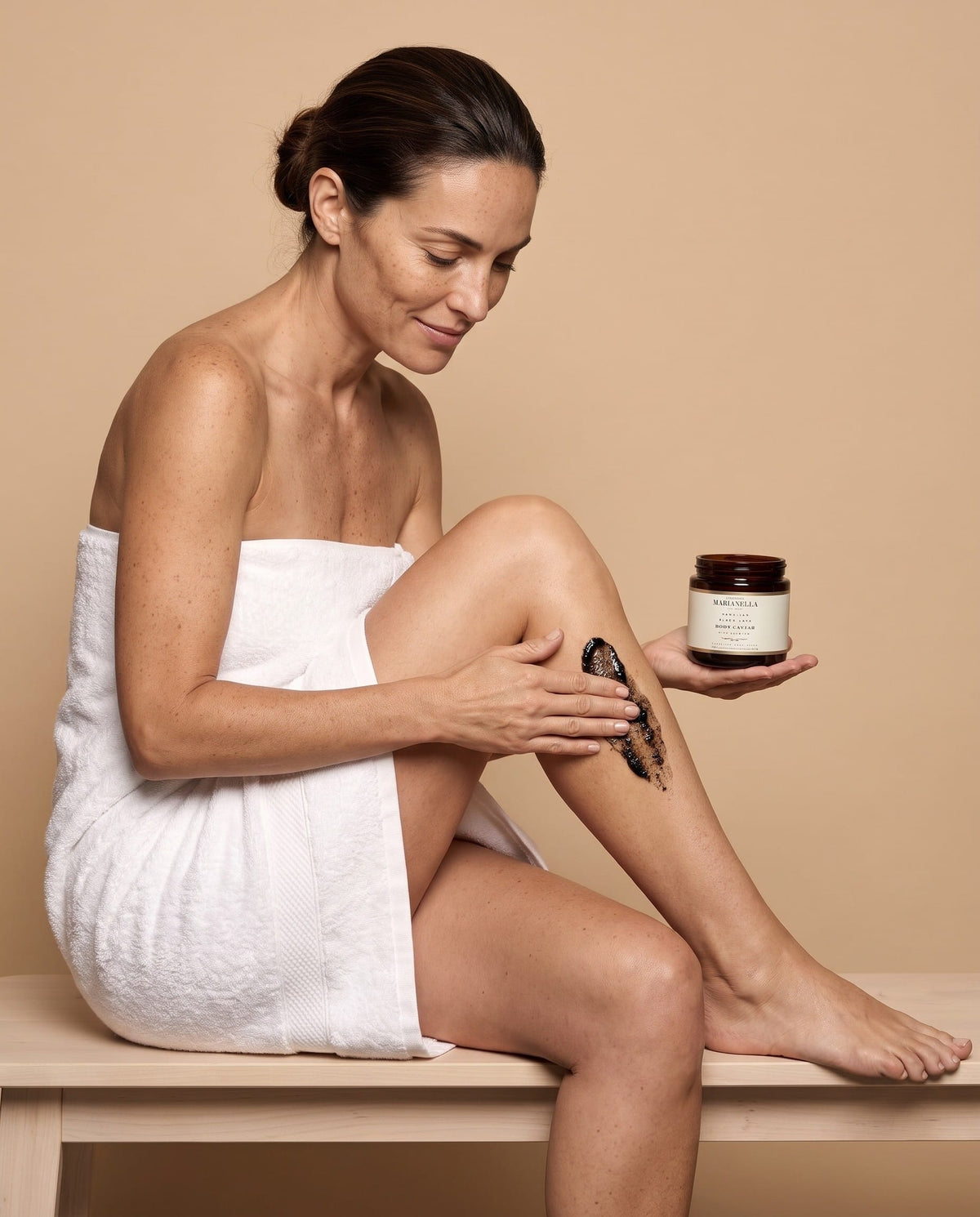
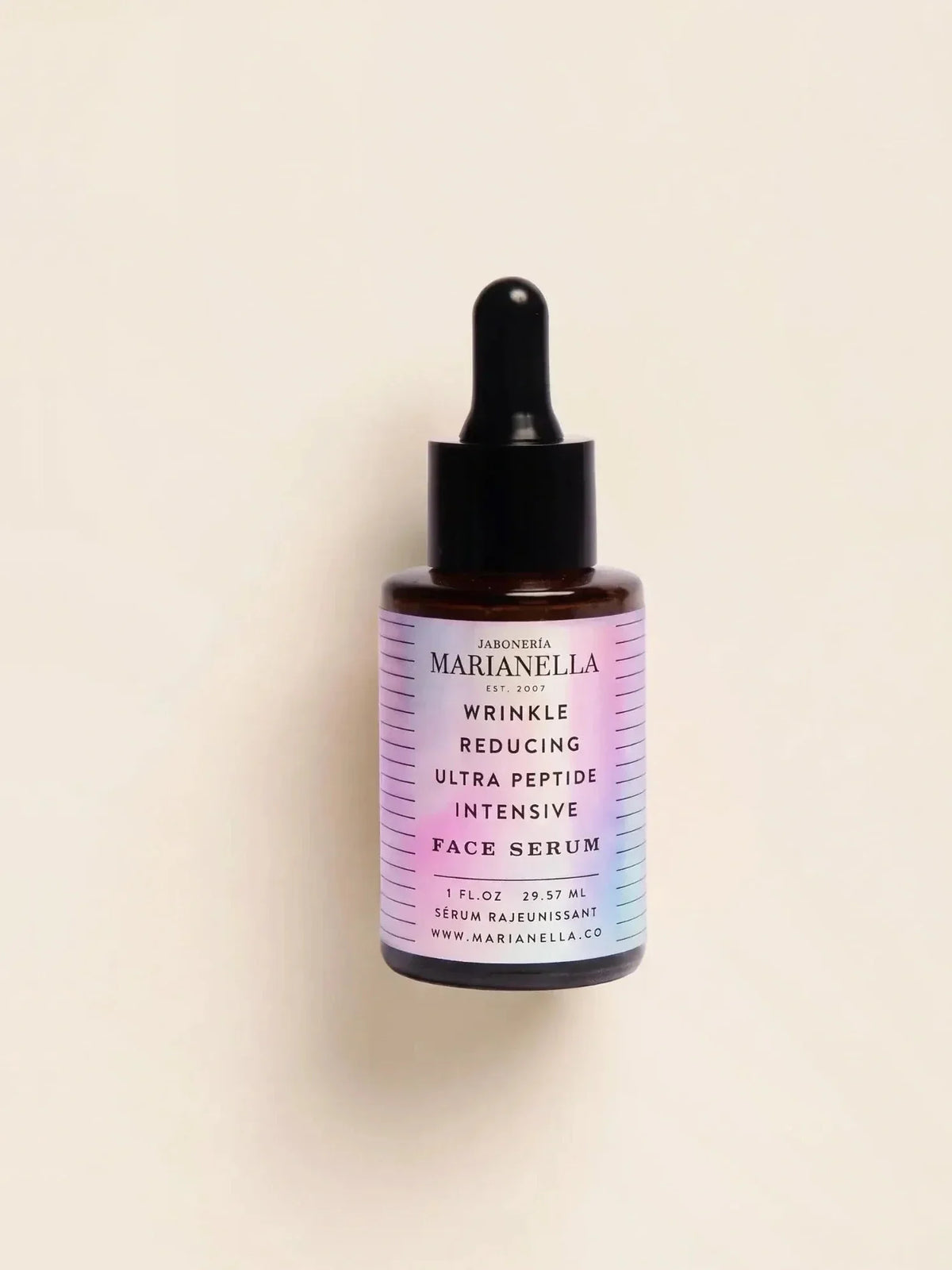
In a finished formula, sunflower oil is rarely the star. It is a supporting oil that spreads easily and adds cushion. In our Lava Body Caviar, sea salt and organic sugar buff away dull surface skin while a blend of oils, including sunflower, safflower, coconut, macadamia, kukui, passion fruit and Kalahari melon seed, leaves skin feeling soft and moisturized. It is for the body only, never the face. In our Rejuvenating Body Cream, sunflower joins coconut, jojoba and avocado oils to cushion the surface, with Kalahari melon seed oil leading the blend.
That is a realistic picture of what to expect: a product that leaves skin soft and comfortable, made better by a sensible oil doing its quiet part.
How to judge a sunflower oil claim yourself
A few quick checks cut through most of the noise. Ask whether the study was on healthy skin or on a medical condition. Ask whether it tested the pure oil or a finished product. And look at where sunflower oil sits on the ingredient list: near the top, it is a main oil; near the end, it is a minor one. Claims that survive those three questions are usually the modest ones about softness and moisture, and those are the ones worth paying for.
Questions people ask about sunflower seed oil claims
Is sunflower seed oil safe if I am allergic to daisies?
Reactions are rare, but sunflowers belong to the daisy family. If you react to ragweed, chamomile or daisies, patch test on a small area before using a product widely.
Does sunflower seed oil clog pores?
It is generally considered unlikely to, and it suits most skin types. Individual skin varies, so watch how yours responds over a couple of weeks.
Is an inexpensive oil less effective on skin?
Not necessarily. Sunflower oil is widely grown and affordable, and its benefits come from its fatty acids, not its price. Quality depends more on the variety, how it was pressed and how fresh it is.





















Leave a comment
This site is protected by hCaptcha and the hCaptcha Privacy Policy and Terms of Service apply.