


Rosemary extract skincare benefits are no longer just the province of herbalists and clean beauty enthusiasts. In 2026, the science has caught up to centuries of botanical tradition. Peer-reviewed research now confirms that this Mediterranean herb delivers measurable antioxidant protection, supports skin repair at the cellular level, and actively works against the molecular forces behind visible aging. For a brand built on three generations of Venezuelan botanical knowledge and 18 years of small-batch formulation in Brooklyn, rosemary is precisely the kind of ingredient that earns its place in a formula.
What Is Rosemary Extract?
The rosemary plant, Rosmarinus officinalis L., is one of the main members of the Lamiaceae family and is currently one of the most promising herbal medicines due to its pharmaceutical properties. In skincare, rosemary extract refers to a concentrated preparation derived from the leaves of the plant, standardized to preserve its most bioactive compounds. Phytochemical analysis reveals that the most abundant bioactive molecules in rosemary include monoterpenes such as 1,8-cineole, α-pinene, and β-pinene; diterpenes such as carnosic acid and carnosol; triterpenes such as oleanolic acid and ursolic acid; flavonoids such as luteolin and genkwanin; and phenolic acids such as rosmarinic acid and caffeic acid, many of which have been shown to exhibit beneficial effects including antimicrobial and anti-inflammatory properties.
The rosemary leaf is comprised of powerful antioxidant compounds, or cofactors, including rosmarinic, caffeic, chlorogenic, ferulic, and carnosic acids. Caffeic acid and its derivative, rosmarinic acid, are potent, synergistic, natural bioactive cofactors of the rosemary leaf. Formulators prize the extract precisely because this compound profile is multi-functional: antioxidant, anti-inflammatory, antimicrobial, and structurally supportive, all from a single botanical source.
The Science Behind Rosemary Extract for Skin
Antioxidant Defense: More Potent Than Vitamin E
Rosemary's carnosic acid has been shown to be a more effective antioxidant than vitamin E. That single finding deserves to sit with you. Rosemary herb extract contains potent antioxidants, including rosmarinic acid, carnosic acid, carnosol, and ursolic acid. These compounds are celebrated for neutralizing free radicals, the molecules contributing to premature aging and skin damage. Free radical accumulation is one of the primary drivers of collagen degradation, hyperpigmentation, and loss of skin elasticity. A botanical that addresses it at this level is not decorative. It is functional.

An alcoholic extract of rosemary leaves has been shown to be endowed with strong antioxidant activity and, as evaluated by both in vitro and in vivo systems, is capable of inhibiting oxidative alterations to skin surface lipids. That protection at the lipid barrier level directly supports the skin's ability to retain moisture and resist environmental damage.
UV-Induced Photoaging: A Molecular Defense
One of the most compelling areas of rosemary extract research concerns its interaction with UV-induced skin damage. In UV-induced photoaging, rosemary downregulates basal and transcriptional levels of MMP-1, as well as the inflammatory cytokines IL-6 and IL-1α. Rosmarinic acid specifically inhibits the MEK/ERK/AP-1 pathway and suppresses MMP-1, MMP-3, and MMP-9. These matrix metalloproteinases are the enzymes responsible for breaking down collagen and elastin fibers. Inhibiting them is a direct anti-aging mechanism.
In human volunteers taking 250 mg of combined citrus and rosemary extracts daily, a significant and progressive increase in minimal erythema dose (MED) was detected, suggesting that supplementation could improve UVB protection. Further confirmation came from a pilot study showing beneficial effects including reduced UV-induced erythema, diminished skin lipoperoxides, decreased wrinkle depth, and improved elasticity following long-term supplementation of combined rosemary and citrus extracts.
Anti-Glycation: Addressing Skin Aging at a Molecular Level
Glycative stress is an underexamined driver of skin aging. Glycative stress promotes the accumulation of advanced glycation end products (AGEs), impairing extracellular matrix proteins and accelerating skin aging. The accumulation of AGEs is directly linked to dullness, fine lines, skin laxity, and uneven texture. Rosemary extract has been shown to deglycate AGE crosslink proteins.
The data here is specific. Compared to a control group, rosmarinic acid demonstrated the greatest ability to reverse AGE crosslink proteins at 53% (p<0.0001), outperforming ALT-711 (46%, p<0.0001). An additional in vitro study demonstrated that cofactors found in the rosemary leaf have a deglycation effect. Specifically, rosemary extract and its natural cofactors demonstrated two times more deglycation ability than pure rosmarinic acid alone.
This matters in clinical practice. In a 12-week randomized controlled trial involving 104 women ages 40 to 65, supplementation with rosemary extract improved measures of skin quality.
Skin Repair and Regeneration: New Research from Penn Medicine
In late 2025, research published in JCI Insight from the Perelman School of Medicine at the University of Pennsylvania confirmed what botanical formulators have understood intuitively for generations. A compound found in rosemary leaves may significantly improve the healing of skin wounds and reduce scarring.
In adult wound healing mouse models, an ethanol-based rosemary extract accelerated the speed of wound healing and mitigated fibrosis. Mechanistically, carnosic acid, a major bioactive component of rosemary leaves, activates the transient receptor potential ankyrin 1 (TRPA1) nociceptor on cutaneous sensory neurons to enhance tissue regeneration.
Histological analysis of rosemary cream-treated wounds exhibited increased return of normal tissue architecture, with regeneration of hair follicles, sebaceous glands, and subcutaneous fat. The lead researcher stated that "rosemary extract, and specifically the antioxidant carnosic acid, can shift the healing process from scarring to healthy skin regeneration."
The safety profile is equally relevant. Among herbs examined, rosemary stood out for its potency and safety. Unlike mustard oil or the topical medication imiquimod, which also stimulate the TRPA1 receptor, rosemary does not cause irritation or inflammation.
Anti-Inflammatory Action Across Skin Conditions
Rosemary has been shown to exhibit significant anti-inflammatory effects, beneficial for skin conditions characterized by inflammation such as acne, eczema, and rosacea. Compounds like carnosol and carnosic acid reduce the expression of pro-inflammatory cytokines, which can alleviate redness, swelling, and discomfort. This makes rosemary extracts a valuable ingredient for products designed to calm sensitive or irritated skin, enhance skin clarity, and improve overall texture.
In atopic dermatitis specifically, the synergistic action of carnosol and carnosic acid in downregulating inflammation-related genes reduces pro-inflammatory cytokines, leucocyte migration, and NGF inhibition. Carnosol's direct inhibition of iNOS, NO, and COX-2 activation contributes further to its anti-inflammatory profile.
Antimicrobial Properties
Rosemary extracts demonstrate strong antimicrobial effects, particularly against common skin pathogens including Staphylococcus aureus, Escherichia coli, and Candida albicans. Optimized rosemary extracts exhibit strong antimicrobial activity, helping to control bacterial growth, reduce acne lesions, and maintain a balanced skin microenvironment.
In addition to its antioxidant properties, rosemary leaf has anti-inflammatory, antibacterial, and antiviral effects, and has been shown to stimulate circulation. That circulatory benefit is relevant in body care applications: improved microcirculation supports healthy skin tone and a more even surface texture.
Why Rosemary Belongs in Body Skincare
Body skin is exposed to environmental stressors just as the face is. Pollution, friction, and UV exposure affect texture, tone, and barrier integrity across the entire body. An antioxidant-rich botanical that simultaneously fights free radicals, reduces inflammation, and supports surface renewal is exactly what a comprehensive body care formulation needs.
Rosemary's versatility allows it to be formulated across a range of product types, from serums and creams to cleansers and toners, adding a multifunctional component to skincare lines. In a scrub format specifically, rosemary pairs its bioactive activity with physical exfoliation, ensuring that its antioxidant and anti-inflammatory compounds are delivered to freshly cleared skin with improved absorption.
Marianella and Rosemary: 18 Years of Botanical Formulation
Marianella was founded in Brooklyn in 2007 by a Venezuelan-born formulator drawing on three generations of botanical beauty knowledge. That heritage is not marketing language. It represents a specific lens through which ingredients are selected: not trend-driven, but efficacy-driven, grounded in a tradition that has always understood plants as serious actives.
With 82 products across face, body, and home, Marianella's approach to botanical ingredients like rosemary extract is to pair them with complementary actives that deepen their function. The result is formulas recognized by People Magazine's Star Beauty Award and featured in Vogue, Oprah, Forbes, and Allure, now available at Bloomingdale's BEAUTYSPACE.
Best Marianella Rosemary Extract Products in 2026
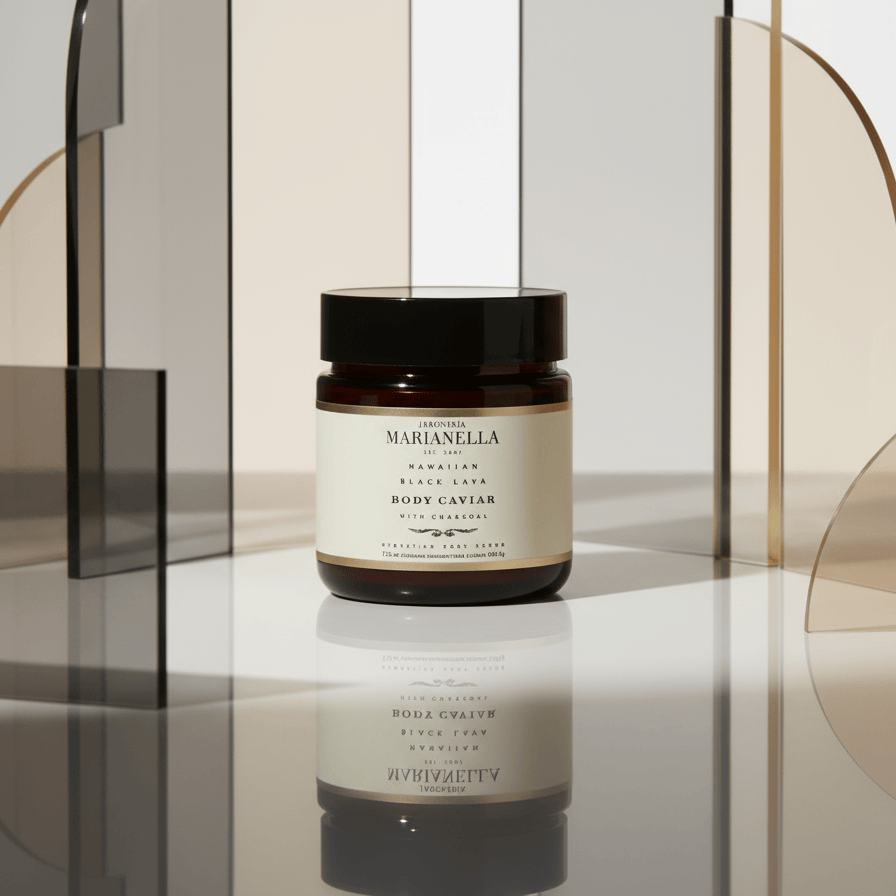
Hawaiian Black Lava Body Caviar Body Scrub with Charcoal
The Hawaiian Black Lava Body Caviar Body Scrub with Charcoal is where rosemary extract meets one of the most distinctive exfoliation formulas in Marianella's 82-SKU lineup. Black lava and activated charcoal physically and magnetically draw impurities from the skin's surface, while rosemary extract delivers its antioxidant and anti-inflammatory activity to skin that has been primed to receive actives. The scrub format maximizes rosemary's bioavailability by clearing the surface barrier before the extract goes to work. $34.
This is a body treatment that performs at a level the price point does not suggest. It is the kind of formulation that earns press in Vogue and a spot at Bloomingdale's BEAUTYSPACE because the thinking behind it goes beyond aesthetics.
How to Use Rosemary Extract in Your Skincare Routine
Rosemary extract is stable across formulation types and compatible with most active ingredients. Rosemary extract supports cellular turnover and has mild brightening effects, helping to fade dark spots, acne scars, and post-inflammatory hyperpigmentation with consistent use. Consistency is the operative word. The anti-glycation and antioxidant mechanisms described above are cumulative. Regular use builds on itself.
For body care, a scrub used two to three times per week is sufficient to see surface texture improvements within four to six weeks. The antioxidant protection rosemary provides works on the skin you reveal after exfoliation, making the combination especially effective.
The Botanical Tradition Behind the Science
Promising benefits in the healing process of different wounds and UV-irradiated skin have been shown from one of the most commonly used plant-derived essential oils, derived from the aromatic herb Rosmarinus officinalis L., a woody perennial herb native to the Mediterranean region. Mediterranean and South American botanical traditions have recognized rosemary as a skin-conditioning plant for centuries. The science produced in 2025 and 2026 is not discovering something new. It is confirming what traditional knowledge already knew.
That alignment between ancestral botanical knowledge and contemporary dermatological research is the foundation on which Marianella was built. The brand's Venezuelan heritage carries a deep fluency with Mediterranean and tropical botanicals, and rosemary is one of the clearest examples of that tradition meeting modern formulation standards.
Final Thoughts on Rosemary Extract for Skin
Rosemary extract for skin is one of the most research-supported botanicals in contemporary formulation. Its mechanisms are documented across antioxidant protection, UV defense, anti-glycation, tissue regeneration, anti-inflammatory activity, and antimicrobial action. Few single botanical actives deliver across that range of function.
In 2026, the conversation has moved past whether rosemary works. The question now is which formulations use it with enough intelligence to let it perform. Explore Marianella's body care collection to see rosemary extract in context with the rest of a lineup built on 18 years of botanical expertise, handcrafted in Brooklyn, and informed by three generations of knowledge that knew the science long before the studies arrived.
```

Leave a comment
This site is protected by hCaptcha and the hCaptcha Privacy Policy and Terms of Service apply.