


The truth about coconut oil is that it is a very good emollient and an excellent soapmaking oil, and not much more than that. It softens skin, helps it hold on to water, and gives soap a big, creamy lather. It can also feel heavy and clog pores when left on an oily face, and many of the bolder claims made for it come from lab-dish studies or medical trials that say little about everyday skin care. Here is how the common claims stand up.
Holds up: it leaves skin soft
Coconut oil is mostly saturated fat, which is why it is solid in a cool kitchen and melts in the palm. On skin, that melting turns into a smooth, conditioning layer that leaves dry patches feeling soft. This is the oldest use of the oil and the least controversial. Elbows, shins, heels and hands all take to it well.
Holds up: it helps skin hold water
An oil on the surface of the skin slows the rate at which water evaporates from it. Coconut oil does this well, and small studies of people applying it once a day after a shower have measured less water loss through the skin after two and four weeks. That is a real, cosmetic effect: skin that feels less tight and looks less flaky. It is the same thing a good body cream does, and the reason coconut oil shows up in so many of them.
Holds up: it makes good soap
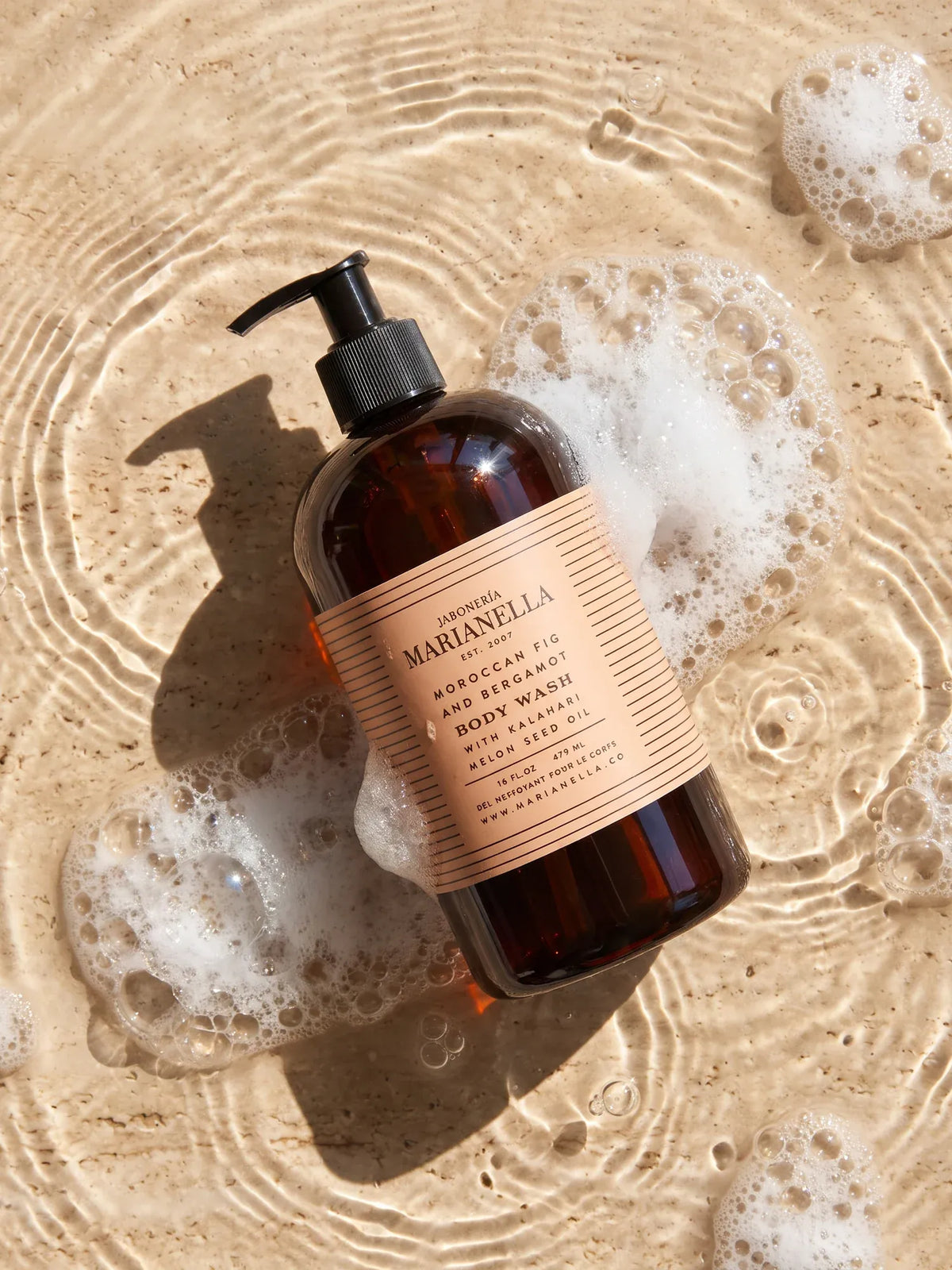
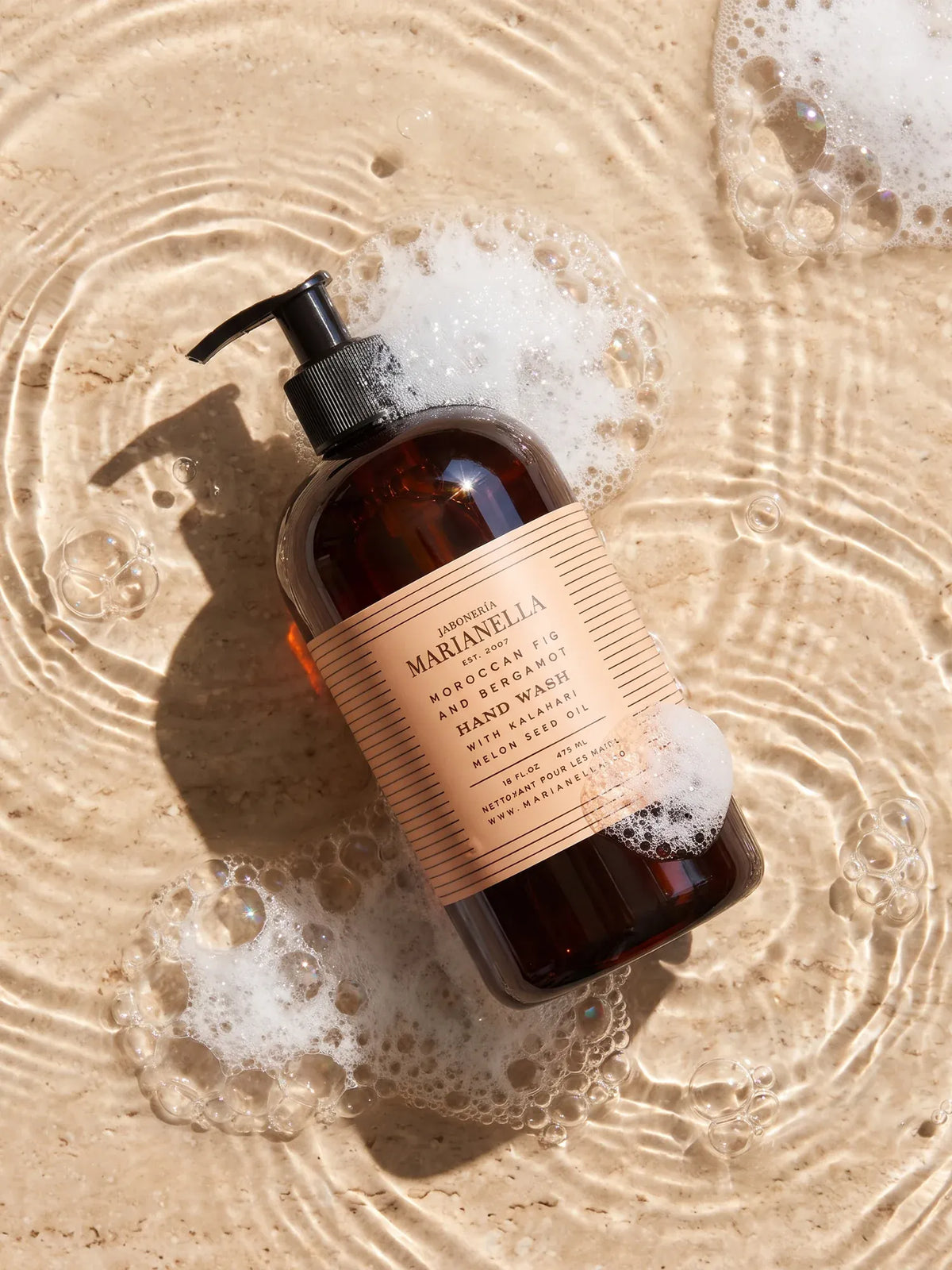
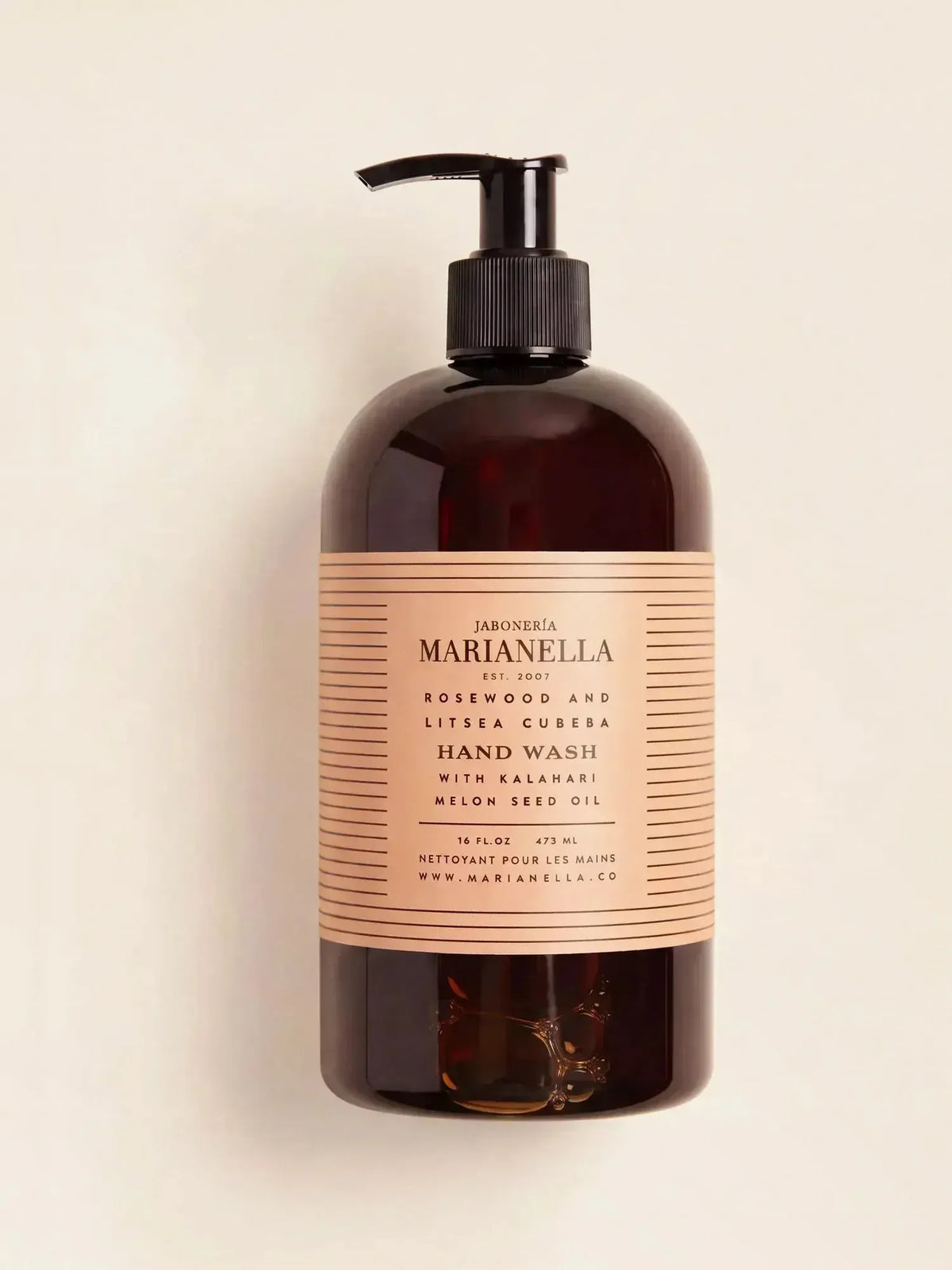
When coconut oil is turned into soap, its fatty acids give a fast, fluffy, generous lather that few other oils match. Soapmakers have relied on it for generations, and we do too: in our Replenishing Body Wash and Hydrating Hand Wash, coconut oil gives the lather its lift. On its own, a very high-coconut soap can feel a little drying, which is why it is usually balanced with gentler oils.
Overstated: "it works at the cellular level"
You will see coconut oil credited with raising this protein or that one, or with sinking into skin cells in a way other oils cannot. Most of those figures come from studies on cells grown in a dish, not on people. They can be interesting to researchers, but they do not tell you how your arms will feel next week. Coconut oil works on the surface of the skin, where most good moisturizers work, and that is enough.
Overstated: "it penetrates deeper than other oils"
The fatty acids in coconut oil are shorter than those in most plant oils, and that is sometimes stretched into a claim that it reaches deeper layers of skin. In practice, coconut oil feels rich and sits on the skin for a while before it sinks in, especially in cool weather when it firms up. If you want a face oil that disappears in seconds, a light oil such as squalane is a better choice.
Not our claim: medical results
Some articles about coconut oil quote trials on people with diagnosed skin conditions, or test-tube studies of lauric acid against the microbes linked to blemishes. Those are medical questions, not skin care ones, and a dish in a lab is not your face. We make no such claims for coconut oil or for any of our products, and we would be wary of any cosmetic that does.
True, with a catch: pores
Coconut oil is one of the oils most often linked with clogged pores when it is left on facial skin, especially oily or blemish-prone skin. That does not make it a bad ingredient. It means the format matters:
- Rinse-off products such as washes and cleansers are a good home for it, because the oil does its work and then goes down the drain.
- Body care suits it well, since skin on the body is generally less prone to congestion than the face.
- Leave-on face products are where to be careful. A small amount in a blend of lighter oils is different from a thick layer of pure coconut oil at night.
If you have very oily skin, coconut oil can also simply feel too heavy. That is a matter of comfort rather than harm, and it is worth listening to.
How we use it, given all that
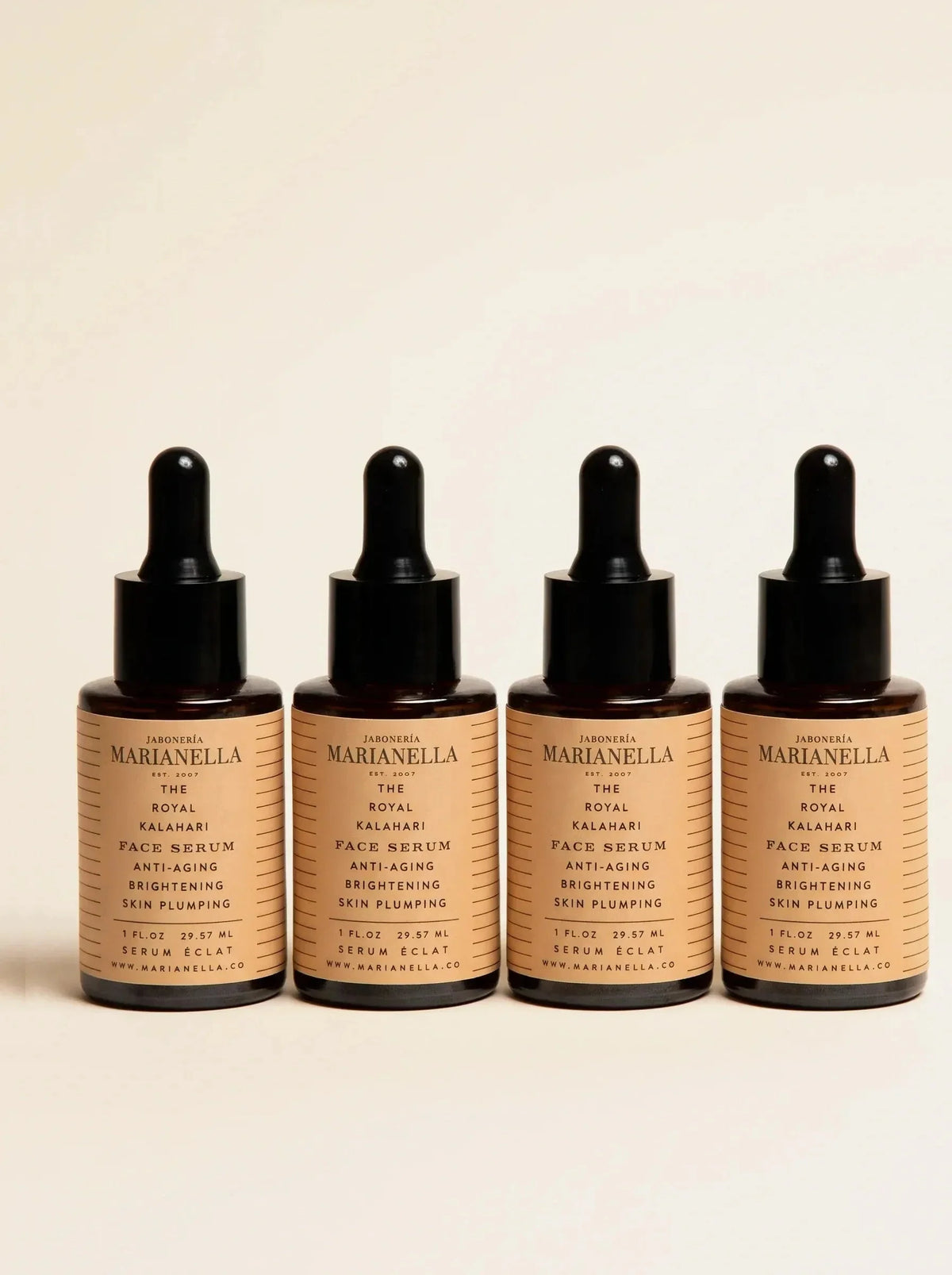
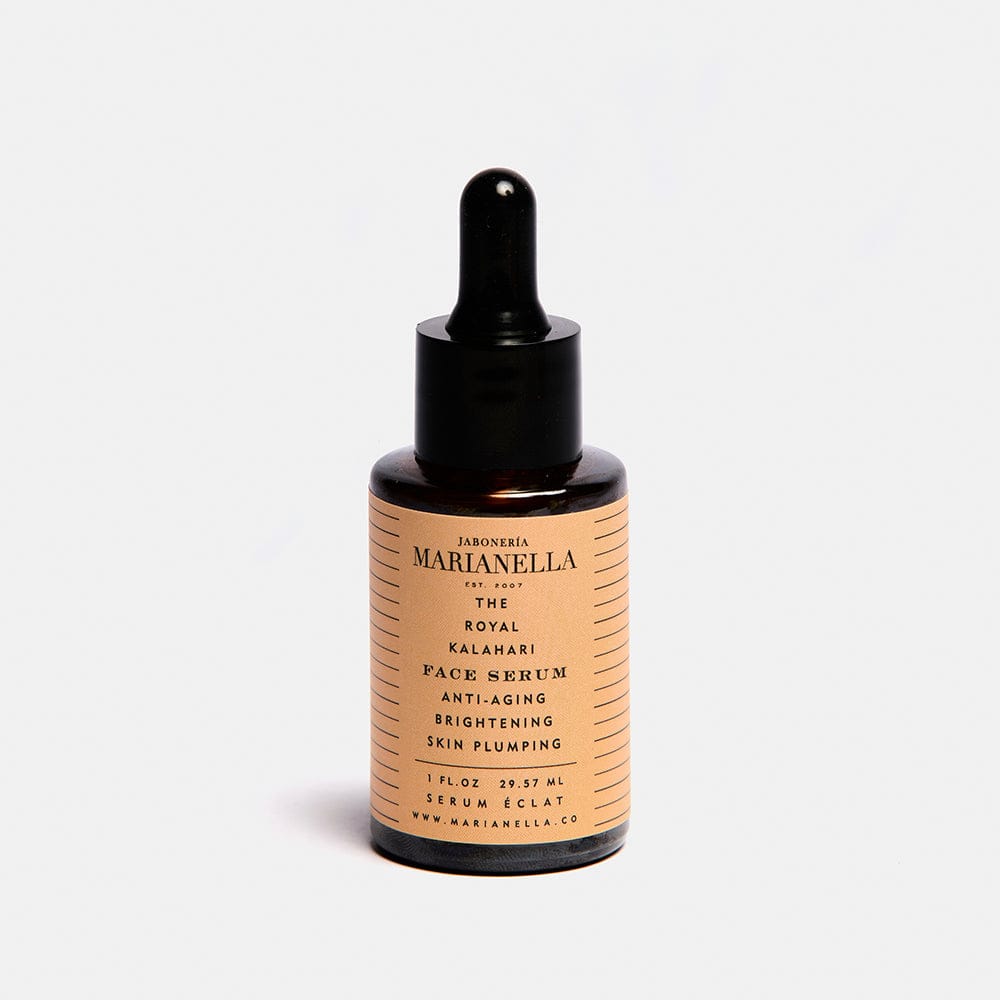
We use coconut oil where its strengths count and its weak spot does not: in our soaps for lather, in our hand and body creams for cushion, and in the Hawaiian Black Lava Body Caviar, where it joins passion fruit and Kalahari melon seed oils to leave skin soft after the salt and sugar have polished it. On the face, it appears as a small part of a blend: monoi de Tahiti, which is coconut oil infused with tiare flowers, sits among the lighter oils in our Royal Kalahari Face Serum. You can see every product that contains it in our Ingredient Library.
Questions we hear about coconut oil claims
Does coconut oil clog pores?
It can, when left on oily or blemish-prone facial skin. In rinse-off products and on the body, that is much less of a concern.
Does coconut oil help with breakouts?
We make no such claim. The research usually quoted is from lab studies, not everyday skin care, and on an oily face coconut oil is more likely to add to congestion than reduce it.
Can coconut oil replace my body moisturizer?
For many people on dry body skin, yes, used on damp skin after a shower. A cream that also contains water-binding ingredients such as aloe and glycerin will usually feel lighter and more even.
Is coconut oil safe if I have a nut allergy?
It is generally well tolerated, but some people with tree-nut allergies avoid it. If that is you, patch test first or ask your doctor.






















Leave a comment
This site is protected by hCaptcha and the hCaptcha Privacy Policy and Terms of Service apply.