


The truth about avocado oil is simpler than the hype: it is a rich, softening oil that helps dry skin hold moisture, and it does that well. It is high in oleic acid, it carries vitamin E and carotenoids, and it leaves a comfortable cushion on skin. The bigger promises made for it, that it reaches deep into the skin, rebuilds collagen, fades dark spots or suits every skin type, range from stretched to unsupported.
Here are the claims you are most likely to meet, checked one by one.
"It penetrates deeper than any other oil"
Partly true. There is real evidence that avocado oil passes into skin readily. Work going back to 1988 found it was taken up by skin more easily than almond, corn, olive and soybean oils, and oils high in oleic acid are known to loosen the tightly packed outer layer of skin, which can also help other ingredients in a formula reach it.
Where the claim goes too far is depth. Some articles say avocado oil reaches "the second layer" of skin, where collagen lives, and works there. A cosmetic oil does its work in the outer layer: softening it, smoothing it and slowing the water lost from it. That is valuable, and it is what you feel. It is not the same as changing the deeper structure of your skin.
"It boosts collagen and erases wrinkles"
Not established. Most of the collagen research on avocado oil comes from animals, usually studies of injured skin over a few weeks. Those results are interesting, but they say little about an intact adult face over months. The one human study often quoted tested a cream that combined avocado oil with saffron extract. After 12 weeks, skin elasticity improved and the lines from nose to mouth looked smaller. It is a fair result, but with two active ingredients in the cream, it does not tell you what the avocado oil did on its own.
What avocado oil does reliably is make skin feel softer and look smoother, because well-moisturized skin reflects light more evenly and fine dry lines are less visible. That is a real, everyday benefit. It is not a rebuilding of collagen.
"It fades age spots"
Unsupported. You will see claims that a compound in avocado oil, sometimes called sterolin, fades age spots. Avocado oil does contain plant sterols, mainly beta-sitosterol, and they add to its soft, conditioning feel. We know of no good evidence that avocado oil fades dark spots, and we do not claim it. If even-looking tone is your goal, look for a formula made for it, such as our Vitamin C Serum with Niacinamide, which helps dull, uneven-looking skin look brighter.
"It suits every skin type and never clogs pores"
Overstated. Oleic acid makes up roughly two thirds of avocado oil, and that is what makes it rich. Dry and mature skin loves it. Oily and blemish-prone skin often finds it too heavy when it is used neat on the face, and that is a more honest guide than any pore-clogging score. If your skin is oily, meet avocado oil inside a blend where lighter oils lead, and keep it for the evening.
"It is the answer for under-eye skin"
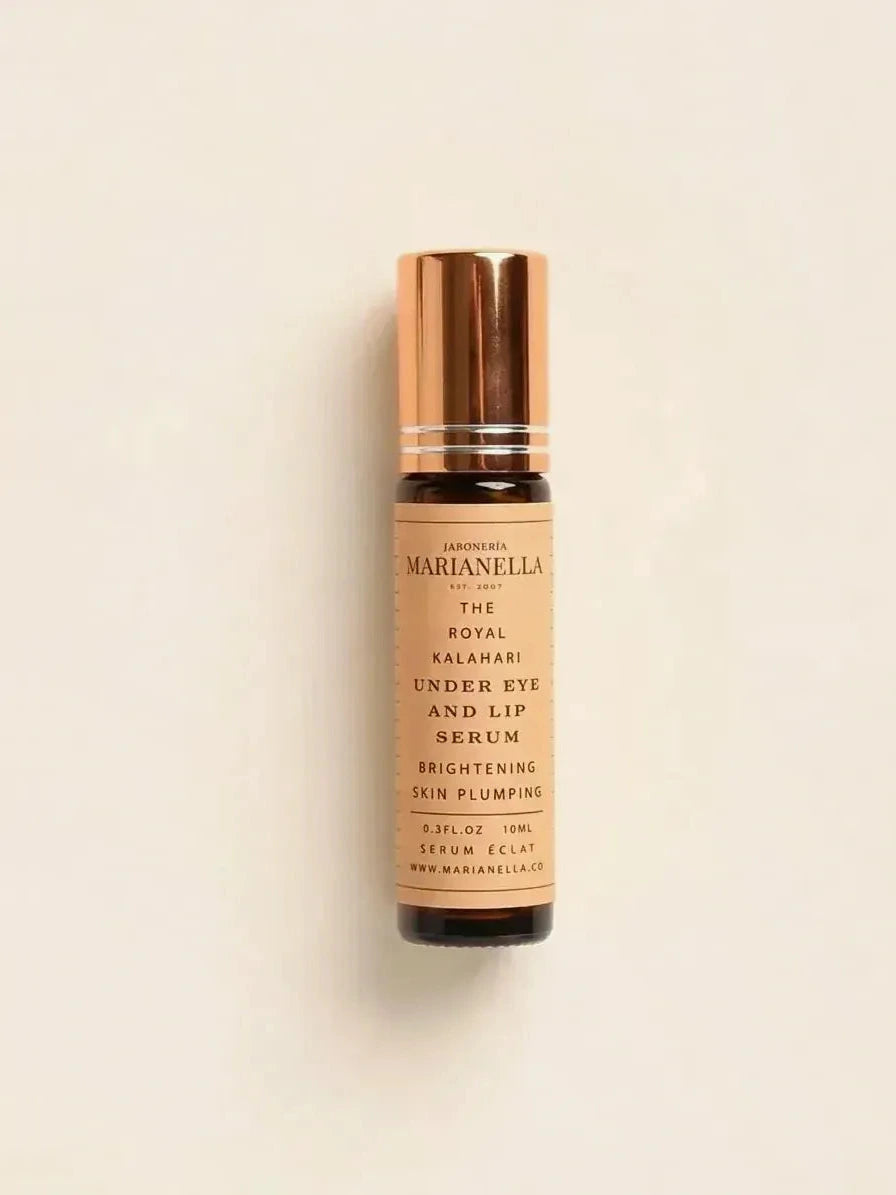
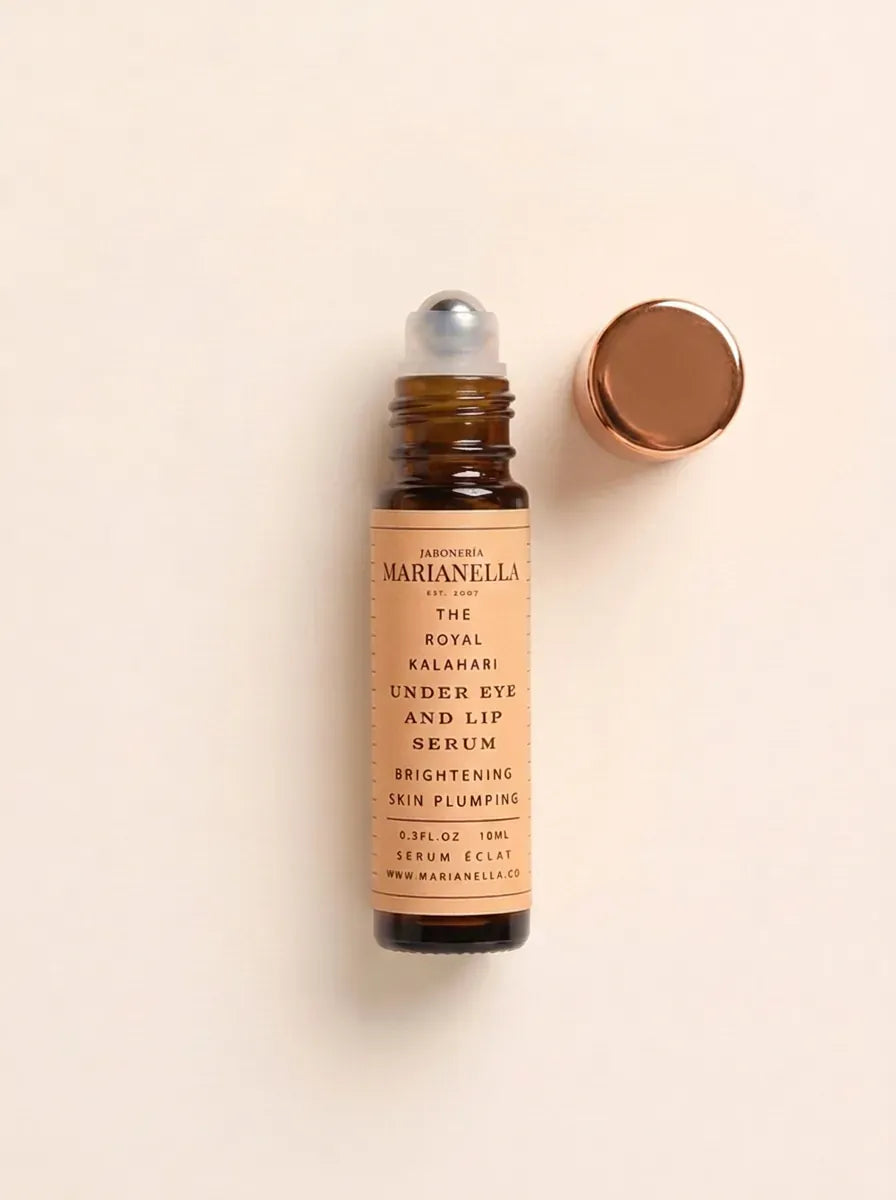
Half true. The skin under the eyes is thinner than the rest of the face and dries out faster, so it welcomes an emollient. But a rich oil can sit heavily on such thin skin, and claims that avocado oil clears dark circles or puffiness are not supported. Our own Royal Kalahari Under Eye and Lip Serum Roller Oil does not contain avocado oil. It is built on lighter oils, Kalahari melon, baobab, mongongo, passion fruit, camellia, grapeseed and tamanu, with castor oil for a soft gloss, and leaves the under-eye area looking brighter, smoother and softly hydrated.
"It protects your skin from the sun"
No. Avocado oil's vitamin E, carotenoids and chlorophyll are antioxidants, and a few of its compounds have been linked to very slight protection from UV light in the lab. None of that makes it a sunscreen. Wear one every day, whatever oils you use.
What holds up
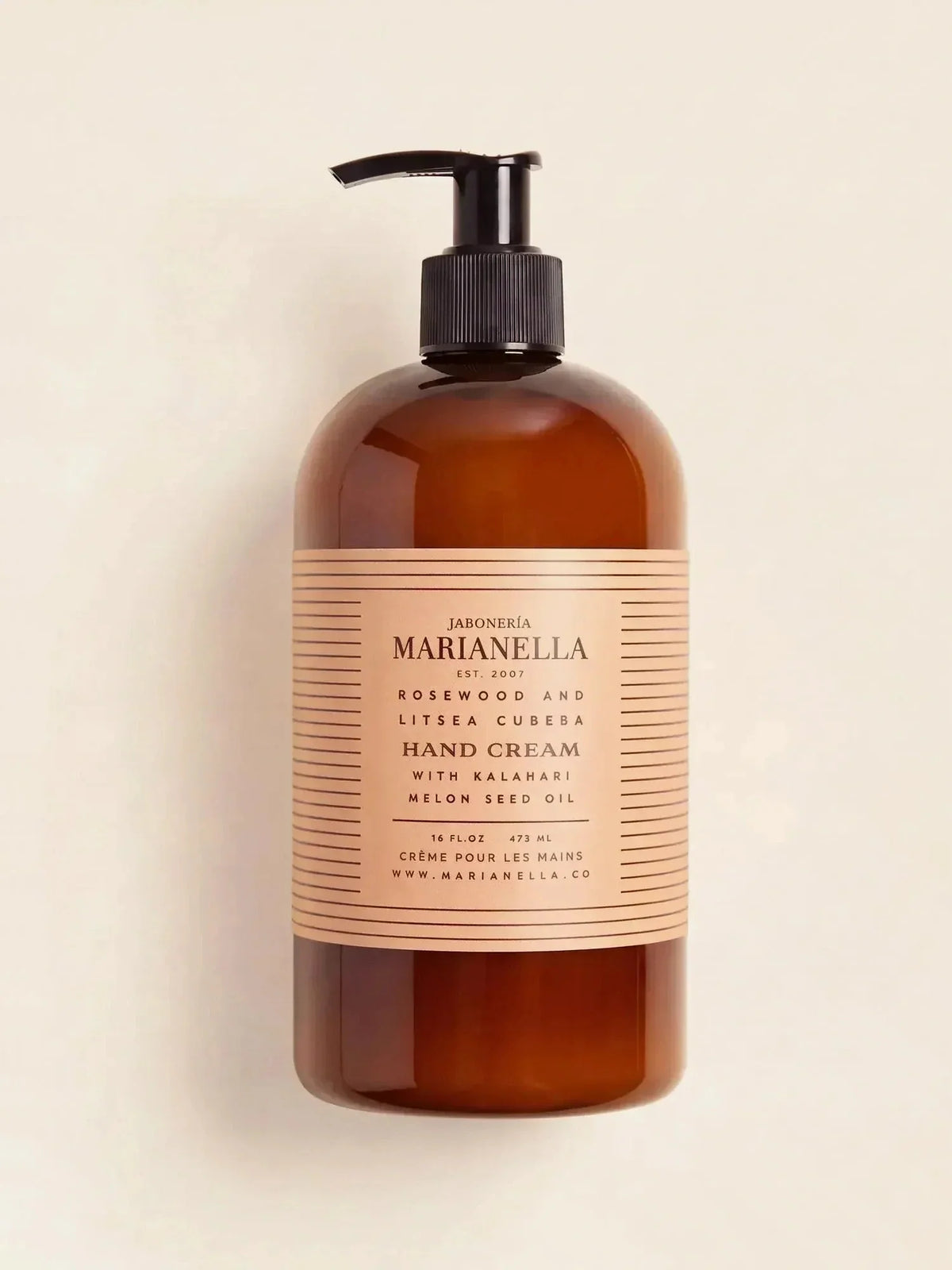
Strip away the overstatement and avocado oil is still an excellent ingredient. It softens rough skin. It forms a light, comfortable layer that slows moisture loss, an effect measured in volunteers. It brings vitamin E, which also helps it stay fresh, and it gives a cream or oil a cushioned, generous feel. That is why we use it in our Midnight Youth Potion, where it adds cushion to a blend carried by lighter oils, and in our Hydrating Hand Cream, Rejuvenating Body Cream and GRR Oil Beard Oil.
How to try it sensibly
Start with one product and give it a few weeks before adding another, so you can tell what is working. Use rich oils and creams on slightly damp skin, where they have water to hold in. If you have a latex-fruit allergy, patch test first, since reactions to avocado, though rare, are possible.
Questions we hear about avocado oil claims
Does avocado oil really absorb better than other oils?
Research has found it passes into skin more readily than almond, corn, olive and soybean oils. It still absorbs gradually and leaves a soft layer, and its work happens in the outer layer of skin.
Will avocado oil fade my dark spots?
There is no good evidence that it does, and we do not claim it. For a brighter, more even look, choose a formula made for tone, such as a vitamin C serum.
Is avocado oil proven to increase collagen?
No. The collagen findings come mainly from animal studies, and the human study usually quoted tested avocado oil together with saffron extract.
Is there avocado oil in your under eye roller?
No. The roller is built on lighter oils led by Kalahari melon seed, with castor oil for gloss. Our avocado formulas are the Midnight Youth Potion, the hand and body creams, and GRR Oil.


















Leave a comment
This site is protected by hCaptcha and the hCaptcha Privacy Policy and Terms of Service apply.