

Aloe vera skincare benefits have been documented across thousands of years of human history, but 2026 science tells a far more precise story. The gel inside each leaf of Aloe barbadensis Miller is a chemically dense matrix of polysaccharides, flavonoids, vitamins, and plant sterols that work on the skin at a molecular level. If you are looking for the best aloe vera products or simply want to understand what this ingredient actually does once it contacts your skin, the breakdown below covers both.
What Is Aloe Vera?
Aloe vera, or Aloe barbadensis, is a thick, short-stemmed plant that stores water in its leaves. Aloe leaves can be separated into two basic products: the latex, a bitter yellow liquid beneath the epidermis of the leaf, and the gel, a colorless and tasteless substance in the inner part of the leaf. Both contain many biologically active components, mainly anthraquinones and polysaccharides, the most active of which is acemannan.
The history of aloe vera spans over 6,000 years. In Egyptian records, it was depicted in stone carvings as a sacred plant. Over time, aloe vera gained widespread use in skincare and cosmetic industries due to its moisturizing, anti-inflammatory, and healing properties. Modern dermatology has spent the last several decades verifying what traditional medicine already knew, and the molecular evidence is now substantial.
Aloe vera has become an indispensable ingredient in topical dermatological preparations because of its great variety of bioactive compounds, including vitamins, enzymes, polysaccharides, and amino acids, which help confer hydrating, anti-inflammatory, and antimicrobial properties.
The Core Aloe Vera Skincare Benefits, by Mechanism
Deep Hydration: The Polysaccharide Effect
The moisturizing action of aloe vera is not superficial. The polysaccharide-rich composition of aloe vera extracts may impart moisturizing properties to cosmetic formulations, and research confirms that freeze-dried aloe vera extract is a natural effective ingredient for improving skin hydration, possibly through a humectant mechanism.

|
$84 |

|
$50 |

|
$32 |

|
$29 |
The mechanism goes deeper than surface-level film formation. Treating human epidermal keratinocytes with aloe vera flower water extract upregulates epidermal involucrin by activating the expression of protein kinase C, p38, and ERK 1/2. It also modulates filaggrin, increases aquaporin expression, and supports hyaluronan synthesis via balanced regulation of HAS1 and HYAL1 protein. Aquaporins are the water-channel proteins that govern cellular hydration at the membrane level. Aloe vera's influence on their expression is a significant part of why it works.
A 2025 study published in Life (MDPI) found that at a 2% concentration, an aloe vera phytoplacenta extract demonstrated measurable biological effects, increasing AQP3 protein expression by 120% and healing area fourfold, while simultaneously reducing COX-2 mRNA by 43% and iNOS mRNA by 48%. These are not minor fluctuations. They represent a meaningful shift in the skin's hydration infrastructure and inflammatory signaling.
Anti-Inflammatory Action: Acemannan and the NF-κB Pathway
Acemannan is the primary polysaccharide in aloe vera gel and the compound responsible for most of its anti-inflammatory reputation. Acemannan is a natural polysaccharide with good biodegradability and biocompatibility extracted from aloe vera, with a wide range of applications in the biomedical field due to its immunomodulatory, antiviral, antitumor, and tissue regeneration effects.
The anti-inflammatory properties of aloe vera polysaccharides are primarily mediated through the inhibition of key inflammatory pathways. Acemannan and other polysaccharides suppress the activation of nuclear factor-kappa B (NF-κB), a transcription factor that regulates the expression of pro-inflammatory genes. Acemannan has the ability to inhibit pro-inflammatory cytokines such as tumor necrosis factor (TNF)-α, interleukin (IL)-6, and IL-1β. For skin prone to redness, congestion, or sensitivity, this pathway is precisely where relief needs to originate.
The anti-inflammatory action of aloe vera is multifaceted, involving the inhibition of pro-inflammatory cytokines, modulation of the COX pathway, antioxidant activity, and the promotion of tissue healing.
Anti-Aging: Collagen, Elasticity, and Wrinkle Reduction
The anti-aging conversation around aloe vera for skin centers on collagen. Aloe vera is rich in hyaluronic acid and has the ability to stimulate collagen synthesis via induction of fibroblasts in the dermis.
A clinical study in 30 healthy female subjects over age 45 found that after aloe gel intake, facial wrinkles improved significantly (p<0.05) in both dosage groups, and facial elasticity improved in the lower-dose group. The biochemical mechanism was clear: aloe gel significantly improves wrinkles and elasticity in photoaged human skin, with an increase in collagen production and a decrease in the collagen-degrading MMP-1 gene expression.
At the fibroblast level, aloe sterols promote the production of collagen and increase the gene expression level of type I and type III collagen synthesis in human dermal fibroblasts. Aloe sterols also stimulate hyaluronic acid production and gene expression of HA synthesis in human dermal fibroblasts. Collagen and HA working in concert is what gives skin its structural density and surface plumpness. It is worth noting that these specific findings largely relate to oral or supplemental aloe sterol delivery, and topical formulation science continues to evolve in translating these pathways to skincare products.
Brightening and Hyperpigmentation
Aloe vera's brightening effect operates through tyrosinase inhibition. Melanin is produced by oxidation of L-tyrosine through a series of enzymatic reactions. Studies have shown that plant extracts rich in flavonoids have a strong inhibitory effect on tyrosinase. Aloe vera is rich in flavonoid substances, giving it great potential for application in the development of whitening skincare products. Among studied aloe species, aloe vera showed the highest content of flavonoid and antioxidant capacity.
Sun Damage and Photoprotection
Aloin, the main anthraquinone in aloe vera, can reduce the photodamage caused by UVA and UVB. Research found that aloe vera gel significantly reduced UV-induced erythema after 48 hours. Further research found that aloe vera gel contains small molecular immunomodulators that can prevent UVB-induced immune suppression in the skin by restoration of UVB-induced damage on epidermal Langerhans cells.
A 2025 study published in the International Journal of Nanomedicine confirmed that in both in vivo and in vitro models, aloe vera nanoparticles demonstrated excellent biocompatibility and the ability to delay skin photoaging. These effects are mediated through the activation of the Nrf2/ARE pathway to combat oxidative stress.
Antibacterial Properties for Acne-Prone Skin
For oily and breakout-prone skin types, aloe vera's antibacterial activity is directly relevant. Aloe vera contains quinones (emodin, aloin, etc.), polysaccharides, tannin compounds, and other substances with strong bactericidal and anti-inflammatory functions, which can kill harmful facial flora such as Propionibacterium acnes and Staphylococcus aureus, and then reduce damage to the skin surface and alleviate acne symptoms. External application of aloe vera gel containing acemannan reduces the proliferation of P. acnes and alleviates inflammation. Acemannan also strengthens the skin barrier, preventing pathogen entry and accelerating healing.
Three Generations of Botanical Knowledge, 18 Years of Formulation
Marianella has been handcrafting in Brooklyn since 2007, drawing on three generations of Venezuelan botanical beauty traditions. Every product in the 82-SKU line reflects that accumulated understanding of how plant-based actives behave in formulation, including aloe vera, which appears across multiple products for a specific reason: it functions as a delivery vehicle, a skin-calming agent, and a hydration amplifier simultaneously.
The brand's founder brought a perspective on botanical ingredients that predates most of the molecular research now being published. That lineage matters in formulation. Choosing aloe vera is not a marketing decision. It reflects an understanding of how the plant's polysaccharide network interacts with the other actives in a given product.
As one of the only Venezuelan-founded luxury beauty brands in the United States, Marianella has been recognized by Vogue, Forbes, Oprah, and People Magazine, earning the People Magazine Star Beauty Award. The line is now available at Bloomingdale's BEAUTYSPACE.
Aloe Vera for Skin: Marianella Products That Feature It
For Fine Lines and Wrinkle Reduction
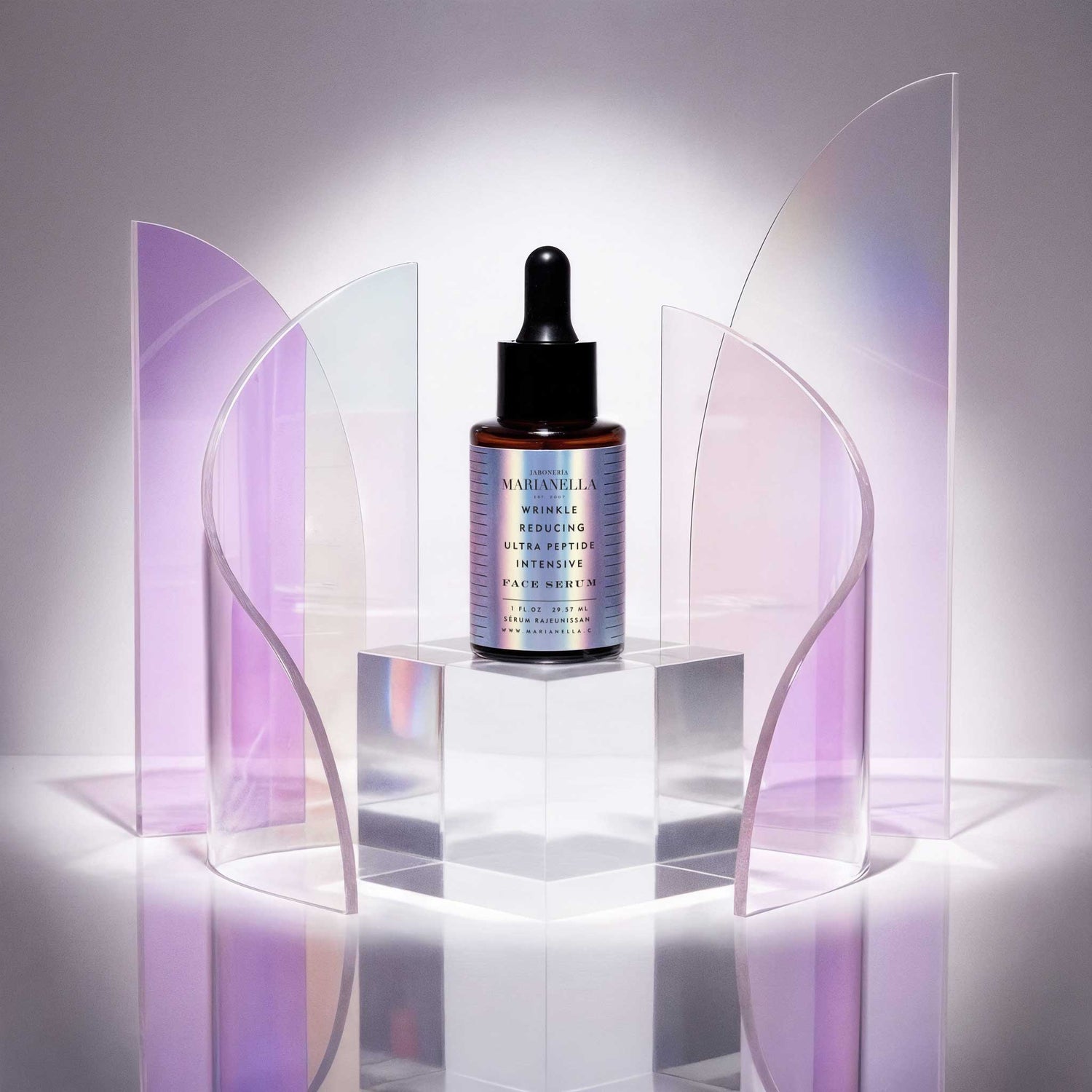
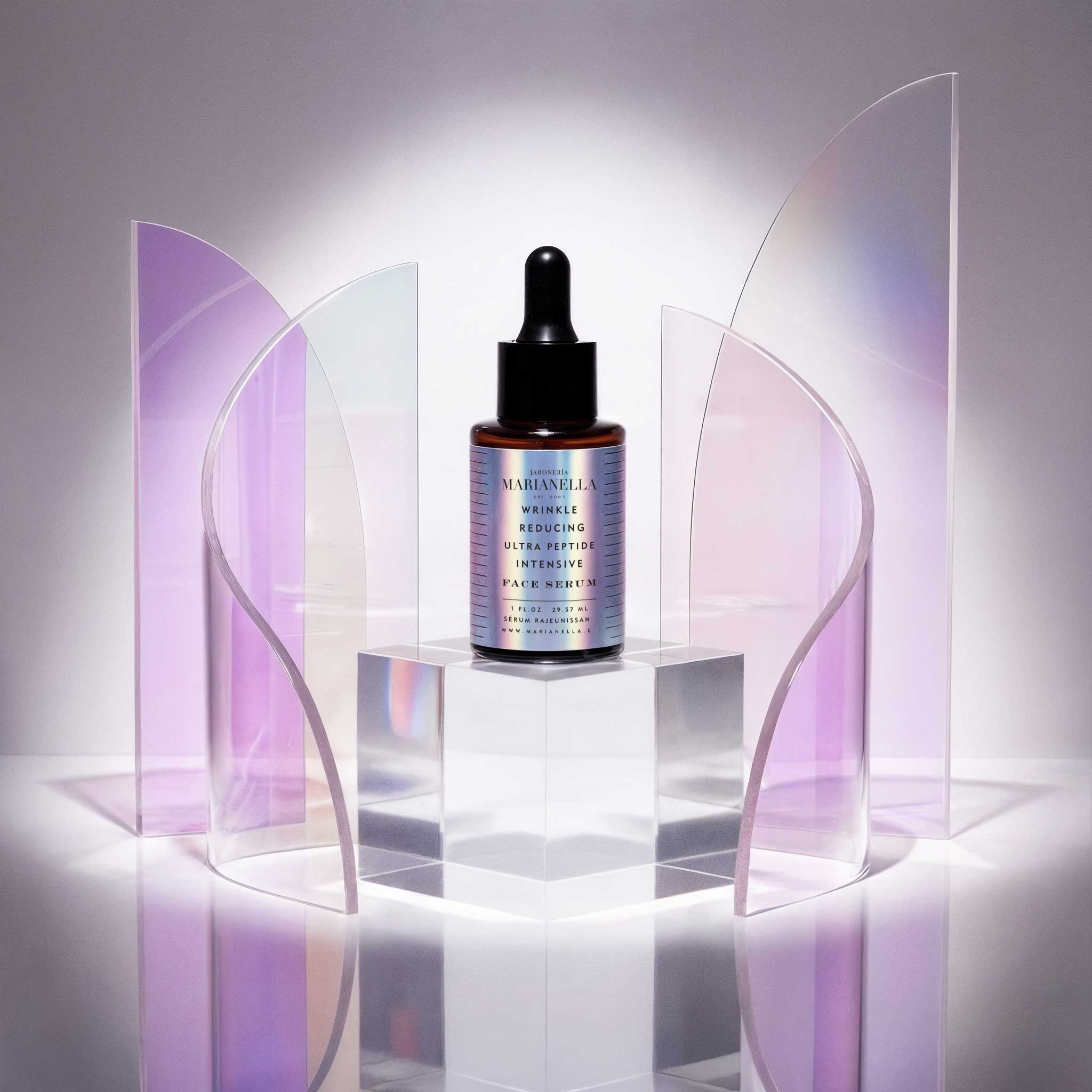
The Wrinkle Reducing Ultra Peptide Intensive Face Serum is the brand's most targeted anti-aging serum. Aloe vera provides the hydrating, calming base layer that allows the peptide complex to penetrate and perform without irritation. The skin-calming and barrier-supporting properties of aloe vera are particularly valuable in a peptide formulation, where surface hydration directly affects absorption. $84.
For Brightening and Vitamin C Synergy
The Vitamin C Collagen Boosting Face Serum with Niacinamide combines aloe vera's tyrosinase-inhibiting, antioxidant-rich profile alongside vitamin C and niacinamide. Aloe vera's flavonoid content creates a secondary brightening pathway while its anti-inflammatory action counterbalances the sensitivity that can accompany high-potency vitamin C formulations. $50.
For the Delicate Eye and Lip Area
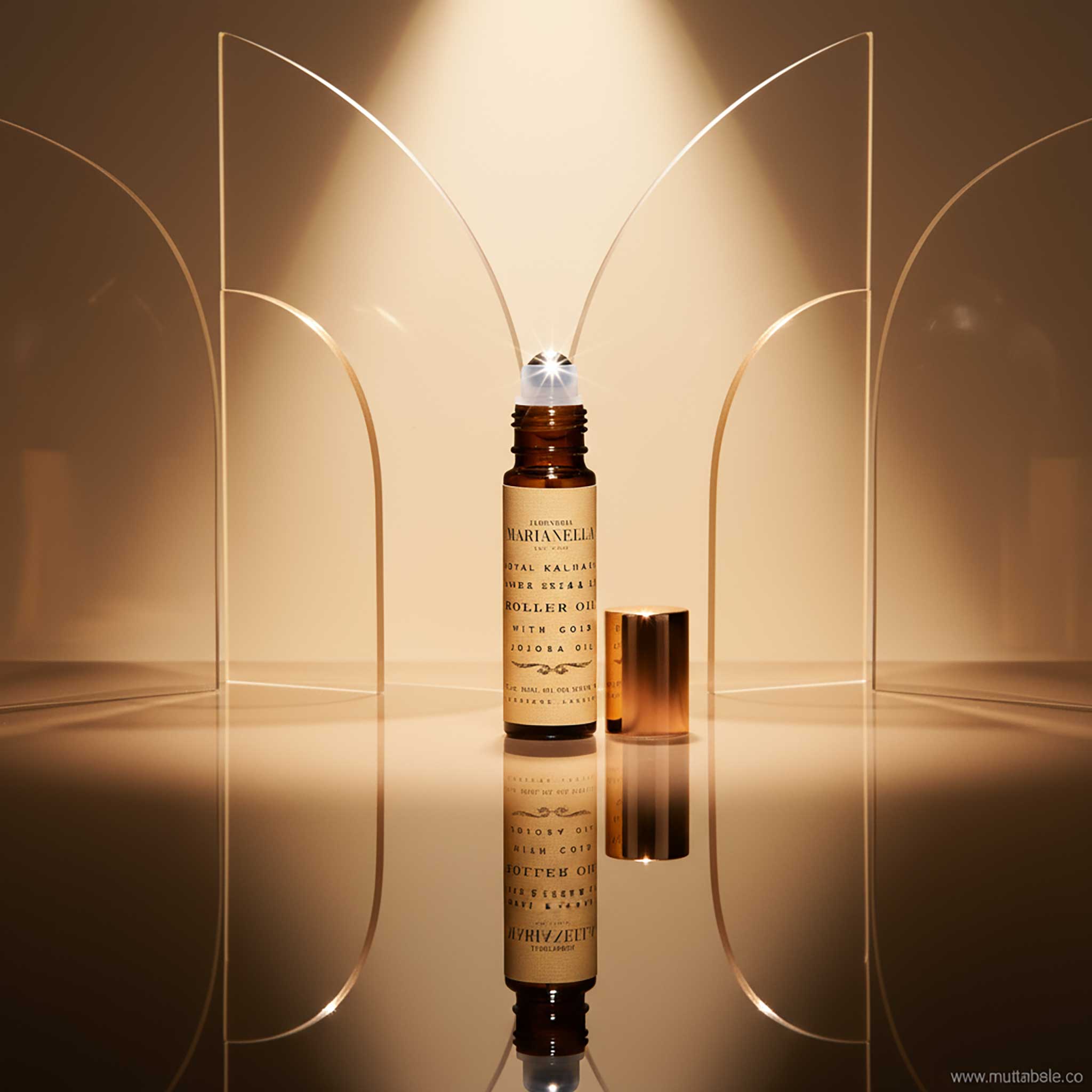
The Royal Kalahari Under Eye and Lip Serum Roller Oil is formulated for the thinnest, most reactive skin on the face. The substantial water content in aloe vera gel serves as an exceptional natural remedy for dry, irritated, or inflamed skin, providing prolonged hydration and soothing effects. The roller format ensures minimal friction on the periorbital area. $32.
For Daily Detox and Skin Clarity
The Detox Gel now with Kalahari Melon Seed Oil brings together aloe vera's antibacterial, anti-inflammatory gel base with the lightweight lipid profile of Kalahari Melon Seed Oil. For skin dealing with congestion, uneven texture, or environmental exposure, aloe vera's documented capacity to provide antioxidant, anti-aging, and moisturizing cosmetic effects makes it a logical fit in a daily detox formulation. $29.
How to Use Aloe Vera Products Effectively in 2026
Layering Order
Aloe vera's water-based, low-molecular-weight gel structure means it absorbs rapidly and should be applied early in a routine, before oils and occlusives. Serums featuring aloe vera as a primary carrier work best on clean, slightly damp skin. The hydration draw is more effective when the skin's surface moisture gradient is already elevated.
Skin Types That Benefit Most
The bioactive compounds of aloe vera, including polysaccharides and vitamins, synergistically hydrate, reduce inflammation, and facilitate wound healing. These characteristics contribute to its use in products targeting acne, eczema, psoriasis, and aging skin. That breadth is not common in a single ingredient. Aloe vera works across skin types precisely because its primary actions, hydration and inflammation reduction, are relevant to nearly every skin concern.
Sensitivity and Patch Testing
Aloe vera is generally well-tolerated, but as with any active botanical, a patch test remains sensible for reactive skin. The concentration and processing method of the aloe extract in a given formulation affects its behavior. Cold-processed and stabilized forms retain more of the polysaccharide integrity associated with the clinical benefits described above.
The Bottom Line on Aloe Vera for Skin
Aloe vera is not a trend ingredient. It is one of the most studied botanicals in dermatology, with a body of peer-reviewed research that confirms its hydrating, anti-inflammatory, collagen-supporting, and antibacterial properties at the molecular level. What separates a well-formulated aloe vera product from a mediocre one is everything that surrounds the ingredient: the extraction process, the complementary actives, the concentration, and the formulator's understanding of how those elements interact.
Marianella's 18 years of small-batch formulation expertise, rooted in Venezuelan botanical traditions and refined in a Brooklyn studio, brings all of that context to each product. Browse the full collection to find the aloe vera formulation built for your specific skin needs.
```

Leave a comment
This site is protected by hCaptcha and the hCaptcha Privacy Policy and Terms of Service apply.