

Rosehip oil skincare benefits are among the most rigorously studied in botanical beauty. Pressed from the seeds of the Rosa canina plant, this cold-pressed oil carries a fatty acid and antioxidant profile that genuinely earns its reputation. At Marianella, it has been central to our formulation philosophy since we opened our Brooklyn studio. Eighteen years of working with botanical oils teaches you to respect the ones with real science behind them. Rosehip is one of those oils.
What Is Rosehip Oil?
Rosehip oil, scientifically known as Rosa canina seed oil, is extracted from the fruit of the rose bush native to Chile, Europe, and parts of Africa. Unlike essential oils, rosehip oil is a carrier oil obtained through cold-pressing or CO2 extraction methods that preserve its delicate nutrient profile. The result is a lightweight, fast-absorbing oil with a characteristic amber-to-red hue that signals its carotenoid concentration. It is not a fragrance. It is not decorative. Every compound in it has a documented function.
The Molecular Profile: Why Rosehip Oil Works
The performance of rosehip oil for skin comes down to chemistry. Rosehip seed oil is rich in polyunsaturated fatty acids, including linoleic acid at approximately 54%, linolenic acid at approximately 19%, and phytosterols, mainly beta-sitosterol. These are not arbitrary numbers. Each percentage point carries physiological consequence.

|
$36 |

|
$46 |

|
$72 |
Linoleic Acid and the Skin Barrier
Skin that is deficient in linoleic acid shows increased transepidermal water loss, barrier dysfunction, and a tendency toward inflammation. Topical linoleic acid application has been shown in clinical studies to help restore barrier integrity and reduce these effects. Linoleic acid is classified as an essential fatty acid. The body cannot produce it. Topical delivery is one of the most direct ways to replenish it in skin tissue.
Alpha-linolenic acid (ALA, omega-3) contributes anti-inflammatory signaling and helps modulate the skin's immune response, useful for reactive, sensitive, or chronically dry skin types. This is the mechanism behind rosehip oil's long-standing use for calming sensitized skin, a practice that three generations of Venezuelan botanical tradition passed down long before clinical dermatology caught up.
Vitamin A, C, and Antioxidant Load
Rosehip oil is high in vitamins A, C, E, and B vitamins. Each plays a distinct and complementary role. The high concentration of vitamin C is essential for collagen synthesis, helping to maintain skin firmness and elasticity.
Rosehip oil contains small amounts of all-trans retinoic acid, the active metabolite of vitamin A that retinol must convert to before it can affect skin cells. However, the concentrations are trace-level, orders of magnitude below what clinical retinol or tretinoin formulations deliver. This matters for accuracy. Rosehip oil is not a retinol replacement. What it offers is a gentler, cumulative form of vitamin A activity with a considerably lower irritation threshold, making it appropriate for daily use and for skin that cannot tolerate prescription-strength retinoids.
Rosehip oil has garnered attention for its high content of carotenoids, phenolics, and antioxidants, which are known for their anti-aging, photoprotective, and skin-rejuvenating properties. A 2024 PMC review confirmed that rosehip's carotenoids, phenolics, and antioxidants "can slow the aging process by promoting cell turnover and antioxidant renewal."
Rosehip Oil Skincare Benefits: What the Clinical Evidence Shows
Wrinkle Reduction and Skin Firmness
The anti-aging data on rosehip oil has strengthened considerably in recent years. A pioneering 2025 pilot study utilizing VISIA complexion analysis technology demonstrated that daily application of cold-pressed Rosa canina seed oil over five weeks led to a significant reduction in mean wrinkle scores, particularly in participants with deeper baseline wrinkles.
The individual results in that study are notable. One participant's wrinkle score dropped from 73.63 to 34.60. Firmness and elasticity improved measurably across the group. These are not soft, self-reported outcomes. They are measurements generated by imaging technology.
After 8 weeks, a rosehip group in a separate study showed visible improvements: reduced wrinkles, more hydrated skin, and increased elasticity. The convergence of multiple independent studies pointing toward the same results is meaningful. In 2026, the evidence base for rosehip oil and wrinkle reduction is more robust than it has ever been.
Scar Reduction and Wound Healing
A 2024 review published in the Journal of Cosmetic Dermatology analyzed clinical trials focusing on postsurgical scars and found that topical treatments containing rosehip extract could significantly reduce the size and redness of scars.
The mechanism involves promoting the transition from inflammatory macrophages (M1) to regenerative macrophages (M2), helping to resolve inflammation and regenerate the extracellular matrix. This is a specific, documentable biological pathway, not a vague claim about skin renewal.
At 12 weeks, 63% of patients using rosehip oil saw a reduction in scar discoloration, compared to only 21% in the control group. That 42-point gap between treatment and control is clinically significant. The mechanism appears to involve linoleic acid-mediated barrier repair combined with the anti-inflammatory activity of alpha-linolenic acid.
Hyperpigmentation and Uneven Tone
Hyperpigmentation, whether from sun exposure, post-acne marks, or hormonal changes, is one of the most common skin concerns rosehip oil is used to address, and there is reasonable evidence to support its use here.
Thanks to its natural blend of vitamin A (trans-retinoic acid), vitamin C, essential fatty acids, and antioxidants, rosehip oil can encourage cell turnover to shed pigmented cells and help brighten the complexion by inhibiting excess melanin production. A 2025 MDPI study found that UV spots declined in participants who used rosehip oil topically for five weeks, suggesting photoprotective effects attributable to its high vitamin A and carotenoid content.
Anti-Inflammatory Action for Acne-Prone Skin
Acne itself is an inflammatory process. The essential fatty acids in rosehip oil can help calm residual inflammation, potentially reducing the intensity and duration of post-inflammatory dark marks. Rosehip oil has a low comedogenic rating of 1, and its high linoleic acid content can actually help balance oily skin and reduce congestion. That combination makes it one of the few facial oils appropriate for acne-prone skin types.
How to Use Rosehip Oil for Skin
Application sequencing matters. Rosehip oil belongs after water-based serums and before heavier creams or SPF. For evening use, 2 to 3 drops warmed between fingertips and pressed gently into slightly damp skin allows better absorption. SPF 30 or higher is non-negotiable when using rosehip oil in the morning, especially given its vitamin A content. At night, the oil can work uninterrupted while the skin undergoes its natural repair cycle.
For those already using retinol, rosehip oil can be applied 15 to 20 minutes after retinol to support barrier recovery. It does not interfere with retinol's mechanism. It supports the skin environment that retinol demands.
Best Rosehip Oil Products 2026: Marianella's Formulations
Marianella was founded in Brooklyn in 2007 by a Venezuelan-born founder who brought three generations of South American botanical knowledge into a small-batch studio. Today, with 82 products across face, body, and home, and placement at Bloomingdale's BEAUTYSPACE, the brand's formulations are built on that same foundation: ingredient integrity, precise sourcing, and 18 years of hands-on expertise. People Magazine gave us their Star Beauty Award. Vogue, Oprah, and Forbes have covered the work. None of that changes how we formulate. Every product is still handcrafted in Brooklyn.
These three products feature rosehip oil as a core component:
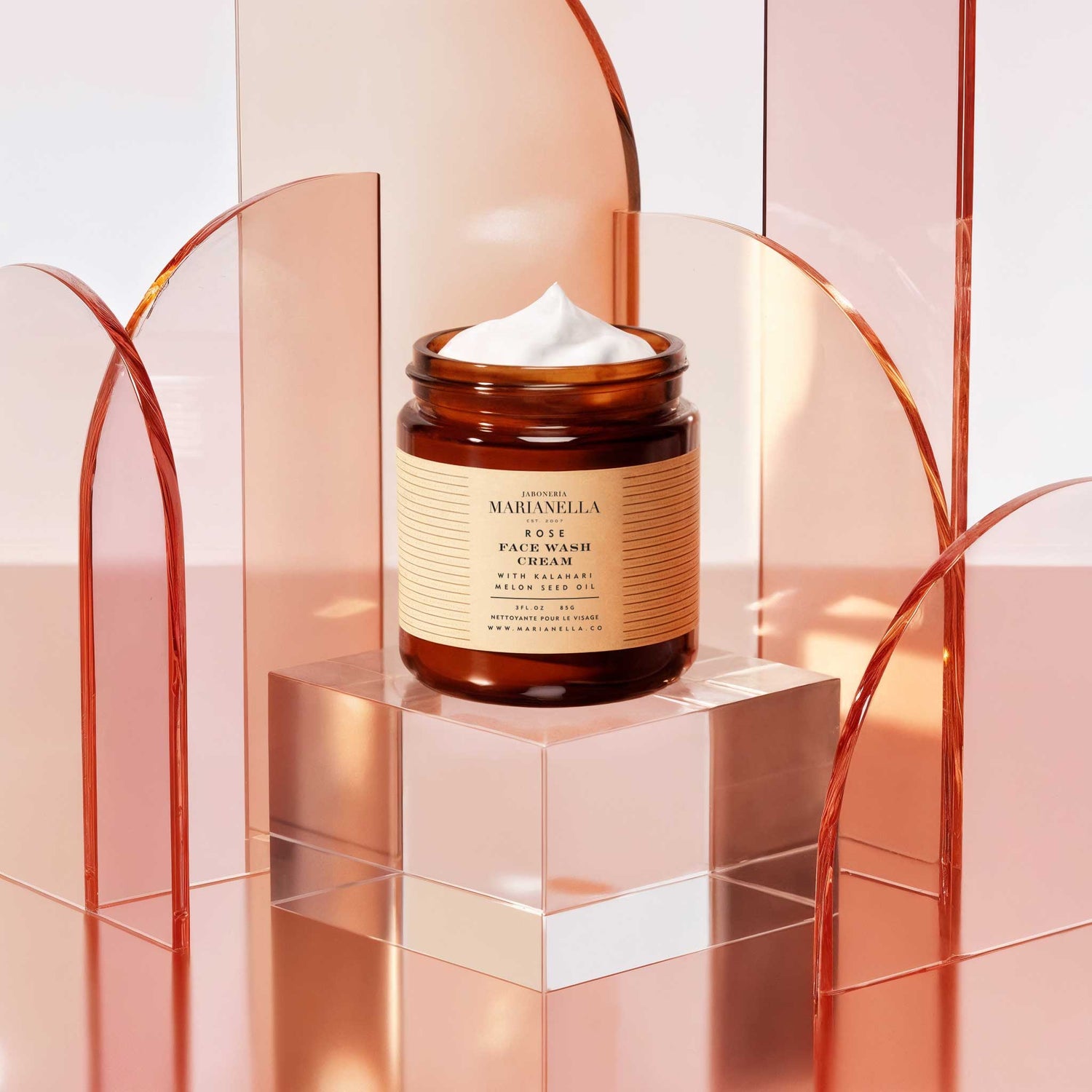
Rose Face Wash Cream
A gentle, creamy cleanser built for daily use across all skin types. The formulation cleans without stripping the skin's lipid barrier, making it a sound first step before applying actives. Rosehip oil in a cleanser contributes to barrier-conscious cleansing rather than depletion. $36.
Rosehip Face Oil
This is the direct delivery format. Cold-pressed and concentrated, this face oil brings the full fatty acid and antioxidant profile of rosehip to the skin in its most bioavailable form. It absorbs cleanly, leaves no residue, and works for dry, combination, and mature skin types. The formulation reflects 18 years of working with botanical oils in our Brooklyn studio. $46.
The Midnight Youth Potion
An overnight treatment designed for the skin's peak repair window. Rosehip oil anchors the formula, supporting the cellular processes that take place during sleep. Evening is when barrier restoration and collagen-related activity are most active. This product is formulated to work with that biology. $72.
Selecting Quality Rosehip Oil: What to Look For
Not all rosehip oils perform equally. The extraction method changes the bioavailability of active compounds. Cold-pressing preserves the delicate fatty acid and carotenoid content that makes the oil effective. Heat-processed or solvent-extracted versions degrade the polyunsaturated fatty acids that drive the clinical outcomes described above. Packaging also matters. Total polyunsaturated fatty acids account for 73 to nearly 80% of rosehip oil's fatty acid profile, and those compounds oxidize when exposed to light. Dark glass is not a design choice. It is functional.
Sourcing transparency is worth asking about. The phytochemical content of Rosa canina varies by region, climate, and harvest timing. Brands with deep formulation experience and direct supplier relationships are better positioned to deliver consistent potency batch to batch.
The Bigger Picture
Rosehip oil for skin is not a trend that arrived in 2026. For centuries, rosehips have been used as natural remedies for a variety of health issues, including skin repair and protection. What is new is the precision with which science can now describe why it works. The clinical literature has matured. The imaging technology used in recent studies produces measurable, objective outcomes that move the conversation beyond anecdote.
Venezuelan botanical tradition reached the same conclusions through observation and generational knowledge. Our founder carried that knowledge from Caracas to Brooklyn. It informs every formulation we make, including the three products above. The science and the tradition point in the same direction.
Explore the full Marianella rosehip collection to find the format that fits your routine.
```


Leave a comment
This site is protected by hCaptcha and the hCaptcha Privacy Policy and Terms of Service apply.