



What sets Rejuvenating Body Cream with Kalahari Oil apart is how the formula is built: a light, fast-absorbing oil at the base, two water-loving ingredients for quick hydration, and a group of plant oils that each do a separate job. The result is a cream that feels rich and velvety going on, sinks in without a greasy film, and leaves skin moisturized and soft for the rest of the day. Below is the formula, ingredient by ingredient, and the reason each one is there.
A rich cream that does not sit on the skin
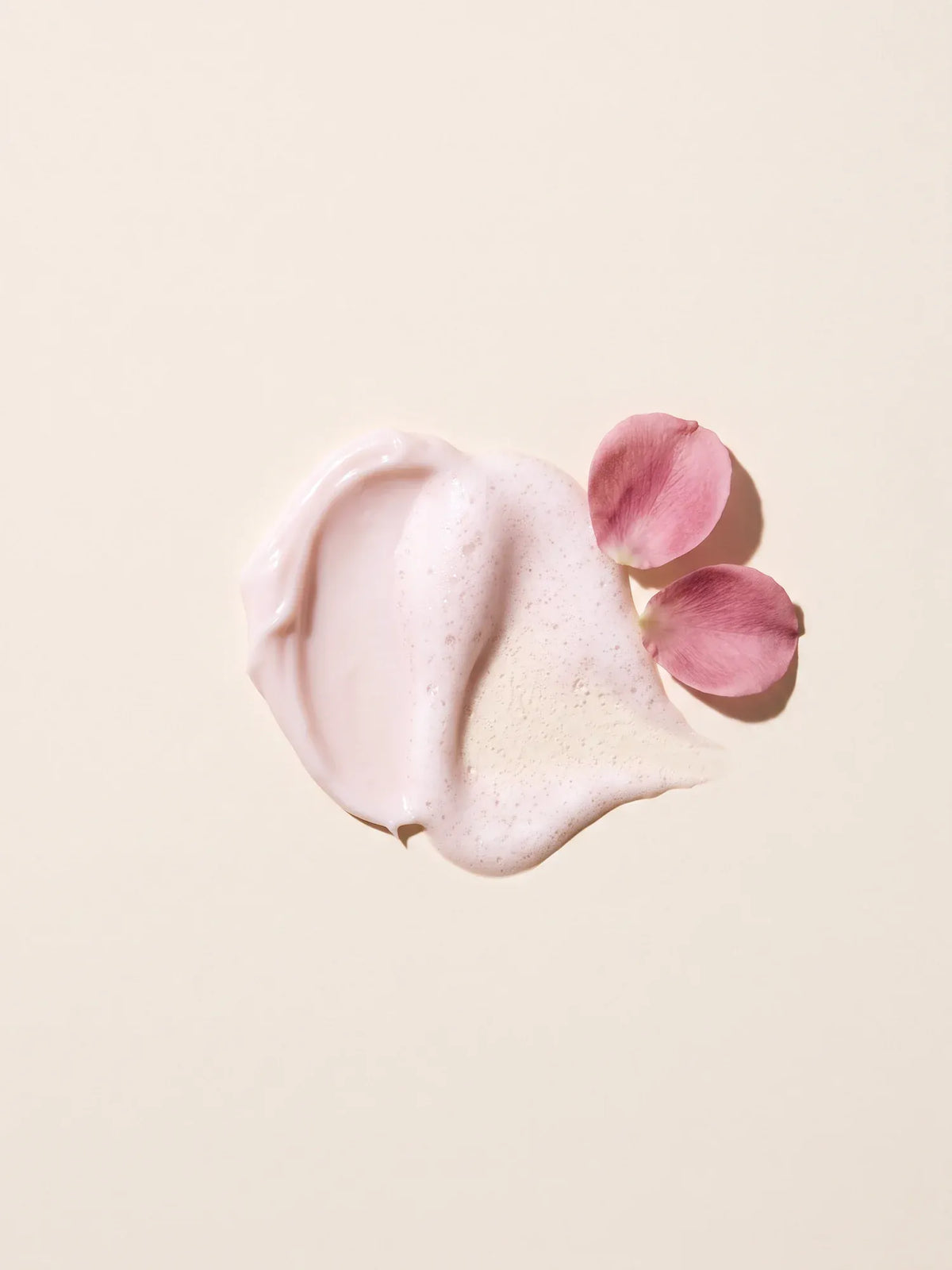
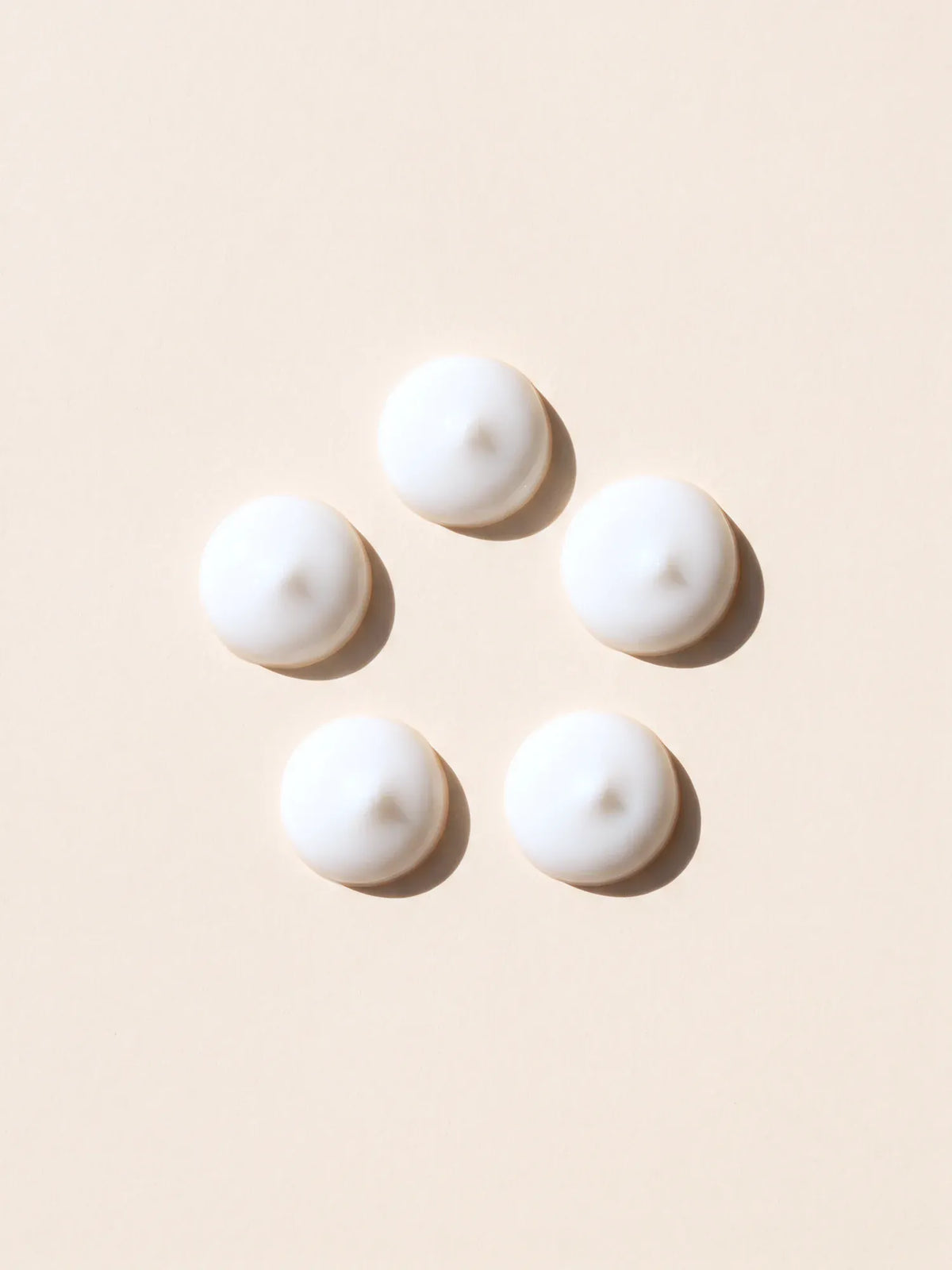
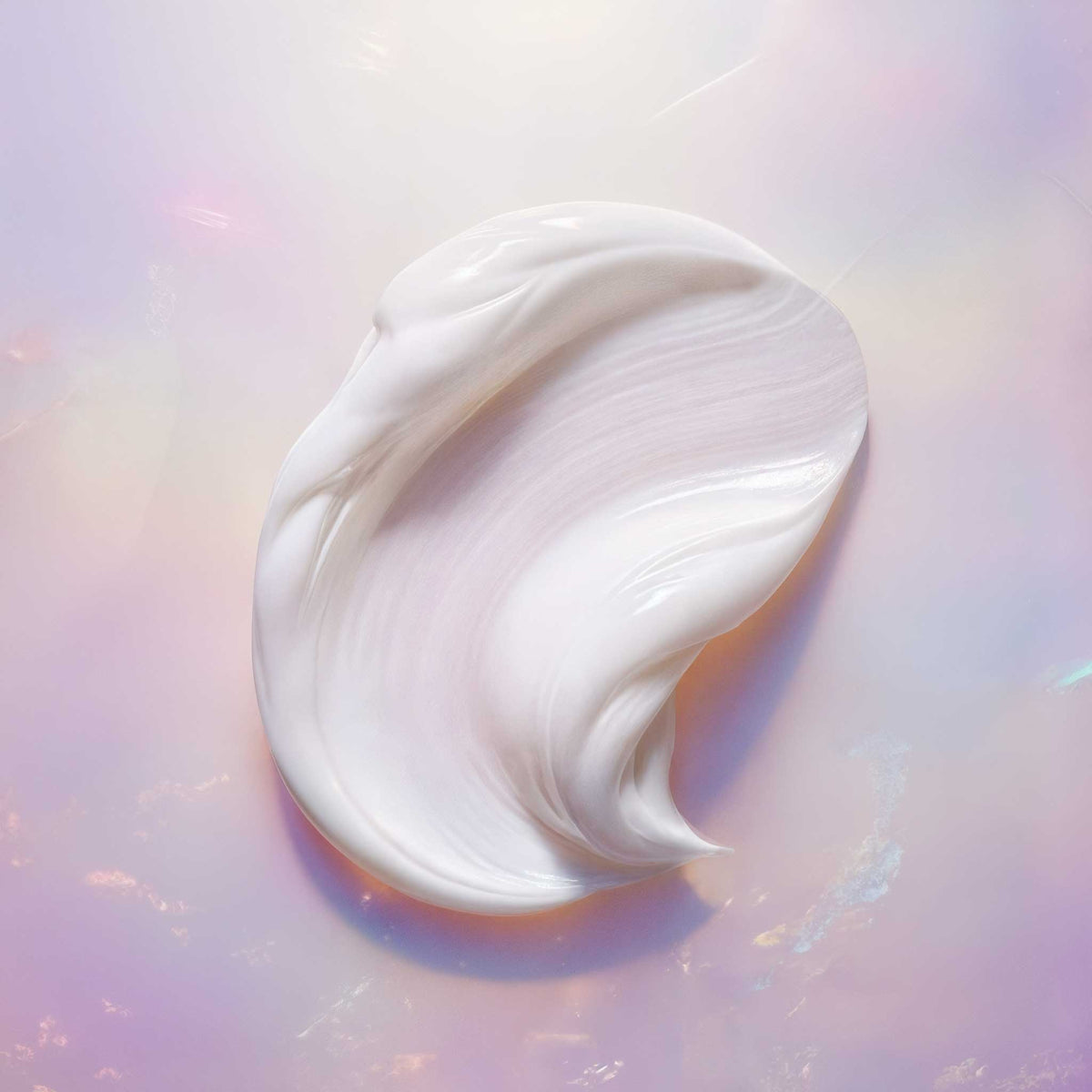
Most body creams make a trade. Rich ones feel good in the hand and then stay on the surface; light ones absorb quickly and leave you reaching for the bottle again an hour later. We wanted a cream that feels like a good fabric, dense, cool and soft, and still disappears into skin. It lifts out of the bottle as a velvety cream, melts in with a slow, even glide, and leaves skin feeling velvety and looking radiant rather than shiny.
The way to get both qualities is to choose a light oil for the base and give every other ingredient a different role, so nothing overlaps and nothing piles up on the surface.
Kalahari melon seed oil at the base
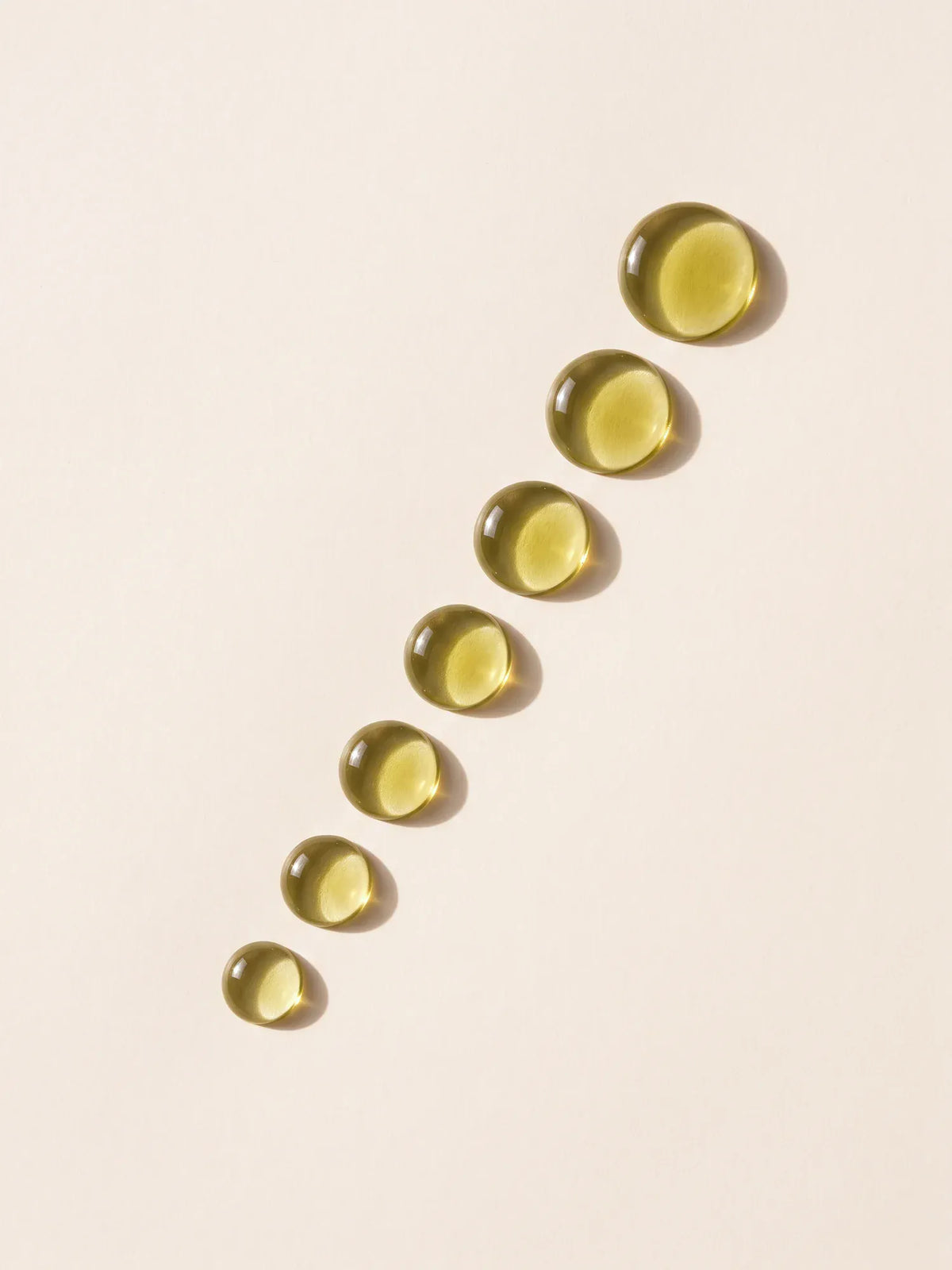
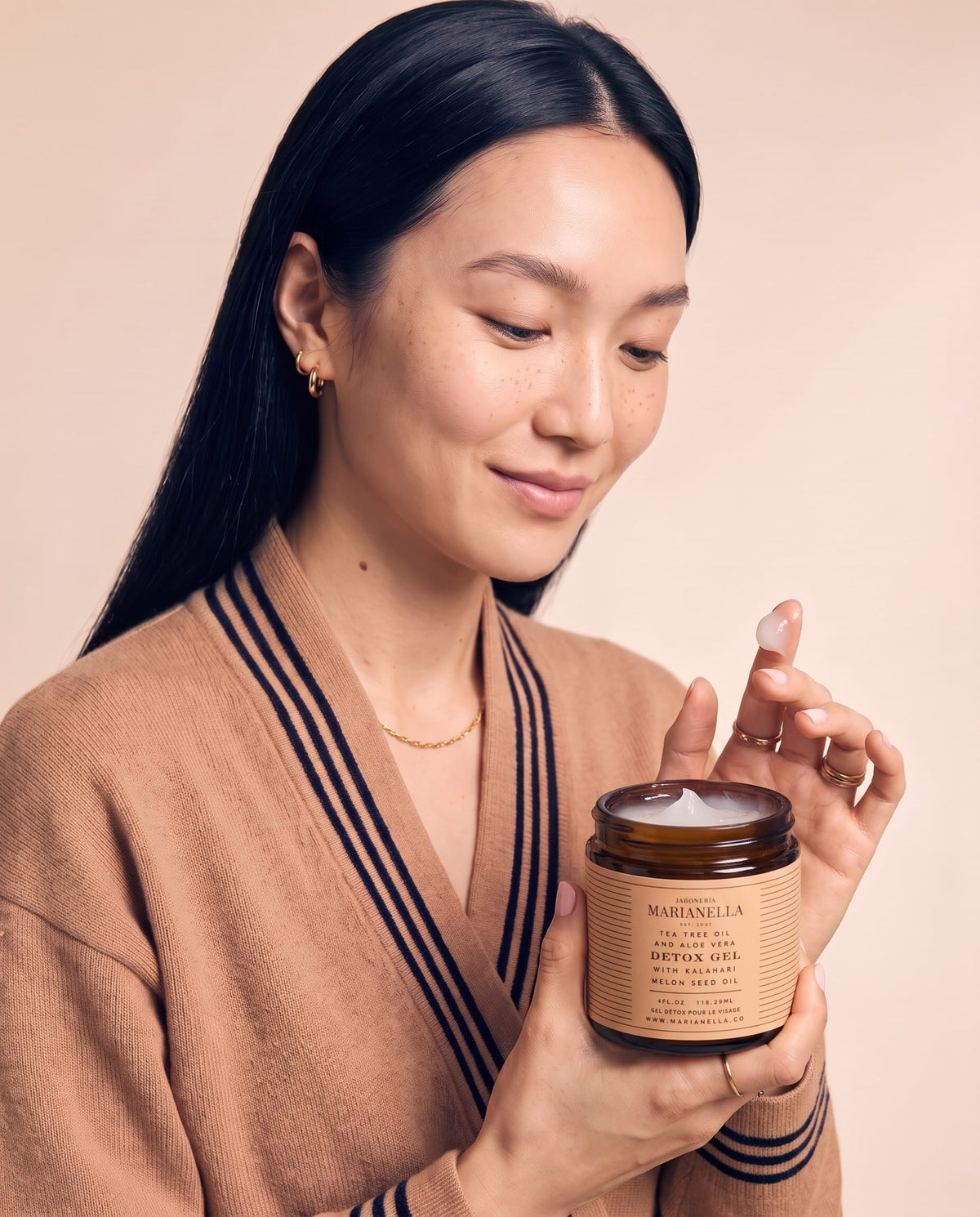
Kalahari melon seed oil is cold-pressed from the seeds of a wild melon that grows in the Kalahari of southern Africa and stores water through the dry season. The oil is clear and golden, light and dry to the touch, and rich in linoleic acid, an omega-6 fatty acid. It absorbs quickly, leaves little residue and helps skin hold moisture.
It is the oil our brand is built on, and it is the reason a cream this rich can still feel light. A heavier base oil would have made a cream you notice on your skin for an hour. This one gives you a minute or two of glide and then a soft, finished feel.
The rest of the formula, and what each part does
Aloe leaf juice and glycerin
These two give the cream its fresh, watery first layer of hydration. Both are humectants: they attract water and help keep it in the upper layers of the skin. That is why the cream feels cool and soft the moment it goes on, and why applying it to skin that is still slightly damp after a shower makes such a difference. There is more water on the surface for them to hold.
Coconut, sunflower, jojoba and avocado oils
These four cushion the surface. Coconut oil softens and conditions. Sunflower oil, like Kalahari melon seed oil, is high in linoleic acid. Jojoba is technically a liquid wax rather than an oil; it spreads easily and absorbs well. Avocado oil is the richest of the four, and it is the one that helps rough patches on elbows, knees and shins feel smoother.
Argan and borage oils
These two add suppleness. Argan oil, balanced in oleic and linoleic acids, leaves skin feeling smooth and soft. Borage seed oil is one of the richest plant sources of gamma-linolenic acid, another omega-6 fatty acid, and it is a good friend to skin that feels persistently dry or tight. Neither works overnight; both are there for skin that is moisturized every day.
Vitamin E
Tocopherol, a form of vitamin E, finishes the blend. It adds antioxidant care and helps keep a formula full of plant oils fresh, which matters in a 16 fl oz bottle that you will use over weeks. Every ingredient here is also listed, with where it comes from and how it feels, in our Ingredient Library.
Why the combination matters more than any one ingredient
No two of these ingredients do quite the same job, and that is deliberate. Aloe and glycerin bring water in. Kalahari melon seed, sunflower and jojoba oils help keep it there. Avocado, argan and borage add cushion and suppleness. Coconut rounds out the texture. A formula in which every oil overlapped would feel heavy and stay on the surface; this one feels finished soon after you put it on.
The layering also explains why a modest amount covers more skin than you expect. The water-based ingredients help the oils spread, so you are not dragging a thick cream across dry skin.
Who it suits
It is for body skin that is not getting enough from an ordinary lotion: skin that feels tight again an hour after moisturizing, skin that runs dry in winter heating or summer air conditioning, and skin that feels rough at the elbows, knees, shins and heels. Mature skin that feels drier than it used to is a good match too, since argan and borage are there for suppleness.
If your skin is sensitive, try a small amount on one area first, as you would with any new cream. If your body skin runs oily, use less, and keep the richer applications for the places that need them.
Four scents, one formula
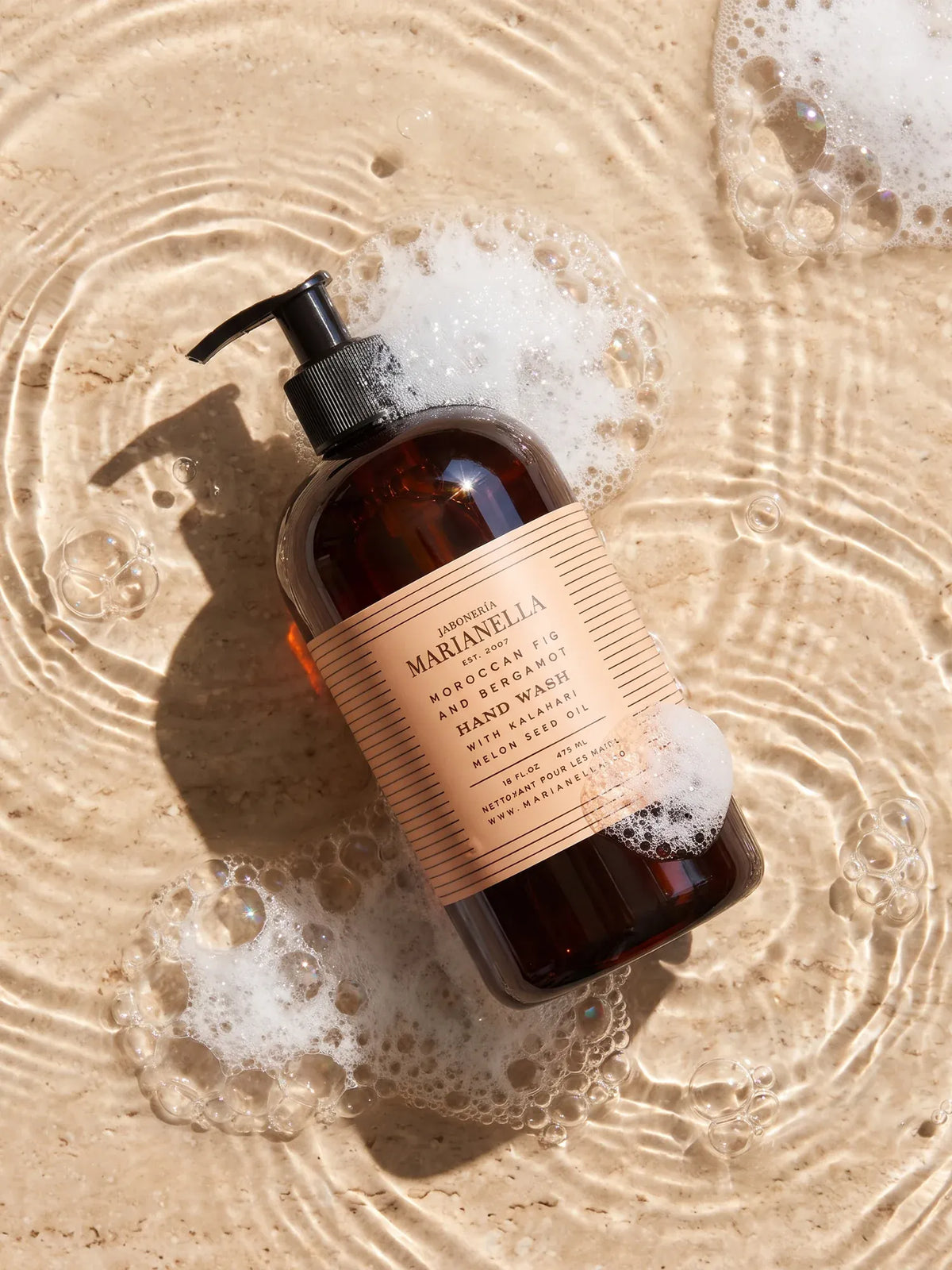
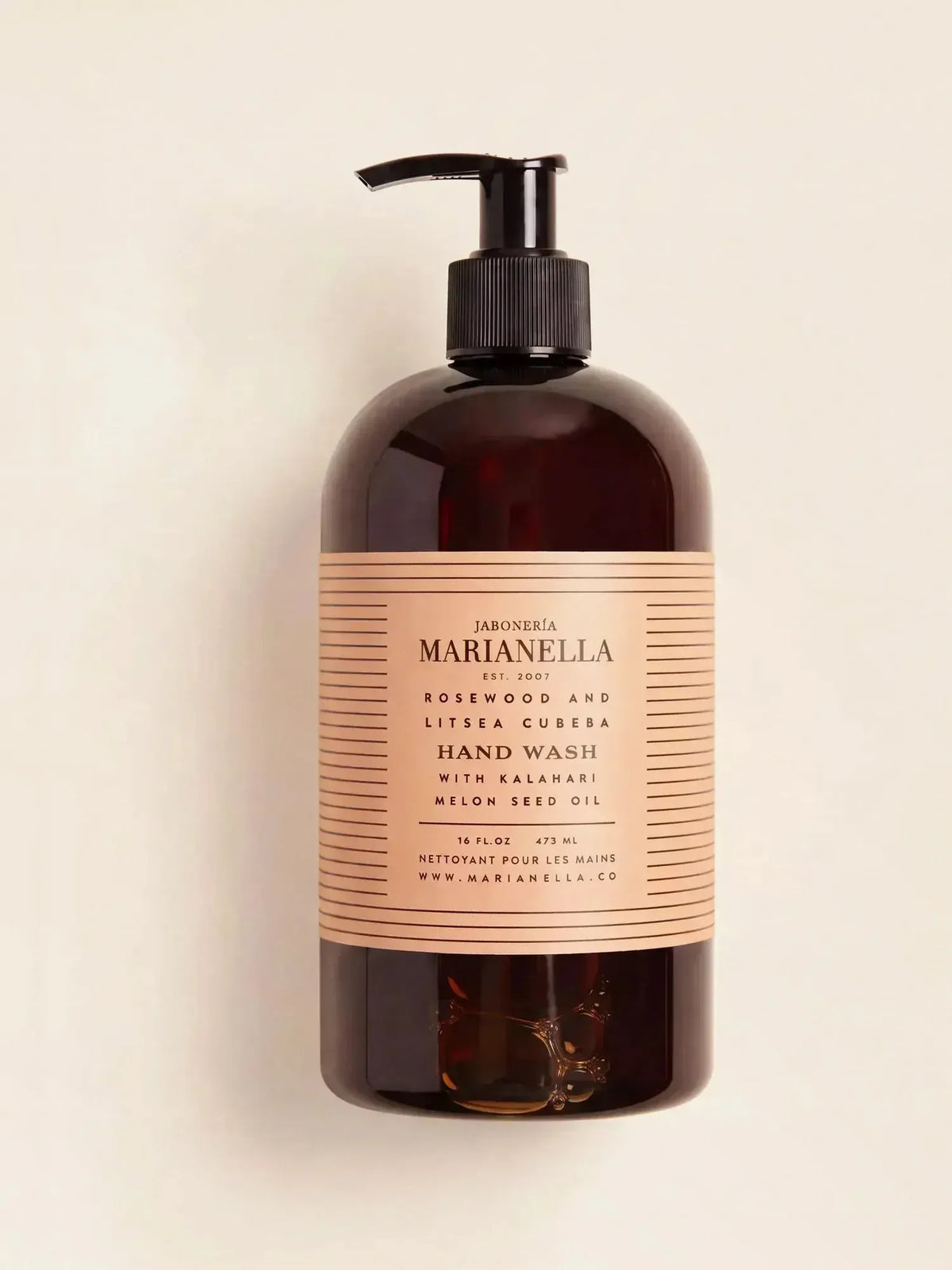
The cream comes in four scents, and the formula is the same in each: Moroccan Fig and Bergamot, crisp, with apple, grapefruit, plum and polished rosewood; Hawaiian Black Lava; Violet and Bergamot; and Rosewood and Litsea Cubeba. The Replenishing Body Wash with Kalahari Oil comes in the same scents, so the two layer rather than compete.
We make the cream by hand in our Williamsburg workshop in batches of 50 to 100, so the bottle that reaches you was made recently. Beyond the 16 fl oz bottle, it comes as a four-pack for stocking up and a 128 fl oz gallon for refilling.
Questions about the body cream formula
Is Rejuvenating Body Cream greasy?
No. It is rich in the hand but sinks in without a greasy residue, thanks to its light Kalahari melon seed oil base. Give it a minute or so before you dress.
What does Kalahari melon seed oil do in a body cream?
It is a light oil rich in linoleic acid that helps skin hold moisture. In this cream it lets a genuinely rich texture absorb cleanly instead of sitting on the surface.
Does the scent I choose change the formula?
No. All four scents share the same base of Kalahari melon seed, jojoba, avocado, argan and the other oils. Only the fragrance changes.
Why is borage oil in a body cream?
Borage seed oil is rich in gamma-linolenic acid, a fatty acid that helps skin feel supple. It is there for skin that feels dry or tight day after day.






















Leave a comment
This site is protected by hCaptcha and the hCaptcha Privacy Policy and Terms of Service apply.