


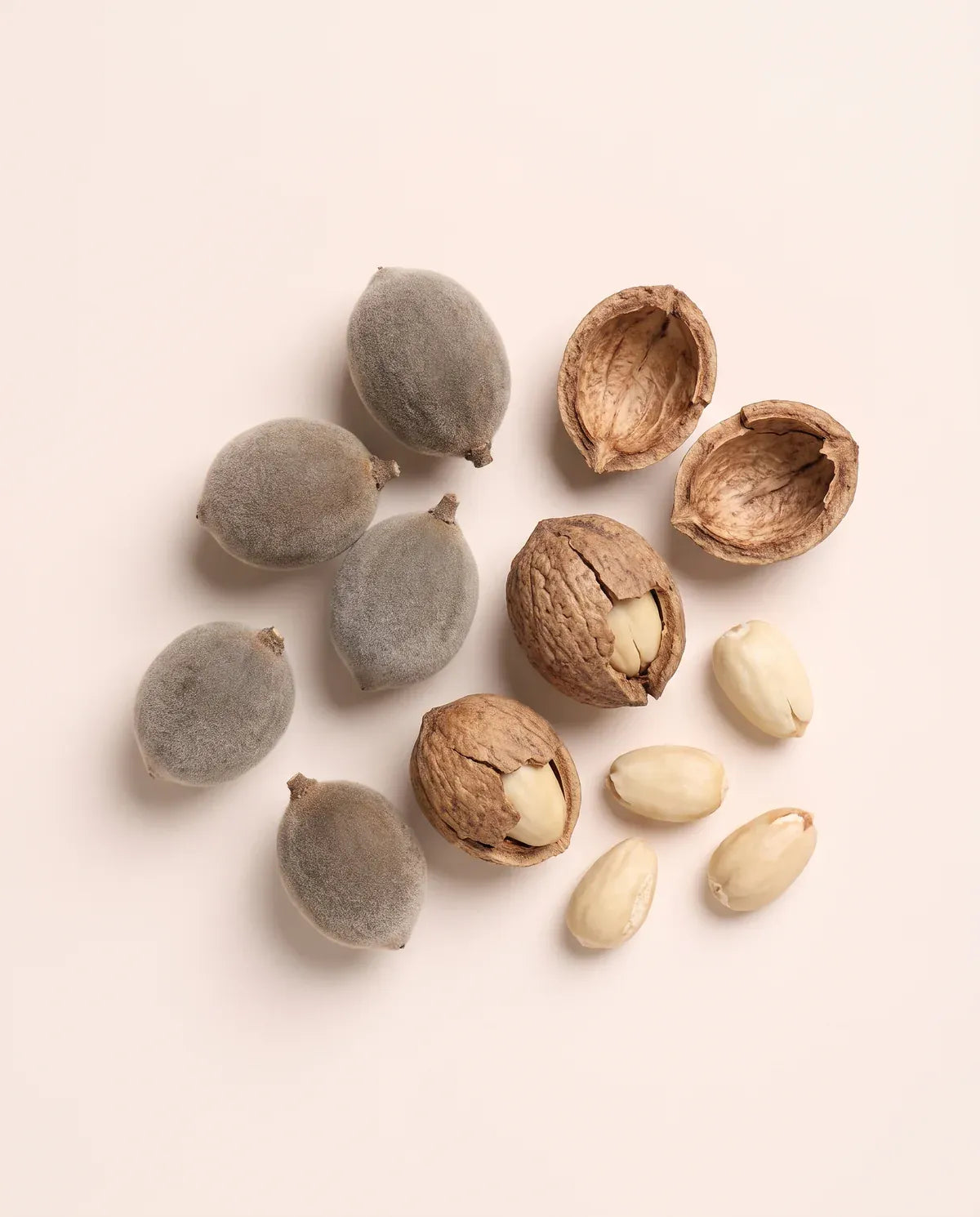
Mongongo oil is a light, silky oil pressed from the kernel of the mongongo nut, and on skin it softens, conditions and helps hold in moisture. Most of its fatty acids are polyunsaturated, led by linoleic acid, an essential fatty acid skin cannot make for itself. It also carries a rare conjugated fatty acid, alpha-eleostearic acid, and a generous dose of vitamin E. Together they make an oil that feels light, leaves a soft film on the surface and keeps fresh.
Where mongongo oil comes from
The mongongo tree, Schinziophyton rautanenii, also called manketti, is a large spreading tree that grows wild across Angola, Botswana, Namibia, South Africa and Zambia, often in the deep sands of the Kalahari. Its egg-shaped fruit holds a thin layer of edible flesh around a hard stone, and inside the stone sits the nut. The kernel is between 41 and 53 percent oil, and pressing it yields a bright yellow oil with a faint nutty smell.
It has fed people for a very long time. The San have eaten mongongo nuts for more than 7,000 years, and the oil has long been used locally for food and for skin and hair. In much of its range the nuts are still gathered from wild trees, often by organized groups of village women who crack the kernels by hand before they are pressed.
On an ingredient list, look for its INCI name: Schinziophyton Rautanenii Kernel Oil.
What is in the oil
Linoleic acid
Linoleic acid, an omega-6 fatty acid, makes up between about 36 and 49 percent of mongongo oil, depending on the source and the press. Skin uses linoleic acid to keep its outer layer intact and to regulate water. Because the body cannot make it, it has to come from food or from what we put on skin.
Alpha-eleostearic acid
This is mongongo's signature. It is a conjugated fatty acid, rare in the plant world, and makes up around a quarter of the oil. It is what sets mongongo apart from better-known African oils such as marula and baobab, which are valued mainly for oleic and linoleic acids.
Oleic acid
About 15 percent of the oil is oleic acid, a monounsaturated fatty acid that adds softness and helps the oil spread.
Vitamin E and plant sterols
Mongongo is rich in vitamin E, mainly as gamma-tocopherol, which acts as an antioxidant and protects the oil itself from going rancid. It also contains beta-sitosterol, a plant sterol that gives oils a comfortable, soothing feel on skin.
What it does on skin
Softens and conditions
Mongongo is 40 to 50 percent polyunsaturated fatty acids. Shea and coconut, by contrast, are largely saturated, and olive, avocado, jojoba and almond oils are mainly monounsaturated. Polyunsaturated oils tend to stay on the surface a little longer, forming a light, emollient layer that slows moisture leaving the skin. On your face, that feels like softness that lasts rather than shine.
Supports a comfortable skin barrier
When skin is short of essential fatty acids, its outer layer holds water less well and feels tight. An oil this high in linoleic acid helps skin hold moisture and feel supple again.
Adds antioxidant care
The vitamin E in mongongo helps defend against the oxidative stress of daily life, from sunlight to city air, and helps the oil stay fresh in the bottle.
Who it suits
- Dry skin. Its linoleic acid and soft surface film help skin that feels tight after washing.
- Sensitive skin. It is generally well tolerated, and its feel is calm rather than heavy.
- Combination skin. It is lighter than butters and most oleic-rich oils, so it rarely feels too rich.
- Anyone with a nut allergy. Mongongo is a nut oil, so patch test first or check with your doctor.
How to use a mongongo oil product
Apply oils that contain mongongo to clean, slightly damp skin, so the oil has water to hold in. Warm the drops between your fingertips first and press rather than rub. On the face, a light oil like this can go on last at night, or under sunscreen in the morning.
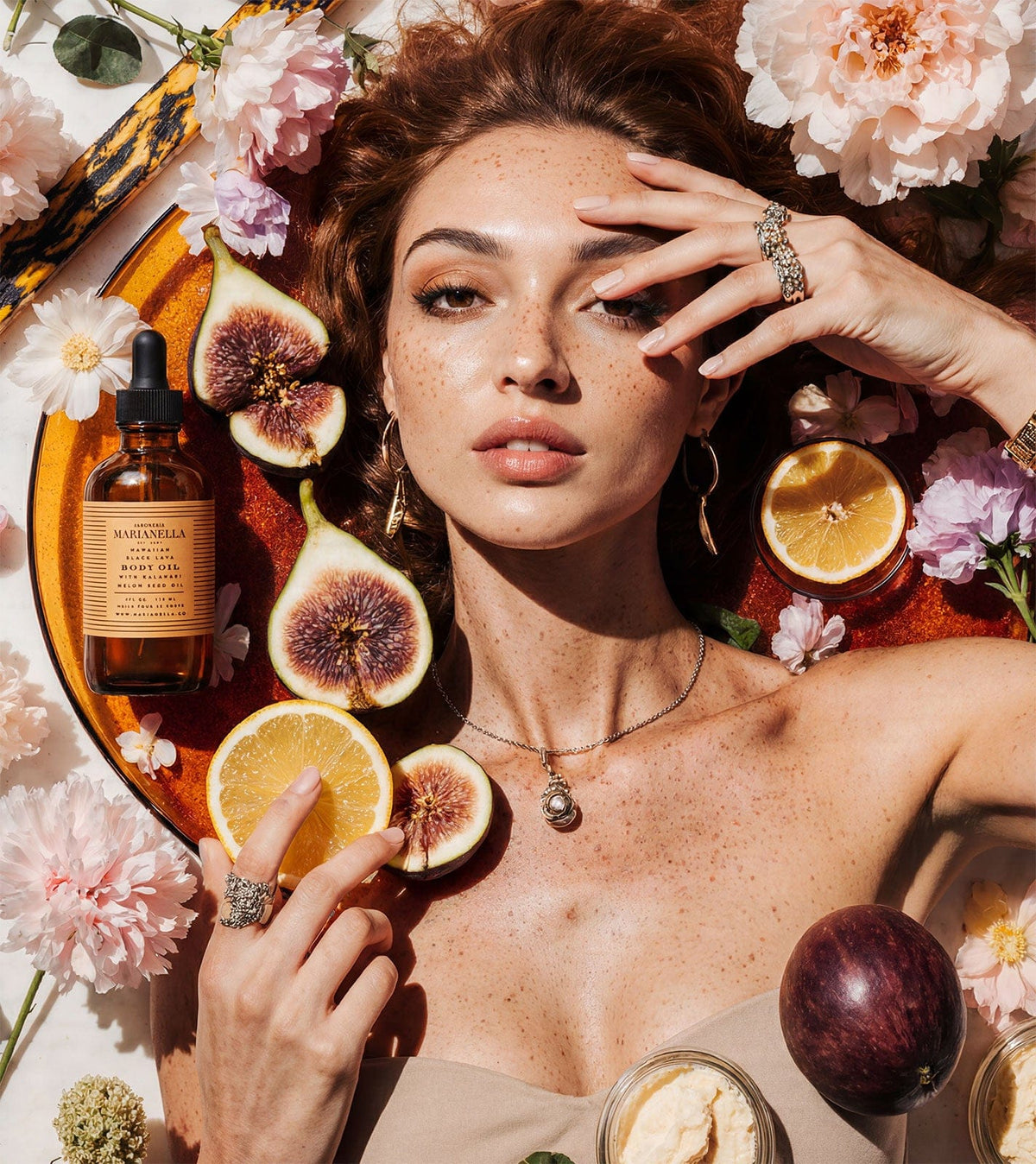
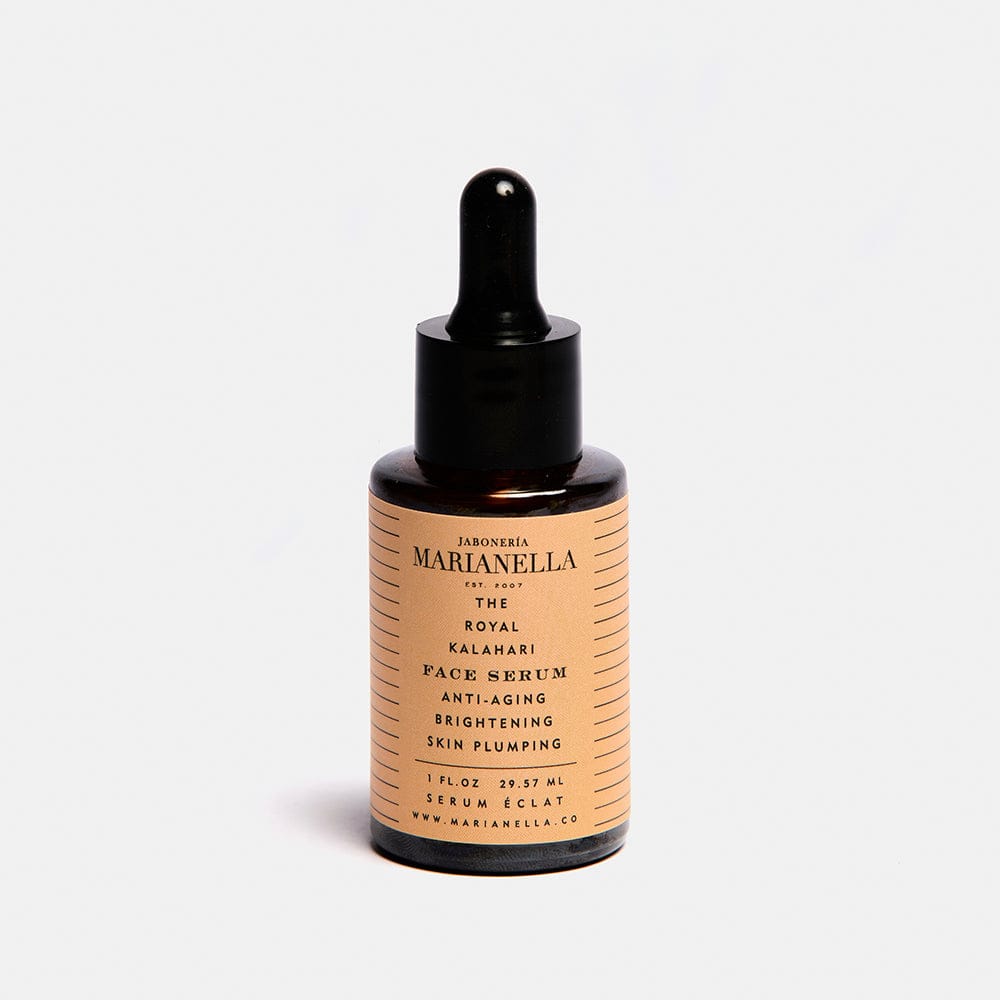
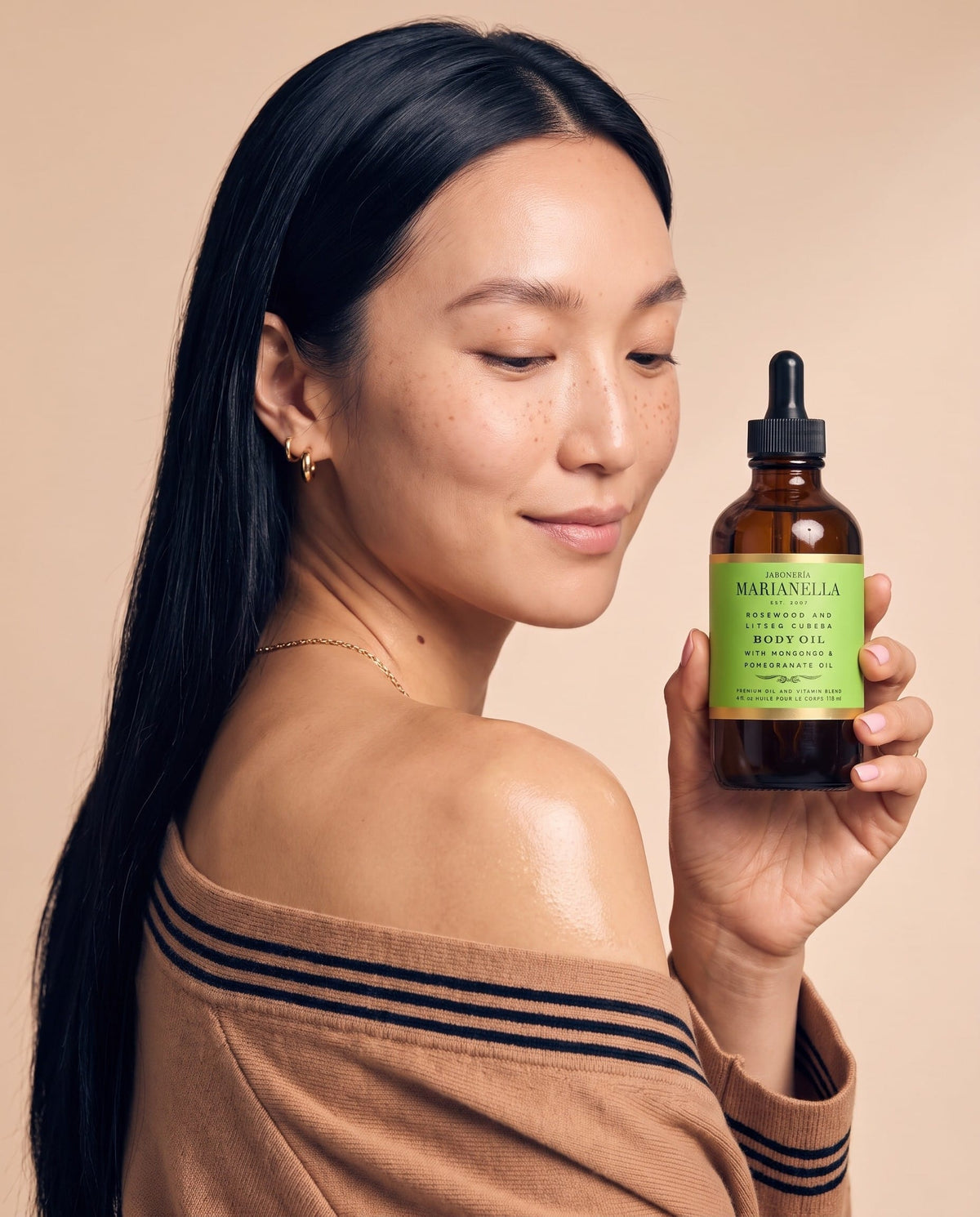
Our Royal Kalahari Face Serum uses mongongo alongside Kalahari melon seed, baobab, camellia, passion fruit seed and tamanu oils. Press four to six drops into face and neck, morning and night. For the body, our Imperial Jade Body Oil pairs mongongo with Kalahari melon seed, marula, grapeseed and argan oils. Our Ingredient Library lists every product that contains it.
Questions about mongongo oil for skin
Is mongongo oil the same as manketti oil?
Yes. Mongongo and manketti are two common names for the same tree, Schinziophyton rautanenii, and the same nut oil.
How does mongongo oil feel on skin?
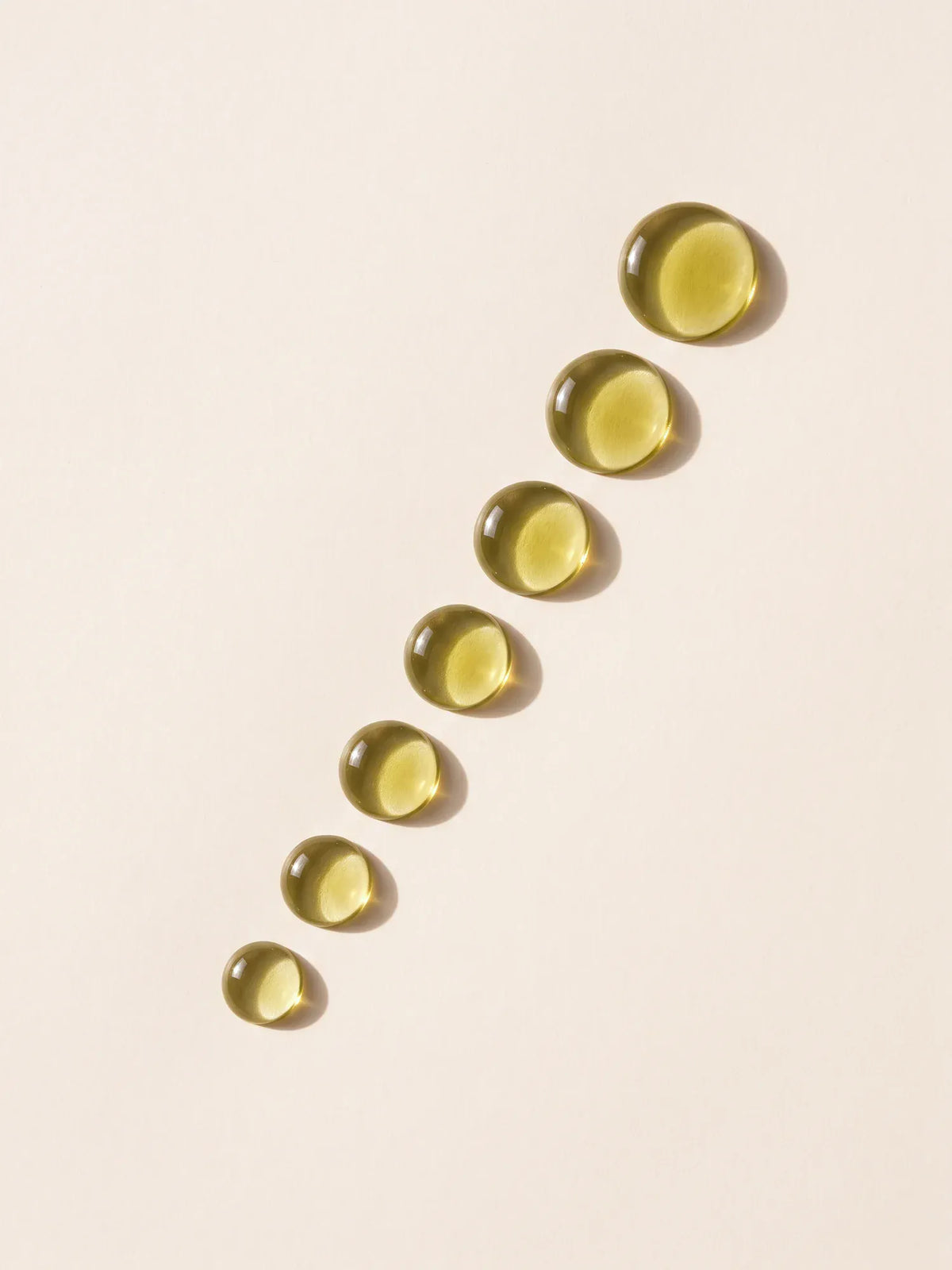
Light to medium and silky. It absorbs fairly quickly and leaves a soft, conditioned finish rather than a greasy one.
Is mongongo oil good for dry skin?
Yes. It is rich in linoleic acid, which helps skin hold water, and its polyunsaturated fats leave a light film that slows moisture loss.
Where does mongongo oil come from?
From the nuts of wild mongongo trees across southern Africa, including the Kalahari. The kernels are cracked out of hard stones and pressed into a bright yellow oil.





















Leave a comment
This site is protected by hCaptcha and the hCaptcha Privacy Policy and Terms of Service apply.