


Research on marula oil says three things with reasonable confidence: it is mostly oleic acid, it is unusually stable for a plant oil, and in a small clinical study on people it did not irritate skin, moisturized very dry skin and slowed water loss from normal skin. Much of the rest of what you read comes from laboratory work on cells and enzymes, which is a different kind of evidence. Here is what the studies actually measured, how to read them, and what they mean for using the oil safely.
What is in the oil
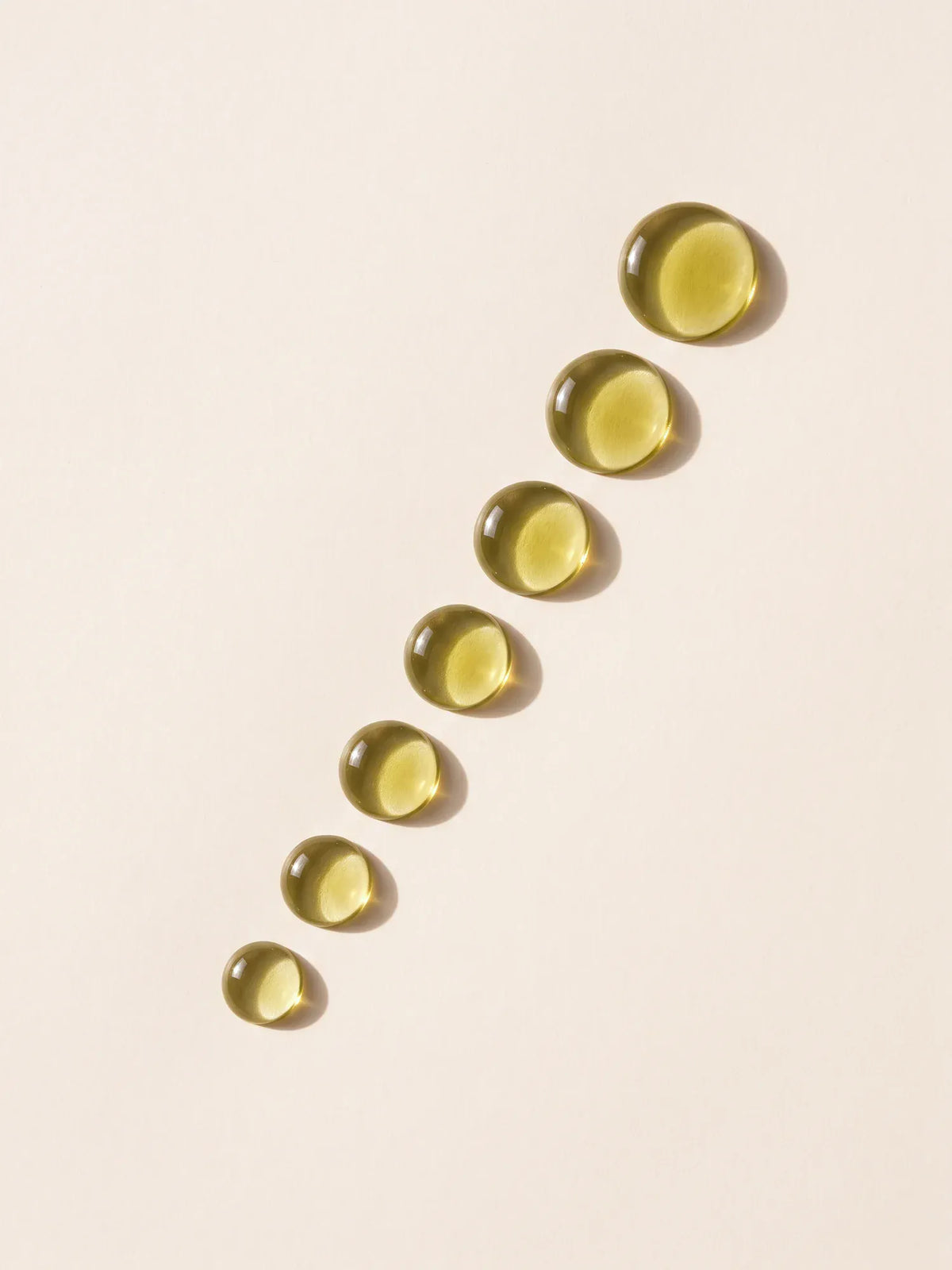
Marula oil is pressed from the kernels inside the stone of the marula fruit, from the Sclerocarya birrea tree of southern Africa. The oil is pale yellow with a faint, nutty smell.
Analyses of its fatty acids are consistent. Roughly 70 percent is oleic acid, the fatty acid that gives an oil its soft, cushiony feel. Around 15 percent is palmitic acid, and under 10 percent is linoleic acid, with small amounts of palmitoleic and stearic acids. The unrefined oil also contains vitamin E (tocopherols), plant sterols and polyphenols such as catechins and procyanidins.
Those percentages explain the feel. An oil this high in oleic acid is softening and comforting. What the numbers do not predict is how quickly marula sinks in, which surprises most people the first time they use it.
What the studies on people measured
The study cited most often is a small clinical evaluation published in 2015. It looked at healthy adult women over several weeks and used instruments rather than impressions: one measured skin color and redness, one measured how much water the skin was losing, and one measured how much water the outer layer of skin was holding.
The findings were plain and cosmetic:
- Marula oil did not irritate the skin of the people tested.
- On very dry skin, it had moisturizing and hydrating effects.
- On normal skin, it formed a film that slowed water loss.
That is a useful result, and it matches what people notice. It is also limited. The group was small, everyone in it was healthy, and the study measured moisture and comfort, not changes in lines or firmness. It supports using marula oil to help skin hold moisture. It does not support much more than that.
What the laboratory studies measured
A second body of research tests marula oil in the lab: on enzymes, on cells in a dish, or on the oil itself. Some of this work explores whether components of the oil affect the enzymes that break down collagen and elastin. Results like these are interesting to researchers, but a result in a dish is not a result on a face, and we do not use them to make claims about our products.
One lab finding does translate directly, because it is about the oil rather than the skin. Marula oil has a fatty acid profile similar to olive oil but is many times more resistant to oxidation. In practice, that means it keeps well and is slow to turn rancid.
How to read marula research yourself
When you see a claim, a few questions sort it quickly:
- Was it tested on people, or in a dish? Cell and enzyme studies are early steps, not proof of a visible result.
- How many people, and for how long? A study of a couple of dozen healthy volunteers over a few weeks is a good start, not a final answer.
- What was measured? Moisture, water loss and redness can be measured with instruments. "Younger-looking skin" usually cannot.
- Is the claim about the oil, the fruit or the tree? Many marula figures, including the vitamin C numbers that get repeated, belong to the fruit rather than the oil pressed from its kernel.
What the research means for safety
The research to date does not point to side effects from using marula oil on skin, and the main human study found it non-irritating. Two sensible precautions still apply.
Patch test. Before using any new oil on your face, apply a drop to a small area, such as the inside of your arm or along your jaw, and wait a day.
Nut and kernel allergies. Marula oil comes from the kernel of a fruit. If you react to nuts or fruit kernels, ask your doctor before using it.
Where it is in our formulas
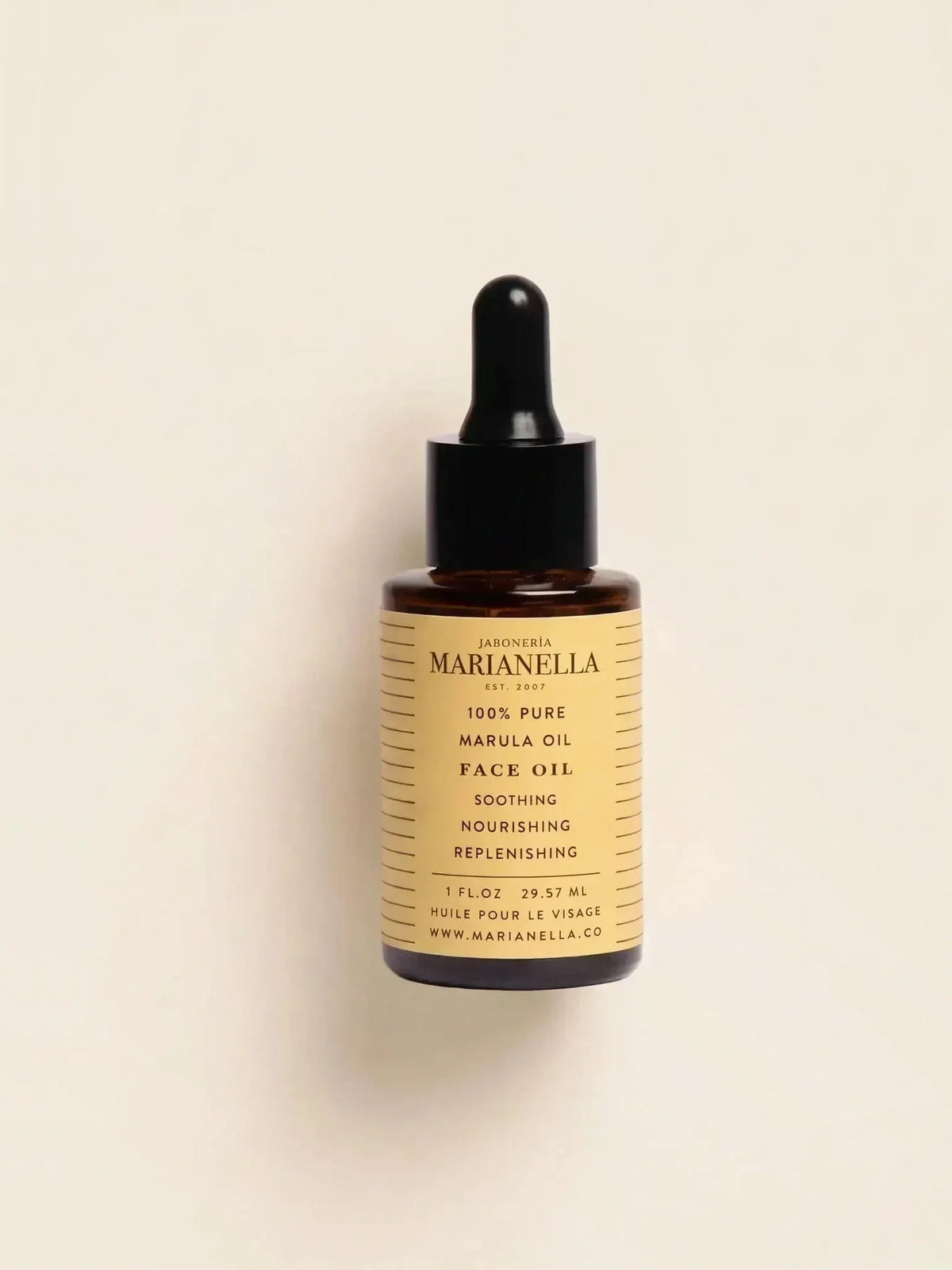
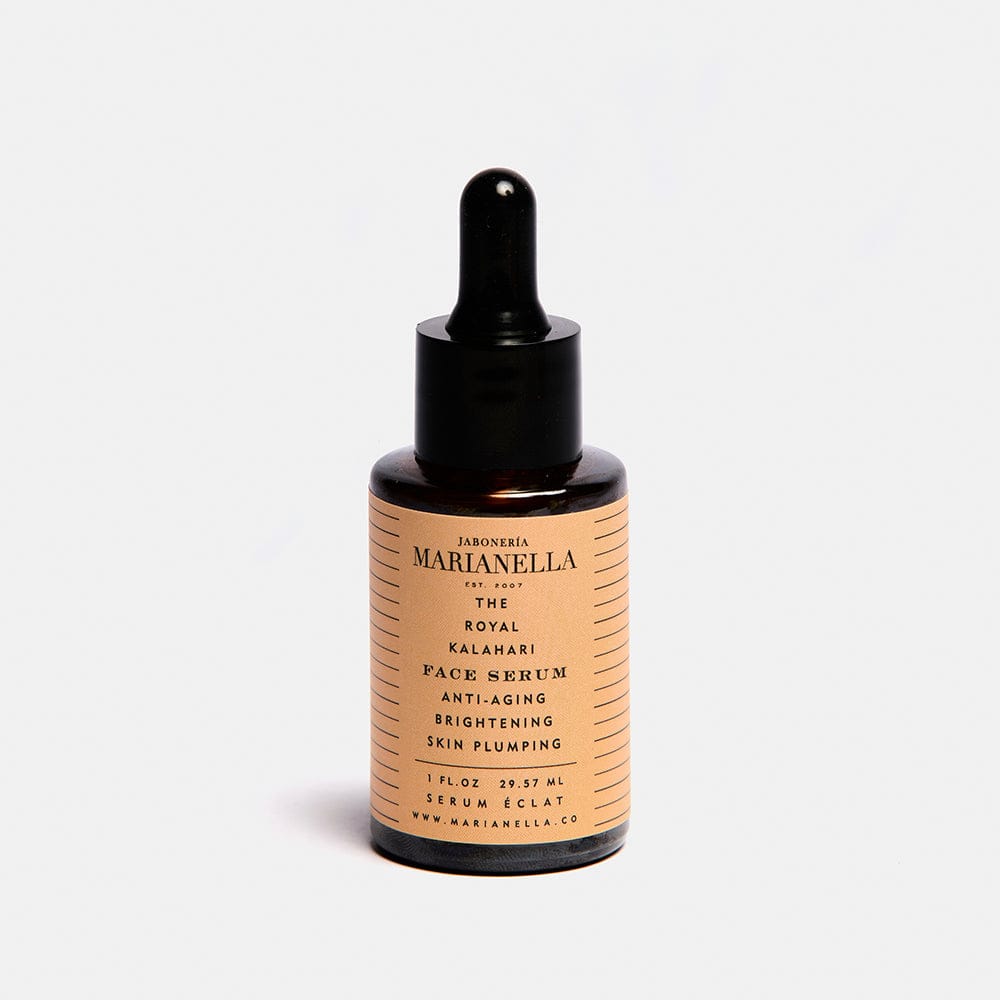
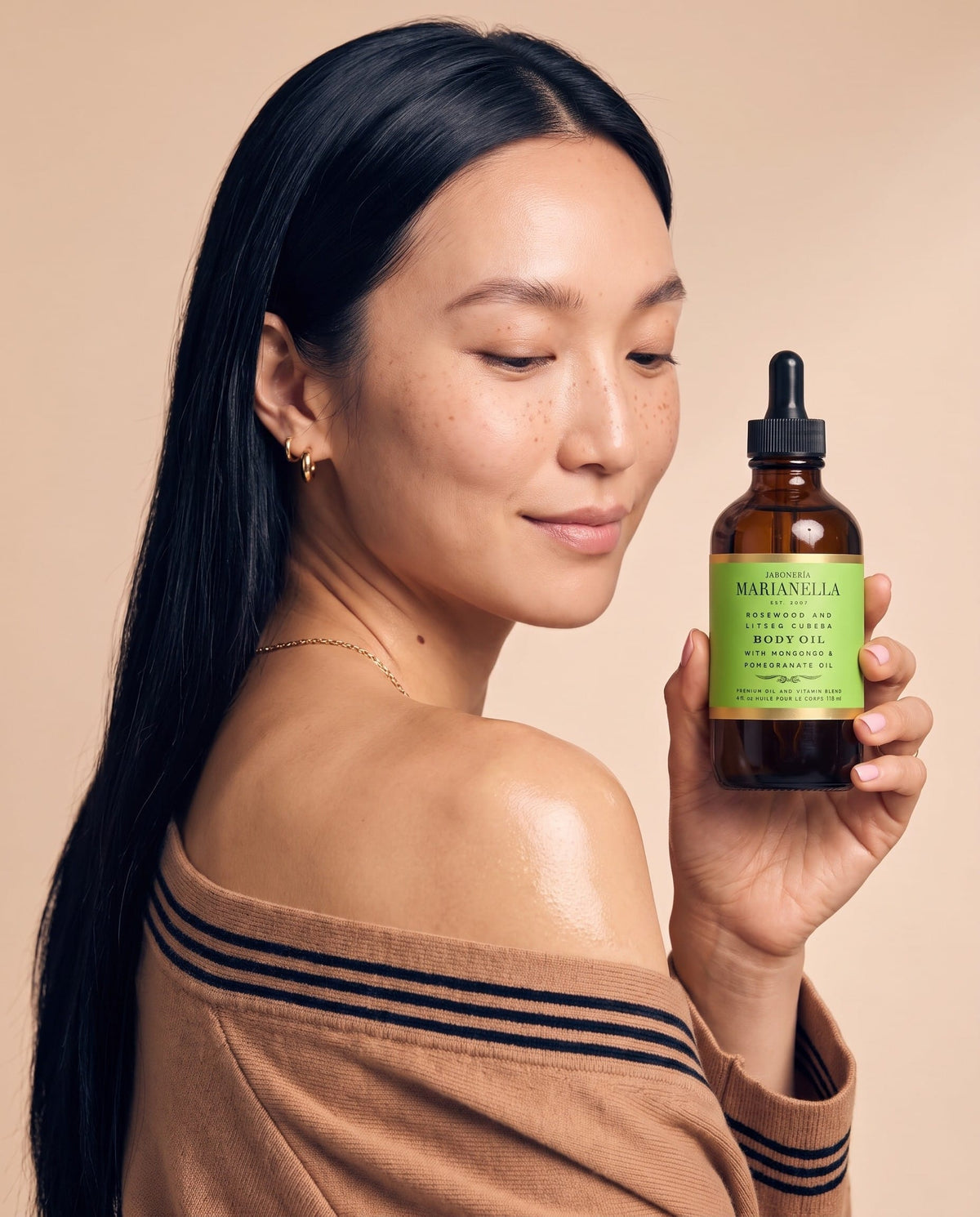
We use marula for the result the research supports best: helping skin hold moisture with a soft, light finish. Our Marula Face Oil is 100% pure marula seed oil with no added fragrance, and it suits dry, dehydrated and mature skin especially well. Marula is also part of our Imperial Jade Body Oil, alongside mongongo, Kalahari melon seed, grapeseed and argan oils. You can see every ingredient we use, and which products contain it, in our Ingredient Library.
Questions about marula oil research
How large was the main marula oil study?
Small: a group of healthy adult women followed for several weeks. It is a useful early study on moisture and comfort, not a large trial.
Is marula oil safe if I have a nut allergy?
Marula oil comes from a fruit kernel, so if you react to nuts or kernels, ask your doctor before using it and patch test first.
How should I patch test a face oil?
Apply a drop to a small area, such as the inside of your arm or along the jaw, and wait a day. If your skin looks red or feels irritated, do not use it.
Does marula oil go rancid quickly?
No. It is many times more resistant to oxidation than olive oil. Keep it capped and away from heat and sun, and it stays fresh.





















Leave a comment
This site is protected by hCaptcha and the hCaptcha Privacy Policy and Terms of Service apply.