

Kukui nut oil skincare benefits have been documented for centuries in Hawaiian culture, and modern dermatology is catching up to what indigenous practitioners have known for generations. Derived from the state tree of Hawaii, the kukui nut tree (also known as the candlenut tree), the oil is expeller pressed from the tree's large nuts. It is lightweight, fast-absorbing, and built around a fatty acid profile that few botanical oils can match. In 2026, it remains one of the most underutilized ingredients in serious skincare, which is precisely why it deserves a closer look.
What Is Kukui Nut Oil?
Kukui Nut Oil, also known by its INCI name Aleurites Moluccana Seed Oil, is a lightweight, non-comedogenic oil derived from the kukui nut tree native to Hawaii, prized for its high content of essential fatty acids and vitamins A, C, and E. For thousands of years, the indigenous people of Hawaii have used this oil in religious ceremonies, paints, varnishes, and even candle-making. Its skincare applications are older than most beauty categories that exist today.
Kukui nut oil was also used for treating burns, cold sores, as a traditional therapeutic massage oil, and for preventing stretch marks during pregnancy. More recently, the oil has been used in cosmetic products because of its unique emollient properties. What makes it stand apart from more mainstream oils is that its chemical behavior at the skin level is genuinely distinctive.
The Science Behind Kukui Nut Oil for Skin
Understanding kukui nut oil for skin starts with its molecular composition. Kukui nut oil's effectiveness comes from its unique fatty acid profile. It contains approximately 40% linoleic acid and 30% alpha-linolenic acid, both essential fatty acids that your skin cannot produce on its own. That combination is rare. Most plant oils are dominant in either oleic acid or linoleic acid, rarely both polyunsaturated forms at this concentration.

Linoleic Acid (Omega-6): The Barrier Architect
Linoleic acid (Omega-6) constitutes around 40% of kukui nut oil. It helps maintain the skin's barrier function, preventing moisture loss and protecting against environmental damage. Research indicates that linoleic acid plays a crucial role in maintaining skin integrity and reducing transepidermal water loss. For skin that feels perpetually dehydrated, tight, or reactive, this is the mechanism that matters.
Alpha-Linolenic Acid (Omega-3): The Calming Agent
Alpha-linolenic acid (Omega-3) comprises approximately 30% of the oil. It has anti-inflammatory properties that can help soothe irritated skin. The fatty acids in kukui nut oil are key to supporting your skin's ceramide production. The oil typically contains 32-42% linoleic acid and 20-30% linolenic acid, which strengthen the lipids in the skin barrier.
How It Behaves on the Skin Surface
What separates kukui nut oil from heavier emollients is the physics of how it interacts with skin. Highly polyunsaturated oils such as kukui nut oil allow transepidermal water loss because water permeability relates to the degree of unsaturation of the fatty acids in the oil. Transepidermal water loss, in turn, triggers healing. This is counterintuitive but important: an oil that allows controlled moisture passage is actually more effective at supporting skin repair than one that simply occludes the surface.
The oil has a unique ability to penetrate deeply into the skin while forming a protective barrier. This dual action is possible due to its molecular structure, which allows for transepidermal water loss while maintaining adequate skin hydration.
Kukui Nut Oil Skincare Benefits, Broken Down
Deep, Non-Greasy Hydration
Its lightweight, non-greasy texture allows for quick absorption, making it suitable for all skin types, including oily and acne-prone skin. The lightweight texture allows it to penetrate the skin easily, making it an excellent emollient for dry or dehydrated skin. When applied, it creates a barrier that locks in moisture, preventing water loss and ensuring the skin remains plump and supple. For body skin especially, this makes it an ideal carrier in both leave-on and rinse-off formulations.
Anti-Inflammatory and Soothing Properties
Kukui nut oil has been shown scientifically to have analgesic (pain-relieving), anti-inflammatory, and wound healing properties, as well as anti-microbial action against the bacteria Staphylococcus aureus and Pseudomonas aeruginosa. The traditional use of kukui nut for sunburn is well-known to Hawaiians, who still use the oil to soothe skin following damage from sun, chemicals, and even radiation. These are not soft wellness claims. They are documented biological activities.
Antioxidant Defense Against Aging
The oil is also rich in vitamins A, C, and E, powerful antioxidants that protect against free radical damage and support collagen production. Kukui nut oil contains vitamins A, C, and E. Vitamin A and its retinoid derivatives have demonstrated clear benefits in photoaged skin, including reduced fine wrinkles, improved skin texture, and decreased pigmentation. The oil's antioxidant properties contribute to its effectiveness in combating oxidative stress, which is linked to skin aging.
Safe for Acne-Prone Skin
Kukui nut oil can help balance oily skin by providing the right amount of moisture without clogging pores. Its low comedogenic rating means it is unlikely to cause breakouts. Because kukui nut oil provides a lot of the same benefits that coconut oil does, it is a lightweight and non-comedogenic alternative to coconut oil. For anyone who has avoided oils out of concern for congestion, kukui nut is a substantive entry point.
Skin Barrier Repair
The essential fatty acids in kukui nut oil support the skin's natural barrier function, helping to lock in moisture and protect against environmental aggressors. This is particularly beneficial for individuals with dry or sensitive skin. What sets kukui nut oil apart is its ability to maintain the natural lipid barrier of the stratum corneum (top layer of skin) while promoting regeneration and renewal.
Support for Sensitive and Compromised Skin
Research hypothesizes that the chemical components of kukui nut oil may benefit certain skin problems such as eczema, psoriasis, and burns, especially chemotherapy and/or radiotherapy burns. Kukui nut oil contains anti-inflammatory properties that can help soothe irritated or inflamed skin. This makes it particularly beneficial for individuals with sensitive skin or conditions like eczema and psoriasis. By reducing redness and irritation, kukui nut oil promotes a more even skin tone and texture.
The Role of Kukui Nut Oil in Body Skincare
Body skin is systematically under-formulated compared to facial skin, despite being the largest surface area on your body. Kukui nut oil addresses that gap cleanly. Kukui nut oil softens, soothes, and protects the skin and hair, leaving both feeling nourished and hydrated. It is especially well suited for parched, dry, itchy, mature, and problem skin types.
For maximum absorption, kukui nut oil should be applied to slightly damp skin right after bathing. The moisture helps seal in hydration and allows the oil to penetrate more deeply. This is exactly why it works so well in body scrub formulations, where it can be delivered to freshly exfoliated, still-moist skin for immediate absorption.
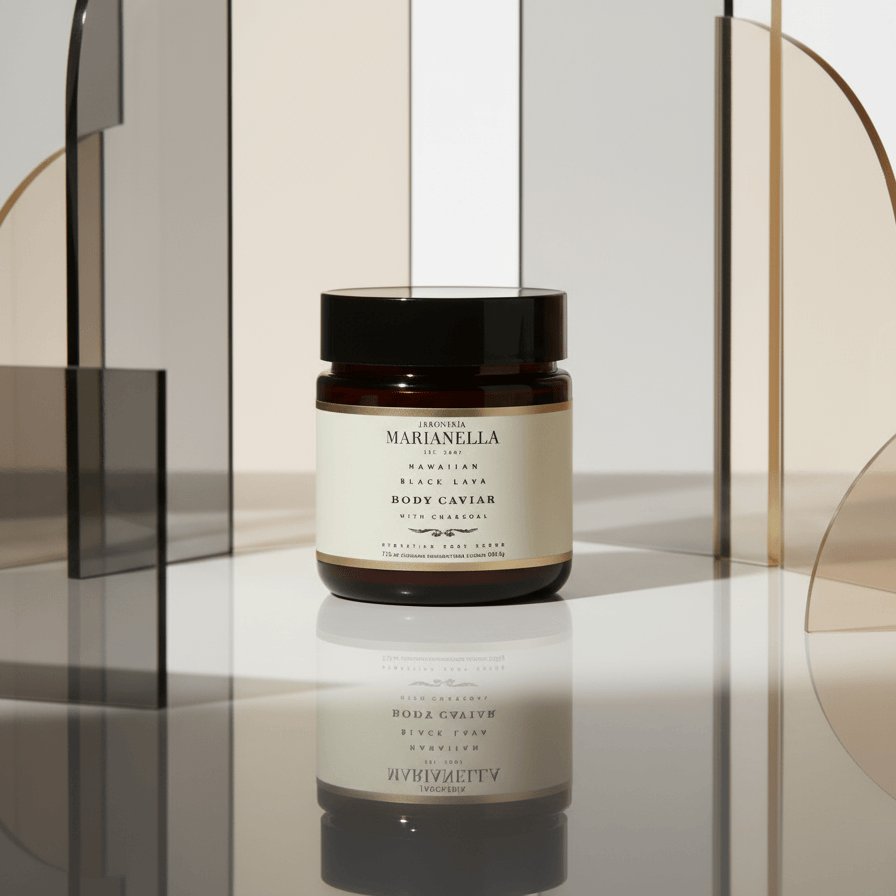
Marianella's Hawaiian Black Lava Body Caviar Body Scrub with Charcoal
Marianella has been handcrafting small-batch skincare in Brooklyn since 2007. Eighteen years of formulation expertise inform every product across the brand's 82-SKU lineup, now available at Bloomingdale's BEAUTYSPACE. The approach is grounded in three generations of Venezuelan botanical beauty knowledge, combined with modern cosmetic chemistry and a refusal to compromise on ingredient quality.
The Hawaiian Black Lava Body Caviar Body Scrub with Charcoal brings kukui nut oil into a full-body exfoliation context. The scrub pairs the oil's deep hydration and barrier-repair activity with activated charcoal for pore purification, creating a formulation that works on multiple skin concerns simultaneously. The result is skin that feels conditioned, not stripped, immediately after rinsing. $29.
As featured in Vogue, Oprah, Forbes, Allure, and WWD, and recognized with a People Magazine Star Beauty Award, Marianella's body formulations carry a standard of press validation that most body care brands do not approach. The Hawaiian Black Lava Body Caviar reflects that commitment: a purposeful ingredient story, not a product built around trend.
How to Use Kukui Nut Oil in Your Skincare Routine
In a Body Scrub
A scrub is one of the most effective delivery formats for kukui nut oil. Exfoliation removes the surface cell buildup that prevents active ingredients from reaching the dermis. Applied directly after, kukui nut oil meets freshly exposed skin with no barrier to absorption. Used two to three times per week, this approach delivers cumulative hydration and barrier support that a standard lotion cannot replicate.
Layering with Other Actives
Kukui nut oil is chemically stable and compatible with most actives. Studies show that the fatty acid profile remains consistent even after extended periods, which means it holds its integrity well in complex formulations. It pairs effectively with charcoal for detox applications, with AHAs for brightening formulations, and with humectants like glycerin for comprehensive hydration layering.
Best Skin Types for Kukui Nut Oil
Kukui nut oil is generally considered safe and well-tolerated for most skin types due to its lightweight, non-comedogenic properties and rich fatty acid content; however, individuals with nut allergies or very sensitive skin may experience irritation or allergic reactions, so a patch test is recommended before widespread use. It performs particularly well on dry, mature, post-sun-exposed, and combination skin types.
Why Kukui Nut Oil Belongs in Your 2026 Skincare Routine
The skincare conversation in 2026 has matured. Consumers are asking better questions: not just whether an ingredient is natural, but whether it has a documented mechanism, a coherent molecular profile, and a place in real formulations. Kukui nut oil answers all three. Historically valued as an emollient, it is currently used primarily in skin-care products by formulators who understand what its fatty acid ratio actually does at the stratum corneum level.
The ingredient is not new. The science explaining why it works is simply more precise than it used to be. Kukui nut oil has high amounts of polyunsaturated fatty acids linoleic and linolenic. Despite differences in time when nuts were collected and evolving production practices, fatty acid profiles were not significantly different, confirming that all kukui nut oils from various locations are highly polyunsaturated. That consistency is a mark of ingredient reliability.
Explore the Hawaiian Black Lava Body Caviar Body Scrub with Charcoal and see how Marianella's 18 years of formulation expertise translates this ingredient into a body care experience that holds its own against anything on the shelf at Bloomingdale's BEAUTYSPACE.
```

Leave a comment
This site is protected by hCaptcha and the hCaptcha Privacy Policy and Terms of Service apply.