

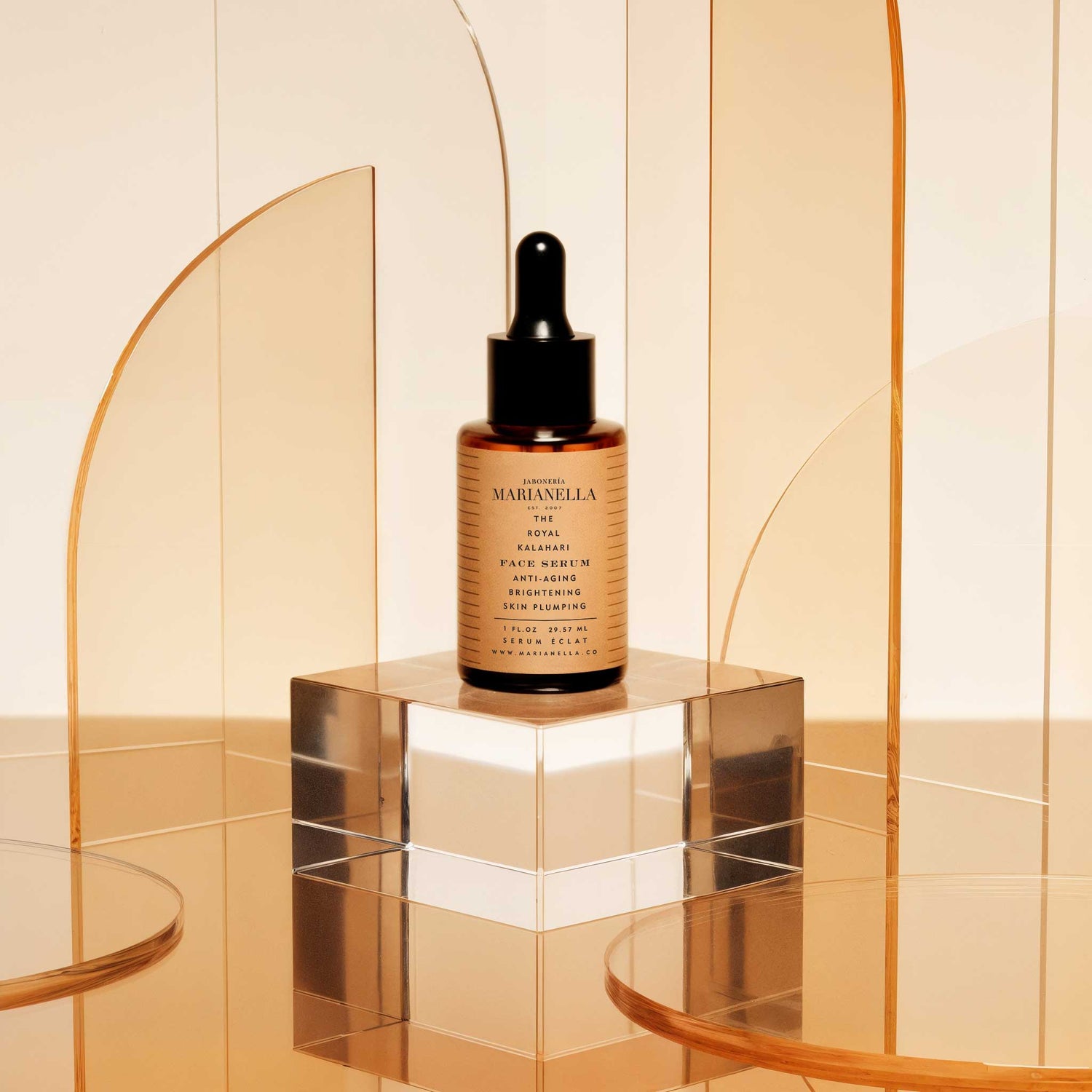
Kalahari melon seed oil skincare benefits are earning serious attention in 2026, and the science behind this desert-born botanical makes clear why. Cold-pressed from the seeds of Citrullus lanatus, a wild melon native to southern Africa, this oil delivers a fatty acid and antioxidant profile that most luxury botanicals cannot match. At Marianella, 18 years of formulation expertise inform exactly how this ingredient is selected, dosed, and paired — and the result is a lineup of products that put its clinical properties to work.
What Is Kalahari Melon Seed Oil?
Kalahari melon seed oil is extracted from the seeds of Citrullus lanatus, a wild ancestor of the modern watermelon, native to the Kalahari Desert in southern Africa. This resilient plant has evolved to thrive in extreme heat and drought, producing seeds exceptionally rich in restorative lipids. The seeds contain up to 50% oil , making cold-pressing both efficient and productive. The resulting oil is liquid at room temperature, naturally light yellow in colour. Traditionally, Kalahari melon seed oil has been used in Southern Africa as a moisturizer to protect the skin from the sun.
For Marianella's founder — a Venezuelan-born formulator drawing on three generations of botanical beauty knowledge — ingredients like this one represent the intersection of ancestral wisdom and modern dermal science. The brand has been handcrafting in Brooklyn since 2007, and every botanical earns its place on evidence, not trend.
The Fatty Acid Chemistry That Sets It Apart
Understanding Kalahari melon seed oil for skin begins with its molecular composition. Most plant oils carry a mixed fatty acid profile. This one is dominated by linoleic acid at a proportion that is rare in the botanical world.

|
$50 |

|
$32 |

|
$29 |
The oil contains up to 70% essential fatty acid as linoleic acid, alongside oleic, palmitic, and stearic acid. It is exceptionally rich in natural Vitamin E — 2,800 mg/kg, both α- and γ-tocopherol — and plant sterols, known for their powerful antioxidant properties.
Four major fatty acids have been quantified using comprehensive GC × GC–MS analysis: linoleic acid (51.4%), oleic acid (36.7%), stearic acid (6.3%) and palmitic acid (5.6%). Additional analyses from Nyam et al. (2009) place the linoleic acid content in a range of 62.2–63.1%, with oleic at 16.8–17.1%, palmitic at 11.4–12.4%, and stearic at 7.5–8.1%.
The oil is naturally high in linoleic acid, an omega-6 polyunsaturated essential fatty acid which is critical for cell biology but cannot be made by the human body, so it must be supplemented through diet or applied topically to the skin. That "topically applied" distinction matters enormously in skincare formulation.
The oil contains twice the amount of essential fatty acids compared to argan and baobab oil, meaning it carries greater antioxidant properties. It also harbors 5 times more vitamin E than argan oil and 10 times more than marula oil.
Kalahari Melon Seed Oil Skincare Benefits, Backed by Research
Skin Barrier Support and Hydration
Once applied, linoleic acid integrates within the skin cell wall structure, where it functions as an essential building block for the production of ceramides, crucial components of the epidermal barrier. The oil contributes to the integrity of the epidermal cell wall, helps regulate epidermal hydration, and supports restructuring of the epidermis.
Clinical research supports these benefits: studies have shown that Citrullus lanatus seed oil reduces transepidermal water loss (TEWL) and increases skin hydration (Komane et al., 2017), while its high linoleic and tocopherol content provides antioxidant defense and barrier support (Nyam et al., 2009).
Linoleic acid helps the skin build up its lipid barrier and stay hydrated. In combination with oleic acid, it prevents transepidermal dehydration, while the antioxidant properties protect the skin from free radical damage.
Non-Comedogenic Profile: A Critical Distinction for Oily and Acne-Prone Skin
The Kalahari melon oil comedogenic rating is 0 to 1 — an extremely low score that means it will rarely clog pores, making it more suitable than jojoba and baobab oil, which both achieved a comedogenic rating of 2.
If you have oily or acne-prone skin, your sebum is likely to be deficient in linoleic acid yet rich in oleic acid, resulting in a thick and greasy consistency that causes acne. The rich linoleic acid content of Kalahari melon seed oil restores this imbalance, replenishing your sebum's natural linoleic acid levels and helping to reduce and control sebum production and clogged pores.
Kalahari melon seed oil was confirmed non-irritant to the skin when topically applied, observed at 24, 48, 72 and 96 hours. That clinical safety profile makes it appropriate for sensitive, reactive, and compromised skin types, not just those managing oiliness.
Antioxidant Defense and Skin Tone
The high content of antioxidants in Kalahari melon seed oil makes it a potent anti-aging ingredient. These antioxidants neutralize harmful free radicals that contribute to premature skin aging. Its skin-brightening properties help to fade hyperpigmentation and promote a more even skin tone.
Kalahari melon oil is notable for containing polyunsaturated fatty acids that are also stable, primarily because of its vitamin E content. The major component is γ-tocopherol (70.56 mg/100 g), followed by α-tocopherol (25.94 mg/100 g). Stability in a high-linoleic oil is not a given. The tocopherol concentration is what keeps this oil active on the shelf and on the skin.
Lightweight Absorption
Kalahari melon seed oil is a very dry and lightweight oil that absorbs quickly into the skin. There is no residual greasiness, no pore congestion. It is suitable for both morning and nighttime use and benefits all skin types.
That texture profile is significant for serum formulation. Heavy oils require emulsification or buffering to feel elegant. This one delivers the nutrient density of a rich botanical at the skin feel of something almost weightless — which is why Marianella's formulation team built it into serums, not just balms.
The Marianella Royal Kalahari Collection
Marianella's 18 years of small-batch formulation in Brooklyn — combined with three generations of Venezuelan botanical beauty tradition — inform how this ingredient is approached. It is not dropped into a formula for marketing purposes. It anchors a dedicated collection designed around its specific dermal properties.
The Royal Kalahari Face Serum
The flagship expression of the ingredient. The Royal Kalahari Face Serum is built for daily use on any skin type, with Kalahari melon seed oil's linoleic acid and tocopherol content working together to reinforce barrier function, regulate sebum, and deliver antioxidant protection over time. The texture absorbs without residue — in keeping with the oil's naturally dry finish. $50.
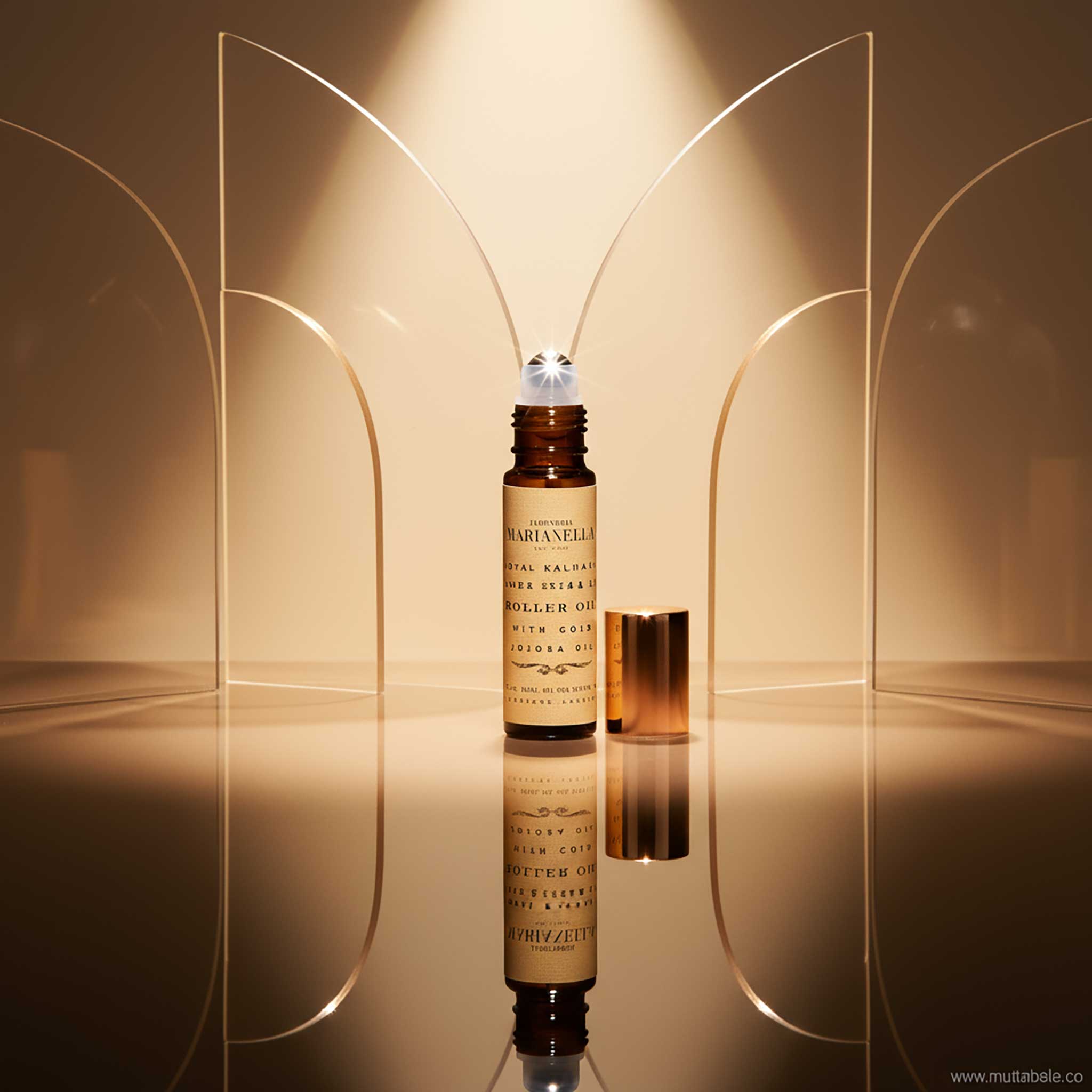
The Royal Kalahari Under Eye and Lip Serum Roller Oil
The under-eye zone is among the thinnest, most permeable skin on the face — and among the most reactive. The Royal Kalahari Under Eye and Lip Serum Roller Oil applies the oil's clinically validated hydration and anti-inflammatory properties to a zone that conventional serums often underserve. The roller format ensures precise, gentle application. $32.
Detox Gel Now with Kalahari Melon Seed Oil
Adding Kalahari melon seed oil to a cleansing formula is not counterintuitive — it is science. Kalahari melon seed oil helps to dissolve excessive oil in the pores and assists in repairing damage to the skin cells, making it a logical addition to a detox-focused gel cleanser. The Detox Gel now with Kalahari Melon Seed Oil incorporates the ingredient to clean without stripping — a formulation approach that respects the skin barrier rather than dismantling it. $29.
How to Use Kalahari Melon Seed Oil for Skin: A Practical Guide
Layering Order
Apply products containing Kalahari melon seed oil after water-based actives and before heavier creams or SPF. The oil's lightweight texture means it will not block the absorption of products applied beneath it, and its occlusive fraction helps seal in hydration from layers underneath.
Frequency
The oil's non-irritant clinical profile — confirmed across 24, 48, 72 and 96-hour topical application assessments — supports twice-daily use. Morning application benefits from the antioxidant defense against environmental stressors. Evening application supports overnight barrier repair.
Skin Type Suitability
The comedogenic rating of 0–1 makes this appropriate for oily and acne-prone skin, not just dry or mature complexions. The linoleic acid content directly addresses the sebum imbalance that drives congestion. Sensitive and reactive skin types benefit from the non-irritant, anti-inflammatory properties. Dry and mature skin benefits from the barrier reinforcement and antioxidant load. This is one of the few botanicals that genuinely suits all skin types without reformulation.
Why This Ingredient in 2026
The conversation around skin barrier health has matured. Consumers in 2026 are not looking for surface-level hydration fixes. They are looking for ingredients with published research, clear mechanisms of action, and formulas from brands with the credibility to back their claims.
Kalahari melon seed oil sits at that intersection. The research on Citrullus lanatus seed oil is peer-reviewed, multi-study, and consistent. The fatty acid and tocopherol data is quantified, not claimed. And Marianella — a People Magazine Star Beauty Award winner, featured in Vogue, Forbes, and Oprah, and now carried at Bloomingdale's BEAUTYSPACE — has the formulation depth to use it correctly.
Across 82 products developed since 2007, the through-line has always been botanical ingredients chosen for performance, not optics. Kalahari melon seed oil earns its place on both counts.
Find the Right Starting Point
If you are new to Kalahari melon seed oil for skin, the Detox Gel ($29) is a low-commitment entry point that incorporates the ingredient into a step you are already taking. For a more concentrated application of its barrier and antioxidant benefits, the Royal Kalahari Face Serum ($50) is where the ingredient does its most direct work. And if the under-eye area is a priority, the Roller Oil ($32) offers precision delivery where standard formulas rarely reach.
All three are handcrafted in small batches in Brooklyn — the same way Marianella has worked since the beginning.
```

Leave a comment
This site is protected by hCaptcha and the hCaptcha Privacy Policy and Terms of Service apply.