



The research on Kalahari melon seed oil supports two things well. First, it helps skin hold moisture: a study on healthy volunteers found that applying it reduced the water lost through the skin and increased moisture, and found it non-irritating. Second, its makeup is well documented: it is rich in linoleic acid and vitamin E. Many of the bigger claims you will read online, about fading dark marks, repairing cells or preventing wrinkles, go further than the evidence.
Kalahari melon seed oil is our hero ingredient, so we have a stake in getting this right. Here is how we read the evidence, sorted into what is well supported, what is reasonable but unproven, and what is overstated.
Well supported: it helps skin hold moisture
The clearest evidence comes from a study published in 2017 (Komane and colleagues) on healthy adult volunteers. Researchers applied Kalahari melon seed oil to the skin and measured two things with instruments rather than impressions: how much water was escaping through the skin, and how much moisture the skin held. After application, water loss went down and moisture went up.
The same study checked the skin over several days for any reaction and found the oil non-irritating. That is a useful finding for anyone with sensitive skin, though as with any plant oil, anyone who reacts to melons or related plants should try a small patch first.
This is a modest, specific result, and we think it is the honest center of the case for the oil. It is a moisturizing oil that skin tolerates well. That matches what we see at the bench: it is light and dry to the touch, absorbs quickly and leaves little residue.
Well supported: what the oil is made of
Several laboratory analyses agree on the broad picture. Linoleic acid is the main fatty acid, followed by oleic acid, with smaller amounts of palmitic and stearic acids. The oil also carries natural vitamin E, as gamma- and alpha-tocopherol, and plant sterols such as beta-sitosterol.
The exact numbers vary more than marketing copy suggests. One detailed analysis measured linoleic acid at just over half of the oil; other sources put it at more than 60 percent, and some industry figures go as high as 70 percent. Growing conditions, harvest and pressing all change the result. We hold any single figure loosely.
Why linoleic acid matters is also well established. Skin cannot make it, and it uses it to build ceramides, the lipids that hold the outer layer of skin together and help keep water in. The vitamin E keeps the oil itself stable, which is useful in a fatty acid profile that would otherwise turn quickly.
Reasonable, but not proven for this oil: oily and blemish-prone skin
There is a long-standing idea, from research going back to the 1980s, that the oil on the surface of blemish-prone skin tends to be lower in linoleic acid and higher in oleic acid. From there, it is often argued that a linoleic-rich oil can help rebalance oily skin.
That is a reasonable reason to try a light, linoleic-rich oil if your skin is oily or blemish-prone, and this one is light enough to feel comfortable there. But we have not seen a study showing that Kalahari melon seed oil itself changes how much oil skin makes, so we do not claim it.
The same goes for comedogenic ratings. You will often see a number quoted for this oil. Those ratings come from old, rough tests, and the results do not translate neatly to a finished product on real skin. We do not quote one. What we can say is that it is a light oil that sinks in and does not leave a film.
Overstated: the big comparisons and the bigger promises
"Five times the vitamin E of argan, ten times marula." This comparison is repeated widely. Kalahari melon seed oil is rich in vitamin E, but we have not seen these oils measured side by side under the same conditions, so we do not lean on the multiple.
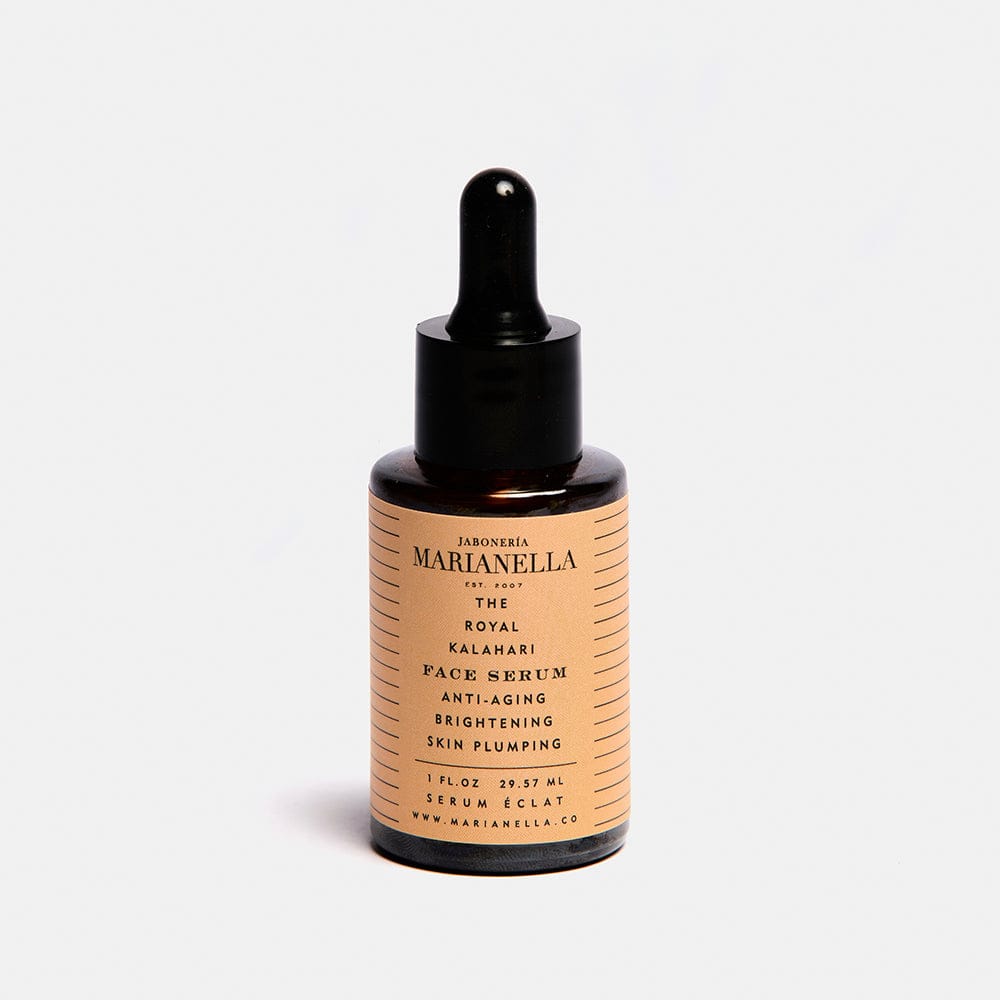
"Fades dark marks and evens skin tone." We have not seen evidence that the oil does this on its own. Where our formulas promise a brighter, more even look, it comes from the whole blend, for example passion fruit seed oil and vitamin C in the Royal Kalahari Face Serum, and from skin that is better moisturized.
"Prevents wrinkles at the cellular level." Vitamin E is an antioxidant, and moisturized skin looks smoother. The leap from there to preventing aging is not supported, and we do not make it.
"Draws impurities out of pores." We have not seen evidence for this either. A light oil can feel clean and comfortable on oily skin, which is a different and smaller claim.
What this means for how we use it
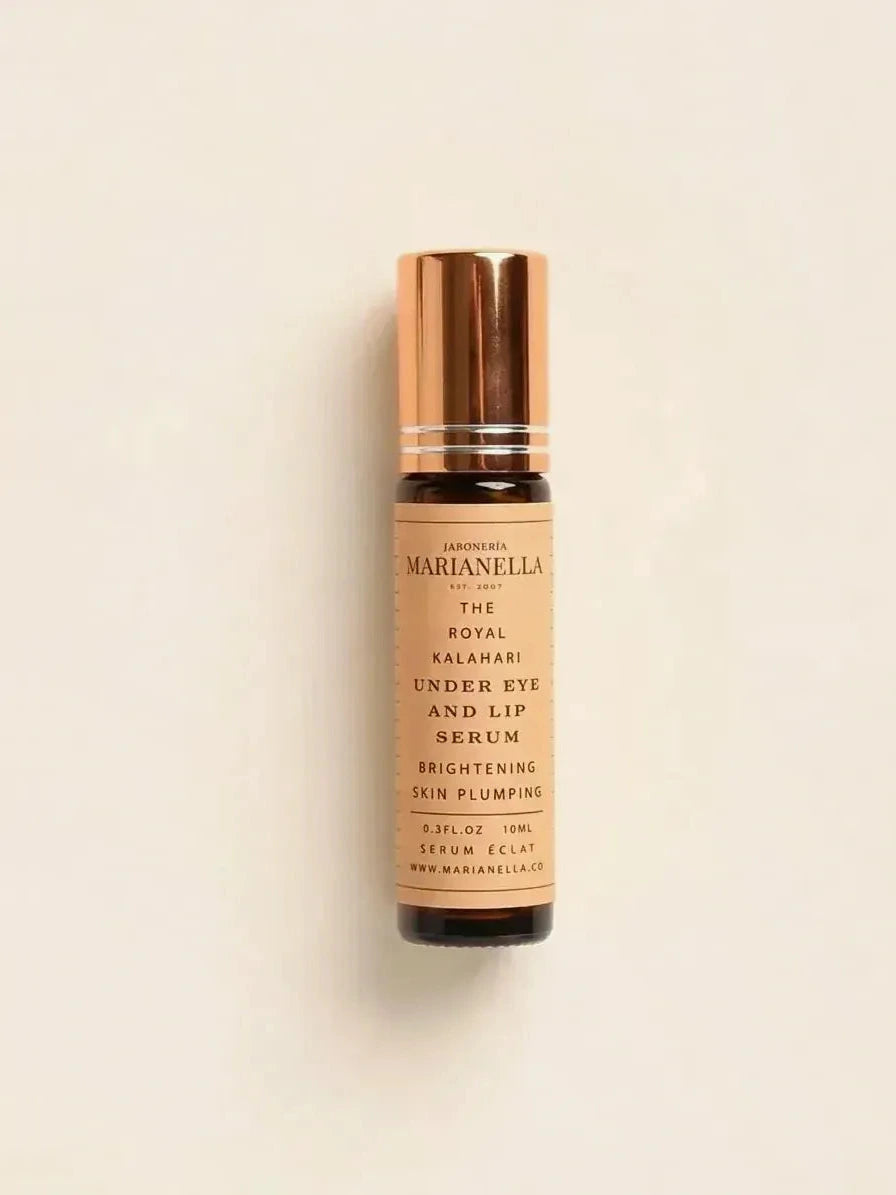
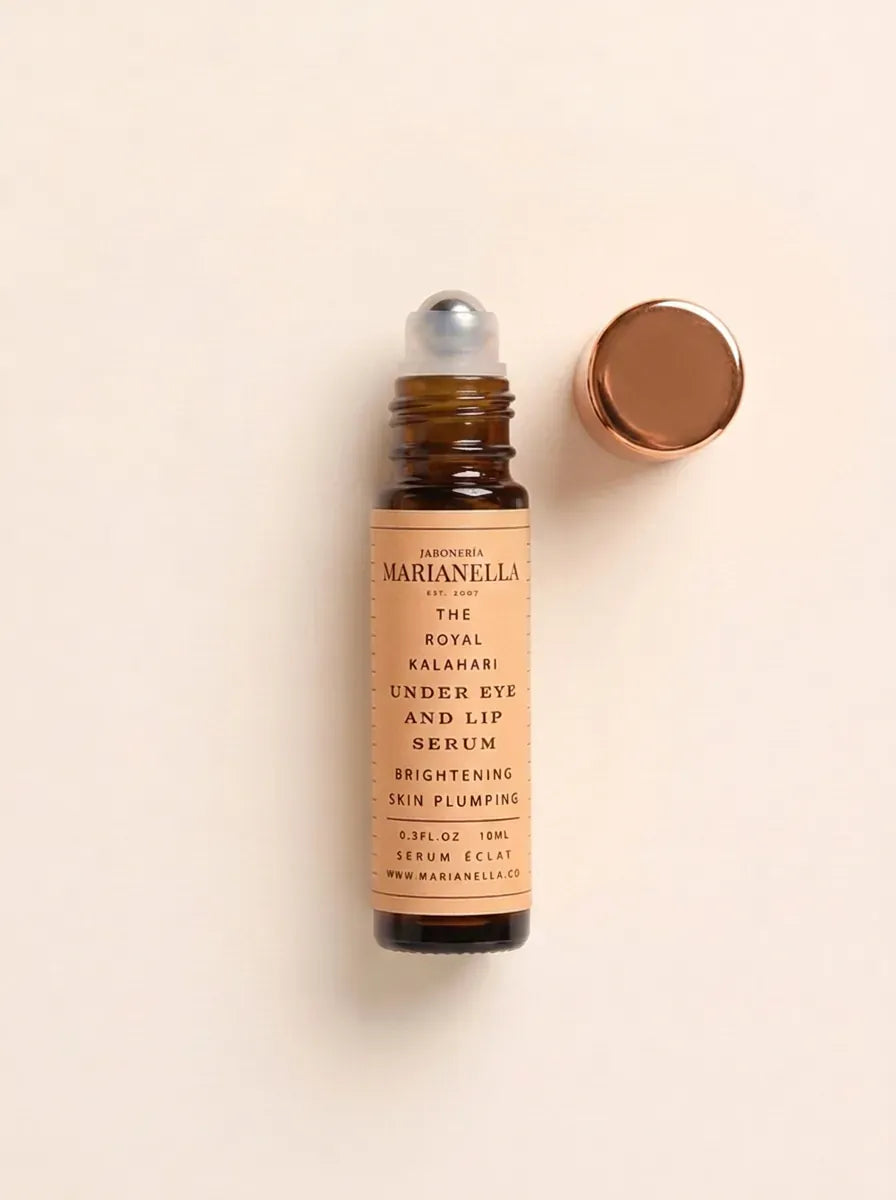
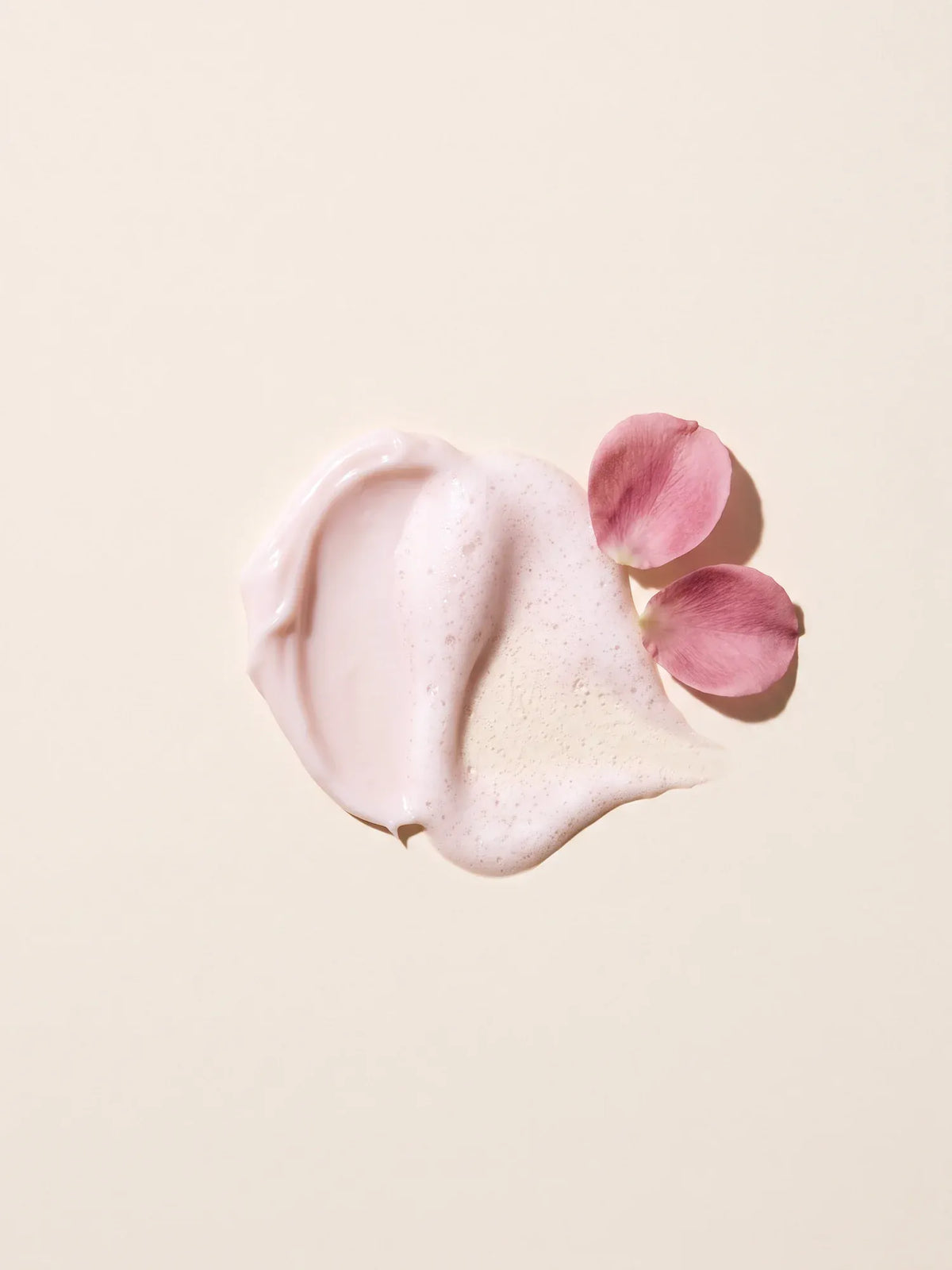
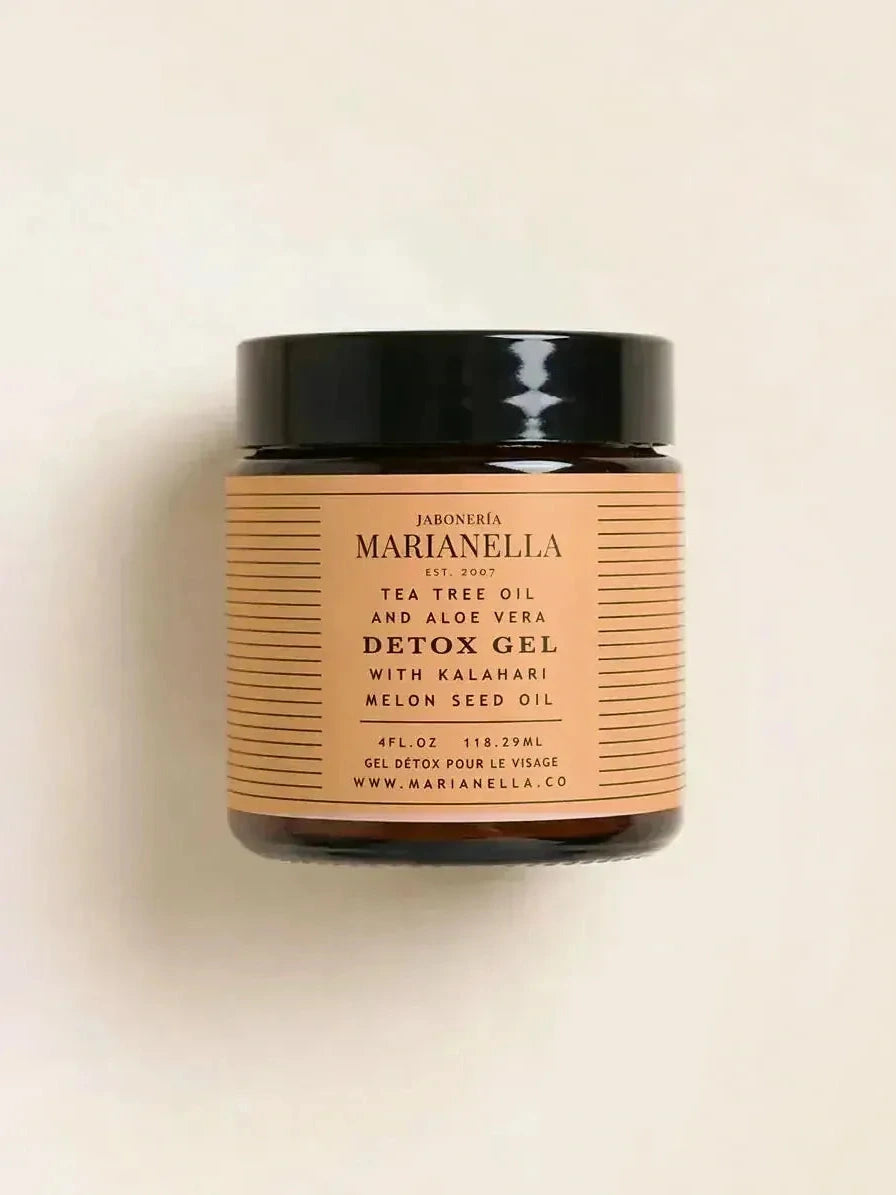
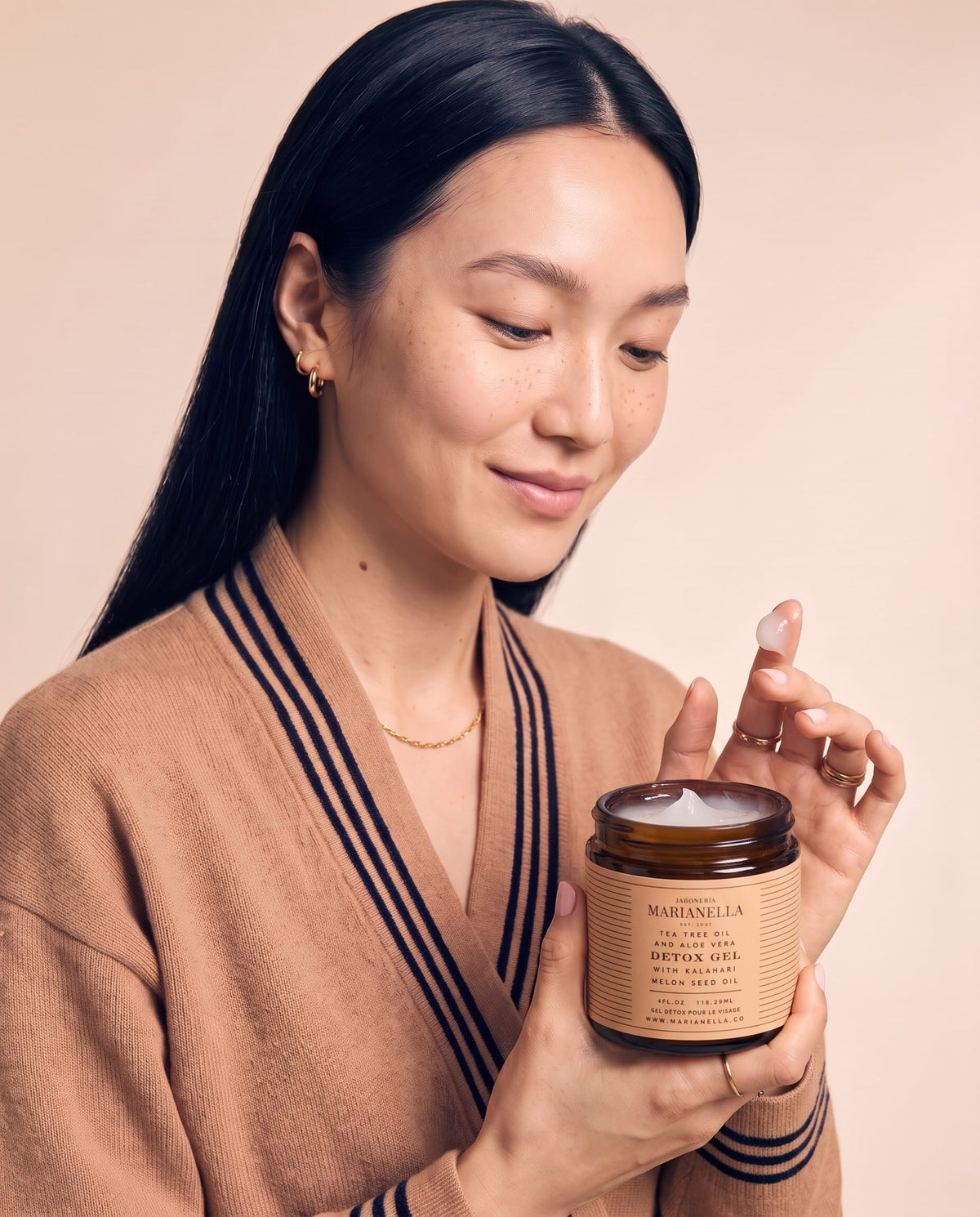
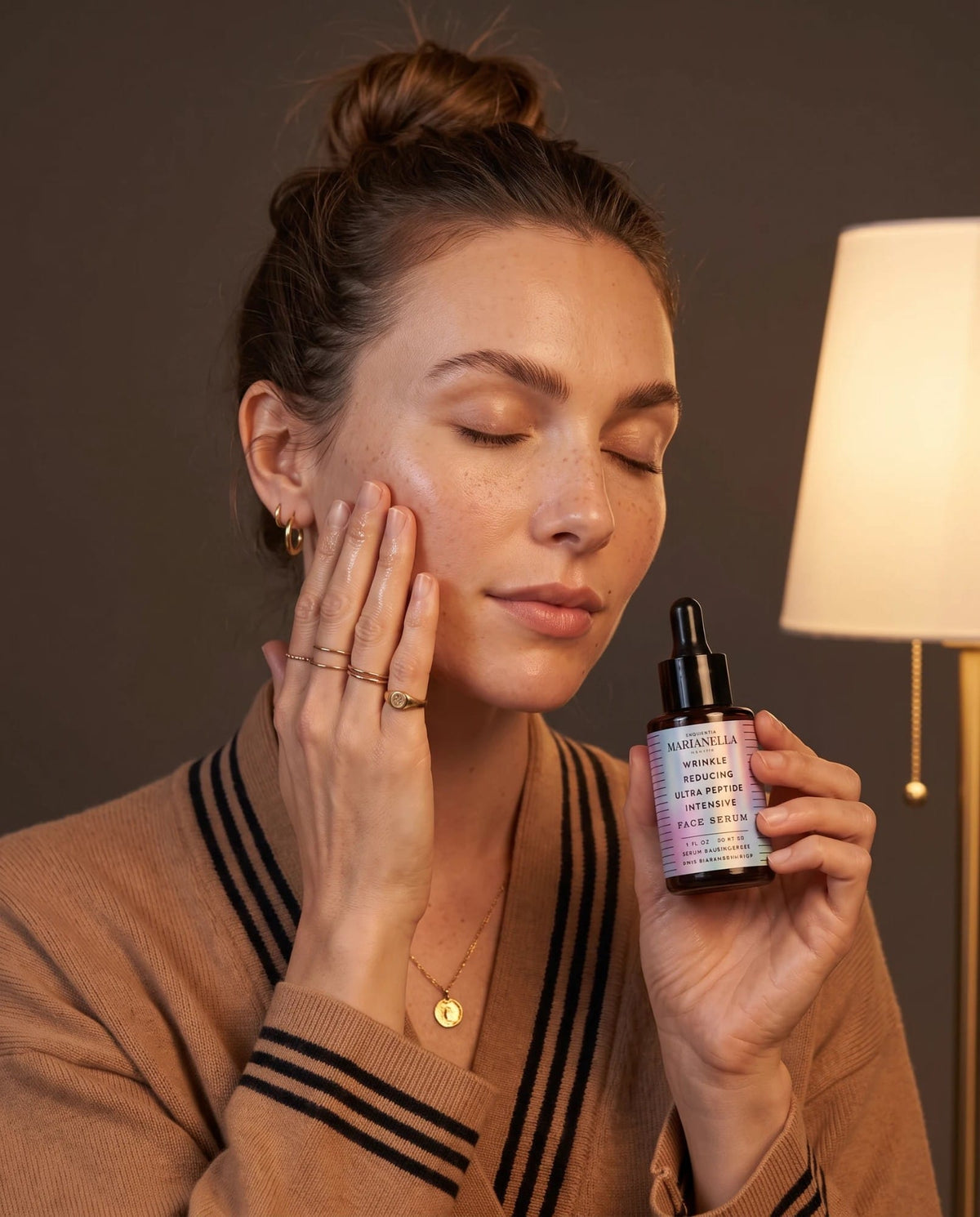
We describe the oil the way the evidence allows: it is light, it absorbs quickly, it helps skin hold moisture, and skin tolerates it well. That is enough reason to build on it. It leads our Royal Kalahari Face Serum, it is in The Royal Kalahari Under Eye and Lip Serum Roller Oil, it is in our Detox Gel, and our Rose Face Wash Cream pairs it with rosehip seed oil and shea butter so that cleansing does not leave skin tight before the oil goes on.
Questions about the research on Kalahari melon seed oil
Is Kalahari melon seed oil good for blemish-prone skin?
It is a light, linoleic-rich oil that sinks in without a film, so it is a reasonable one to try. There is no study showing it changes how much oil skin makes, so we do not promise that.
Does it really have more vitamin E than argan oil?
It is rich in vitamin E, but the often-quoted "five times argan" figure is not based on a side-by-side test we have seen, so we do not repeat it.
Can it irritate sensitive skin?
In the volunteer study it was non-irritating. If you react to melons or related plants, try a small patch first.
Why don't you quote a comedogenic rating?
Those ratings come from rough, older tests and do not reliably predict how a finished formula behaves on real skin. We would rather describe how it feels: light and quick to absorb.





















Leave a comment
This site is protected by hCaptcha and the hCaptcha Privacy Policy and Terms of Service apply.