


Glycerin forms naturally when oils are made into soap, and soapmakers have long known what it does: it leaves skin feeling soft instead of tight. Modern research explains why. Glycerin is a humectant that draws water into the outer layer of skin and helps it stay there, which is why it belongs in cleansers as much as in creams. This article looks at glycerin from the soapmaker's side, and at what the science has added.
Where glycerin comes from
Plant oils and butters are made mostly of triglycerides: three fatty acids attached to a backbone of glycerol. When a soapmaker combines oils with lye, the fatty acids become soap and the glycerol backbone is released as glycerin. Every batch of true soap makes both at once.
Glycerin can also be produced on its own from vegetable oils, which is where most of the glycerin in creams and serums comes from. Our Ingredient Library describes it as plant-derived, a clear, sweet liquid from vegetable oils or formed naturally in soapmaking. Chemically, glycerin from either route is the same molecule. Claims that one kind of glycerin is far purer than another usually say more about marketing than about chemistry.
What the soap kettle teaches
Anyone who has made soap by hand learns quickly that the glycerin matters. Soap that keeps its glycerin feels milder and leaves skin comfortable. Large-scale soap production often separates the glycerin out and sells it on, which is one reason some bars leave skin feeling stripped and squeaky.
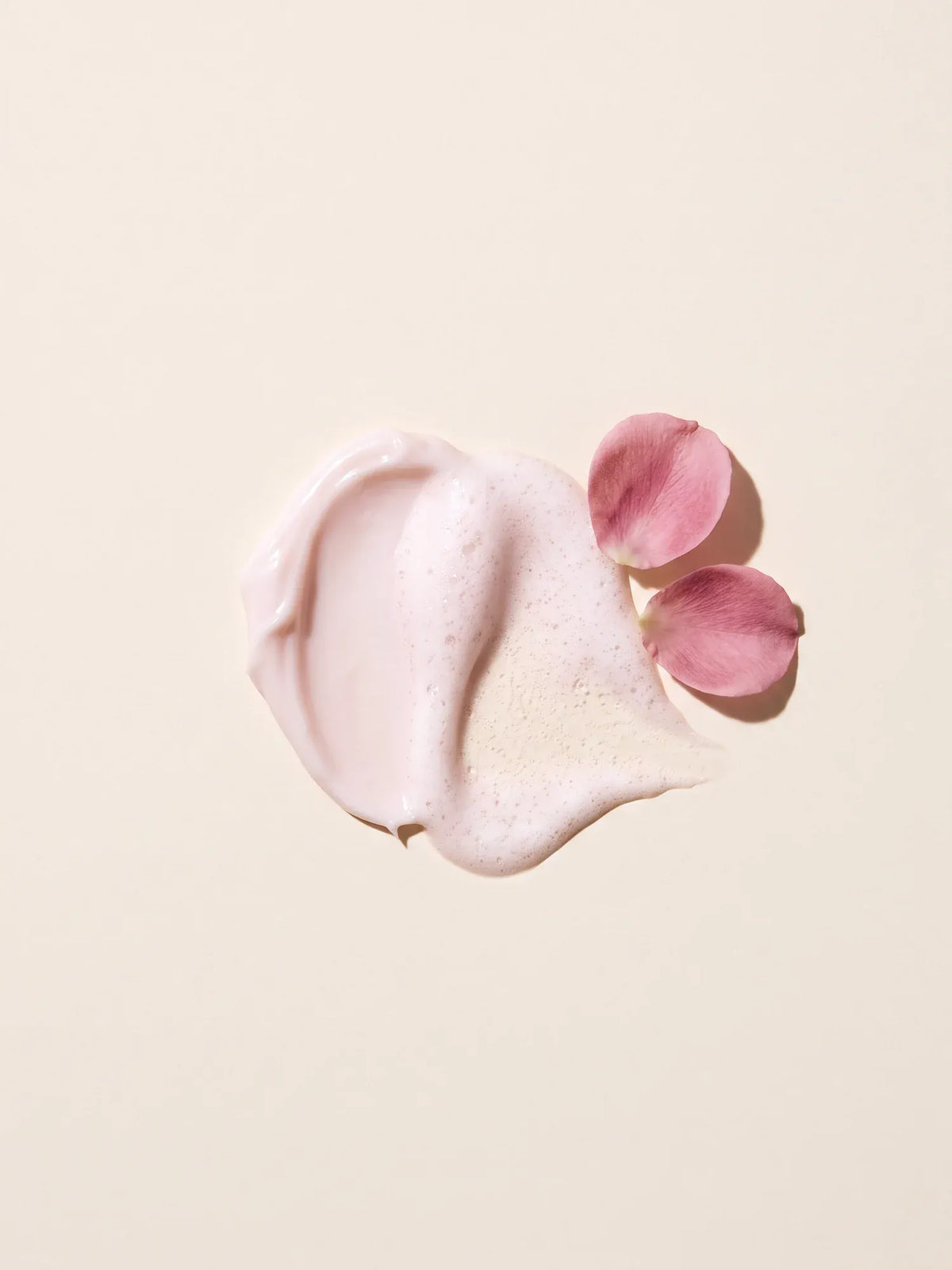
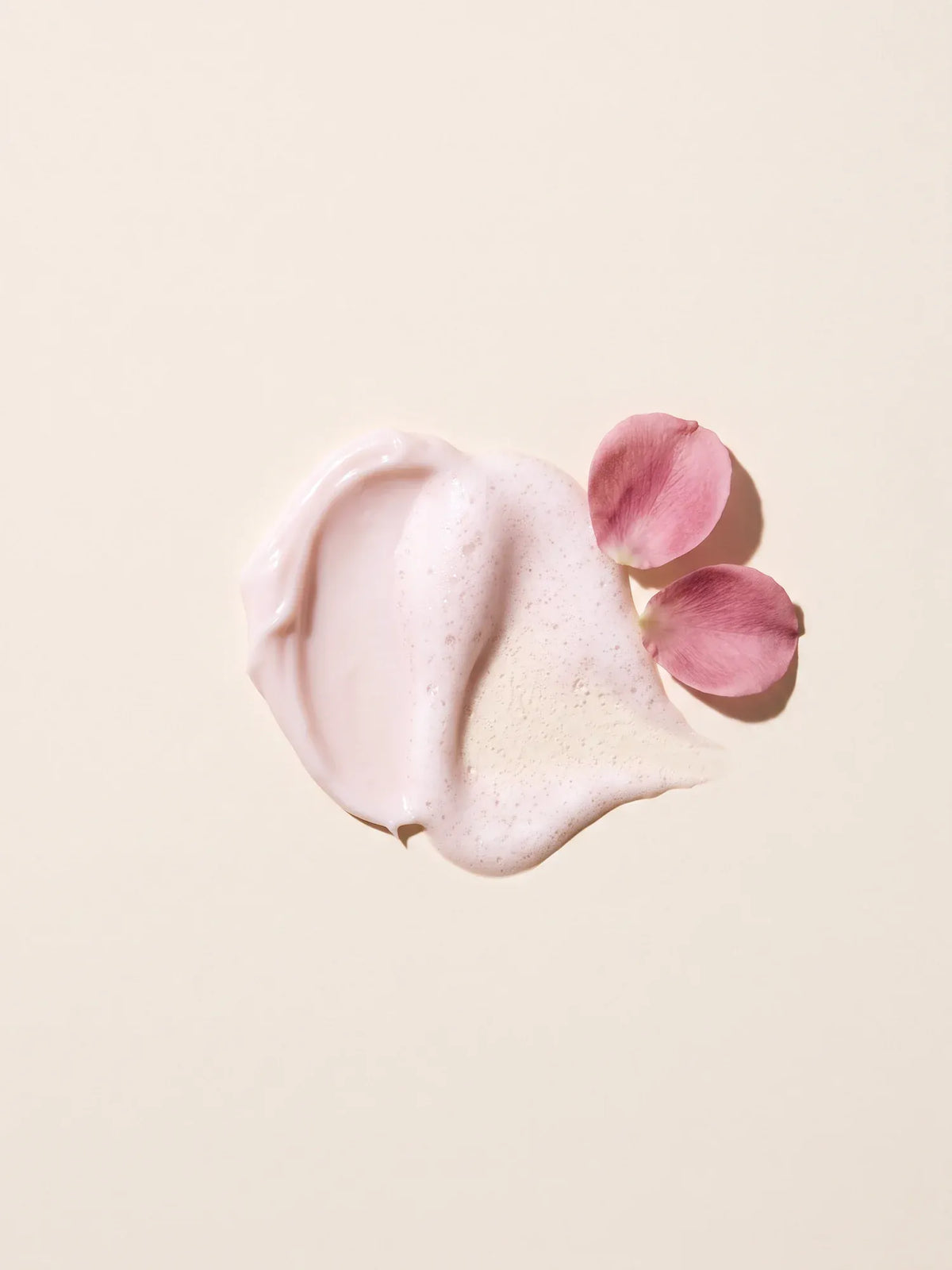
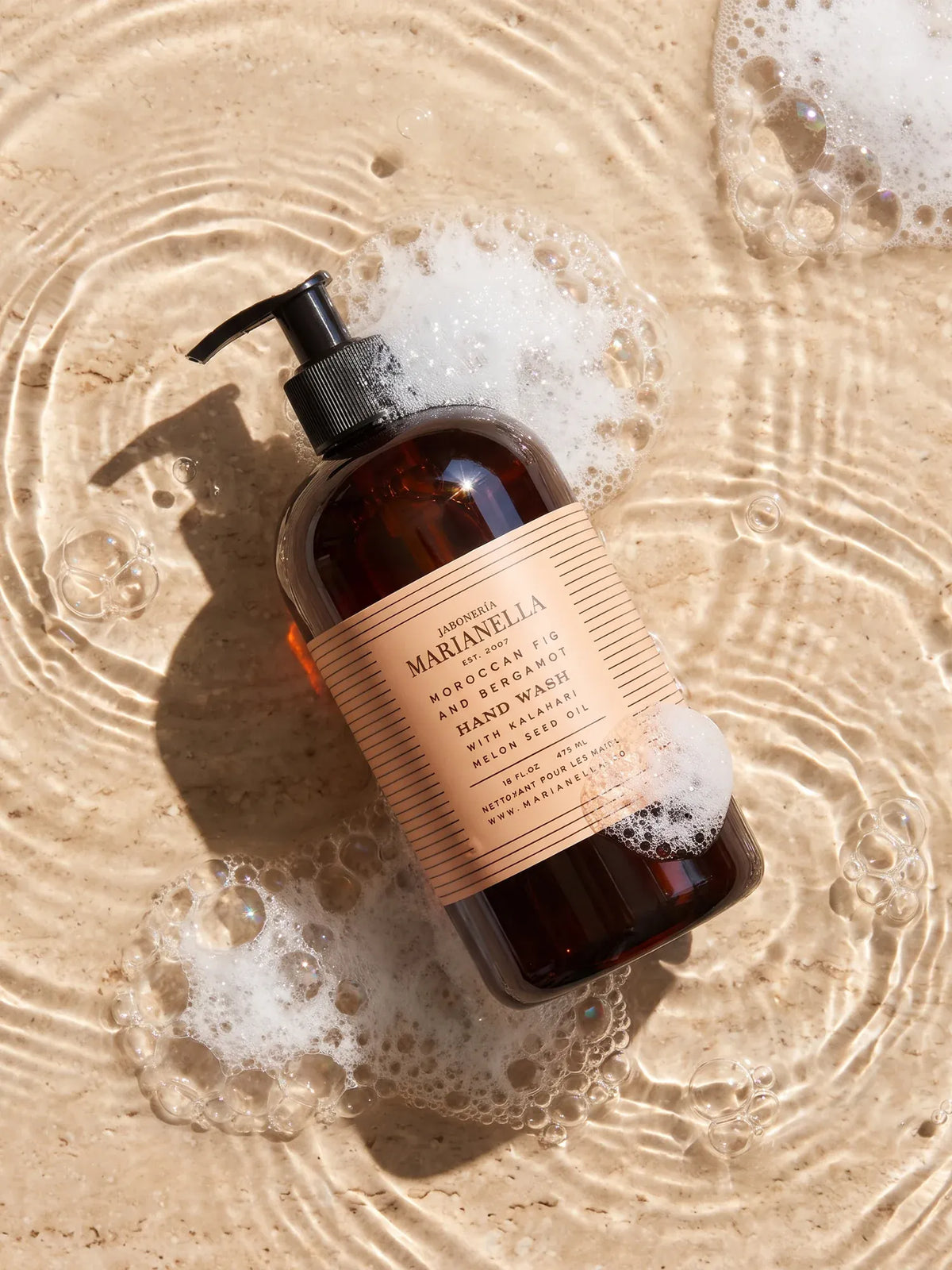
Marianella grew up making soap in her grandmother's kitchen in Venezuela, and our first products, in 2007, were bars of soap. That background still shapes how we think about cleansing. The base of our Rose Face Wash Cream comes from our own soapmaking, softened with glycerin and sorbitol. It melts on damp skin, spreads like a lotion and rinses clean without the tight feeling of an ordinary face soap.
Why glycerin makes a cleanser feel gentler
Cleansing removes oil and dirt, and some of the skin's own moisture goes with them. Glycerin works against that loss. Because it binds water, a cleanser that contains it leaves skin feeling softer and less dry after rinsing.
In the Rose Face Wash Cream, glycerin works with the other ingredients to keep the wash gentle. Rosehip seed oil and shea butter add a velvety cushion, finely milled oat and calendula keep the feel soft, and Kalahari melon seed oil helps skin look smoother. It was made for dry, normal and sensitive skin that wants a proper cleanse and still feels like itself afterwards.
What the research has added
Soapmakers worked by feel. Researchers have since measured what glycerin does. Studies show it improves the skin's barrier function, helping the outer layer hold water rather than lose it to the air, while making room for other ingredients to do their work. It is also part of the skin's own natural moisturizing factor, the set of compounds skin makes to keep itself supple, so applying it adds more of something skin already uses.
The research also explains glycerin's light touch. It forms a thin, non-greasy film rather than a heavy coating, which suits dry skin that needs moisture without residue. And it has an unusually clean safety record: it rarely irritates and it does not clog pores.
Is glycerin good for the face?
Yes. Facial skin is thinner than skin on the body and meets weather, heating and air conditioning every day, so steady moisture matters. Glycerin suits most skin types, including sensitive and acne-prone skin, because it hydrates without clogging pores or causing breakouts. It is a sensible ingredient in a face wash, a serum or a moisturizer.
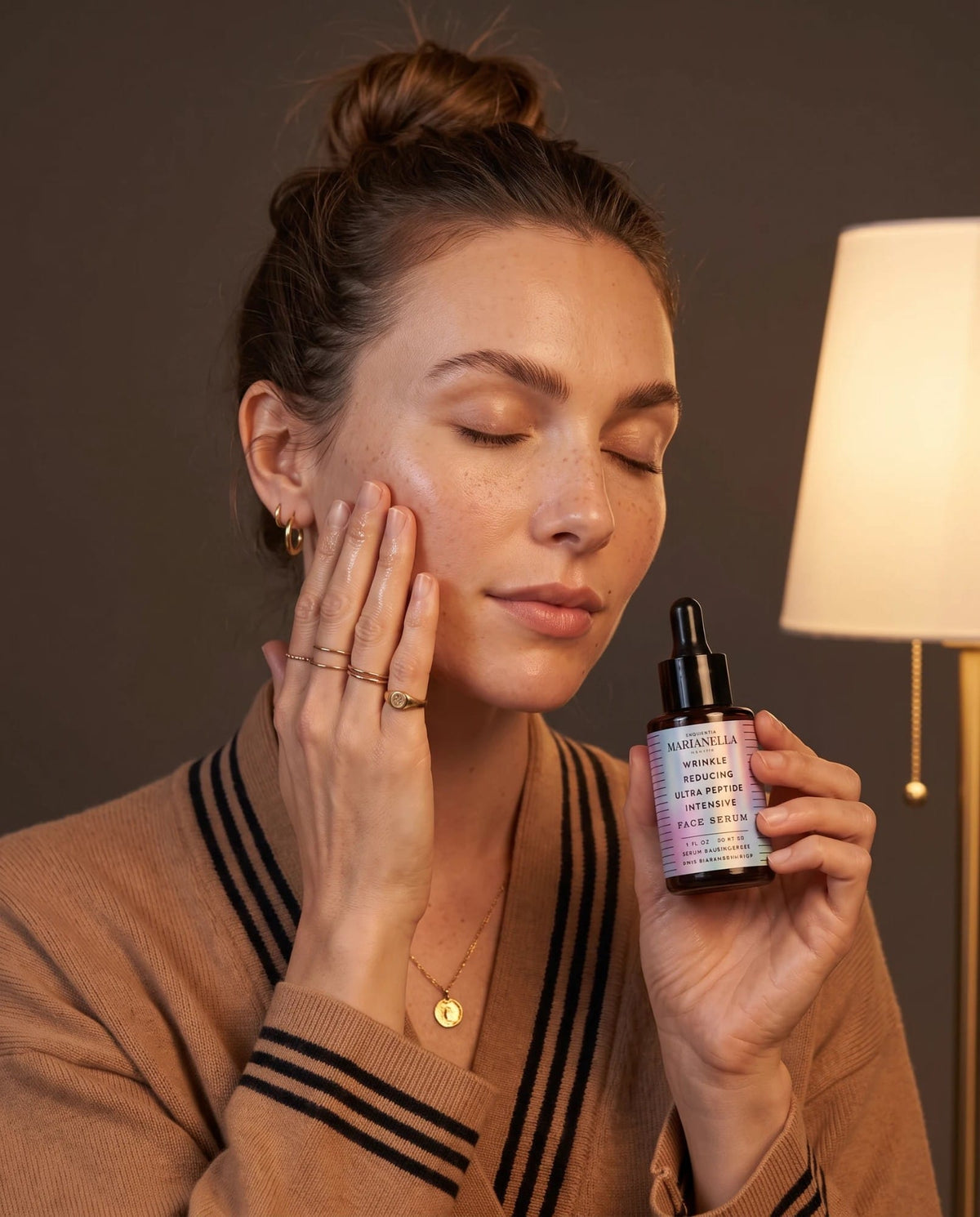
After washing, our Vitamin C Collagen Boosting Face Serum with Niacinamide carries glycerin into the next step, alongside sodium hyaluronate, aloe and cucumber, with ethyl ascorbic acid and niacinamide to help skin look brighter and more even.
From the sink to the rest of the day
Hands are washed many times a day, which makes them the place glycerin earns its keep. Our Hydrating Hand Cream combines aloe leaf juice and glycerin with Kalahari melon seed, coconut, sunflower, jojoba, avocado, argan and borage oils, so dry hands feel supple and comforted without a greasy film. For moments when there is no sink, our Hydrating Hand Sanitizer Gel puts aloe leaf juice and glycerin alongside the alcohol, so hands feel less tight once it dries.
On the body, the Rejuvenating Body Cream uses the same pairing of aloe and glycerin under a cushion of plant oils. Smoothed on after a bath, while skin is still slightly damp, it gives the glycerin water to hold.
Questions about glycerin and soap
Is glycerin soap different from ordinary soap?
All true soap produces glycerin as it is made. The difference is whether it stays in. Soap that keeps its glycerin tends to feel milder and leave skin less tight.
Where does the glycerin in skincare come from?
Most comes from vegetable oils, either produced on its own or released during soapmaking. It is the same molecule either way.
Why doesn't a cream face wash leave skin feeling tight?
A cream wash like our Rose Face Wash Cream is softened with glycerin and sorbitol and cushioned with oils and shea butter, so it cleans without stripping away the skin's comfort.






















Leave a comment
This site is protected by hCaptcha and the hCaptcha Privacy Policy and Terms of Service apply.