


Bakuchiol has solid evidence for one thing: in a 12-week trial it improved the look of fine lines and uneven pigment about as well as retinol, with less scaling and stinging. Several other claims made for it, that it beats retinol, that its results outlast retinol's, that it is proven safe in pregnancy, go further than the research does. We do not use bakuchiol in our own formulas. This article weighs what is said about it, so you can decide whether it belongs on your shelf.
A quick definition
Bakuchiol is a single compound found in the seeds and leaves of Psoralea corylifolia, an herb native to India and traditionally called bakuchi. Researchers first isolated it in 1966 and named it after the plant. It is part phenol and part terpene, and it is not a form of vitamin A, though a review in the Journal of Drugs in Dermatology notes that it behaves in some ways like a topical retinoid.
Supported: it improves the look of lines and pigment
Most of the attention comes from one study: Dhaliwal and colleagues, published in the British Journal of Dermatology in 2019. It compared 0.5% bakuchiol used twice a day with 0.5% retinol used once a day, in 44 people with sun-related signs of aging, over 12 weeks. Both groups showed statistically significant reductions in wrinkle surface area and uneven pigmentation, with no meaningful difference between them.
That is a genuine result from a well-designed trial, randomized and double-blind. It is the core of bakuchiol's case, and it is a good one.
Supported: it is gentler than retinol
In the same trial, the bakuchiol group reported significantly less scaling, stinging and irritation than the retinol group. That matters more than it sounds. Peeling and stinging are the main reasons people give up on retinol before it has had time to show results, and an ingredient you can keep using every day may do more for you than a stronger one you abandon after a few weeks.
Bakuchiol also does not make skin more sensitive to sunlight, so unlike retinol it can be used in the morning under sunscreen.
Not settled: "as good as retinol"
The trial makes a good case, but it does not settle the question. The two groups used their creams at different frequencies, the sample was small and only one concentration of each ingredient was tested. Retinol has decades of long-term research behind it; bakuchiol has a few years. The fair word for bakuchiol today is comparable, and the clear advantage is that it is gentler. Claims that it outperforms retinol overstate the evidence.
Overstated: results that last after you stop
Some articles say bakuchiol's results hold up after you stop using it while retinol's fade. That rests on limited follow-up observation, not on a trial designed to test it. It may prove true, but it is too early to say, and it is not a reason to choose one ingredient over the other.
Overstated: "safe in pregnancy"
Retinoids are generally avoided during pregnancy, and bakuchiol is often recommended as the alternative. It is a reasonable thought, but there are no studies showing bakuchiol is safe in pregnancy, and no official safety rating for it. If you are pregnant or breastfeeding, ask your doctor before adding any new active ingredient.
Worth checking: the name on the label
Purified bakuchiol and the raw extract of the seed are different ingredients. The whole extract, listed as Psoralea Corylifolia Seed Extract, contains other compounds, including psoralens, that make skin more sensitive to light. When you read a label, look for bakuchiol by name.
Worth checking: the format
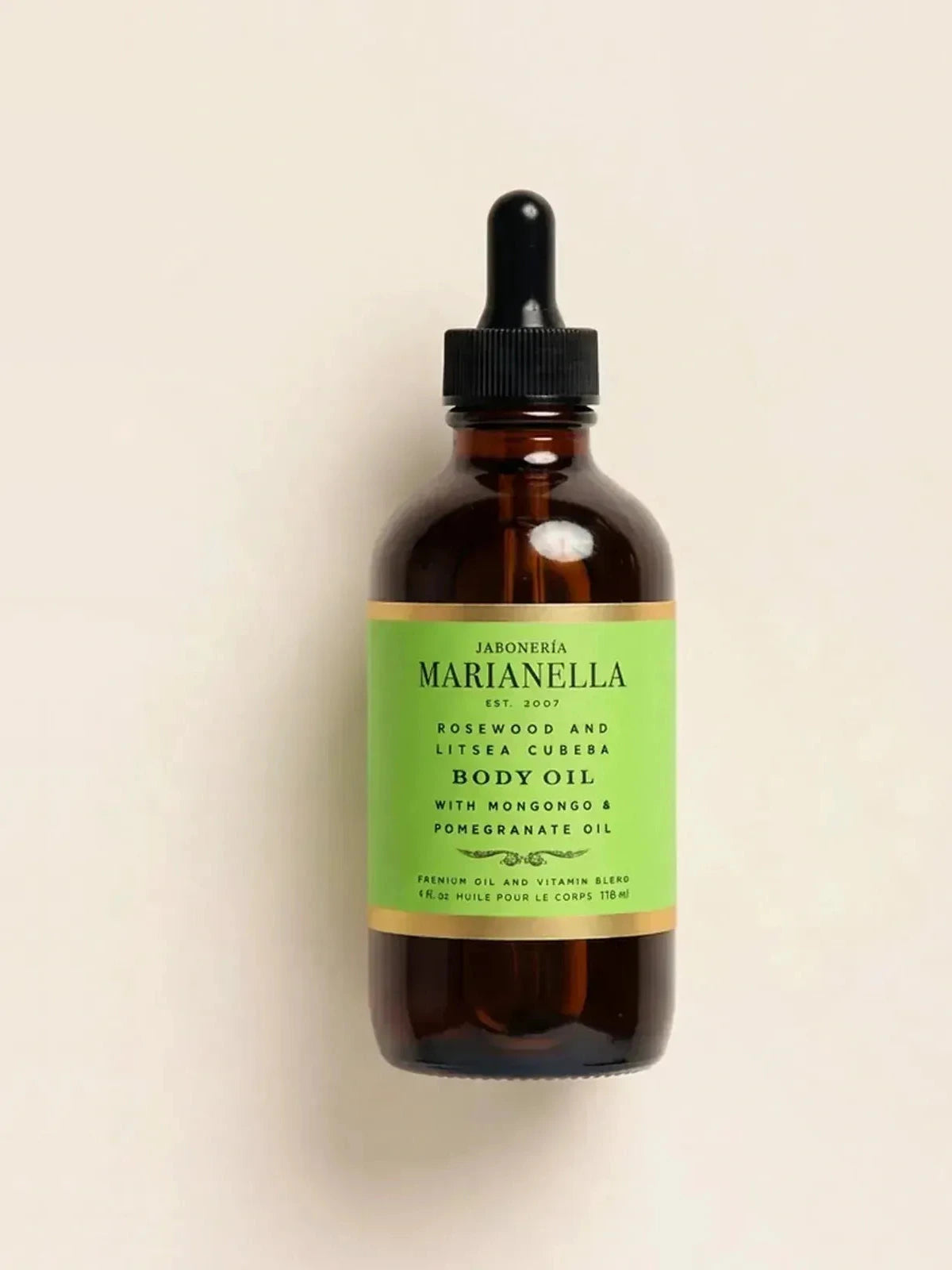
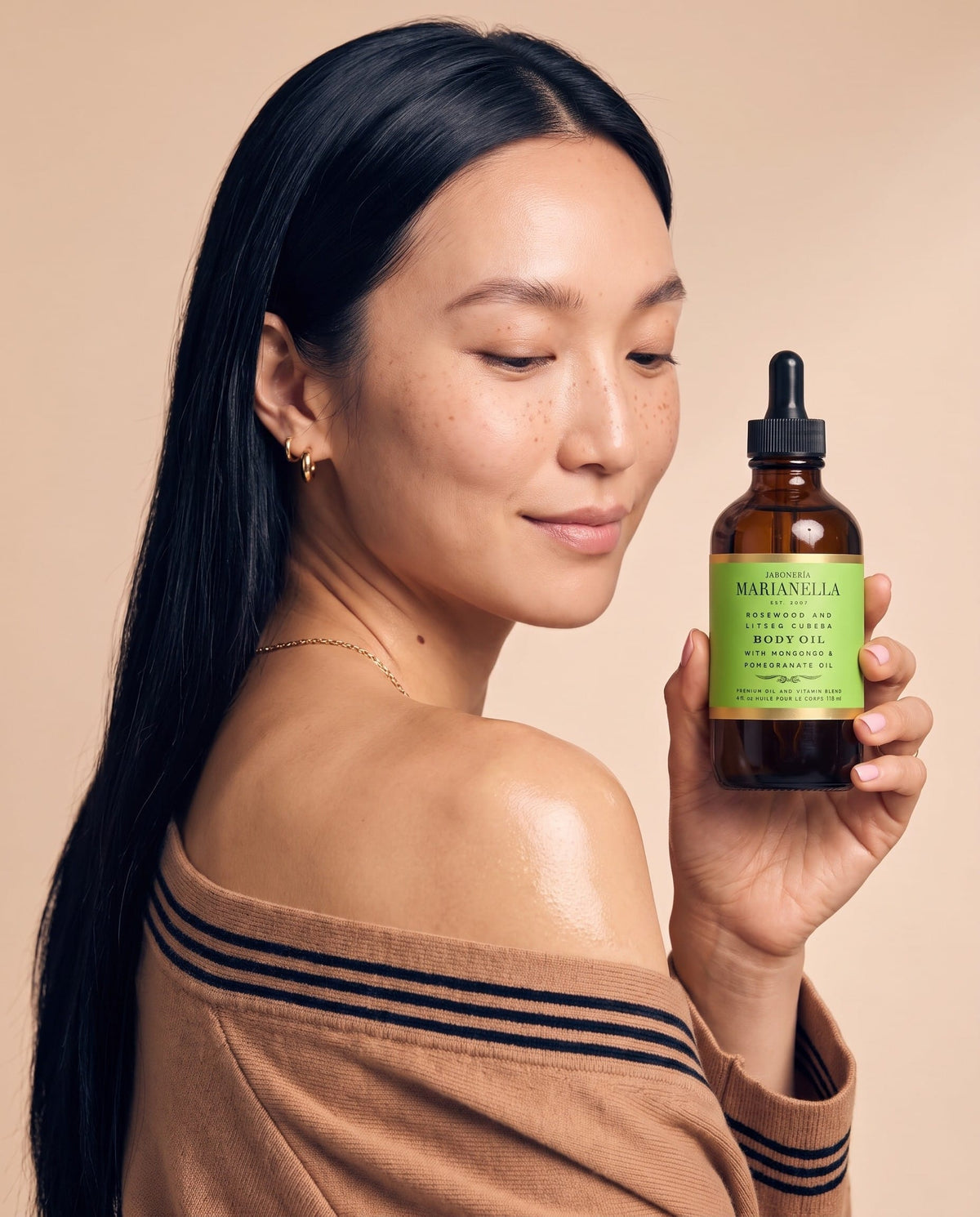
The research supports bakuchiol at 0.5% to 1%, in products left on the skin. A serum or cream does that well. A body oil can carry it to the neck, chest and backs of the hands, which see as much sun as the face. A soap is rinsed off within a minute, so a bakuchiol soap may be pleasant, but it is not what the studies tested; follow it with something you leave on.
What we use instead
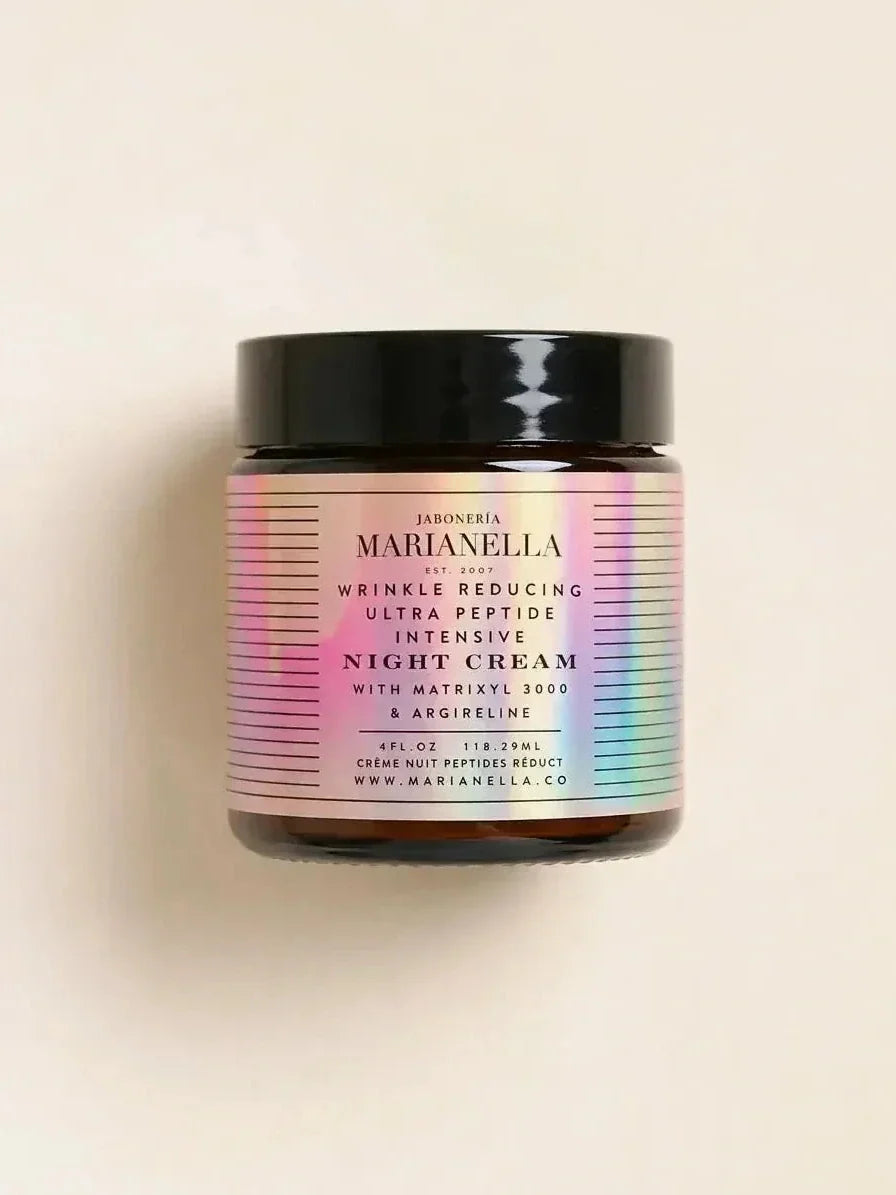
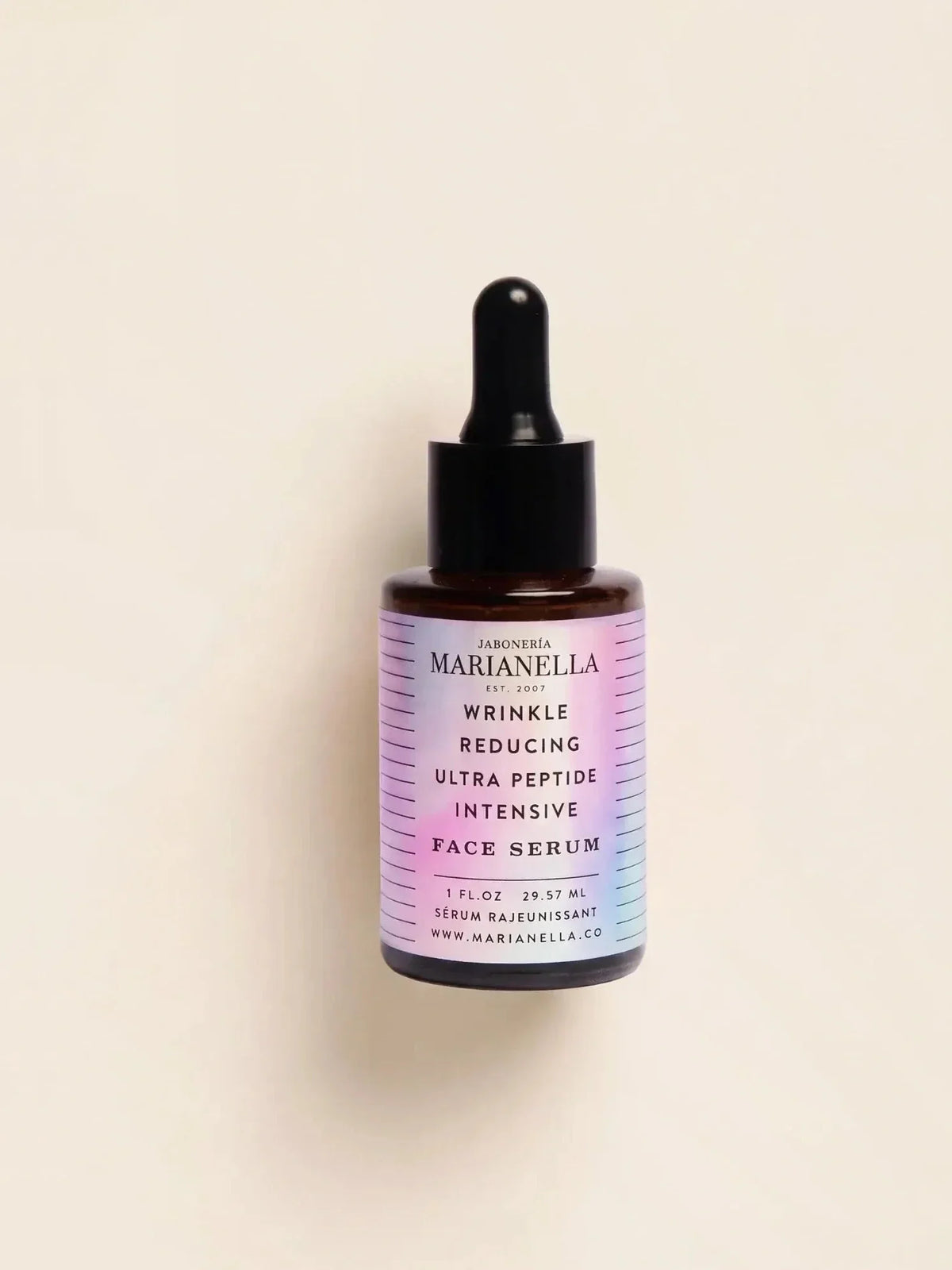
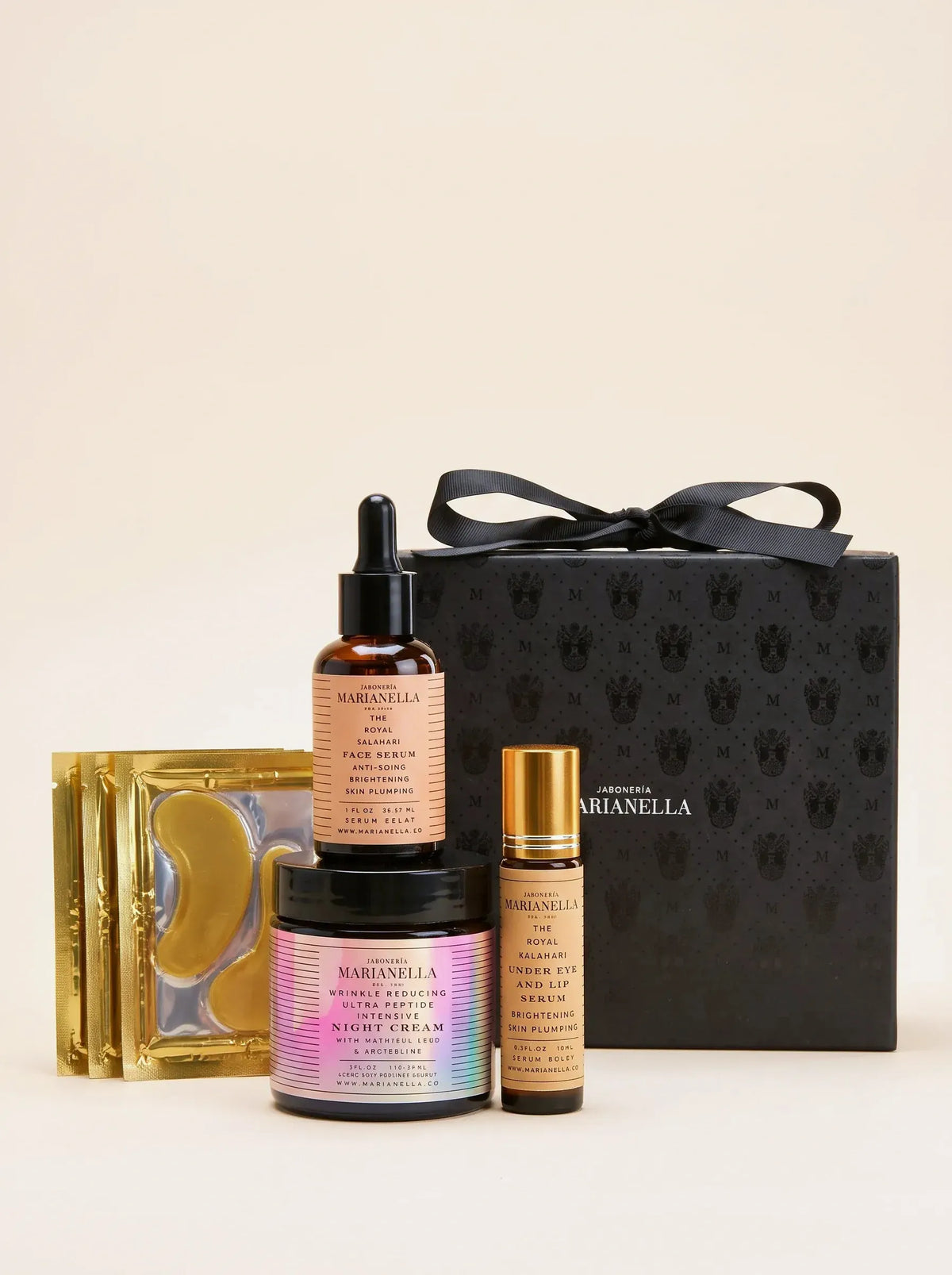
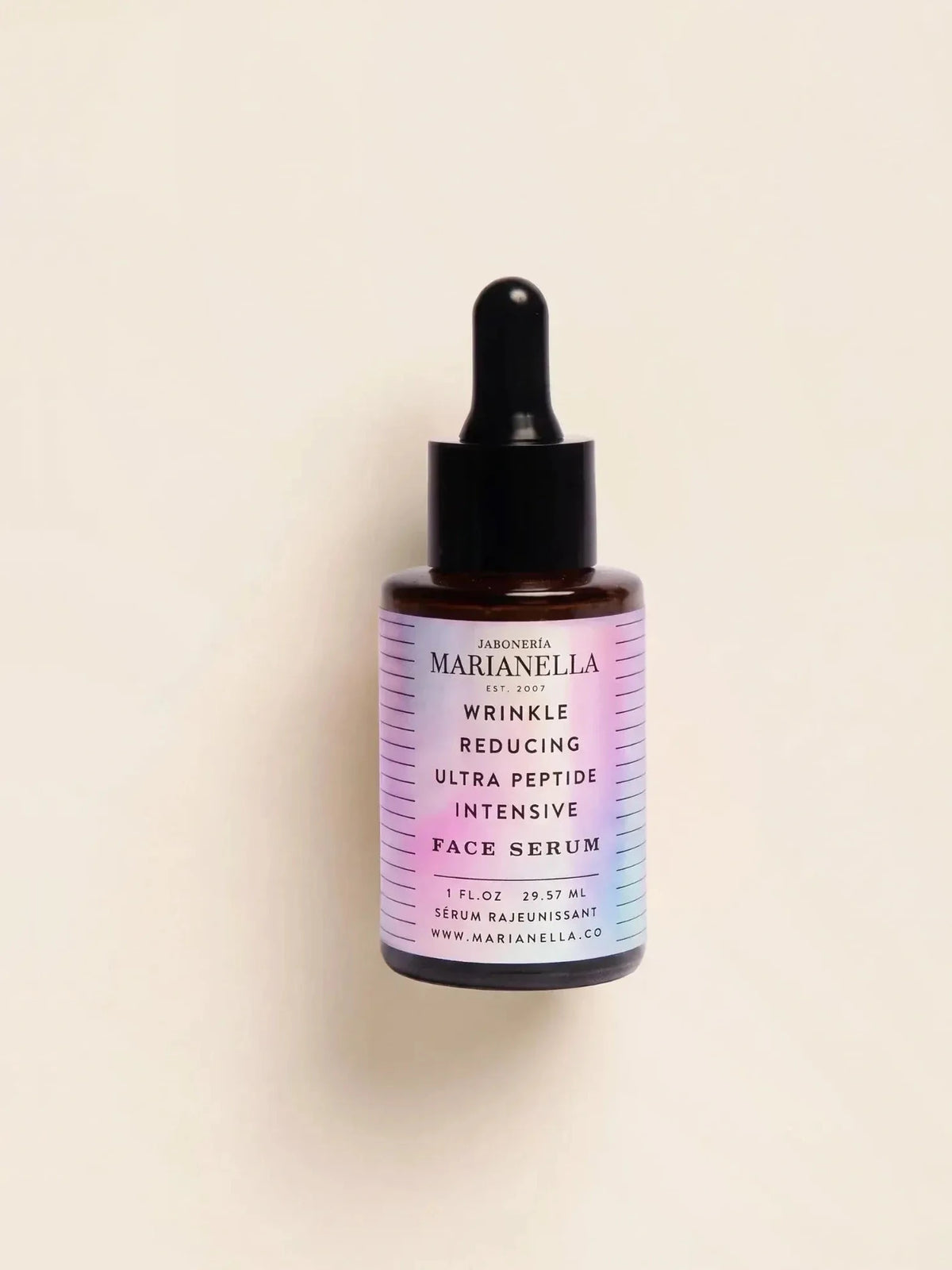
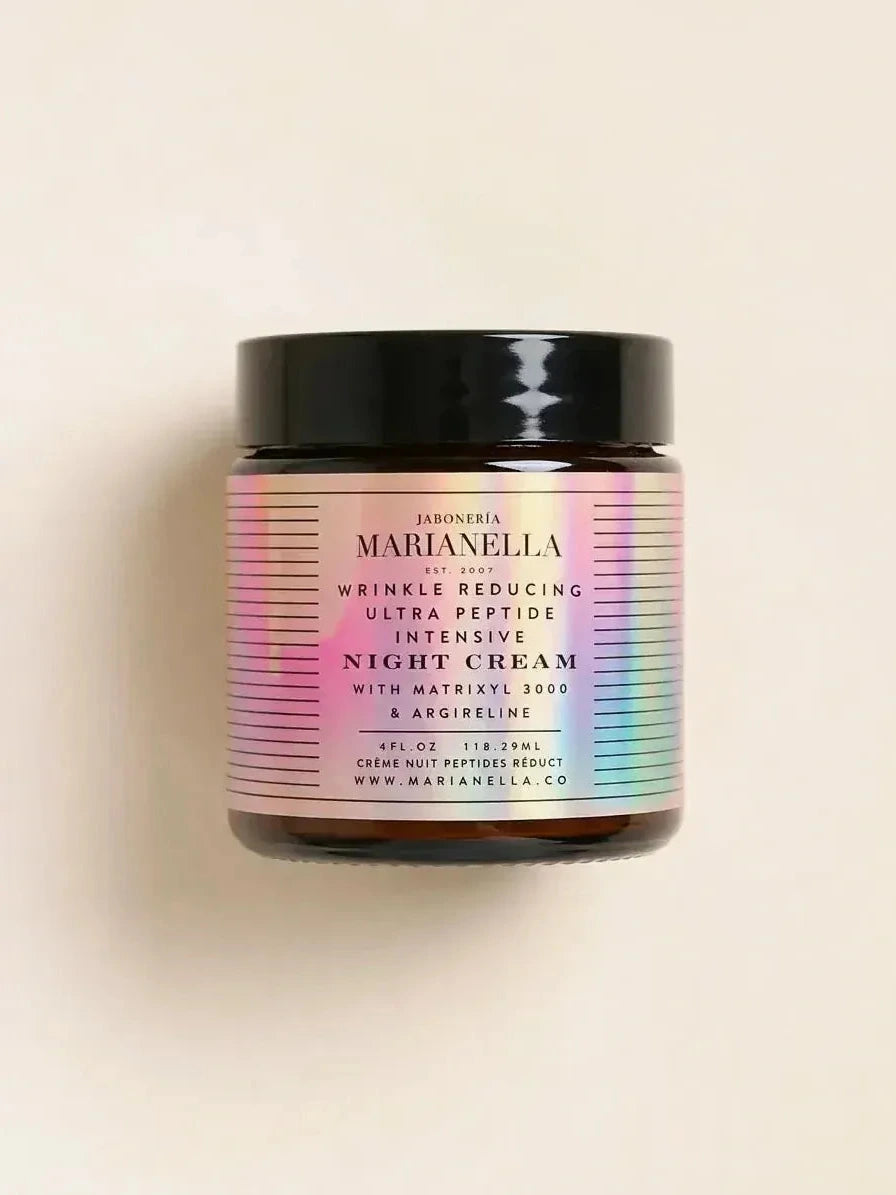
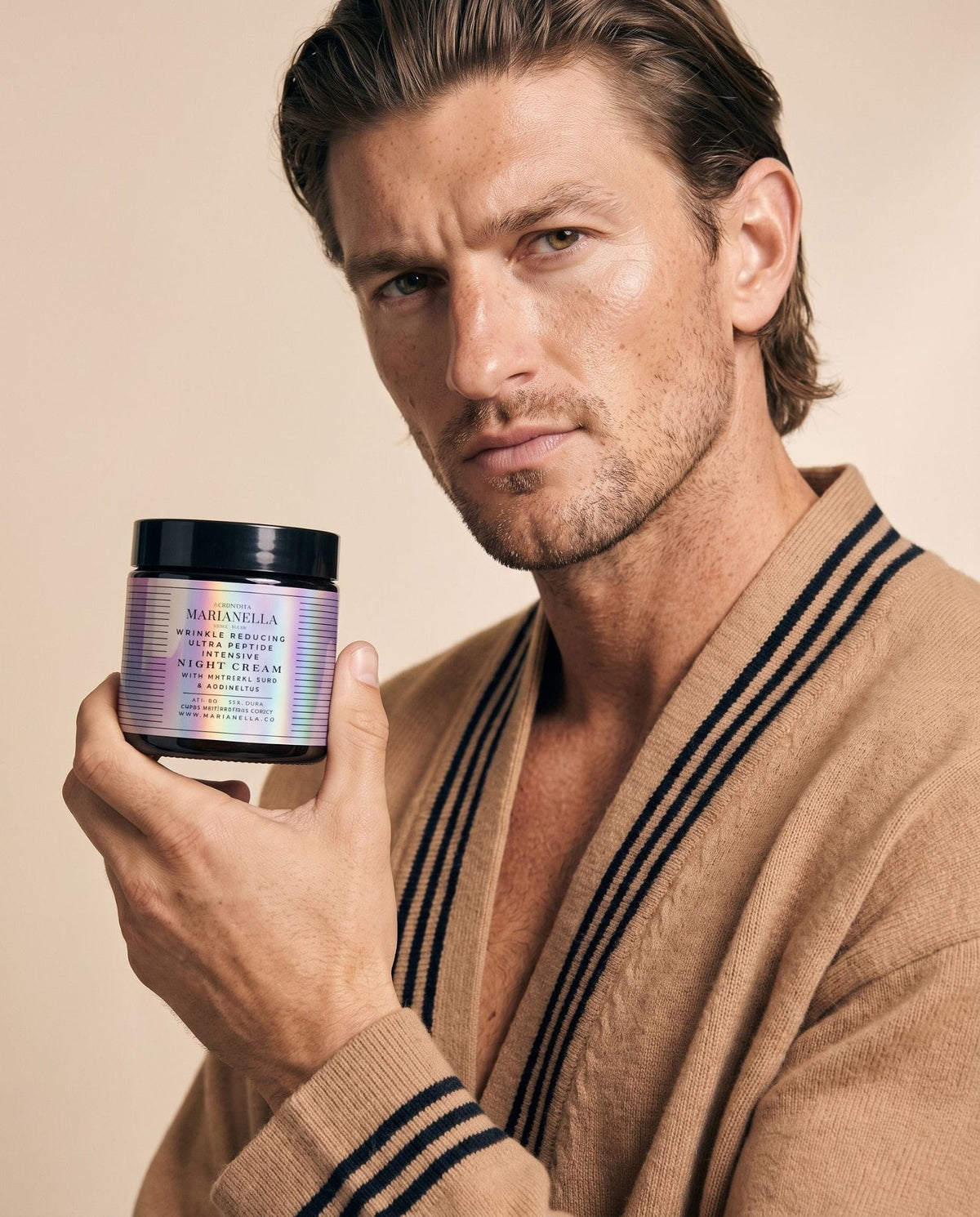
Bakuchiol is not in any of our formulas. For the concerns people usually bring to it, we take other routes. For the look of fine lines and expression lines, our Wrinkle Reducing Ultra Peptide Intensive Night Cream uses three peptides, Argireline, Matrixyl 3000 and Snap-8, with rosehip seed oil, sodium hyaluronate and centella asiatica, as the last step in the evening. It is made for us by a specialist cosmetic lab.
For skin that looks dull or uneven, our Rosehip Face Oil, pure rosehip seed oil, leaves skin soft and, with regular use, looking fresher and more even. And in the morning, the Vitamin C Collagen Boosting Face Serum with Niacinamide helps skin look brighter and more even under sunscreen.
Questions about bakuchiol's claims
Is bakuchiol as effective as retinol?
In the main trial, it was comparable for the look of fine lines and pigment at 0.5% over 12 weeks, with less irritation. Retinol still has far more long-term research behind it.
How long does bakuchiol take to show results?
The main trial measured results at 12 weeks, so give a bakuchiol serum or cream about three months of regular use before you judge it.
Do any Marianella products contain bakuchiol?
No. For the look of fine lines we use peptides, in our Ultra Peptide serum and night cream, and for uneven-looking tone, rosehip oil and vitamin C.


















Leave a comment
This site is protected by hCaptcha and the hCaptcha Privacy Policy and Terms of Service apply.