

Borage Seed Oil Benefits: What The Science Actually Shows
Borage seed oil is a cold-pressed botanical oil prized for delivering the highest concentration of gamma-linolenic acid, or GLA, found in any plant source, and that single fact is the reason it keeps surfacing in serious skincare formulation rather than seasonal trend cycles. Of all commercially available botanical oils, borage delivers the highest GLA content (~20-26%), making it a standout ingredient for skin that runs dry, reactive, or chronically uncomfortable. Borage oil is of interest because it contains two to three times more GLA than evening primrose oil, the plant oil it is most often compared against. For a brand built on small-batch, oil-infused formulas, that kind of concentration matters. Borage seed oil benefits are not marketing language here, they are measurable fatty acid chemistry, and this post walks through what the research says, how the ingredient behaves on skin, and what to look for in 2026 formulations.
What Is Borage Seed Oil?
Borage seed oil is extracted from the seeds of Borago officinalis, an annual herb with a long history of culinary and medicinal use. Borage is an annual plant used from ancient times for culinary and medicinal purposes, and recently interest in borage has been renewed because its seeds are considered one of the best sources of gamma-linolenic acid. That fatty acid, GLA, is an omega-6 that the human body cannot manufacture efficiently on its own through diet alone once skipping a metabolic step becomes useful, which is exactly what borage oil allows. Human skin is not able to biosynthesize gamma-linolenic acid from the precursor linoleic acid, or arachidonic acid from dihomo-gamma-linolenic acid, and dietary supplementation with GLA-rich seed oil of borage skips the step of hepatic 6-desaturation of fatty acids, compensating the lack of these essential fatty acids in conditions with impaired desaturase activity. In practice, that means borage seed oil arrives already in the form skin can use.
Borage Seed Oil Benefits For The Skin Barrier
How GLA Interacts With The Lipid Matrix
Once applied topically, GLA integrates directly into the lipid matrix of the stratum corneum, reinforcing the barrier at a structural level. The outermost layer of skin functions like a wall, with lipids filling the space between cells the way mortar holds bricks together, and GLA becomes part of that mortar. The body converts GLA to dihomo-gamma-linolenic acid, which then serves as a precursor to prostaglandin E1, one of the body's key anti-inflammatory signaling molecules. This is the biochemical reason borage seed oil is associated with a calmer, less reactive look and feel rather than a temporary surface softness.
What Happens When GLA Levels Run Low
Research shows this kind of deficiency weakens the lipid barrier, increases transepidermal water loss, and leaves skin more vulnerable to irritants and environmental triggers. Restoring that balance topically is where borage seed oil earns its reputation. Topical application of GLA-rich oils like borage can help restore that lipid imbalance, supporting the barrier's ability to hold moisture and resist environmental triggers. For skin that looks dry, tight, or dull, that structural support shows up as a more comfortable, even surface over time.
Clinical Data On Borage Oil And Skin Function
One of the more cited studies followed twenty-nine healthy elderly people with a mean age of 68.6 years, who received a daily dose of 360 or 720 milligrams of GLA for two months using borage oil in gelatine capsules. The consumption of borage oil induced a statistically significant improvement of cutaneous barrier function in the elderly people, reflected in a mean decrease of 10.8 percent in transepidermal water loss. Participant-reported comfort shifted too. Thirty-four percent of the people noted itch before borage oil consumption and zero percent afterward. Fatty acid composition of erythrocyte membrane phospholipids also demonstrated a 70 percent increase in GLA and an 18 percent increase in DGLA, confirming the oil was doing more than sitting on the surface.
Animal Model Research On Barrier Repair
Guinea pig studies add mechanistic weight. The accumulation of dihomo-gamma-linolenic acid, an elongase product of GLA, into phospholipids and ceramides, along with the potent antiproliferative metabolite 15-HETrE and ceramides, the major lipid maintaining epidermal barrier, was greater in the borage oil group than in comparison oil groups. Ceramides are the barrier's own structural lipids, so an oil that supports ceramide presence is working with skin's existing architecture rather than against it.
Borage Seed Oil Benefits For Sensitized, Reactive Skin
Because borage oil sits at the anti-inflammatory end of the fatty acid spectrum, it has been studied specifically in populations with visibly reactive skin. A review of the clinical literature examined twelve clinical trials of oral or topical borage oil for treatment of atopic dermatitis, plus one preventive trial. The results were not uniform. The effect was reported to be significant in five studies, insignificant in five studies, and mixed in two studies. Overall, the data suggest that nutritional supplementation with borage oil is unlikely to have a major clinical effect but may be useful in some individual patients seeking an alternative approach for less severe presentations. That nuance matters for how the brand talks about the ingredient. Borage seed oil supports the appearance of calmer, more comfortable skin. It is not framed as a treatment, and the honest research reflects a supportive role rather than a guaranteed outcome.
Antioxidant Behavior And Ingredient Safety
Separate from barrier function, borage seed oil has been studied for its antioxidant profile and safety at the DNA level. Borage seed oil and GLA were shown to be DNA safe, meaning non-genotoxic and antimutagenic compared to hydrogen peroxide, confirming the oil's antioxidant capacity. That kind of finding is part of why formulators continue to reach for borage seed oil in leave-on skincare rather than treating it as a passing ingredient trend.
Best Borage Seed Oil Products In 2026: What To Look For
Not every bottle labeled "borage oil" is formulated with the same intent, so the best borage seed oil products in 2026 tend to share a few traits. Look for cold-pressed extraction, since heat can degrade the delicate polyunsaturated fatty acid structure that gives GLA its function. Look for transparency about concentration, since GLA content in raw borage oil naturally ranges and the source matters. And look for formulas that pair GLA-rich oils with complementary actives rather than isolating it, since fatty acids tend to perform best inside a considered blend rather than alone.
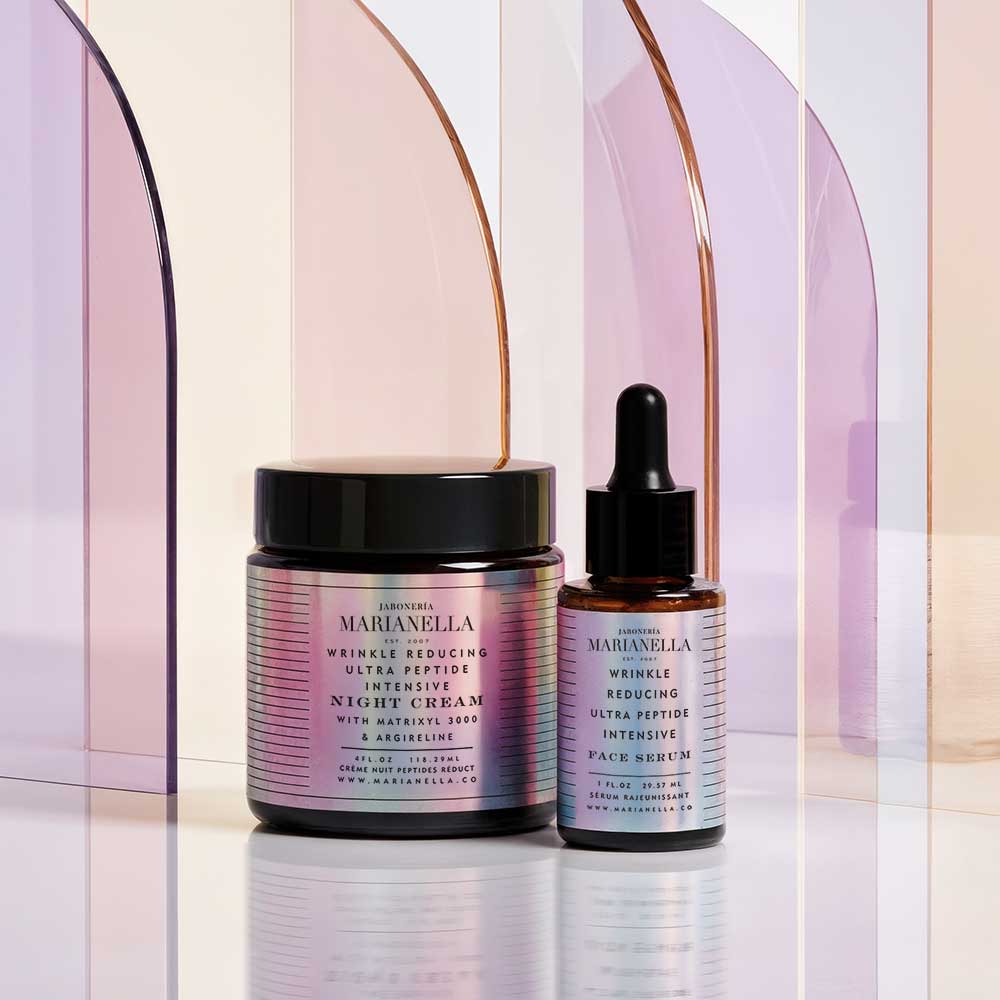
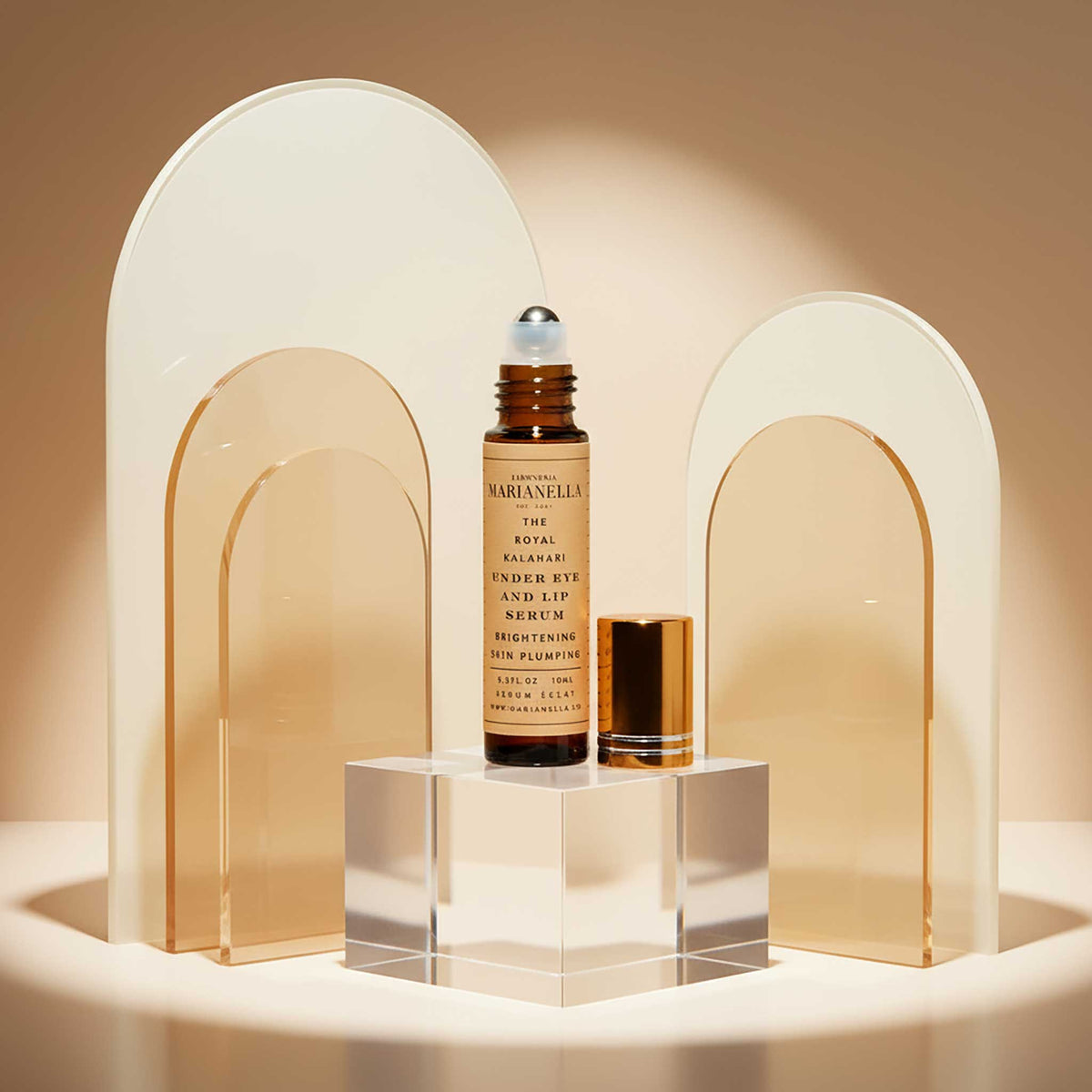
Marianella has been handcrafting eco-luxury skincare since 2007, beginning as a Venezuelan family's effort to rebuild, in Brooklyn, the world of botanical craft they knew from Caracas. Every formula is still small-batch, still handcrafted, and still built without shortcuts across the brand's Face, Body, Hand, Home, and Fragrance collections, priced between $40 and $160. That heritage of working slowly with natural, oil-infused ingredients is precisely the mindset borage seed oil rewards. It is not an ingredient suited to shortcuts, and it was never meant to be.
Explore Marianella's oil-infused Face and Body collections to see how botanical craft and eco-luxury formulation come together in Brooklyn, small batch by small batch.
FAQ
What does borage seed oil do for skin?
Borage seed oil supplies GLA, an omega-6 fatty acid that integrates into the skin's lipid matrix and supports barrier structure. This conversion pathway is what gives borage oil its reputation for calming reactive, irritated skin, since it participates in the skin's own inflammatory regulation system rather than sitting on the surface. The visible result tends to be a more comfortable, even-looking complexion over consistent use.
Is borage seed oil better than evening primrose oil?
In terms of raw concentration, yes. Borage oil contains two to three times more GLA than evening primrose oil, making it the more concentrated source of this specific fatty acid. Whether one performs better than the other in a finished formula depends on the full ingredient list, not GLA content alone.
Can borage seed oil help with dry or reactive-looking skin?
Research suggests it can support the appearance of comfort in dry, reactive skin. Dry skin was reported to be reduced from 42 to 14 percent in one study group, though no significant change in skin hydration was measured directly. The findings point to barrier-level support rather than an instant hydration effect.
How is borage seed oil extracted?
Quality borage seed oil is typically cold-pressed from the seeds of Borago officinalis, a plant also known as starflower. Organic farming methods for borage seed production, combined with cold-pressing, allow for maximum recovery of antioxidants in the finished seed oil. Cold-pressing preserves the delicate fatty acid structure that heat processing can damage.
Is borage seed oil safe for regular use?
Available research on skin and cellular safety is reassuring. Studies have found borage seed oil and GLA to be non-toxic and non-genotoxic, with confirmed antioxidant capacity. As with any active botanical, patch testing a new formula is a sensible first step for anyone with known sensitivities.

Dejar un comentario
Este sitio está protegido por hCaptcha y se aplican la Política de privacidad de hCaptcha y los Términos del servicio.