

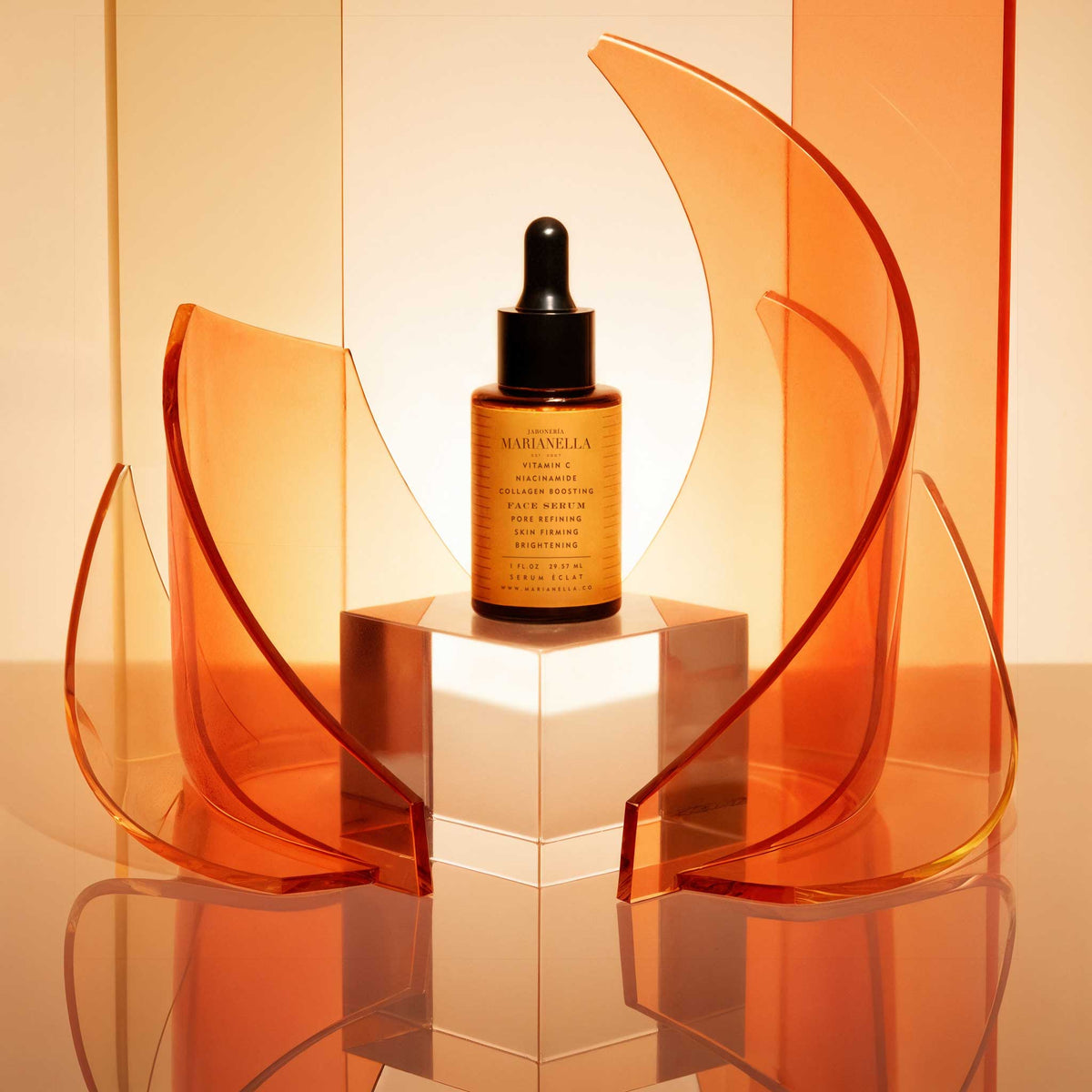
The research behind bilberry extract benefits centers on one thing: protection. Bilberry, the small, dark wild cousin of the blueberry, is very rich in anthocyanins, the pigments that make it deep blue. In lab studies those pigments neutralize the oxidative stress that sun and city air put on skin. Most of the skin research so far has been done on cells rather than on people. Even so, it explains why bilberry extract shows up in serums, soaps, lotions and body oils in 2026, and why it does the most good in a formula that stays on your skin.
What is bilberry extract?
Bilberry extract comes from the fruit of Vaccinium myrtillus. Bilberry is a perennial plant that produces small, nutrient-rich berries widely recognized for their high content of bioactive compounds, including anthocyanins, flavonoids, and polyphenols. Bilberries are closely related to blueberries and have one of the highest natural anthocyanin content of any fruit. Their use on skin goes back centuries: the plant has a long history of therapeutic application, dating back to the Middle Ages, and skin conditions were among the things it was used for.
Inside the berry, chemists have characterized 15 individual anthocyanins, with delphinidin and cyanidin glycosides being the predominant compounds. Research-grade extracts are usually standardized to a set pigment content. One well-studied extract is standardized to contain ≥ 36% anthocyanins, which is why anthocyanin content is the first number to check on any bilberry ingredient.
Bilberry extract benefits for skin: what the science shows
Antioxidant protection against UV stress
The best-known study on bilberry and skin tested a water-soluble bilberry extract on human skin cells, called keratinocytes. The extract contained total polyphenols 339.3 mg/100 g fw; total anthocyanins 297.4 mg/100 g fw. Researchers treated the cells for one hour before exposing them to UVA and UVB light. The extract showed its free radical scavenging properties reducing oxidative stress and apoptotic markers, especially in UVA-irradiated cells. It also was able to reduce the UVB-induced cytotoxicity and genotoxicity at lower doses.

The results had limits. In the same study, the extract reduced lipid peroxidation UVB-induced, but had no effect against the ROS UVB-produced. In other words, bilberry helped with some kinds of UV stress and not others.
Calm for stressed skin
A separate set of experiments looked at skin cells after UVB exposure. There, bilberry fruit extract significantly decreased reactive oxygen and nitrogen species (RONS) generation and partially diminished the expression of pro-inflammatory IL-6. In a mouse model of allergic contact dermatitis, an anthocyanin-rich bilberry extract was studied for its effect on itch. Once the same extract was heated, it no longer worked in the lab: 2 h-heated Bilberon-25 had no effect at any concentration studied. That suggests the intact anthocyanins are doing the work.
Firmness and the enzymes that break skin down
A 2025 study tested bilberry fruit and leaf extracts against enzymes linked to skin aging. Its aim was to measure how well they blocked some enzymes (tyrosinase, hyaluronidase, collagenase) that are important in terms of skin conditioning and skin aging. One unexpected result: bilberry leaves extracts were more potent compared to fruit extracts in all cases. The researchers also tested the extracts on human volunteers, applied under a covering for 24 hours. They did not alter the basal values of skin parameters (pH, TEWL, EC, and EI), meaning they didn't upset the skin's barrier or balance.
Bilberry extract is not a sunscreen
Because bilberry protects skin cells from UV damage in the lab, people often assume it can stand in for SPF. One study tested exactly that by adding bilberry extract to sunscreen formulas. The SPF was reduced in both in vitro and in vivo evaluation in the presence of VME; nonetheless, the samples were photostable and safe. Bilberry works alongside your sunscreen, not instead of it.
Bilberry extract in serums, soaps, lotions and body oils: which works best?
Everything above depends on the anthocyanins actually reaching your skin and staying there. That makes the format matter.
Serums
A serum is the most direct way to use bilberry extract. It is light, it goes on first, and it stays on all day. You put it on in the morning, before sunscreen and before you step outside.
Lotions and body oils
These also stay on the skin, so they make sense for arms, shoulders and the back of the neck, which get the same light your face does.
Soaps
Soap rinses off within a minute. A bilberry soap can be lovely to use. For the antioxidant benefits in the research, though, a product that stays on your skin is the better choice.
The best bilberry extract products in 2026: how to choose
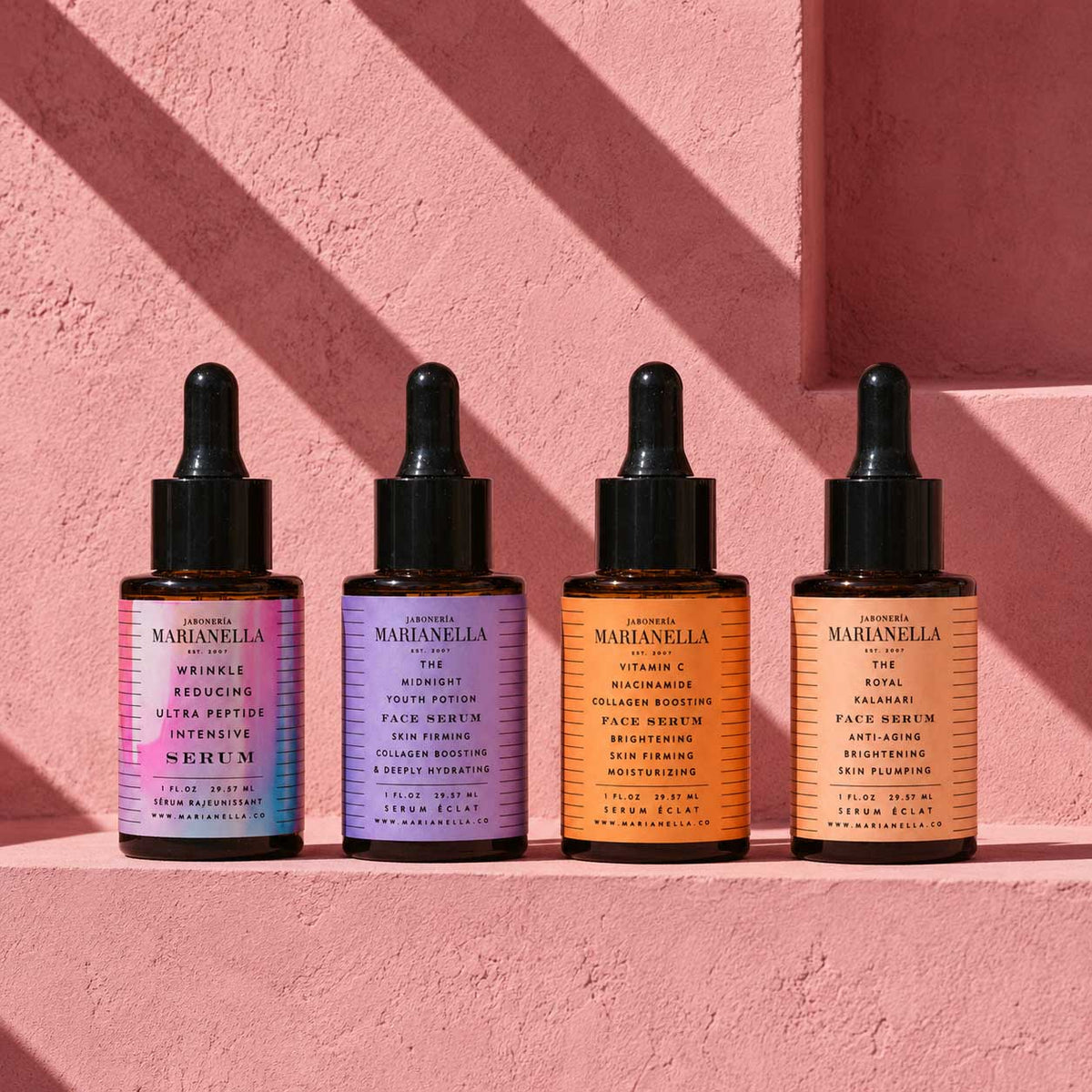
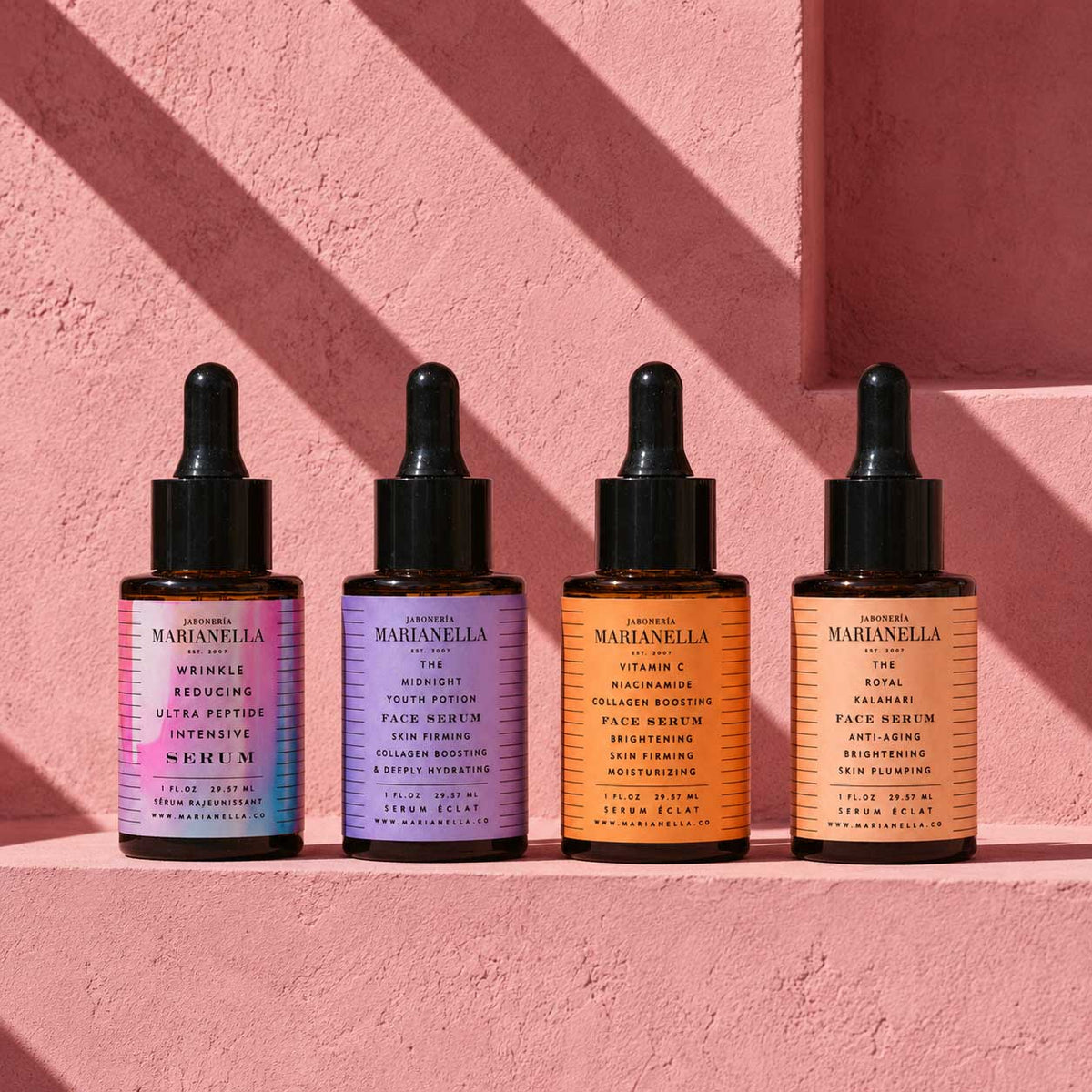
Look for a product that stays on your skin rather than rinsing off. Bilberry should be part of a considered formula, not a single trace ingredient listed for show. Our Vitamin C Collagen Boosting Face Serum with Niacinamide ($36) puts bilberry extract in a morning serum alongside vitamin C and niacinamide, where it goes on clean skin and stays there under your sunscreen. [Bilberry's role in this formula and its place on the ingredient list, from the Product Bible.] Like everything we make, it is made in small batches by hand in our Brooklyn studio.
You'll find bilberry extract in our Vitamin C Collagen Boosting Face Serum with Niacinamide, $36.
FAQ
What are the main bilberry extract benefits for skin?
The main benefit is antioxidant protection. In skin cell studies, bilberry's anthocyanins reduced oxidative stress caused by UVA and UVB light and lowered some signs of irritation. Most of this research was done on cells rather than people, so think of bilberry as a supporting ingredient in a daily routine, not a treatment.
Is bilberry extract the same as blueberry extract?
No. They are closely related, but bilberry (Vaccinium myrtillus) is a different species with one of the highest natural anthocyanin contents of any fruit.
Can bilberry extract replace sunscreen?
No. When researchers added bilberry extract to sunscreen formulas, the SPF went down. Use a bilberry serum under your sunscreen, never in place of it.
Which format is best: serum, soap, lotion or body oil?
Products that stay on the skin, like serums, lotions and body oils, give bilberry's anthocyanins time to work. Soap rinses off too quickly to deliver the antioxidant benefits seen in the research.
When should I apply a bilberry extract serum?
In the morning, on clean skin, before moisturizer and sunscreen. That way its antioxidant protection is in place before your day outside starts.

Dejar un comentario
Este sitio está protegido por hCaptcha y se aplican la Política de privacidad de hCaptcha y los Términos del servicio.