

Sunflower seed oil skincare benefits are rooted in decades of peer-reviewed dermatology research. A light, golden oil pressed from the seeds of the Helianthus annuus plant, it is naturally rich in linoleic acid and vitamin E, supporting a healthy skin barrier, calming visible dryness, and absorbing quickly without a greasy feel. In 2026, it is one of the most formulator-trusted plant oils in the category, and for good reason. Marianella draws on 18 years of botanical formulation expertise to put it to work in body care that performs at a clinical level.
What Is Sunflower Seed Oil? A Dermatology-Grade Definition
The seeds of the Helianthus annuus plant are cold-pressed to extract the oil, which is rich in fatty acids including linoleic acid and oleic acid, and is a notable source of vitamin E. The oil contains high levels of linoleic acid, ranging from 44 to 72 percent, an omega-6 fatty acid naturally present in the skin's own sebum.
That biological compatibility is a large part of why it works so efficiently on skin, rather than sitting on the surface or disrupting the lipid matrix that holds the barrier together. It is not a trend ingredient. For millennia, sunflower seed oil has been used in folk medicine for both skin care and the treatment of skin disorders. The science has simply caught up to confirm what traditional use established long ago.
The Science Behind Sunflower Seed Oil for Skin
Skin Barrier Restoration
Studies have shown that topical application of sunflower oil can enhance skin barrier function, leading to better hydration and a reduced risk of conditions like eczema. The mechanism is precise. Rich in unsaturated fatty acids, sunflower seed oil supports skin health by restoring lipid bilayer organization, modulating ceramide synthesis, and activating peroxisome proliferator-activated receptor-alpha (PPAR-α). That receptor activation matters: a sunflower oleodistillate has been shown to increase epidermal key lipid synthesis and to reduce inflammation in vitro and in animal models, and has also been shown to activate peroxisome proliferative-activated receptor-alpha (PPAR-alpha) in vitro.

Sunflower seed oil is rich in linoleic acid and has been used topically in the treatment of essential fatty-acid deficiency, rapidly reversing the disease with its excellent transcutaneous absorption. These essential fatty acids can help maintain the skin barrier and decrease transepidermal water loss, both important features in managing skin problems such as atopic dermatitis.
Ceramide Synthesis and Hydration
Sunflower seed oil has a good amount of linoleic acid, which is known to boost production of natural ceramides, which maintain the skin barrier, improving hydration and elasticity. Ceramides are the primary lipid that holds skin cells together. When their levels drop, moisture escapes and sensitivity rises. Sunflower seed oil addresses that deficit at the molecular level, not just at the surface.
Clinically, sunflower seed oil has shown efficacy in reducing transepidermal water loss (TEWL), improving hydration, and accelerating wound healing in conditions such as xerosis and atopic dermatitis. A 2024 randomized single-blind clinical trial confirmed that natural oil from sunflower seed oil can be used as "skin barrier therapy" by reducing transepidermal water loss (TEWL) and skin pH levels.
Antioxidant Protection
Vitamin E, a potent fat-soluble antioxidant present in sunflower seed oil, offers another layer of protection. It combats oxidative stress by neutralizing free radicals, which are unstable molecules that can damage skin cells and accelerate aging. This antioxidant power helps to protect the skin from environmental stressors such as UV radiation and pollution.
Sunflower seed oil contains linoleic acid, vitamin E, beta-carotene, flavonoids, and squalene. That combination of antioxidants and fatty acids works in tandem. Vitamin E stabilizes the oil and protects the skin simultaneously.
Anti-Inflammatory Properties
The anti-inflammatory properties of sunflower oil, attributed to both vitamin E and linoleic acid, make it an excellent ingredient for calming redness and soothing irritated skin. Sunflower-based formulations relieve eczema and inflammation, helping to calm the skin and reduce sensitivity. For anyone dealing with reactive or compromised skin, this dual action makes a measurable difference.
How Sunflower Seed Oil Compares to Other Plant Oils
Not all plant oils perform equally on skin. A clinical study with 19 adult volunteers found clear differences between two of the most commonly used options. The results showed that using olive oil for 4 weeks made the skin less healthy and slightly more red. Sunflower seed oil, on the other hand, made the skin healthier and more moisturized. The distinction comes down to fatty acid composition: sunflower's high linoleic-to-oleic ratio is what dermatologists point to as the deciding variable.
There is clinical data suggesting that preparations with higher amounts of linoleic acid versus oleic acid may be more beneficial for barrier repair. Sunflower seed oil is one of the highest-linoleic plant oils available, which is why it consistently outperforms in barrier-focused research.
Who Should Use Sunflower Seed Oil for Skin
The short answer: most people. Sunflower seed oil is gentle and well tolerated by most skin types, including sensitive skin, due to its soothing fatty acids and vitamin E content. It does not require a skin type caveat.
It carries a comedogenic rating of 0, meaning it is unlikely to clog pores. Its lightweight texture and barrier-repairing properties make it suitable for acne-prone and combination skin. That profile is genuinely rare. Its high linoleic acid and vitamin E content help soften rough patches, smooth texture, and reduce feelings of tightness caused by dryness.
For dry skin specifically: sunflower seed oil is best known for its excellent emollient properties. The high concentration of linoleic acid, around 60 percent, helps maintain the skin's natural barrier and locks in moisture to prevent transepidermal water loss. Those with dry skin who use sunflower seed oil regularly will notice a significant improvement in skin texture and moisture retention.
Sunflower Seed Oil in Body Care: Why Formulation Context Matters
An ingredient performs at the level its formulation allows. Raw oil applied to skin is not the same as a precision-crafted formulation that pairs sunflower seed oil with complementary actives, at the right concentration, in the right delivery system. That distinction is what 18 years of small-batch formulation in Brooklyn has taught Marianella to get right.
Venezuelan heritage carries three generations of botanical knowledge about how plant oils interact with skin, which plants amplify one another, and which pairings produce the clearest results. That is not a marketing position. It is a formulation methodology, one that shows up directly in Marianella's 82 products across face, body, and home.
The Best Marianella Product Featuring Sunflower Seed Oil in 2026
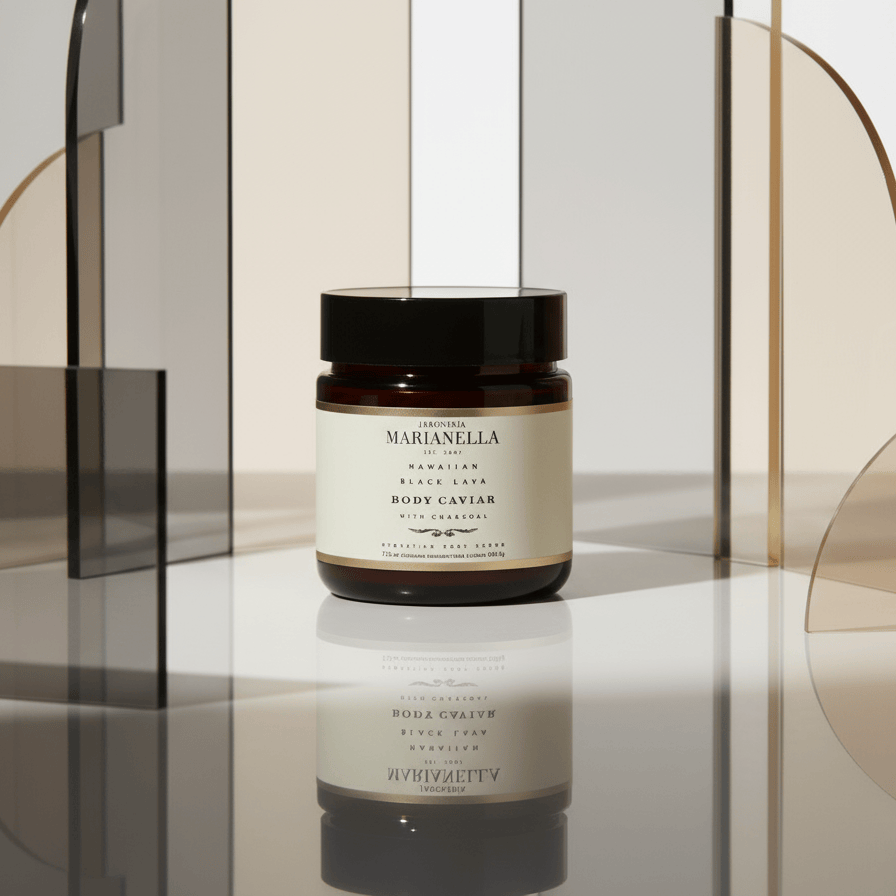
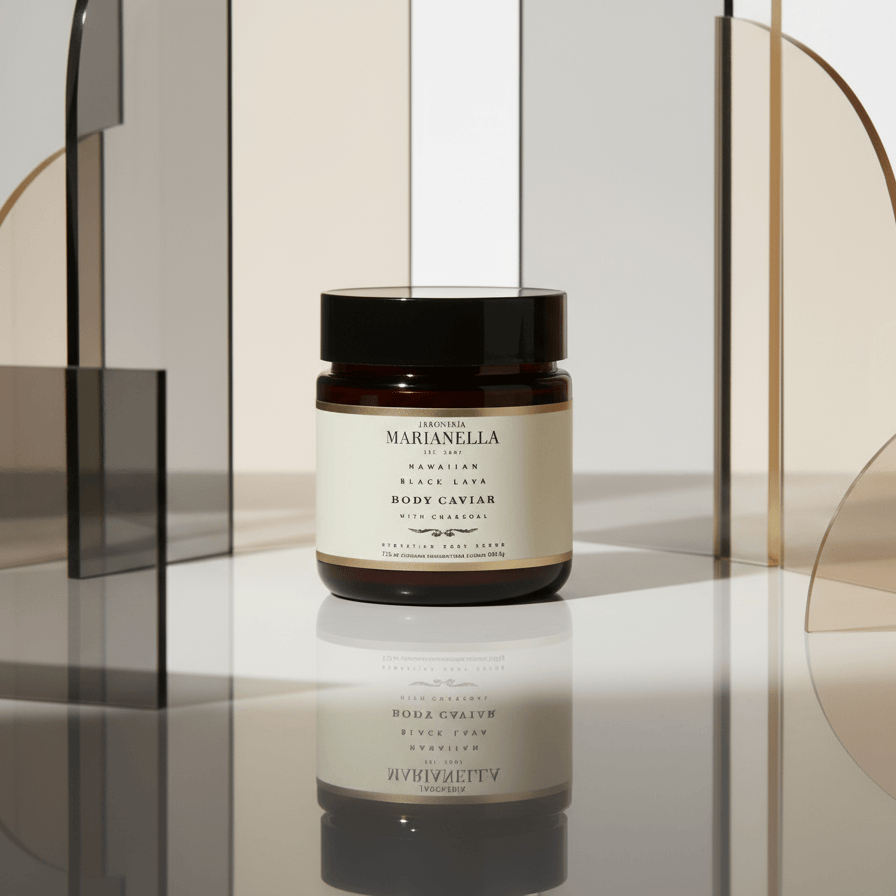
Hawaiian Black Lava Body Caviar Body Scrub with Charcoal
Sunflower seed oil anchors the emollient base of the Hawaiian Black Lava Body Caviar Body Scrub with Charcoal. The formulation pairs the oil's barrier-restoring linoleic acid with activated charcoal's clarifying draw, creating a scrub that exfoliates and conditions in a single step. Skin is cleared of surface buildup, and lipid replenishment from the sunflower seed oil begins on the fresh surface beneath. $29.
This is the kind of body care that earned Marianella recognition from People Magazine's Star Beauty Award and editorial placement in Vogue, Forbes, and Oprah. It is now available at Bloomingdale's BEAUTYSPACE alongside the broader Marianella collection.
The logic of the formulation is sound: exfoliation removes the physical barrier between actives and skin. Sunflower seed oil, delivered immediately after that disruption, works with greater efficiency. Ex vivo studies using porcine skin models have demonstrated sunflower seed oil's ability to enhance the permeation of both hydrophilic and lipophilic compounds. A scrub that combines both actions understands that sequence.
How to Use Sunflower Seed Oil Products Effectively
Apply to damp skin. Water on the surface helps emollients spread more evenly and locks in hydration before the outer layer fully dries. For a body scrub, work in gentle circular motions and rinse with cool or lukewarm water. Heat opens pores but can also increase sensitivity post-exfoliation. Cool water seals the surface.
Consistency is what the research supports. A 2013 study revealed that sunflower seed oil preserves the skin's natural barrier and improved hydration in volunteers without causing redness or irritation. Those results came from regular, sustained application, not a single use.
What to Look for in Sunflower Seed Oil Skincare Products
Formulation quality starts with the oil itself. Cold-pressed oils are better because nutrients are better preserved in this extraction method. Look for formulations that use cold-pressed oil, as they are better for the skin. Beyond extraction method, look at what the oil is paired with. Synergistic ingredients, botanical actives with complementary mechanisms, compound the benefit.
Sunflower seed oil's favorable safety profile, biocompatibility, and successful incorporation into various dermatological and cosmeceutical formulations underscore its versatility. That versatility means it belongs in serious formulations, not just as a carrier but as an active contributor to skin health outcomes.
The Bottom Line on Sunflower Seed Oil for Skin
In 2026, sunflower seed oil remains one of the most studied plant-derived oils in dermatology. The evidence for its barrier-restoring, hydrating, anti-inflammatory, and antioxidant properties is consistent across independent research conducted over decades. It is not a trend. It is a foundation.
Marianella has built formulations around ingredients that hold up under scrutiny, the same approach that has guided handcrafted production in Brooklyn since 2007. The Hawaiian Black Lava Body Caviar Body Scrub with Charcoal is a direct expression of that standard. $29.
Explore the full Marianella collection at marianella.co or find select SKUs at Bloomingdale's BEAUTYSPACE.
```

Dejar un comentario
Este sitio está protegido por hCaptcha y se aplican la Política de privacidad de hCaptcha y los Términos del servicio.