

Red hibiscus tea and the oil in a hibiscus serum come from the same plant, but from different parts of it. Hibiscus oil is pressed from the seed of roselle, Hibiscus sabdariffa, and it comes out golden yellow with a soft and light scent. Its benefits come from what the seed stores: a mix of linoleic and oleic fatty acids, plant sterols and a very high level of vitamin E. That mix is why hibiscus oil shows up in serums, soaps, lotions and body oils in 2026, and why skin that wants softness without weight responds to it.
What is hibiscus oil, if it doesn't come from the flower?
The deep red part of roselle is the calyx, the cup around the flower, and that's the part steeped for tea. Researchers studying the seed oil describe it as an industrial opportunity adding to the traditional use of roselle sepals in the elaboration of karkade tea. So the seed oil is the plant's second harvest. Using NMR and GC analyses, researchers found that Hibiscus seeds on average contained 18% oil, and for skincare that oil is usually obtained by cold pressing the seeds.
On an ingredient list it appears as Hibiscus Sabdariffa Seed Oil, which is the I.N.C.I. name given to the hibiscus vegetable oil.
Hibiscus oil benefits: what the research shows
A balanced fatty acid profile
Roselle seed oil belongs to the linoleic/oleic category, its most abundant fatty acids being C18:2 (40.1%), C18:1 (28%), C16:0 (20%), C18:0 (5.3%). Put simply, it's mostly linoleic acid (omega-6) and oleic acid (omega-9), with enough palmitic acid to give it some body. The proportions shift with where the seed was grown: one analysis of seed collections from different regions found linoleic acid ranging from 30.1-37.45%. In another study, the oil was highly unsaturated (76.45%) with linoleic acid the highest (44.39%). The seed also carries two unusual fatty acids: dihydrosterculic and vernolic acids, which helps set it apart from the everyday carrier oils.

Vitamin E, mostly in its gamma form
This is the main reason to choose hibiscus oil. In the study that gave the oil its reputation, total tocopherols were detected at an average concentration of 2000 mg/kg, including alpha-tocopherol (25%), gamma-tocopherol (74.5%), and delta-tocopherol (0.5%). Tocopherols are the vitamin E family, and they're antioxidants that dissolve in fat. On skin, that means a hibiscus oil product brings its own antioxidant protection into the bottle.
Plant sterols
Roselle seed oil's sterols include beta-sitosterol (71.9%), campesterol (13.6%), delta-5-avenasterol (5.9%), and the oil contains significant amounts of triacyglycerols (69.2±1.6%) and sterols (3.5±0.4%). Sterols are often linked to soothing skin. Even so, the mechanism by which these molecules act has not yet been fully elucidated and further research is still required.
An oil that keeps
An oil this unsaturated would normally spoil fast. This one resists. Measured by Rancimat, roselle seed oil showed an oxidative stability of 15.53 h, and a separate study put its induction period of oxidative stability at 24.88 h. A third study, comparing two roselle varieties, found good oxidative stability. In practical terms, the last drops in the bottle should smell much like the first.
What the research hasn't shown yet
Claims that hibiscus oil calms inflammation usually trace back to animal work. One study concluded that H. sabdariffa seeds possess anti-inflammatory and analgesic activities in rat model, but the extract was given by mouth, not applied to skin. That's a promising lead, not proof about what the oil does on your skin.
Hibiscus oil in serums, soaps, lotions and body oils
Serums and body oils
In a serum or a body oil, nothing comes between the hibiscus oil and the skin, so the fatty acids and vitamin E are exactly where they're meant to be. Skin care writers describe the oil as a golden yellow liquid that is easily absorbed by the skin.
Lotions
In a lotion, hibiscus oil is mixed with water, so it arrives lighter and spreads further. It suits someone who wants the benefits of hibiscus oil and also wants to get dressed quickly.
Soaps
In soap, most of the oil goes down the drain with the lather. Hibiscus oil in a cleanser works on how the bar or wash feels. If you want the oil to stay on your skin, choose a format you leave on.
The best hibiscus oil products of 2026: what to look for
Look for the INCI name, Hibiscus Sabdariffa Seed Oil, on the label. That tells you the product contains the seed oil and not only a flower extract or a fragrance note. Cold-pressed oil keeps the vitamin E the research measured. Then choose a format that leaves the oil on your skin: a body oil, a serum, or an oil made for a specific job.
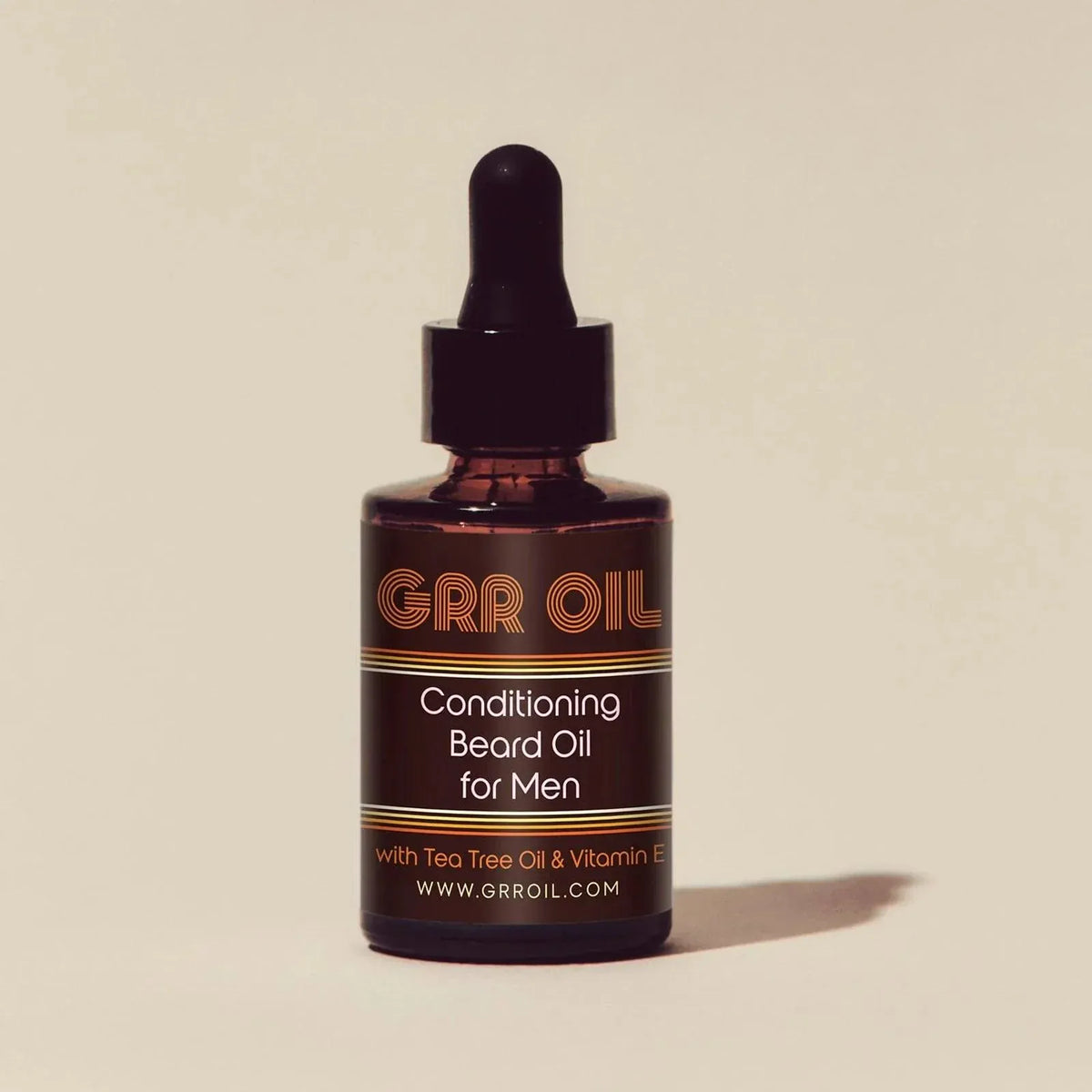
GRR Oil Beard Oil, $36
A beard grows over skin that no face oil reaches. By week two it shows up as an itch under the jaw, an itch you only notice once you start scratching. GRR Oil Beard Oil ($36) carries hibiscus oil, so the hair and the skin under it get the same oil in one pass. [Where hibiscus oil sits in the GRR Oil formula and which oils accompany it, from the Product Bible.] [GRR Oil's scent, from the Product Bible.] It's made for anyone who wears a beard, at any length, and it's handcrafted in small batches in Brooklyn, like everything we make.
GRR Oil Beard Oil is $36 at marianella.co.
FAQ
Is hibiscus oil the same as hibiscus extract?
No. Hibiscus oil is pressed from the seed and carries fat-soluble compounds: fatty acids, tocopherols and sterols. Hibiscus extracts are usually made from the red calyces, which researchers analyze separately; in one study, different parts of the plant were tested for water-soluble antioxidant capacity, lipid-soluble antioxidant capacity, and tocopherol content, and the seeds stood out for lipid-soluble antioxidants. Check the label to see which one a product actually contains.
Is hibiscus oil good for dry skin?
It's often recommended for dry skin. Skin care sources call hibiscus vegetable oil relipidating and say it is recommended for taking care of dry skin and dehydrated skin. That fits its mostly linoleic and oleic fatty acid profile.
Does hibiscus oil go rancid quickly?
Not quickly for an oil this unsaturated. Lab measurements put its oxidative stability between about 15 and 25 hours under accelerated testing, and researchers credit its high gamma-tocopherol content as a natural antioxidant. Keep it away from heat and direct sun, as you would any plant oil.
Can hibiscus oil be used on a beard?
Yes. A light, absorbent oil suits both beard hair and the skin underneath. Our GRR Oil Beard Oil ($36) carries hibiscus oil for exactly that.
Is hibiscus oil anti-inflammatory?
The evidence is early. Animal studies of roselle seed extracts taken by mouth showed anti-inflammatory activity, and the oil's sterols are thought to help, but how they work on skin hasn't been established.

Dejar un comentario
Este sitio está protegido por hCaptcha y se aplican la Política de privacidad de hCaptcha y los Términos del servicio.