

Grapeseed Oil Skincare Benefits: What the Research Actually Shows
Grapeseed oil supports skin hydration, barrier repair, and antioxidant defense because of one standout trait: an unusually high concentration of linoleic acid, an essential fatty acid the skin cannot produce on its own. Linoleic acid is the most abundant fatty acid in cold-pressed grape seed oils, contributing to between 66.0% and 75.3% of total fatty acids. That number matters. It places grapeseed oil among the highest linoleic acid sources used in skincare formulation, ahead of many oils marketed as "lightweight" alternatives.
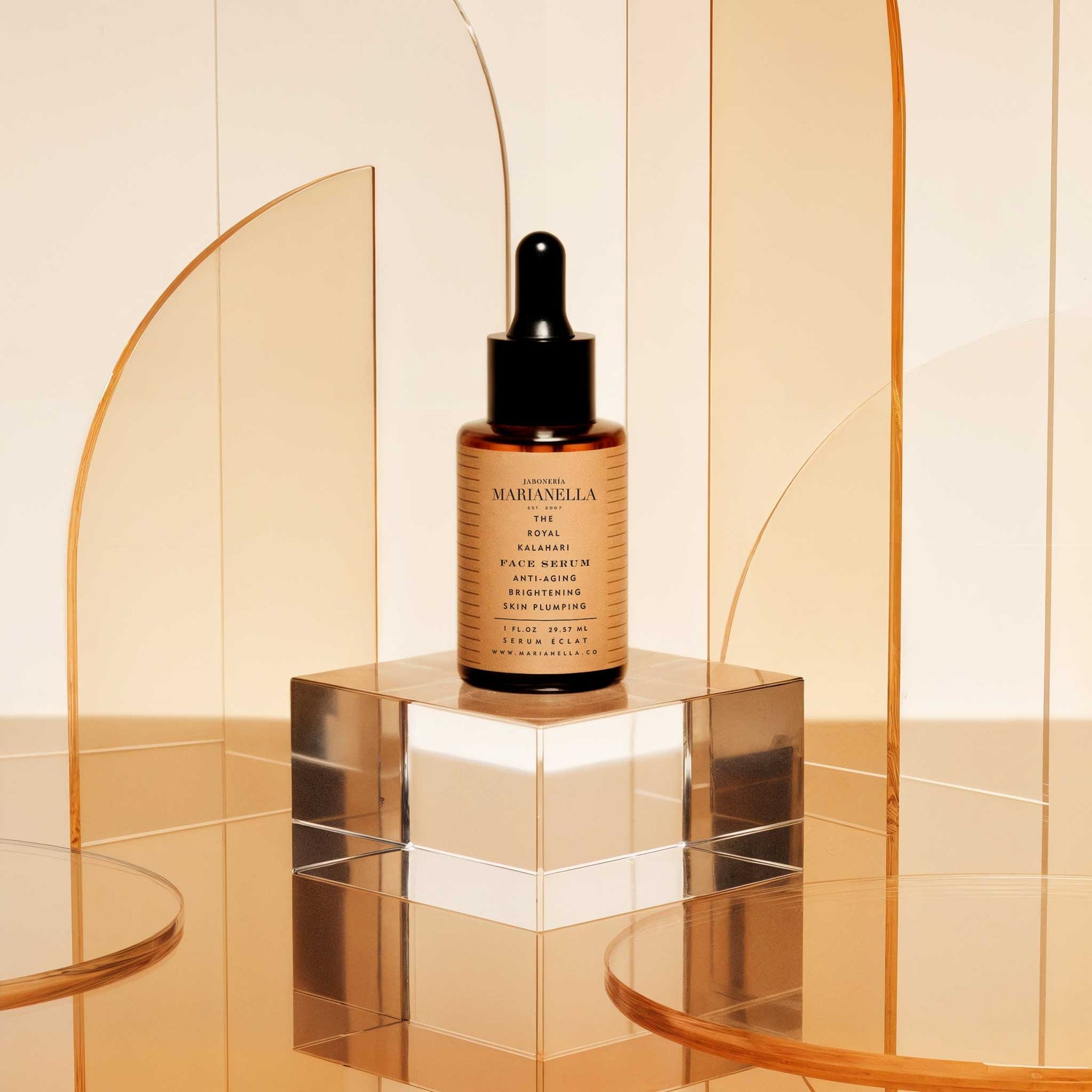
At Marianella, this is why grapeseed oil appears across several of our face formulas, including the Royal Kalahari Face Serum and Plum Face Oil. We have spent 18 years of formulation expertise, since founding the brand in Brooklyn in 2007, learning which oils actually change the skin and which ones simply sit on top of it. Grapeseed oil earns its place through data, not trend.
What Is Grapeseed Oil?
Grape seed oil is a vegetable oil pressed from the seeds of various varieties of Vitis vinifera grapes, an abundant by-product of winemaking. In skincare formulation, it functions as an emollient and antioxidant carrier oil. It is an emollient oil that reduces trans-epidermal water loss and represents no hazard to the skin when applied topically, functioning as a moisturizer and antioxidant that supports skin repair. Unlike heavier plant oils, grapeseed oil is thin in texture and absorbs into skin quickly rather than leaving a film.

|
$50 |

|
$32 |

|
$32 |

|
$50 |
The Fatty Acid Profile Behind Grapeseed Oil for Skin
The fatty acid composition of grapeseed oil is what separates it from denser oils like avocado or olive. Beyond linoleic acid, grapeseed oil contains oleic acid (roughly 14 to 20%) and a smaller fraction of saturated fats (around 10%). This ratio, heavy on linoleic acid and light on saturated fat, is why the oil feels dry-touch rather than greasy on application.
Linoleic acid is the most abundant fatty acid in cold-pressed grapeseed oils and has been found to play a direct role in maintaining the integrity of the water permeability barrier of the skin. A compromised barrier shows up as flaking, tightness, and increased sensitivity. Feeding the barrier the fatty acid it is already built from is a more direct approach than layering on occlusive balms alone.
Grapeseed Oil for Skin: Hydration and Barrier Repair
The clinical data on grapeseed oil and hydration is more specific than most oil marketing claims allow. A 12-week clinical trial with 40 volunteers tested a formulation containing grape seed polyphenols and found statistically significant improvements in skin hydration compared to a placebo, with an effect size large enough to be clinically noticeable, not just statistically detectable.
Separate barrier research found the oil performed against an unexpected benchmark. Petrolatum is considered the gold standard for preventing moisture loss, and the fact that grapeseed oil outperformed it suggests it is doing more than simply sitting on the surface, with linoleic acid appearing to integrate into the skin barrier and repair it rather than just forming a protective seal on top. The study also noted no adverse effects from the grapeseed oil treatment, and skin pH improved alongside the other measures.
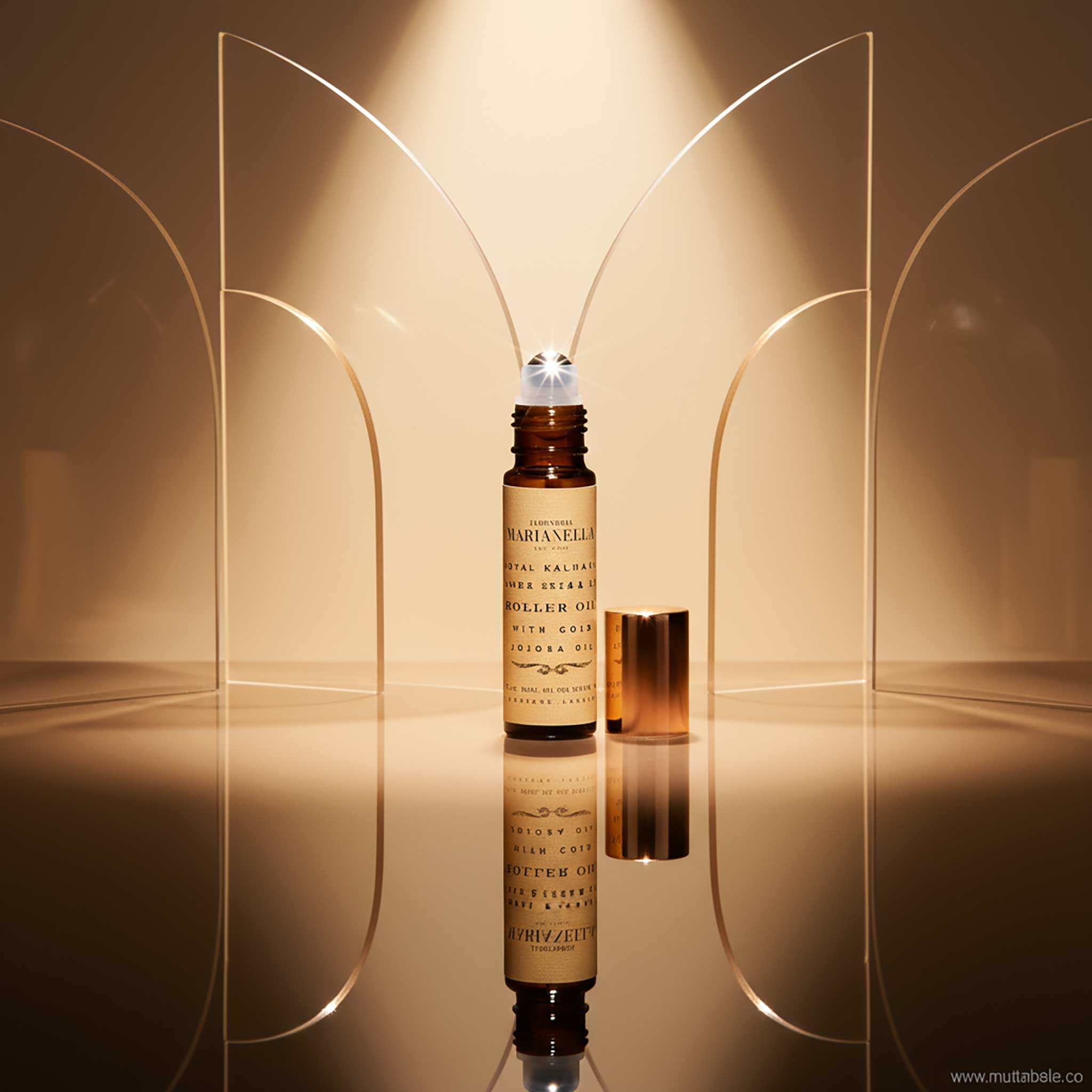
This is the mechanism behind Marianella's Royal Kalahari Under Eye and Lip Serum Roller Oil ($32), where grapeseed oil helps deliver hydration to thinner, more reactive skin without heaviness.
Why Grapeseed Oil Feels Different From Other Face Oils
Texture is a formulation detail people notice immediately. Independent cosmetic chemistry sources classify grapeseed oil with a low comedogenic rating, describing it as a true "dry oil" that is non-comedogenic, thin in viscosity, and fast-absorbing, leaving the skin feeling soft and smooth without any heavy, greasy residue. That profile makes it suitable for combination and oily skin types that typically avoid facial oils altogether.
Antioxidant Protection: The Proanthocyanidin Factor
Linoleic acid explains the hydration story. Proanthocyanidins explain the anti-aging story. Vitamin E and oligomeric proanthocyanidins are probably the most abundant antioxidants in grapeseed oil, functioning to prevent and repair free radical damage to the skin.
The strength of this antioxidant activity has been documented against more familiar reference points. Proanthocyanidins in grape seed extract contain 20 times the antioxidant power of vitamin E and 50 times the antioxidant power of vitamin C, fighting free radicals from the sun to protect the skin. That comparison is why grapeseed-derived ingredients keep showing up in formulas positioned for environmental defense, including Marianella's Midnight Youth Potion ($50), designed for overnight repair when skin is most receptive to antioxidant activity.
Vitamin E Content and Free Radical Defense
Vitamin E does double duty in grapeseed oil, both as a nutrient and as a stabilizer for the oil itself. Grapeseed oil contains a good amount of vitamin E, an important antioxidant, offering about double the vitamin E found in olive oil. Vitamin E's role in skin includes protecting cells from oxidative stress, which compounds daily from UV exposure, pollution, and blue light, three factors most skin barriers face before 10 a.m.
Anti-Aging and UV-Related Support
Photoaging is driven by oxidative damage to collagen and elastin. Research specifically on grapeseed oil and UV exposure found supportive results. A 2020 study found that grapeseed oil is an effective natural ingredient for protecting the skin against UV rays and supporting healthy skin aging. This does not replace sunscreen. It functions as a secondary layer of defense within a broader routine.
Collagen support is the other half of the anti-aging conversation. As we age, collagen synthesis slows and existing collagen begins to degrade, leading to sagging and wrinkle formation, and research suggests the proanthocyanidins in grape seed extract can help stimulate collagen synthesis. Formulas that combine grapeseed oil with other actives are positioning the skin for both prevention and repair simultaneously, which is the logic behind pairing it with resveratrol and vitamin C derivatives in the Royal Kalahari Face Serum ($50).
Wound Healing and Inflammation Response
Grape seed compounds have also been studied for their role in tissue repair beyond daily moisturizing. In vivo research found grape seed proanthocyanidin treatment accelerated wound healing, granulation tissue formation, collagen deposition, and angiogenesis in mice. For skincare formulation, this translates to faster recovery from micro-irritation caused by exfoliation, environmental stress, or barrier disruption.
Best Grapeseed Oil Products 2026: What to Look For
Not every grapeseed oil product is formulated the same way. Extraction method, oxidation stability, and what the oil is paired with all affect real-world results. Heading into 2026, three qualities separate a well-formulated grapeseed oil product from a filler ingredient list.
1. Cold-Pressed, Not Solvent-Extracted
Cold-pressed extraction preserves more of the oil's natural fatty acid and antioxidant content compared to solvent extraction methods. Since linoleic acid contributes between 66.0% and 75.3% of total fatty acids in cold-pressed grape seed oils specifically, extraction method is not a minor detail. It determines whether the finished product delivers the fatty acid profile the research is actually describing.
2. Paired With Complementary Antioxidants
Grapeseed oil performs best in formulas that layer it with other stabilized antioxidants rather than using it as a solo ingredient. This is the approach behind Marianella's Plum Face Oil ($32), which combines grapeseed oil with other botanical oils for a lightweight finish suited to layering under makeup or beneath a night cream.
3. Formulated in Small Batches
Oil oxidation is a real formulation risk. Facial oils made in large industrial batches can sit in storage for months before reaching a shelf, which degrades the antioxidant compounds that make grapeseed oil valuable in the first place. Marianella's small-batch model, handcrafted in Brooklyn, is built around minimizing that gap between formulation and use.
Grapeseed Oil for Different Skin Types
Oily and Combination Skin
The comedogenic profile of grapeseed oil makes it one of the more tolerated facial oils for skin types that typically avoid oil-based products. Its dry-touch finish and fast absorption mean it will not add to surface shine the way heavier oils can.
Sensitive and Reactive Skin
The anti-inflammatory activity tied to grapeseed oil's polyphenol content makes it a candidate for reactive skin types. Polyphenols may help reduce skin inflammation by blocking inflammatory pathways that can lead to skin swelling, discoloration, and dryness. This is one reason grapeseed oil appears in the delicate under-eye and lip formula rather than only in richer, heavier night treatments.
Mature Skin
For mature skin, the combination of barrier-supporting linoleic acid and collagen-supporting proanthocyanidins addresses two aging mechanisms at once: moisture loss and structural protein breakdown. This dual action is why grapeseed oil sits alongside more headline-grabbing actives like retinol and vitamin C in serious anti-aging formulations, rather than being treated as filler.
The Marianella Approach to Grapeseed Oil
Marianella has built its formulation philosophy on three generations of Venezuelan botanical beauty knowledge, translated through 18 years of small-batch work in Brooklyn. Grapeseed oil fits naturally into that approach: a well-researched, multi-functional botanical rather than a marketing ingredient. It appears in the Royal Kalahari Face Serum ($50), the Royal Kalahari Under Eye and Lip Serum Roller Oil ($32), Plum Face Oil ($32), and The Midnight Youth Potion ($50), each formulated to use the oil's fatty acid and antioxidant profile for a specific purpose rather than as a single catch-all solution.
This formulation philosophy has been recognized outside the brand as well, with Marianella earning a People Magazine Star Beauty Award and coverage in Vogue, Forbes, and on Oprah's platform. The brand is now available at Bloomingdale's BEAUTYSPACE, alongside 82 products spanning face, body, and home.
Frequently Asked Questions
Is grapeseed oil good for acne-prone skin?
Its lightweight, low-comedogenic profile and anti-inflammatory polyphenol content make it a reasonable option for acne-prone skin, though results vary by individual skin chemistry and the rest of a formula's ingredient list.
Can grapeseed oil replace a moisturizer?
Grapeseed oil supports barrier function and reduces water loss, but it works best layered within a routine rather than as a sole moisturizer, particularly for drier skin types that need more occlusive support.
How is grapeseed oil different from grapeseed extract?
Grapeseed extract results from grinding and often water or alcohol extraction and is richer in proanthocyanidins and different antioxidants, making it, due to its water-soluble nature, an entirely different ingredient than the oil. Both are used in skincare, but they behave differently in formulation and application.
Final Word
Grapeseed oil earns its place in a serious skincare routine through documented fatty acid content, measurable hydration outcomes, and antioxidant activity that holds up in clinical comparison. It is not a wellness trend ingredient. It is a well-studied oil doing a specific, measurable job in the skin barrier.
Explore how grapeseed oil is formulated across the Marianella line, from the Royal Kalahari Face Serum to Plum Face Oil, and see which fits your skin's current needs.

Dejar un comentario
Este sitio está protegido por hCaptcha y se aplican la Política de privacidad de hCaptcha y los Términos del servicio.