

Coconut oil beauty benefits come down to one number: nearly half of its fatty acid content is lauric acid, a medium-chain compound with documented antimicrobial, hydrating, and barrier-repairing properties. Virgin coconut oil is composed mainly of saturated fatty acids, including capric, caprylic, lauric, linoleic, myristic, oleic, palmitic, and stearic acids, along with medium-chain triglycerides, polyphenols, iron, and vitamins E and K. That composition is why coconut oil shows up in body scrubs, cleansers, and moisturizers across the industry, and why Marianella works with it in small batches, handcrafted in Brooklyn. This guide walks through the actual science, where coconut oil earns its reputation, where it does not, and which formats make sense for face versus body in 2026.
What Is Coconut Oil?
Coconut oil is a plant-derived fat pressed from the meat of mature coconuts, valued in skincare for its high concentration of medium-chain fatty acids rather than the long-chain fatty acids found in most vegetable oils. Unlike the long-chain fatty acids in most vegetable oils, medium-chain triglycerides have a smaller molecular size that allows transdermal penetration, meaning coconut oil hydrates at the cellular level rather than sitting on the skin surface. Unrefined, or virgin, coconut oil retains its full profile of fatty acids and antioxidants, while refined versions strip out much of what makes the ingredient interesting for skin. That distinction matters for anyone comparing coconut oil benefits across product labels.
The Science Behind Coconut Oil Skin Benefits
Lauric Acid and Antimicrobial Activity
Lauric acid makes up roughly 49% of virgin coconut oil's fatty acid content. Once absorbed, it converts into monolaurin, and the monoglyceride monolaurin, derived from lauric acid, makes up 50% of the fat content of coconut and exhibits notable antibacterial effects against Propionibacterium acnes, Staphylococcus aureus, and Staphylococcus epidermidis. Researchers have compared this activity directly against a common acne treatment: lauric acid's minimum inhibitory concentration against P. acnes is over 15 times lower than that of benzoyl peroxide, meaning it kills acne-causing bacteria at far lower concentrations. This is one reason coconut oil-infused formulas are marketed toward breakout-prone body skin, though, as covered below, the story is more nuanced for the face.

|
$29 |

|
$38 |
Barrier Repair and Hydration Data
The hydrating claims around coconut oil are not just anecdotal. In a four-week clinical study, the experiment was conducted over a total of four weeks with 20 subjects, who applied coconut oil once a day after showering, rubbing it into the skin until fully absorbed. The results were statistically significant, and a subjective self-assessment found that current skin moisture and current skin texture showed the greatest improvement, at 165.27% and 180.6% respectively. A related analysis of the same barrier research found that transepidermal water loss decreased 27.70% at two weeks and 36.97% at four weeks, indicating a stronger skin barrier and improved hydration retention. Fewer dead skin cells were also recorded over the study period, supporting the idea that coconut oil benefits go beyond surface softness into measurable barrier function.
Antioxidant and Collagen-Supporting Effects
Beyond hydration, coconut oil has been studied for its role in skin repair after UV stress. In a 2017 study, researchers examined the effects of cultured coconut extract on human skin exposed to ultraviolet B radiation, and treated samples showed elevated expression of cornified cell envelope components that aid the stratum corneum in providing skin protection, along with increased collagen and hyaluronan synthase-3 expression. The authors concluded that the extract improved barrier function and delivered anti-inflammatory activity, roles they attributed to the abundant polyphenols and fatty acids found in coconut. This is the mechanism behind coconut oil's inclusion in formulas aimed at texture, tone, and resilience rather than just moisture.
Coconut Oil Benefits for Skin, By the Numbers
- Hydration: up to 148.89% improvement in measured skin moisture after four weeks of daily use, per the barrier study cited above.
- Barrier strength: transepidermal water loss reduced by nearly 37% over the same period.
- Antimicrobial reach: effective against Staphylococcus aureus, Staphylococcus epidermidis, and Propionibacterium acnes, the bacteria strains most associated with body breakouts and minor skin irritation.
- Composition: roughly 49% lauric acid, 18% myristic acid, 8% palmitic acid, 8% caprylic acid, 7% capric acid, 6% oleic acid, and smaller amounts of linoleic and stearic acid, plus vitamins E and K.
Taken together, these figures explain why coconut oil remains a fixture in eco-luxury formulation. It is not a single-note ingredient; it is a fatty acid complex that hydrates, calms, and reinforces at the same time.
Is Coconut Oil Right for Every Skin Type?
The Comedogenic Question
Coconut oil's reputation is not without caveats, and an honest answer requires naming them. Coconut oil carries a comedogenicity index of 4 out of 5, which can make it incompatible with oily or acne-prone skin because it may clog already congested pores. A widely cited 2025 dermatology-adjacent study reinforced this: over 40% of daily coconut oil users experienced increased clogged pores, breakouts, or skin sensitivity, especially among those with oily or acne-prone skin. This does not cancel out the barrier and hydration research above; it simply means format and placement matter.
Face Versus Body Application
Where coconut oil is rinsed away, as in a cleanser, the pore-clogging concern is largely moot because the oil never sits on skin long enough to build up. Where it is applied to the body, the calculation changes further. For body skin, where comedogenic risk is lower than on the face due to fewer oil glands and larger follicles, coconut oil's antimicrobial property becomes a meaningful protective benefit rather than a liability. This is the logic behind formulating coconut oil into a rinse-off face wash and a body scrub rather than a leave-on facial serum, a distinction worth understanding before shopping for the best coconut oil products in 2026.
Best Coconut Oil Products 2026: Where Marianella Uses It
Marianella is the only Venezuelan-founded, independent, luxury skincare and home fragrance brand in the United States, handcrafted in small batches in Brooklyn since 2007. Coconut oil appears in two formulas built around the strengths outlined above: cleansing and exfoliation, not leave-on facial treatment.
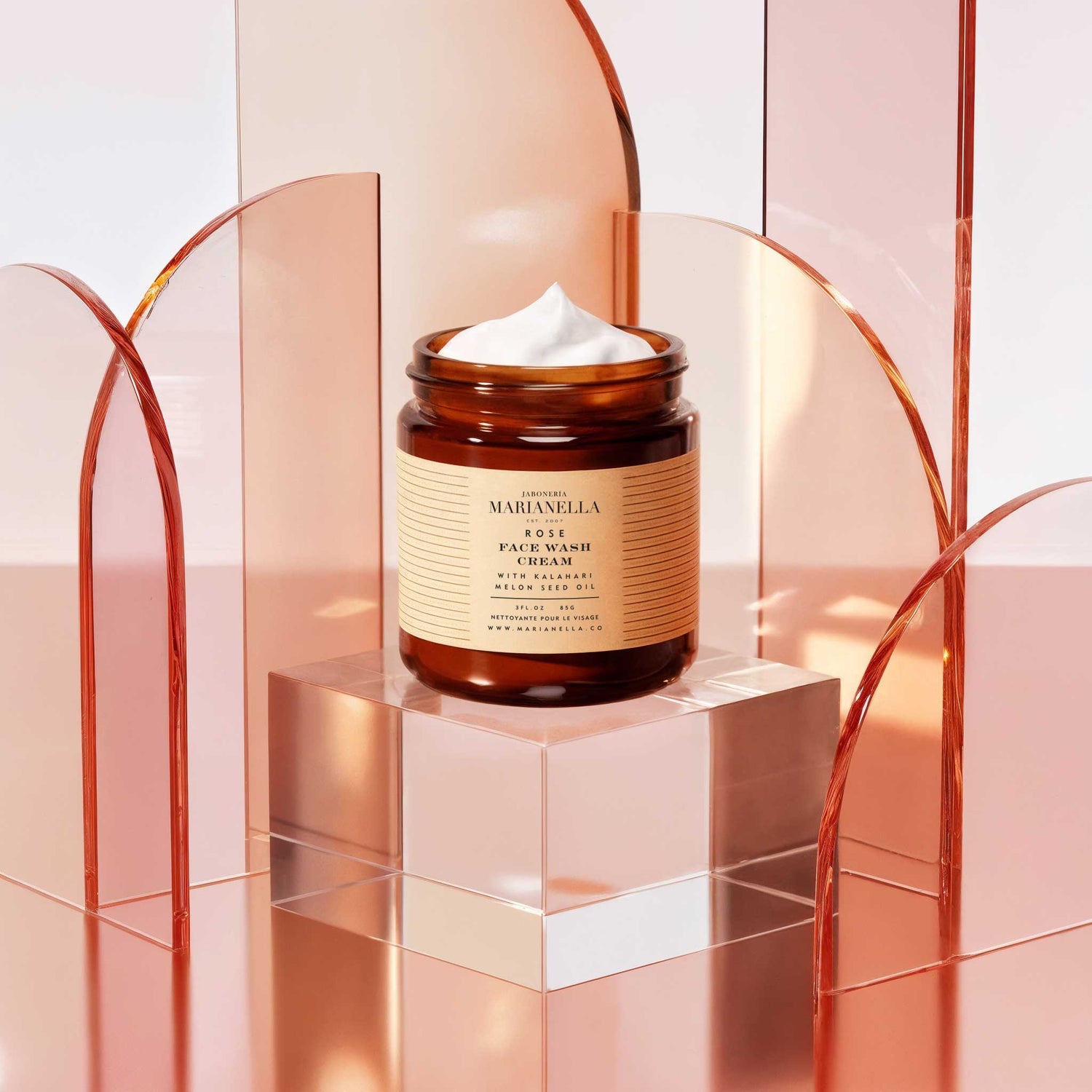
Rose Face Wash Cream, $29
The Rose Face Wash Cream is a rinse-off cleanser, the format where coconut oil's cleansing and antimicrobial qualities are most useful without the comedogenic tradeoff associated with leave-on face oils. It is designed to lift the day's residue while leaving skin balanced rather than stripped.
Hawaiian Black Lava Body Caviar Body Scrub with Charcoal, $38
The Hawaiian Black Lava Body Caviar Body Scrub with Charcoal pairs coconut oil with charcoal in an exfoliating body treatment, a category where, as the research above notes, coconut oil's antimicrobial and moisturizing profile is a genuine asset rather than a pore-clogging risk. It is built to soften and polish body skin in a single step.
How to Work Coconut Oil Into a 2026 Routine
The most evidence-backed use case for coconut oil is still the body, not the face. Apply a coconut oil-infused scrub two to three times a week to address rough texture and dryness, and follow with a lightweight moisturizer to lock in the hydration gains documented in the barrier studies above. On the face, favor rinse-off formats like a cream cleanser over leave-on oils unless skin is on the drier end of the spectrum and tolerates richer textures well. This approach lets someone capture the coconut oil benefits, hydration, barrier support, and antimicrobial protection, while sidestepping the congestion risk that comes with heavier, leave-on applications.
Explore coconut oil-formulated pieces in Marianella's Face and Body collections, handcrafted in small batches in Brooklyn.
FAQ
Is coconut oil good for the face or just the body?
Coconut oil works best on the body, where lower oil-gland density and larger follicles reduce clogging risk while still benefiting from its antimicrobial and hydrating properties. On the face, rinse-off formats like cleansers are generally a safer way to access coconut oil's benefits than leave-on oils, especially for oily or acne-prone skin.
What percentage of coconut oil is lauric acid?
Virgin coconut oil is roughly 49% lauric acid, the medium-chain fatty acid responsible for most of its antimicrobial and barrier-supporting activity. This concentration is higher than what is found in most other plant oils, which is why coconut oil is singled out in dermatology research over other carrier oils.
Does coconut oil clog pores?
It can. Coconut oil has a comedogenicity index of 4 out of 5, meaning it is more likely than many oils to block pores on oily or acne-prone skin. This risk is significantly lower in rinse-off formats like cleansers or in body applications, where follicles are larger and oil glands are less concentrated.
How long does it take to see results from coconut oil on skin?
Clinical data shows measurable change within two to four weeks of daily use. Skin moisture increased 100.36% after two weeks and 148.89% after four weeks, while transepidermal water loss dropped 27.70% and then 36.97% over the same periods, indicating both quick initial gains and continued improvement with consistent use.
What makes coconut oil different from other plant oils in skincare?
Its fatty acid profile is unusual: it is dominated by medium-chain triglycerides rather than the long-chain fatty acids in oils like olive or almond. These medium-chain triglycerides have a smaller molecular size that allows transdermal penetration, meaning coconut oil hydrates at a cellular level rather than sitting on the skin surface. That structural difference is behind both its fast-absorbing feel and its antimicrobial reach.

Dejar un comentario
Este sitio está protegido por hCaptcha y se aplican la Política de privacidad de hCaptcha y los Términos del servicio.