


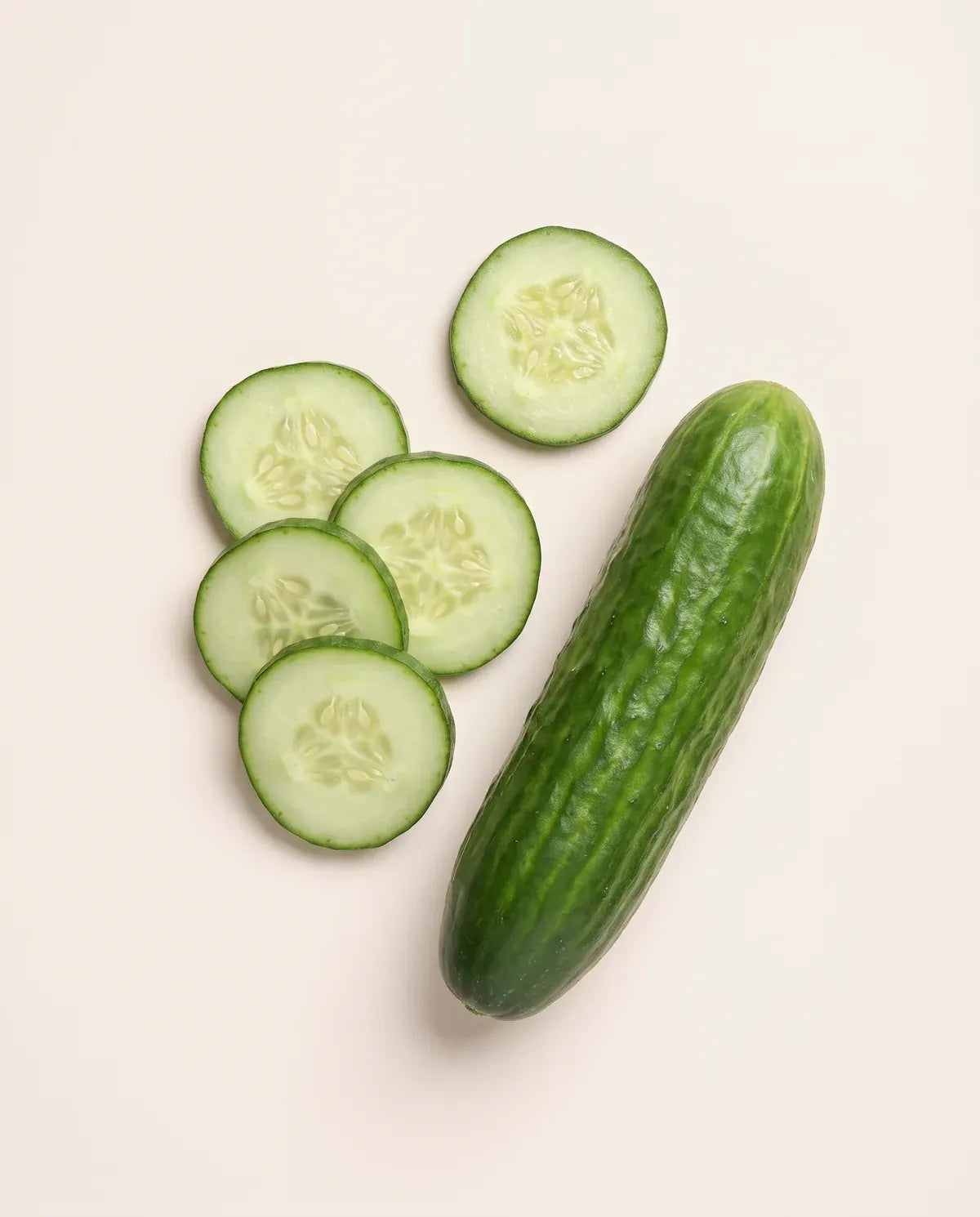
Cucumber extract cools the skin, adds light hydration and helps the skin's outer layer hold on to the water it already has. Those effects are well understood and easy to feel. Its antioxidant activity and its effect on the enzymes that break down elastin and hyaluronic acid are real findings too, but they come from the lab, not from trials on faces. In a routine, cucumber is a comfort ingredient: gentle, suited to nearly every skin type, and a good companion to stronger actives.
Why it feels cool
The cooling sensation has a plain explanation. A cucumber is about 95 percent water, and the inside of the fruit can sit up to 20 degrees cooler than the air around it. In an extract, that water carries sugars, minerals and small amounts of vitamin C, so the first thing skin registers is a cool, watery layer that sinks in quickly and leaves nothing heavy behind.
That feel is why cucumber has been a fixture of eye creams and gels for so long. Its cooling quality helps the eye area look less puffy and the look of dark circles less pronounced, at least for a while, much as a cold compress does.
Hydration that lasts past the first minute
Water alone evaporates. The more lasting part of cucumber's effect comes from the phytosterols and fatty acids in the extract, which support the skin barrier and reduce transepidermal water loss, the steady escape of moisture through the skin. Less water loss means skin keeps more of what you give it, whatever else is in your routine.
Put plainly, cucumber is not the layer that floods skin with moisture. It is a layer that helps the moisture you have already applied stay put. That makes it useful early in a routine, under an oil or cream that seals everything in.
The antioxidant and enzyme findings, read carefully
This is where cucumber gets interesting, and where marketing tends to overreach. A study in the Archives of Dermatological Research (Nema and colleagues, 2011) identified cucumber fruit as a potential antioxidant and found that it slowed two enzymes in testing: hyaluronidase, which breaks down hyaluronic acid, and elastase, which breaks down elastin. Slowing either one is a structural argument, not just a sensory one.
A 2024 laboratory study put numbers on the antioxidant side. A cucumber formulation scored 90 percent in two standard antioxidant tests, against 92 percent for the synthetic reference. That is a respectable showing for a fruit.
Both are test-tube results. Nobody has yet shown, in a trial on people, that cucumber extract makes lines look softer. The fair reading is that cucumber brings antioxidant support to a formula and that the enzyme work is promising. Anyone who tells you it firms or lifts skin is going past the evidence.
The brightening claim, weighed
You will see cucumber sold as a brightener. The basis is that it contains vitamin C and caffeic acid, and that two of its cucurbitacins appear in lab work to slow tyrosinase, the enzyme behind pigment production. Some small studies of cucumber creams have reported less visible pigment and less oil on the skin.
The honest summary is that cucumber may lend a little help to a brightening formula, but at the levels used in skincare it is a supporting player. If an even-looking tone is your main goal, look for a serum built around a stable vitamin C or niacinamide, and think of cucumber as what keeps that serum comfortable.
Who cucumber extract suits
Cucumber suits almost everyone, which is unusual for a botanical. Its fragrant components are not considered sensitizing, so it fits sensitive skin. Normal and combination skin get hydration without heaviness, and oily skin gets water without grease. Dry skin benefits too, as long as an oil or cream goes on top.
It earns its place most clearly when skin looks red after a workout or a hot shower, feels tight after a flight, looks puffy after a short night, or feels irritated after a run of strong exfoliating acids. In each case it adds comfort without adding another demanding active.
Where it belongs in a routine
Cucumber extract is a water-based ingredient, so it belongs in a toner, gel or light serum, applied early to clean or slightly damp skin. Then layer an oil or cream over it to hold the hydration in: the extract slows water loss, and a layer of oil on top adds to that.
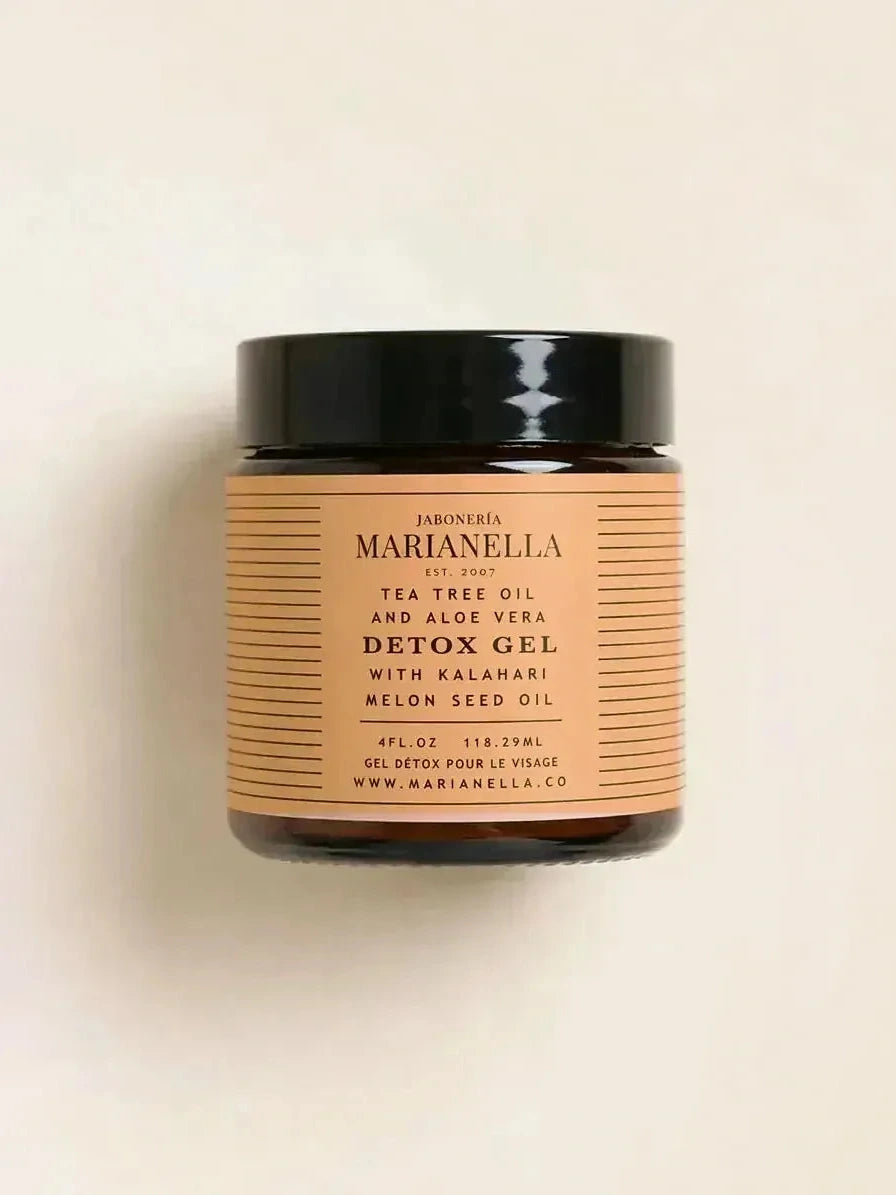
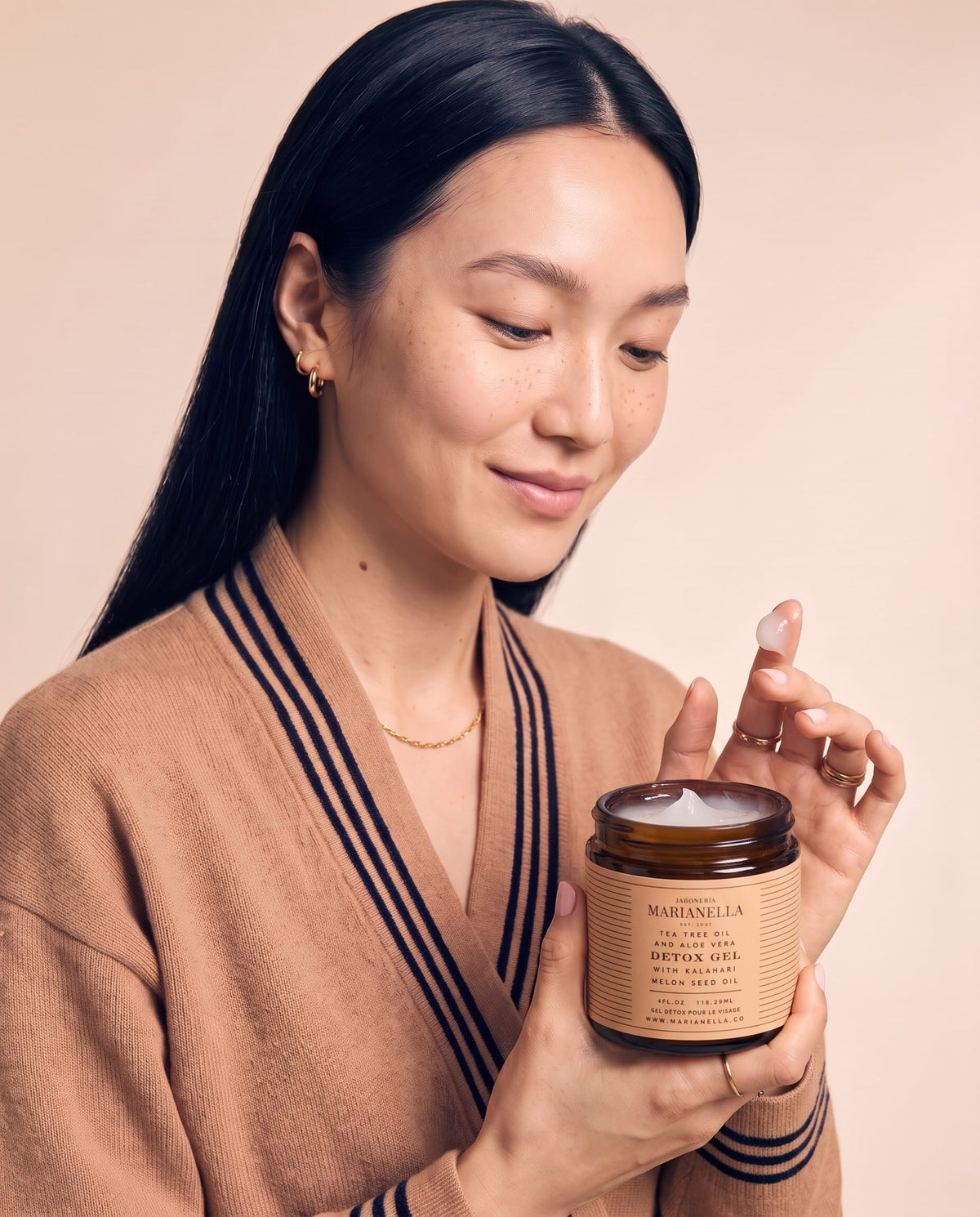
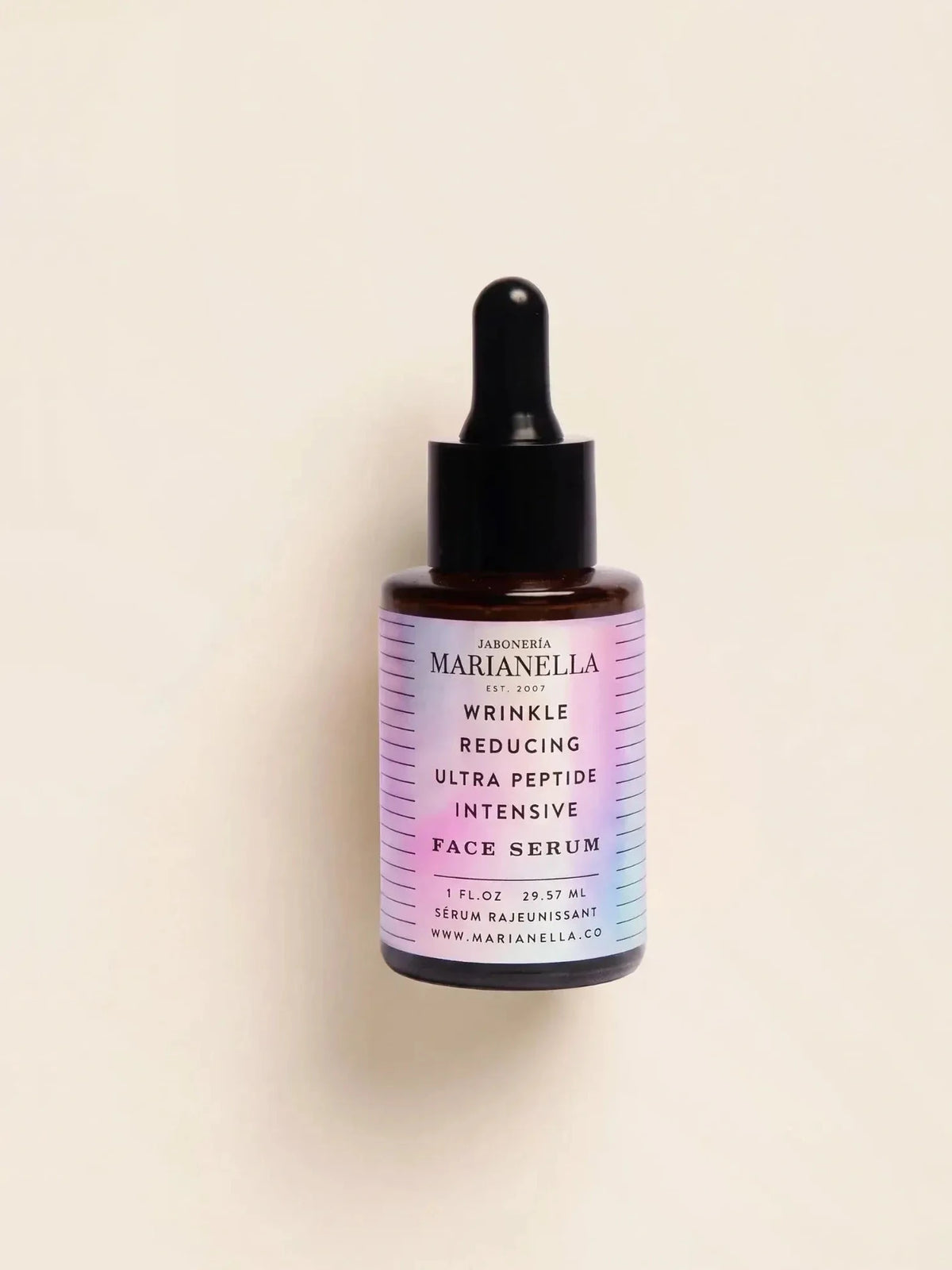
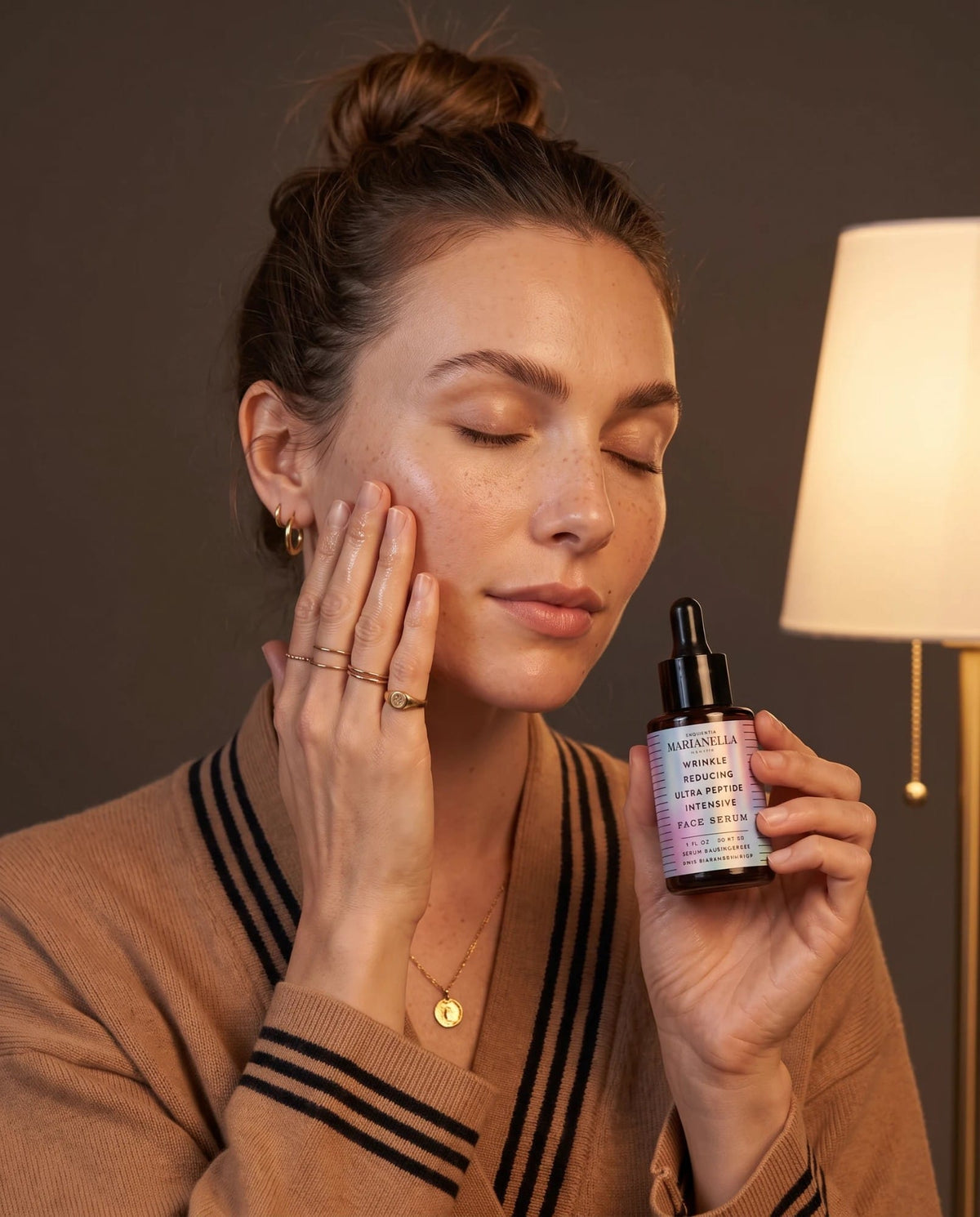
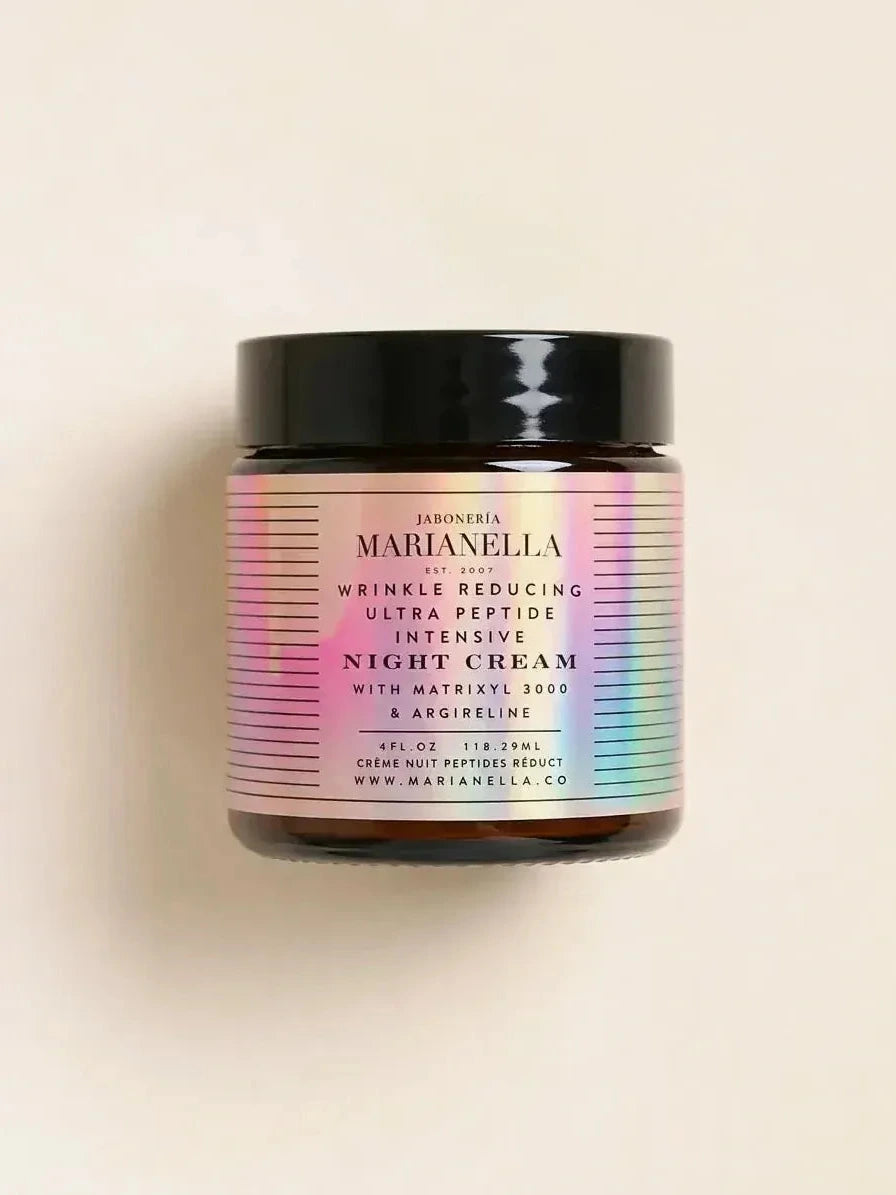
In our range it appears in the Vitamin C Collagen Boosting Face Serum with Niacinamide, where it joins aloe for cooling, light hydration beside vitamin C and niacinamide. Press in three or four drops after cleansing, then follow with a moisturizer or face oil, and finish with sunscreen in the morning. If you want a second cooling step, our Detox Gel is a light aloe gel that sits between toning and moisturizing. You can find every ingredient we use in our Ingredient Library.
Questions people ask about cucumber extract
Is cucumber extract the same as cucumber juice or slices?
No. An extract is filtered and often concentrated, so its compounds are present at steadier levels, and it is preserved inside a finished formula. Fresh juice spoils quickly, and slices on the eyes give a cooling moment and little else that lasts.
Does cucumber extract help puffy eyes?
It can help the eye area look less puffy for a while, mostly through its cooling effect. Think of it as a refresh rather than a lasting change.
Is cucumber extract good for sensitive skin?
Generally, yes. It is gentle, and its fragrant components are not considered sensitizing. Patch test any new product, as always.
Will cucumber extract brighten dark spots?
Not on its own. Lab work suggests some of its compounds slow pigment production, but at skincare levels it supports a brightening formula rather than leading one.



















Leave a comment
This site is protected by hCaptcha and the hCaptcha Privacy Policy and Terms of Service apply.