



Tocopherol is vitamin E. When you see it on a skincare label, the formula contains the fat-soluble antioxidant your skin already relies on in its oily outer layers, and it is usually there for two reasons: to help skin stand up to the daily wear of sun and pollution, and to keep the plant oils in the bottle from going stale. Tocopheryl acetate is a steadier form of the same vitamin that skin converts before it goes to work. Both are worth knowing how to read.
One vitamin, several names on the label
Vitamin E is a family of eight compounds: four tocopherols and four tocotrienols, each in alpha, beta, gamma and delta forms. On an ingredient list you are most likely to meet these:
- Tocopherol or alpha-tocopherol: the free form. It acts directly and is the form with the strongest research behind it.
- Mixed tocopherols: a blend of several forms, often drawn from plant oils.
- Tocopheryl acetate: an ester, bonded to keep it stable in the bottle. Skin has to convert it to tocopherol before it acts, so it is slower to start but holds up well over time.
- Tocotrienols: the less common half of the family, seen less often in skincare.
Vitamin E also arrives without being named. Many cold-pressed plant oils carry their own natural tocopherols, so a bottle can contain vitamin E even when the label lists a single oil.
What tocopherol does on skin
The skin's barrier is held together by fats. When sunlight, pollution or blue light reach it, they produce reactive molecules that attack those fats in a chain reaction called lipid peroxidation: one damaged fat damages the next. Tocopherol sits inside those same fatty layers and stops the chain by giving up a hydrogen atom to the reactive molecule, leaving a stable one in its place. Research shows it can neutralize several of the most damaging of these molecules.
Each tocopherol molecule is used up when it does this. Vitamin C, which works in the watery parts of the skin, can restore it to its active form, which is why the two are so often found together.
Because tocopherol is an oil-loving molecule, it also blends into the lipid matrix that keeps water in. With regular use it helps reduce moisture loss and supports a barrier that feels less dry and less easily bothered. None of this replaces sunscreen. It works alongside it.
What tocopherol does in the bottle
Plant oils go stale when air and light oxidize them. You notice it as a flat or sharp smell and a change in how the oil feels. Tocopherol slows that process, so it is often in a formula as much to protect the formula as to protect your skin.
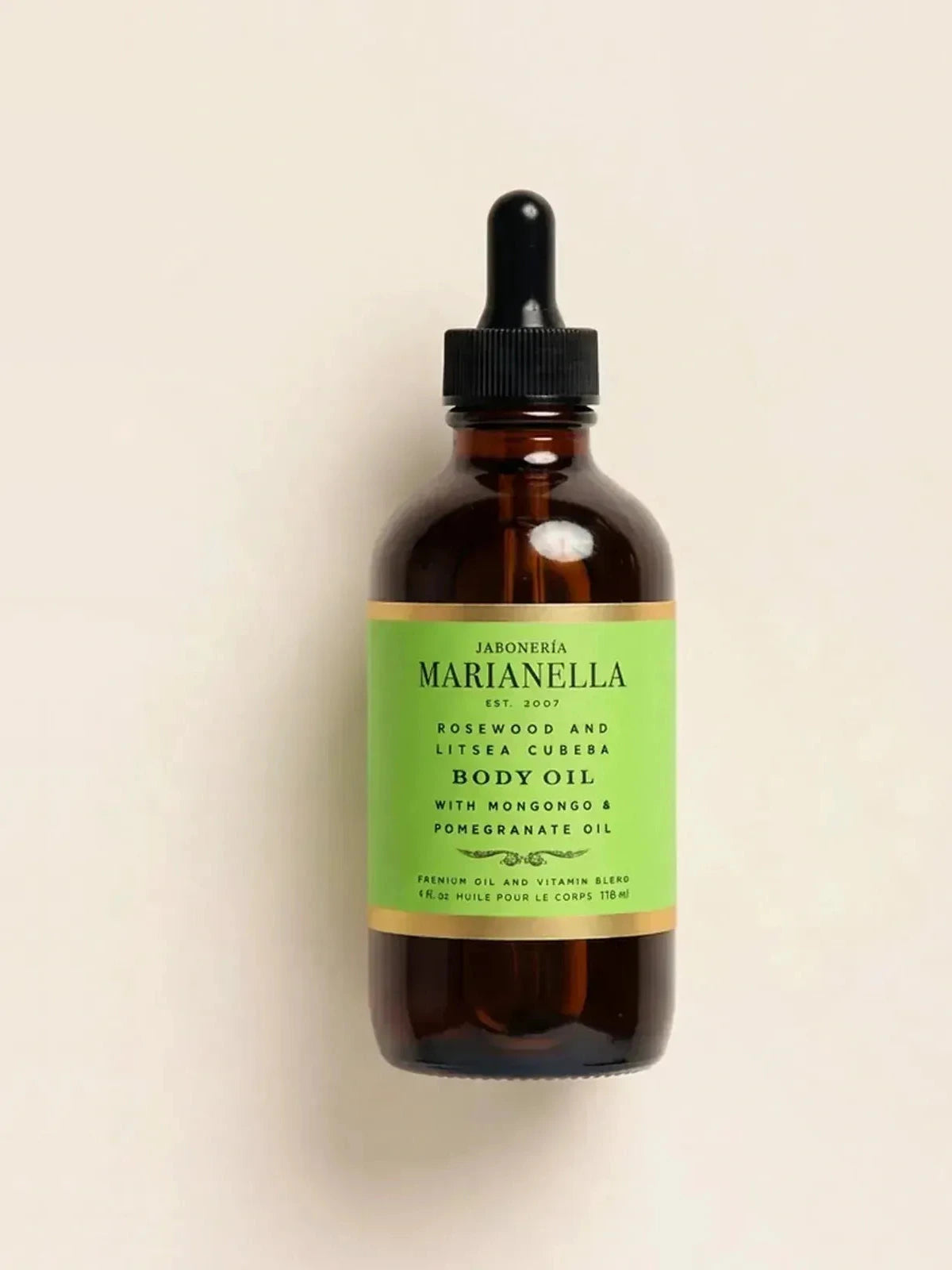
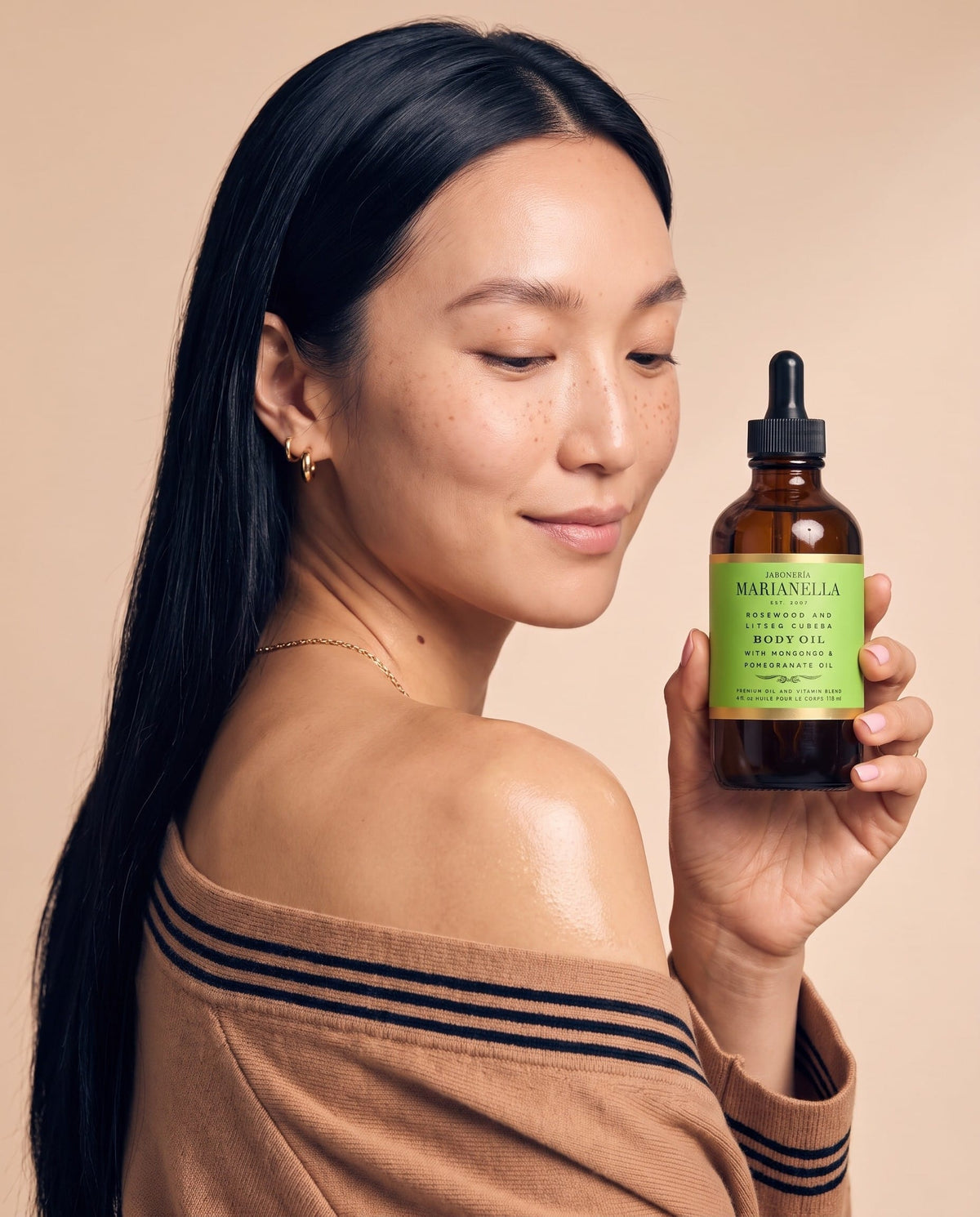
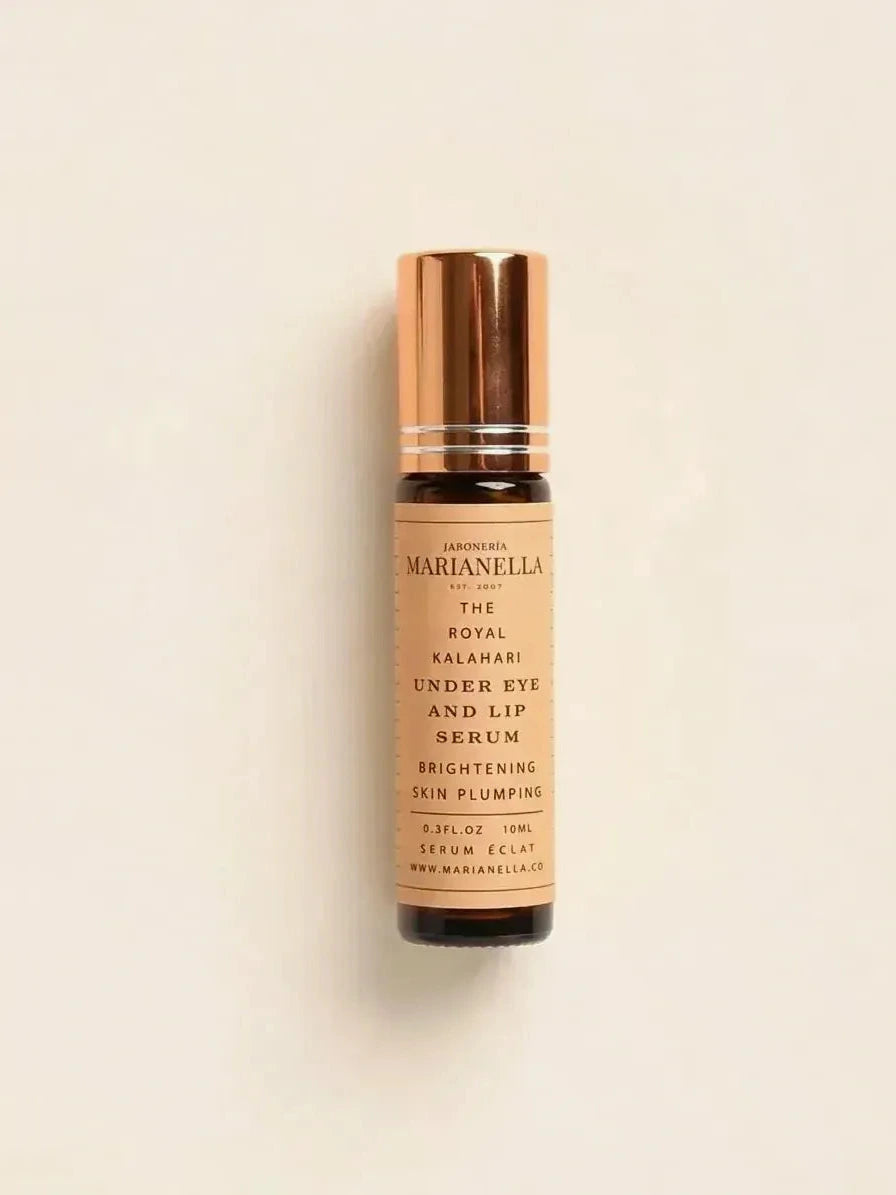
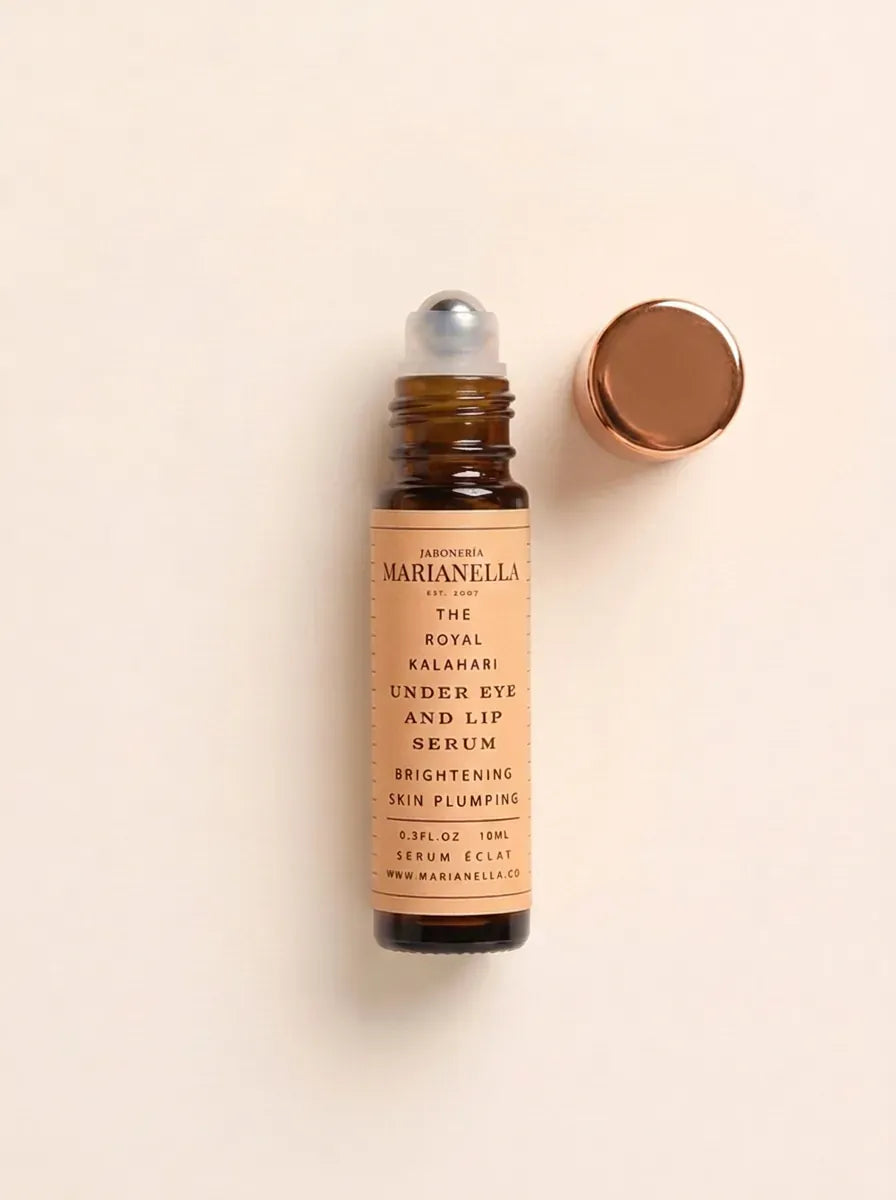
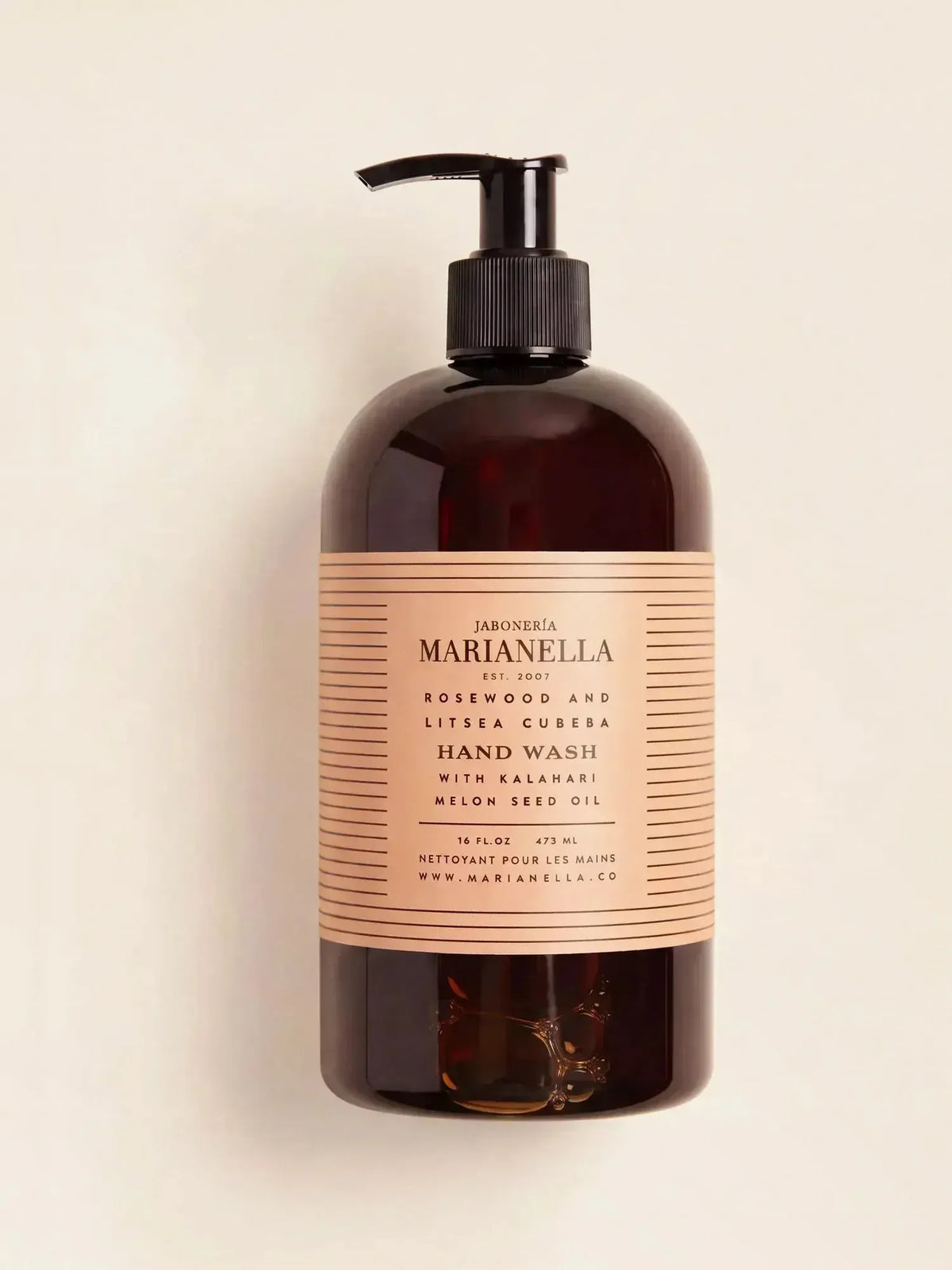
You can see that second job in our own labels. In The Royal Kalahari Under Eye and Lip Serum Roller Oil, tocopherol keeps the oils fresh while a vitamin C complex adds brightness. Our Hydrating Hand Cream and Rejuvenating Body Cream finish with a touch of tocopherol, which helps keep their Kalahari melon seed, jojoba, avocado, argan and borage oils at their best. The Rosewood and Litsea Cubeba Imperial Jade Body Oil uses tocopheryl acetate, the stable ester, to finish a blend of grape seed, apricot kernel, marula, argan, pomegranate seed and mongongo oils.
Where it sits on the ingredient list
Ingredients are listed from most to least, and vitamin E usually sits near the end. That is not a sign that it is there for show. It is used in small amounts because small amounts do the job. A face serum, a body oil and a hand cream can all carry it well below the plant oils and still benefit from it, both on skin and in the bottle.
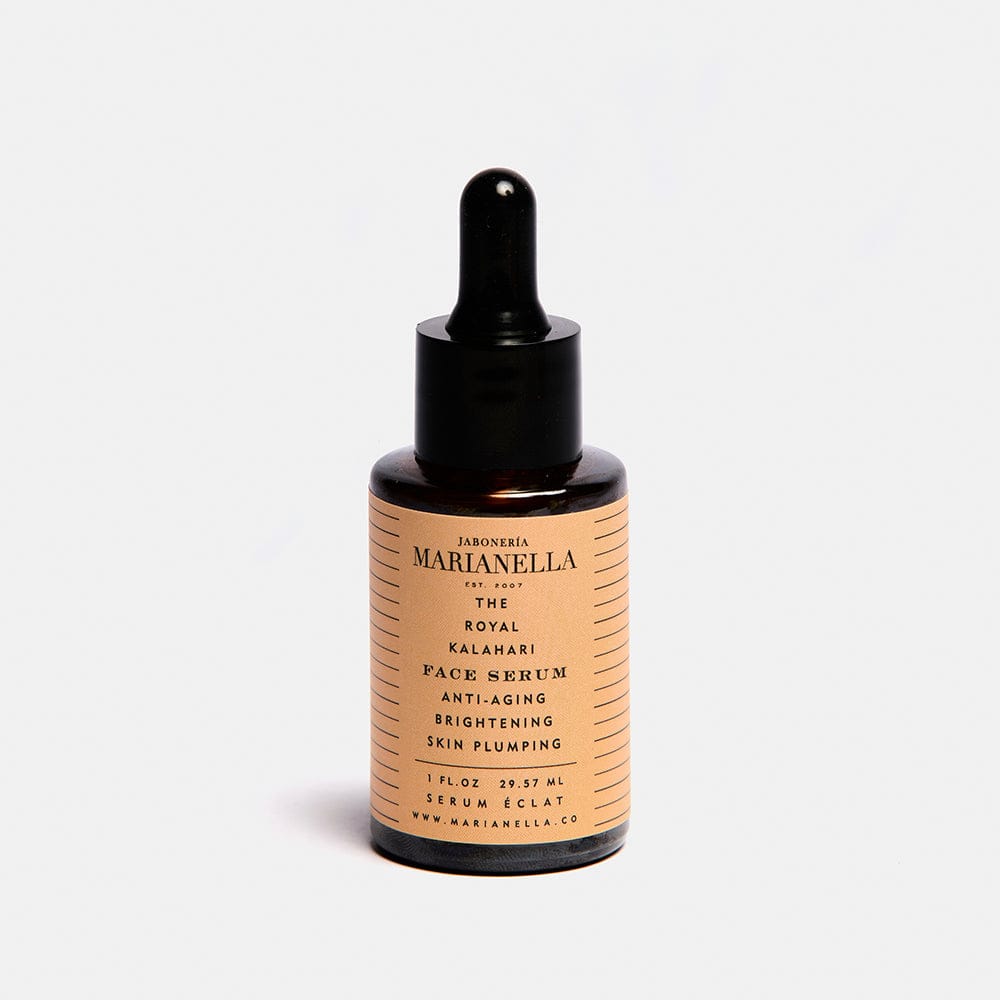
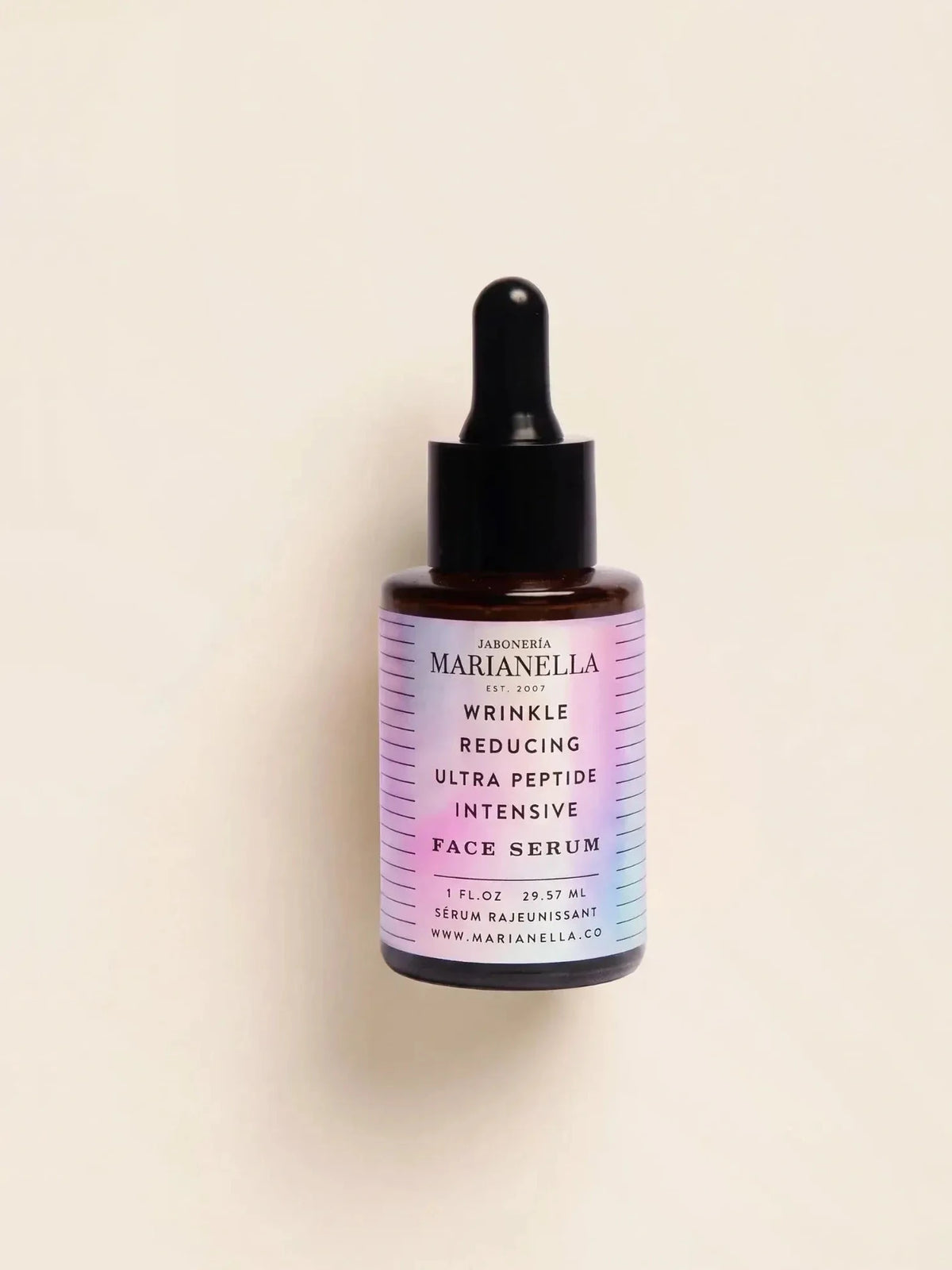
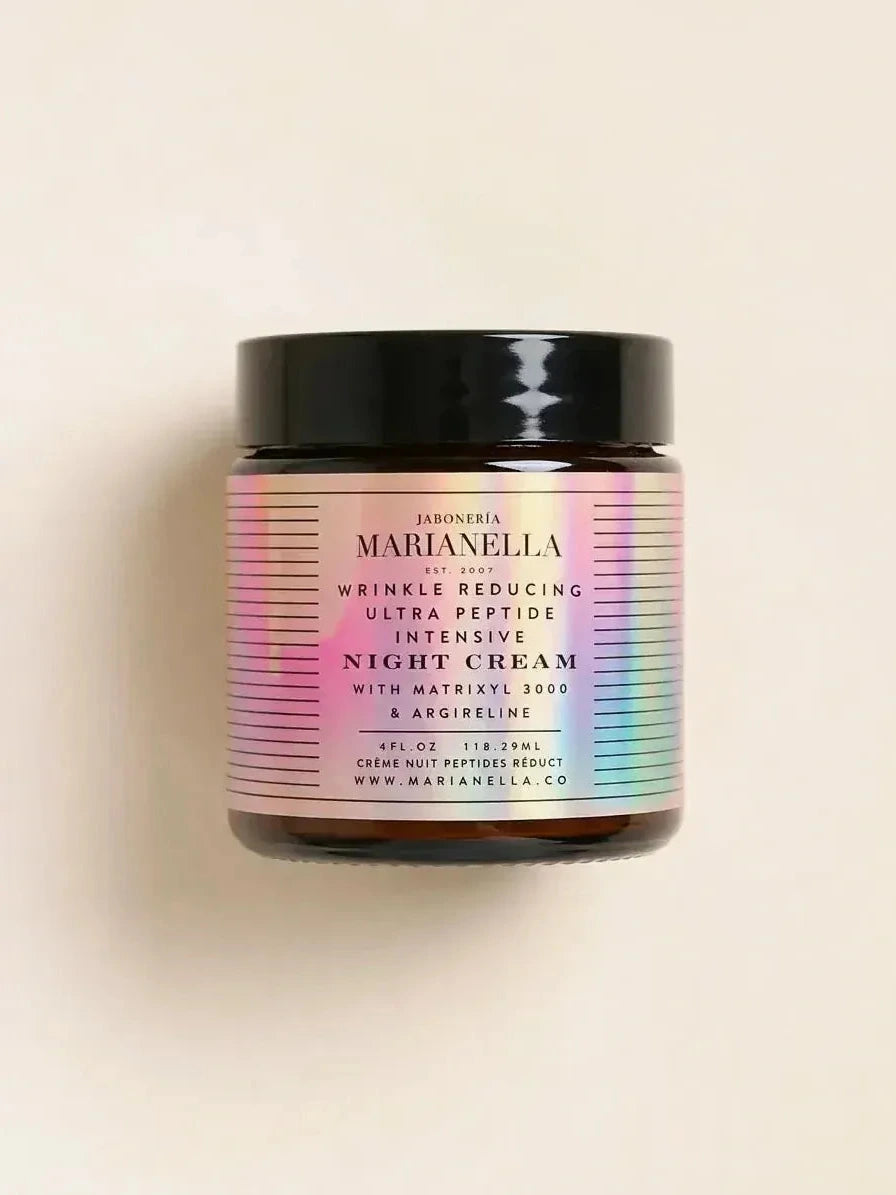
What matters more is the company it keeps. In The Royal Kalahari Face Serum, vitamin E sits with vitamin C and nine plant oils led by Kalahari melon seed oil. In our two Ultra Peptide formulas, it sits with ascorbyl palmitate, a vitamin C ester, so the pair can do their relay. That pairing tells you more about a formula than where vitamin E falls in the list. Our Ingredient Library lists both forms, tocopherol and tocopheryl acetate, with every product that contains them.
Keeping a vitamin E formula at its best
The same sensitivity that makes tocopherol a good antioxidant makes it wear out with too much light and heat. A few habits help:
- Keep bottles capped and out of direct sun. Amber glass, like the roller's, helps.
- Store oils somewhere cool rather than on a sunny windowsill or beside the shower's hottest spot.
- Apply vitamin E formulas to clean skin, before any heavier cream, so they reach the skin rather than sitting on top of another layer.
- Trust your nose. An oil that smells sharp or flat has oxidized, whatever the date on the box.
The Royal Kalahari Face Serum 4 Pack is a good example of storage in practice: keep one bottle open in use and the rest sealed and cool until you need them.
Questions about tocopherol on the label
Is tocopherol a preservative?
Not in the usual sense. It slows the oxidation of oils, which keeps a formula smelling and feeling fresh, but that is a different job from the one a preservative does.
Is tocopheryl acetate as good as tocopherol?
It is more stable in the bottle but slower to act, because skin has to convert it to tocopherol first. Tocopherol has the stronger research behind it for direct antioxidant work.
Can a pure oil contain vitamin E without listing it?
Yes. Many cold-pressed oils carry natural tocopherols. Our Plum and Rosehip Face Oils, for example, are 100% pure seed oil and still contain them.
Does vitamin E near the end of the list mean it does nothing?
No. Vitamin E is used in small amounts because small amounts work. Look at what it is paired with, especially vitamin C, rather than where it falls in the list.



















Leave a comment
This site is protected by hCaptcha and the hCaptcha Privacy Policy and Terms of Service apply.