


Run a fingertip along your cheek, then along the back of your upper arm. The cheek feels softer, and there is a measurable reason. The ratio of cheek to upper arm alpha-tocopherol levels was 20 : 1 for the upper stratum corneum, the skin's outermost layer. The main vitamin E benefits are antioxidant defence and a moisture barrier that holds better. Your face gets its supply from its own oil, and your body gets far less. So in 2026 the best vitamin E products for skin below the collarbone are the ones that stay on it: lotions, creams and body oils.
What are the benefits of vitamin E for skin?
It is the skin's main fat-soluble antioxidant
Vitamin E is the most abundant lipophilic antioxidant found in human skin, and levels of vitamin E in the epidermis are higher than the dermis. Its job is to protect the fats that hold your skin together. As a lipid-soluble antioxidant it prevents the lipid peroxidation of polyunsaturated fatty acids of the corneal lipid matrix. In plain terms, it keeps the mortar between your skin cells from going rancid.
It gets used up faster than you would think
Your skin spends its vitamin E before you notice anything. A dose of simulated sunlight too small to turn skin pink the next day can deplete human stratum corneum α-tocopherol by almost 50%, which is why researchers treat that loss as a very early and sensitive event of photooxidative damage.
It helps skin hold water
For dry skin, the moisture benefit of vitamin E is the one you can feel. In studies, O/W and W/O emulsions containing alpha-tocopherol acetate increased skin hydration and water-binding capacity in the stratum corneum. Vitamin E also has a softening effect: it is generally thought to be non-irritating, and additionally, possesses antioxidant and emollient properties.
It works better alongside other antioxidants
Vitamin E does its best work with company. Researchers found that a stable aqueous solution of 15% vitamin C (L-ascorbic acid) and 1% vitamin E (a-tocopherol) when applied topically to skin can provide 4-fold photoprotection. Adding 0.5% ferulic acid to the solution of 15% L-ascorbic acid and 1% a-tocopherol doubled photoprotection when applied topically to skin from 4- to 8-fold.
Why your body needs vitamin E more than your face does
Your skin makes its own delivery system. Scientists showed that vitamin E (alpha- and gamma-tocopherol forms) is a significant constituent of human sebum, so wherever there are oil glands, the skin's surface gets topped up all day. The face has plenty of them. Your shins, upper arms and the small of your back have far fewer, and that's why those are the places that go tight first when the heating comes on in late October.

|
$42 |

|
$48 |

|
$46 |

|
$68 |
This gap grows over the years. One formulation patent notes that the reduced sebaceous gland activity in later years means less oil on the skin's surface, so the antioxidant cover that vitamin E gives drops with it. Your body is where you have to add vitamin E by hand.
Vitamin E serums, soaps, lotions and body oils: which format works best
Vitamin E dissolves in fat, not water, and that decides which products can deliver it. The lipophilic nature of vitamin E requires an oily or alcoholic phase at the topical formulation. In cosmetics, the main drivers capable of delivering this type of molecule are serums, tonics, oils and especially emulsions.
Vitamin E serums
Serums are where the vitamin C and E pairing has been studied most, usually for the face. A 2026 randomised split-face trial of a vitamin C, E and ferulic acid serum after laser procedures found that, when applied twice daily, the skin hydration level increased by 4.2% from baseline, while the saline side went down.
Vitamin E soaps and washes
Soaps aren't on that list of good delivery formats, because a wash is rinsed off within a minute. Vitamin E in a rinse-off product mostly protects the product itself. If you want vitamin E to stay on your skin, it has to be in something you leave on.
Vitamin E lotions and creams
Creams are emulsions, the format researchers single out. They are oil and water held together, so the vitamin stays in the oil and the water carries it across the skin.
Vitamin E body oils
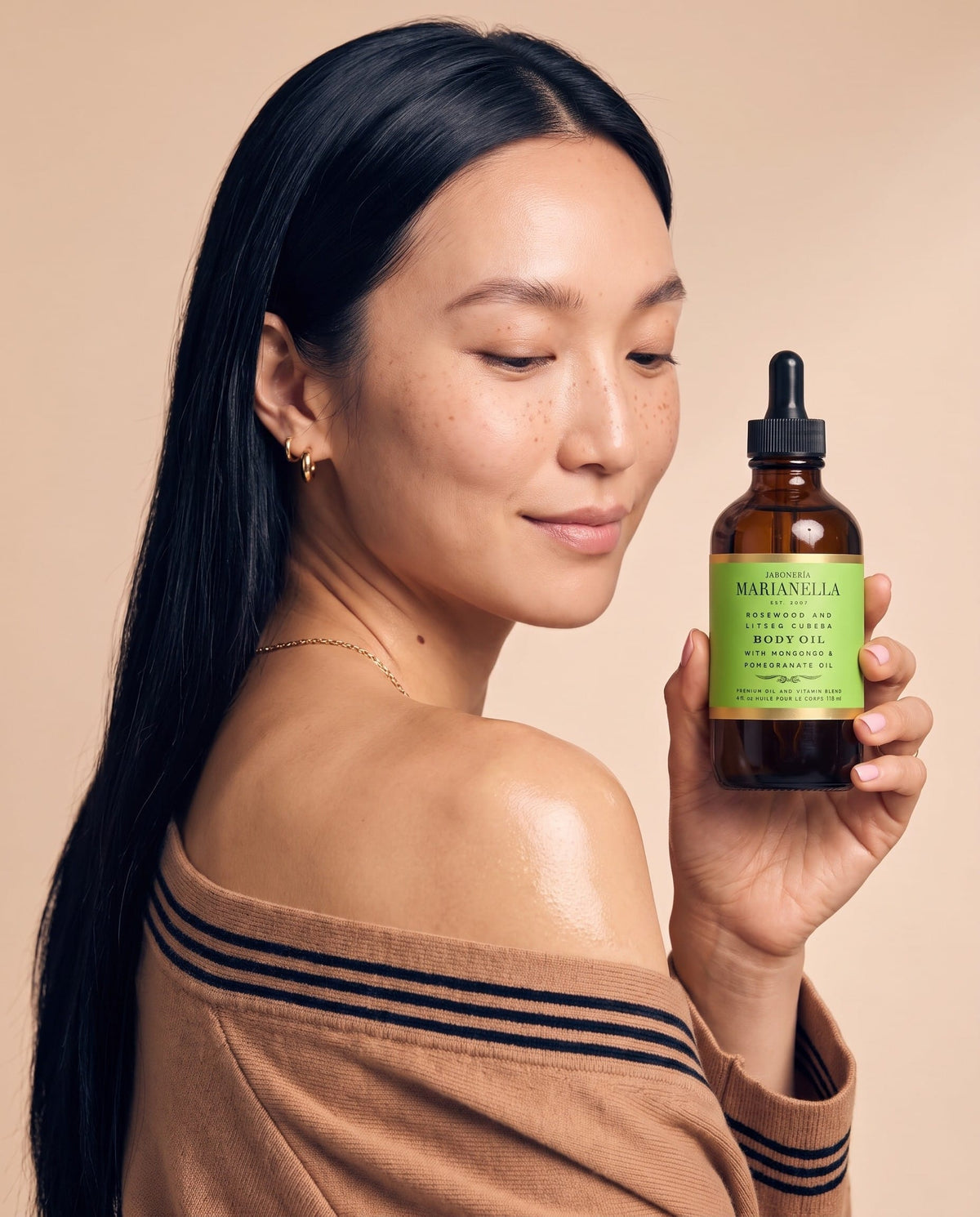
A body oil is vitamin E's natural setting: it is fat in fat, nothing to dissolve it into and nothing to rinse away. On the dry, low-oil skin of your arms and legs, an oil puts back what your sebum would have supplied.
The best vitamin E products of 2026 from Marianella
We make all four of these in Brooklyn, and each one carries vitamin E in the format that suits it.
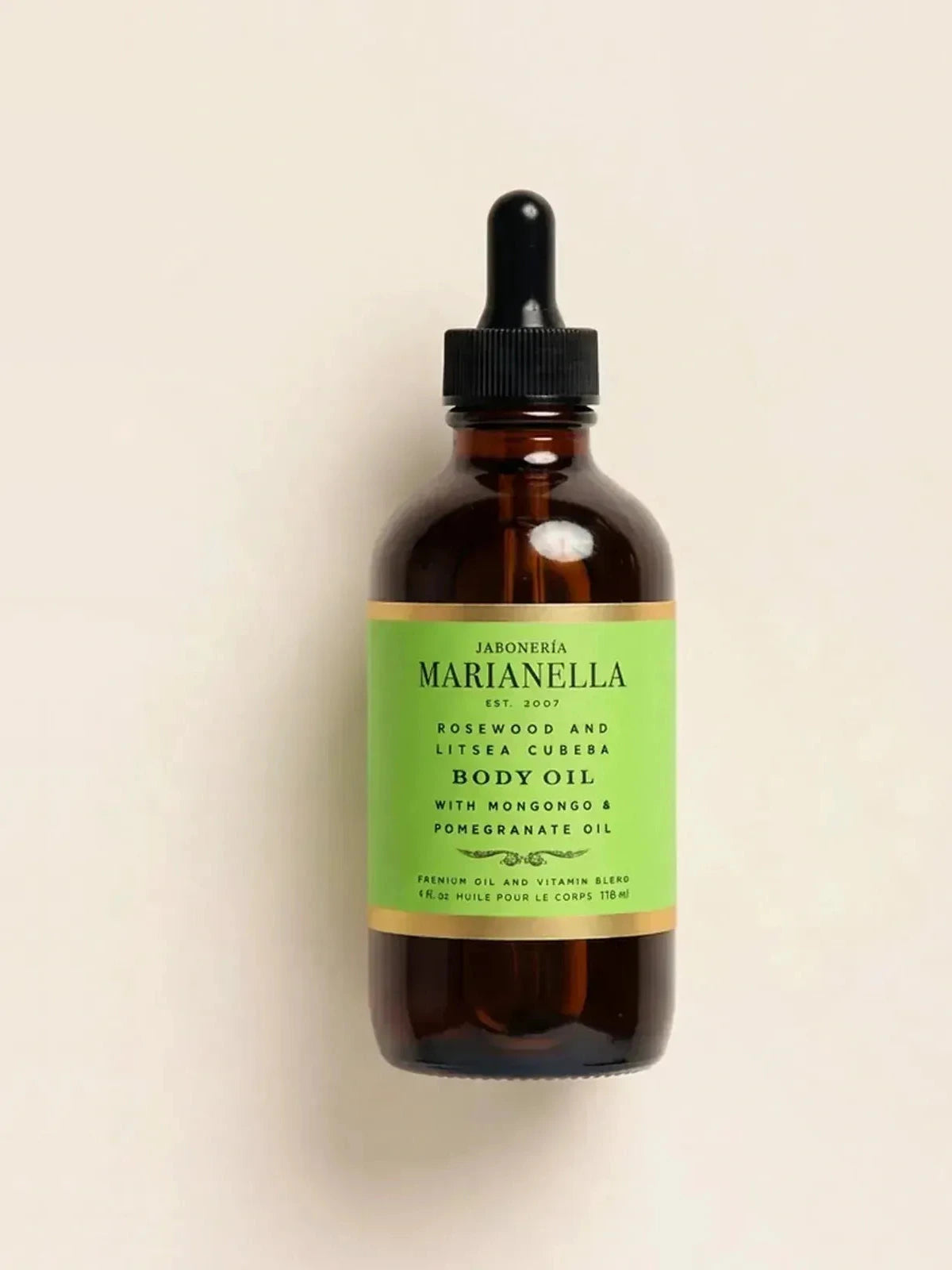
New Imperial Jade Body Oil, $46
Our New Imperial Jade Body Oil is the most direct route: vitamin E in the oil it dissolves in, made for the parts of your body that get no oil of their own.
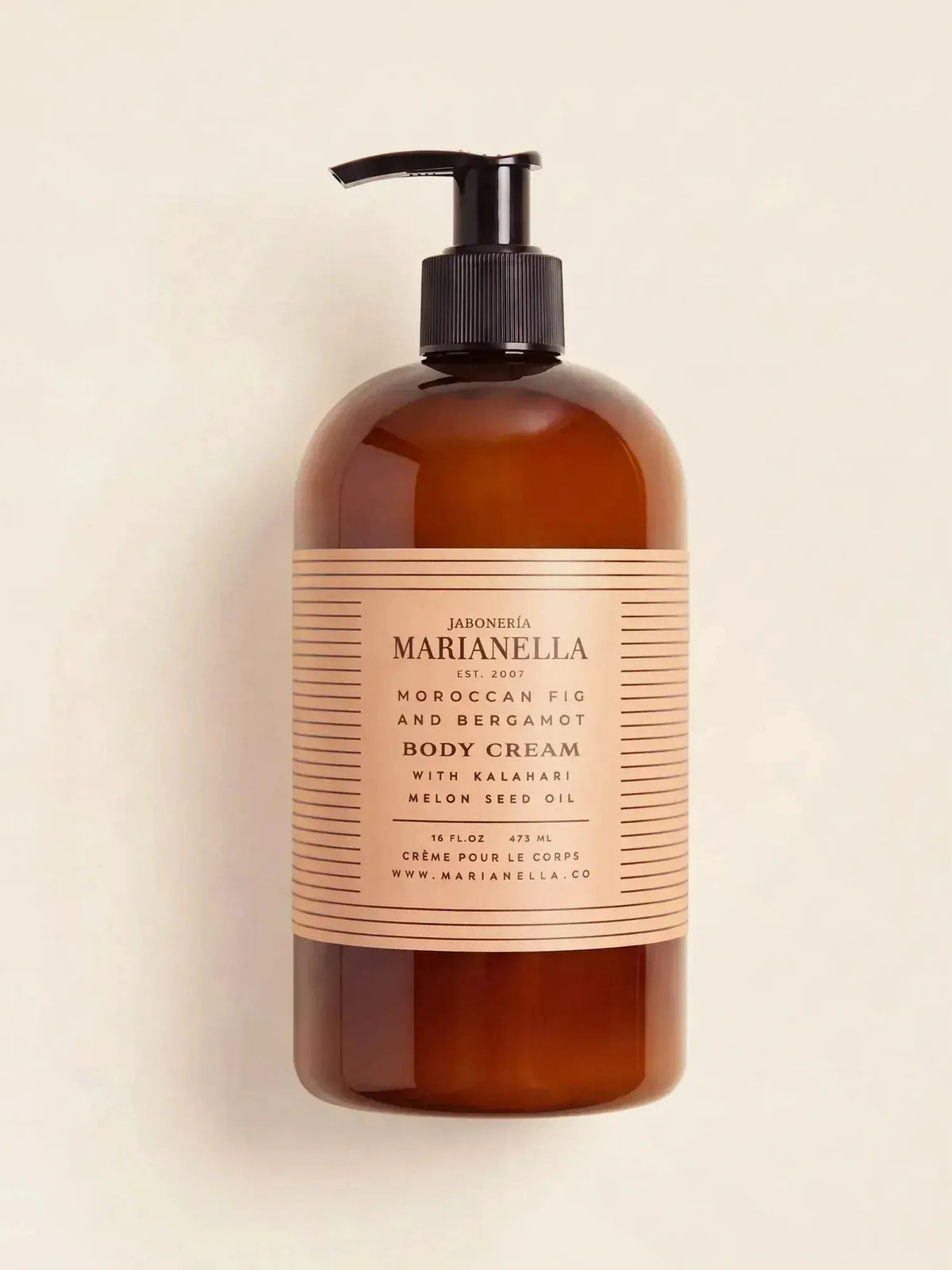
Rejuvenating Body Cream with Kalahari Oil, 16 fl. oz., $68
Our Rejuvenating Body Cream with Kalahari Oil is an emulsion, the format the research favours for hydration. It is the one to reach for while your skin is still warm from the shower.
Hawaiian Black Lava Body Caviar Body Scrub with Charcoal, $48
The salt and sugar in our Hawaiian Black Lava Body Caviar lift the dull surface away, and the water takes them. The oils are what stay on your skin, and the vitamin E sits in the oils.
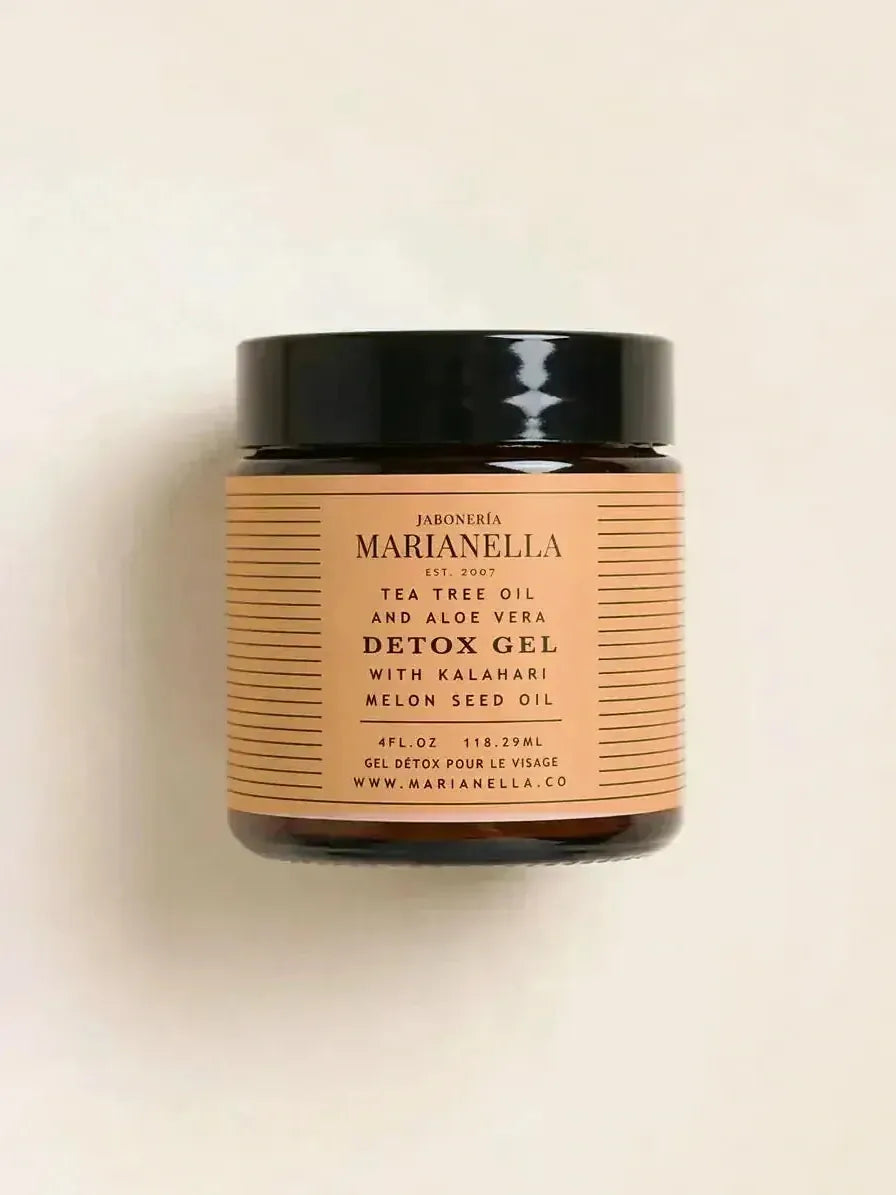
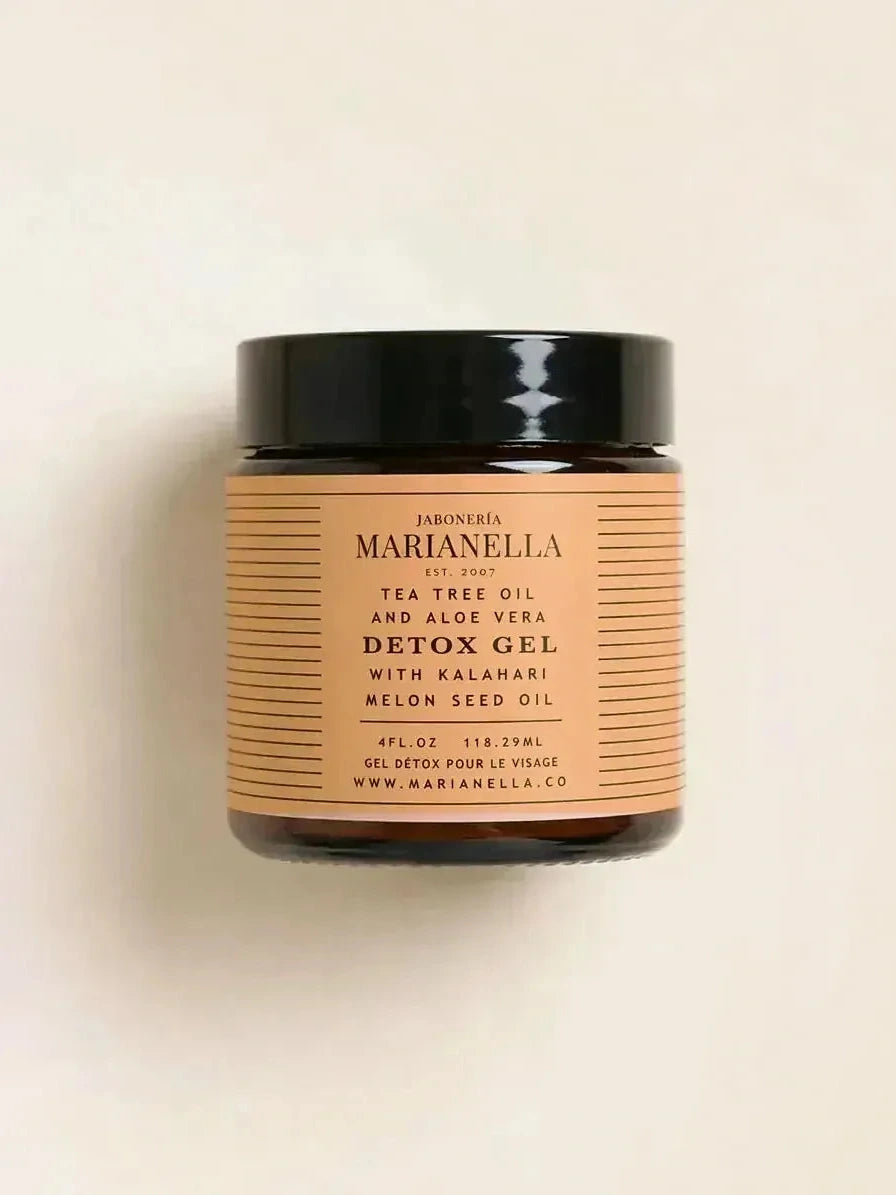
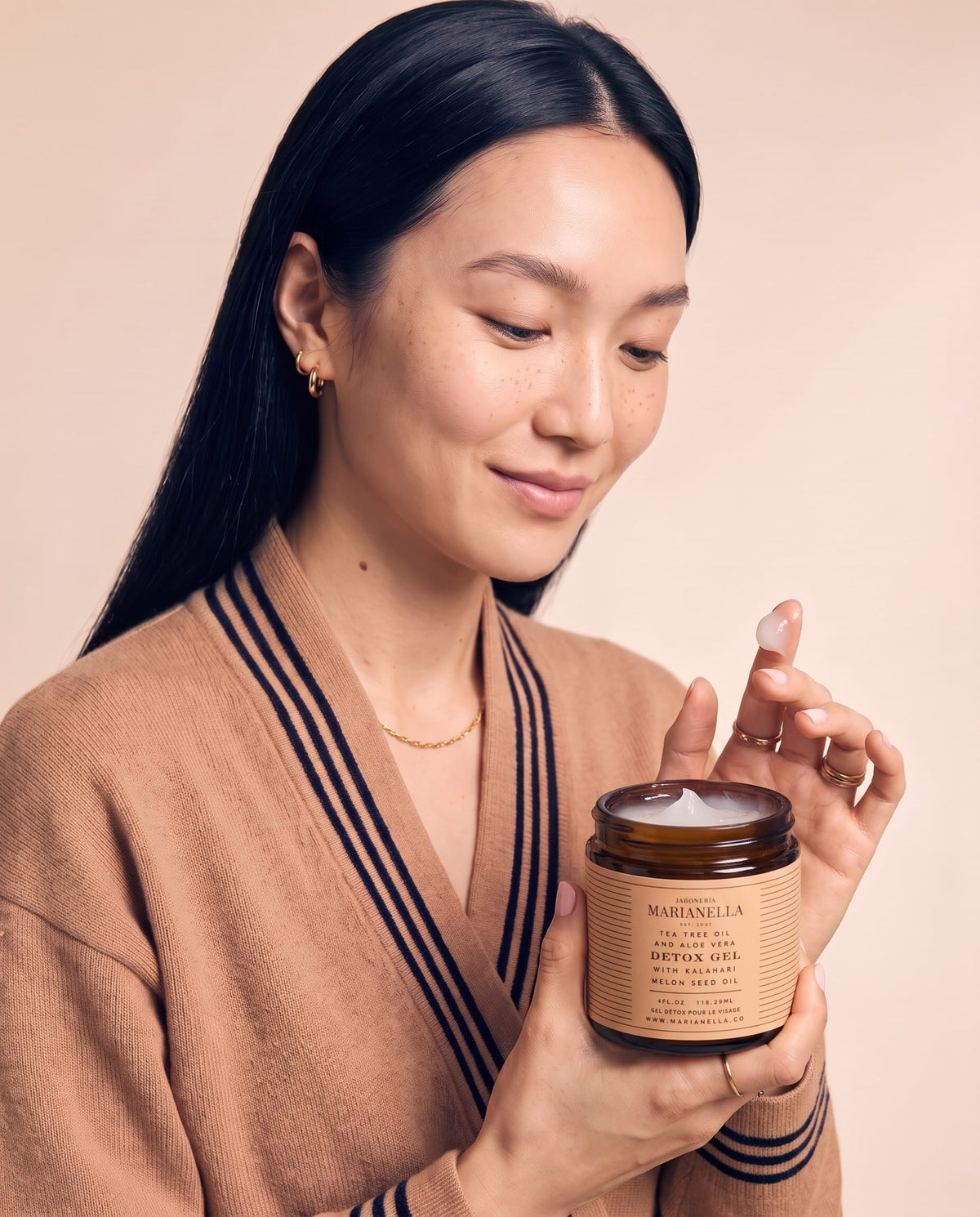
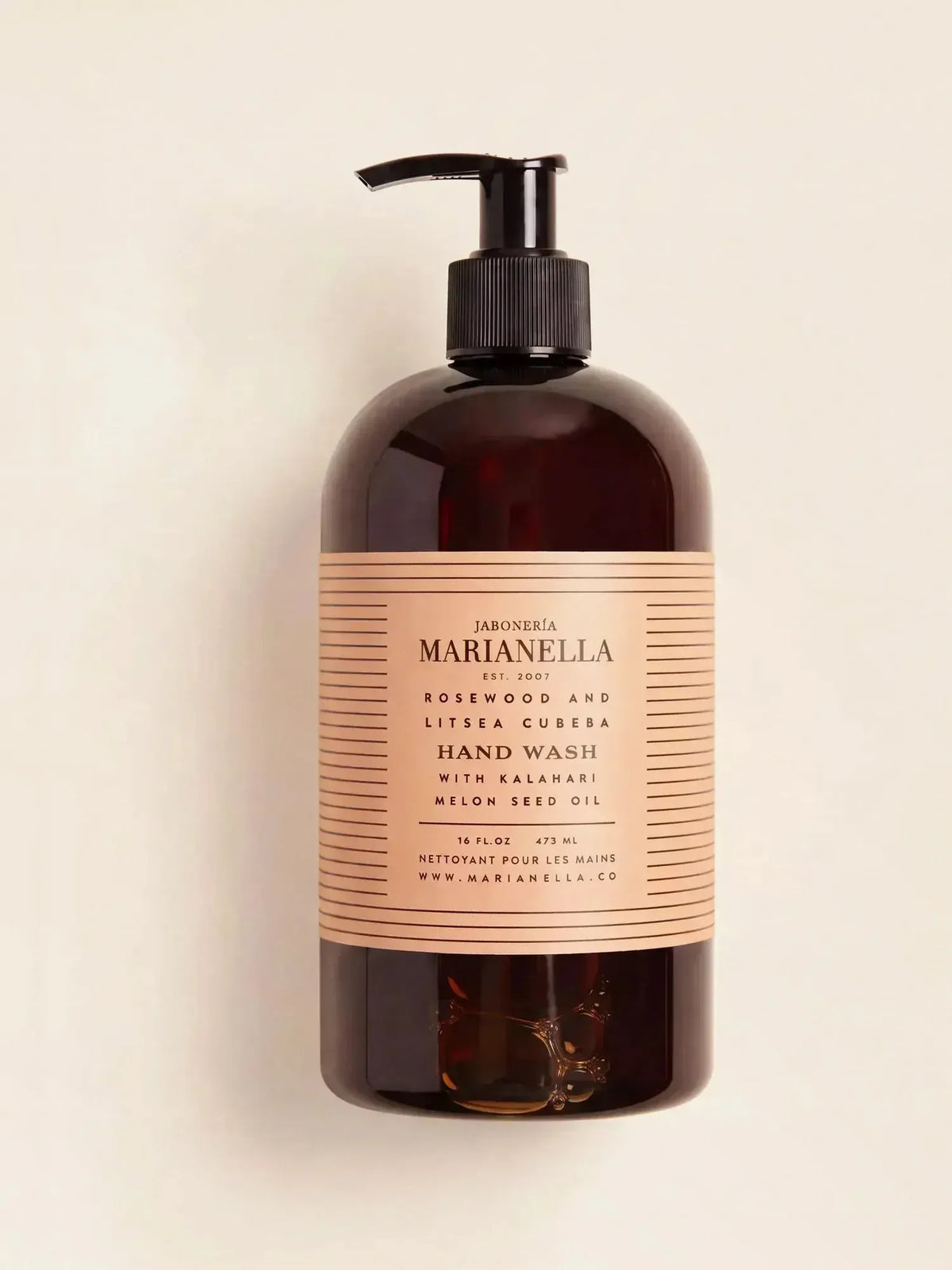
Detox Gel now with Kalahari Melon Seed Oil, $42
Our Detox Gel carries vitamin E alongside Kalahari melon seed oil. [Where the Detox Gel is applied and when in the routine.]
If your arms and legs are the first places to feel the season, start with the New Imperial Jade Body Oil or the Rejuvenating Body Cream on our website.
FAQ
Is vitamin E good for dry skin?
Yes. Leave-on creams and lotions with vitamin E have been shown to raise skin hydration and help the outer layer hold water. Oils and emulsions deliver it best because vitamin E dissolves in fat.
Is it safe to use vitamin E on skin every day?
For most people, yes. Concentrations of vitamin E between 0.1%-1.0% are generally considered safe and effective to increase vitamin E levels in the skin, and a safety assessment of alpha-tocopherol and its most used esters showed no phototoxicity, no genotoxicity and no ocular and dermal sensibilization.
Can vitamin E replace sunscreen?
No. In one human study, a 2% alpha-tocopherol lotion reduced redness from UV exposure, but the lotion had no sunscreening properties, so the effect came from its antioxidant action. It also can absorb UV light to produce free radicals, so wear sunscreen with it, not instead of it.
What is the difference between tocopherol and tocopheryl acetate?
Tocopherol is the active form. Tocopheryl acetate is an ester: it lasts longer in the bottle, but vitamin E conjugates, however, do not have antioxidant functions. To be effective, the molecule conjugated to vitamin E must be removed by enzymes within a cell. That conversion is slow, so pure alpha-tocopherol should provide more efficient antioxidant protection for skin surface lipids and skin barrier constituents than vitamin E esters.
Why does my body get drier than my face?
Your face has many more oil glands, and that oil carries vitamin E to the surface. Your arms and legs have far fewer, so they depend more on the vitamin E you put on them.
--- I don't have the Detox Gel's Product Bible here, so I left a bracket where its use should go. I didn't make that detail up. The brand facts in the brief include "eco-luxury", "small-batch", "handcrafted" and "clean ingredients". All four are on your set-aside list, so I left them out and just said "we make all four in Brooklyn." Do you want any of them added back?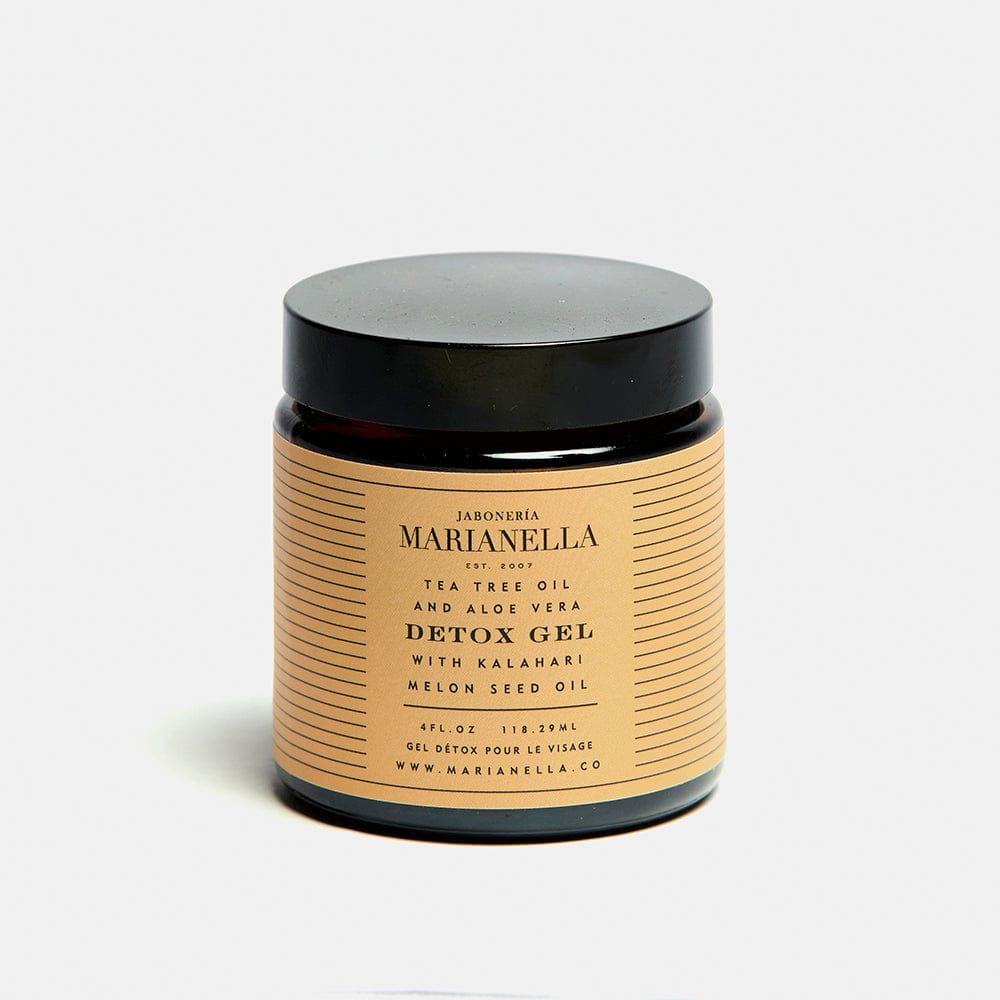


















Leave a comment
This site is protected by hCaptcha and the hCaptcha Privacy Policy and Terms of Service apply.